
AMD Roadmap Breakdown: Zen 6, Zen 7, Next-Gen GPUs, and AI Integration
AMD outlines an ambitious multi-year roadmap featuring advanced CPU, GPU, APU, and AI technologies across next-generation architectures.
Hardware by Tanvir Kabbo on Dec 05, 2025
AMD has revealed its vision of the future, and it is shaping up to be a major evolution across CPUs, GPUs, APUs, and AI accelerators. Zen 6, Zen 7, RDNA 5, whatever the final branding may be, and several new architectural directions were discussed in depth during the company's Financial Analyst Day.
These events usually include more than just financial information; they also provide roadmaps for the future, a tradition that continues.
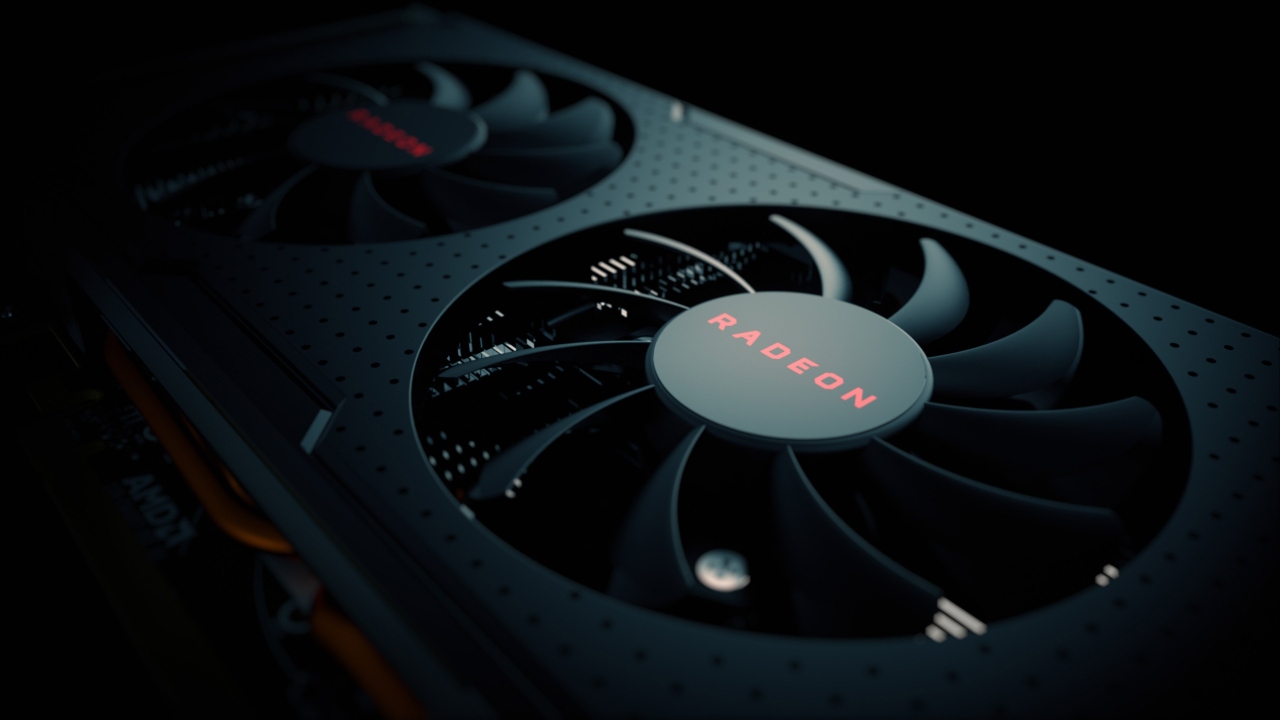
Leadership CPU Core Roadmap
We start with the CPU roadmap because it has more information. Zen 5 and Zen 5C show off a reoptimized cache hierarchy, broader and deeper pipelines, four 512-bit AI vectors, and the switch to TSMC's 4N-to-3N process. Zen 6 and Zen 6C follow, bringing new AI data type support and more AI pipelines.
When we look through x86 patches submitted to Linux, we see AVX512BMM, FP16, AVXMA, and VNNI INT8 among the supported instructions. Many of these benefits are in the data center, although laptops and certain client workloads will see gains.
Some of these details were already leaked previously, including VNNI INT8 support in Zen 6. Even though most consumers may not notice immediate advantages, enthusiasts and developers will appreciate where AMD is heading.
Advances Toward Zen 7
Zen7 continues AMD's push into AI compute, with references to a new matrix engine and expanded AI data formats. Technical presentations highlight GPU IO accelerators and HPC-oriented improvements. As we examine Medusa—AMD's next major APU platform—it becomes clear that the company is adopting a more unified approach. Medusa appears to serve both desktops and laptops, with similar SoCs connected differently depending on the platform. Leaks point toward up to 24 cores on desktops, making it an extreme upgrade.
As we wait for confirmation from additional sources, it is clear that AMD is doubling, tripling, and quadrupling down on AI capabilities across all market segments.
Data Center and HPC Directions
For those of you interested in data centers and HPC, AMD's advancements are striking. The fifth generation of Infinity Fabric, 2.5D packaging, and Zen 6-based designs make big improvements.
High-speed SIS connection technology reaches an amazing scale, giving the best computing systems better bandwidth and communication.
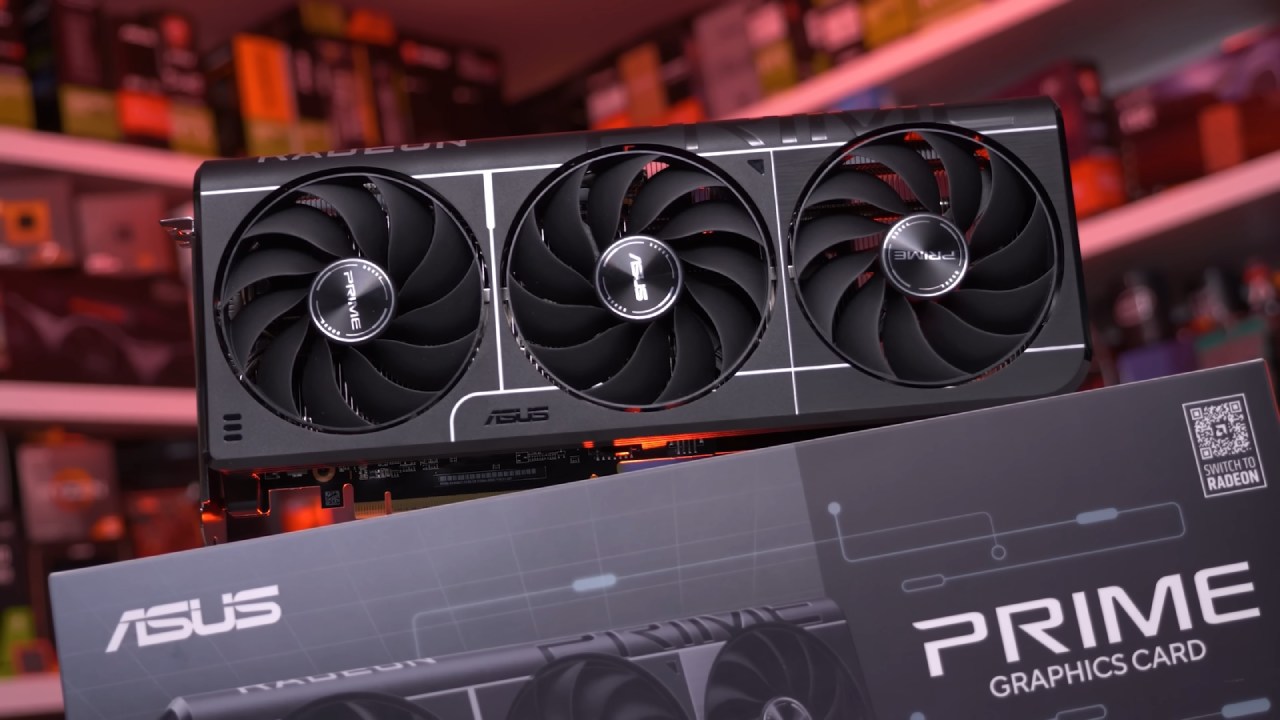
Client Market Growth and Medusa Integration
Revenue from clients has increased from 15% to 28%, which is a big deal. Medusa's work will probably help things flourish even further. We should expect greater synergy among CPUs, GPUs, and NPUs, which will strengthen AMD's competitive position.
GPU Architecture: RDNA Roadmap and Beyond
RX 9000 series is AMD's current gaming GPU roadmap. It has 2nd-generation dedicated AI engines and better ray tracing. The next generation is simply labeled "NextG" without an official name. It could be RDNA 5, CDNA, or something entirely different.
Previously disclosed architectural elements still apply: neural arrays, radiance cores, and universal compression. Universal compression may become one of the biggest breakthroughs because of how effectively it reduces required memory bandwidth. If you compress data by 50%, a hypothetical 500GB/s memory subsystem effectively behaves like 250GB/s for that data type, dramatically improving internal GPU efficiency. Caches benefit as well—smaller data fits more easily, increasing effective bandwidth and improving hit rates.
Radiance cores and improved ray tracing pipelines will place AMD in a strong position as we look ahead toward RTX 60 generation. Neural arrays also promise substantial acceleration for AI-driven rendering and upscaling.
Semi-Custom Success and Growth
AMD continues to thrive in the semi-custom market, particularly through console partnerships. Large-scale wins have generated significant revenue over the years. These deals played a major role in keeping AMD financially stable during earlier, more challenging eras.
Zen's success since the first Ryzen launch has transformed the company's trajectory into one of the most remarkable comeback stories in the US tech sector.
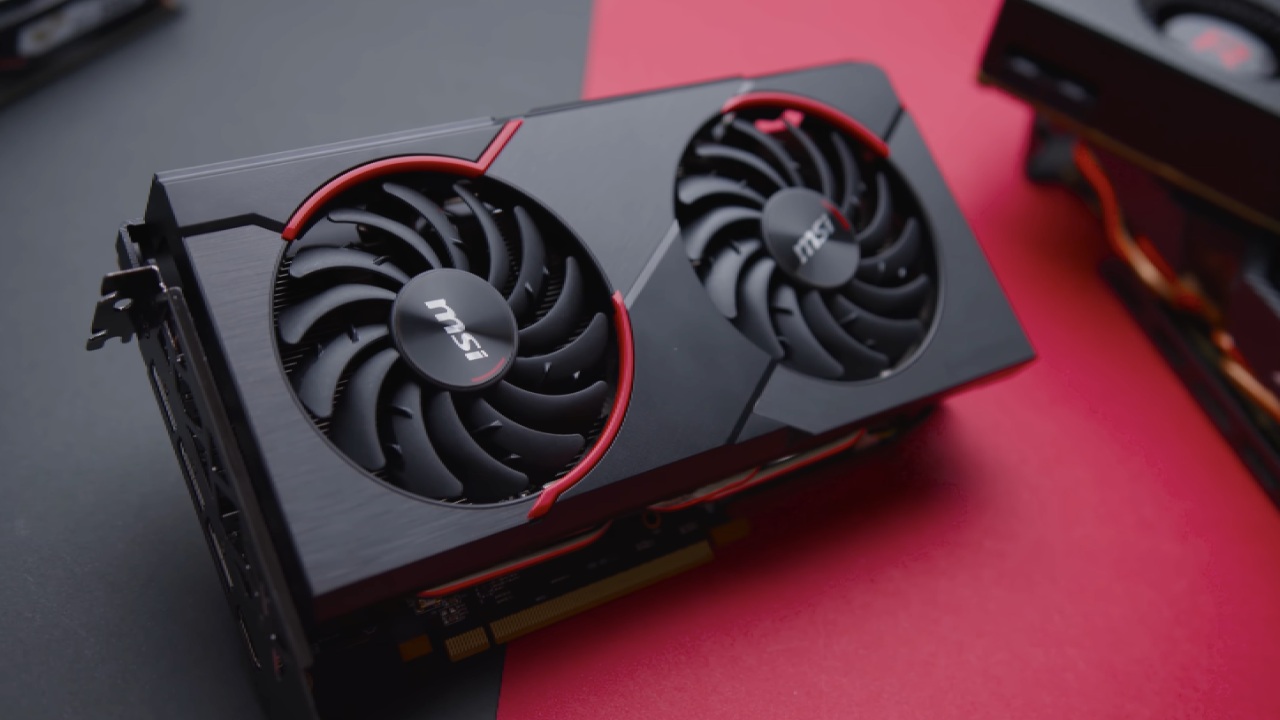
Reflections on AMD's Evolution
Zen 1 was supposed to be strong, but it was even stronger than projected, with a 52% IPC increase instead of the 40% initially planned. Since then, each new generation has kept the pace going.
The speed and scale of AMD's breakthroughs in CPUs, GPUs, and AI accelerators demonstrate a level of innovation that few people expected 10 years ago.
Final Thoughts
AMD's future is clear: more advanced compute pipelines, better GPU acceleration, unified APUs, and huge improvements to data centers. AMD is pushing the limits of performance and efficiency in all areas of computing as it continues to improve its architecture and develop new collaborations.
Also, check our other AMD articles below:
- AMD Ryzen 9 9950X3D Review: Setting The Standard For 2025 Gaming CPU
- AMD Ryzen 7 9800X3D Review: 3D V-Cache Goes God Mode with Stunning Gaming Performance
- AMD RX 9070 Performance Review: Thermals, Clocks, and Real-World FPS
- AMD Ryzen 5 7600 Review: Best Budget Gaming CPU of 2025?
- AMD Radeon RX 7800 XT Review: RDNA 3 Power For Midrange Gaming
- Sapphire NITRO+ AMD Radeon RX 9070 XT Review: The Ultimate 4K Gaming GPU
- AMD Ryzen 7 7800X3D: Delivers Gaming Performance Far Beyond Expectations
- AMD Ryzen 9 7900X Review: Powering the AM5 Era with DDR5 & PCIe 5.0
- Intel Core i9‑14900K vs. AMD Ryzen 7 7800X3D: Power Profiles & Gaming Benchmarks
Senior Editor, NoobFeed
Gaming Hardware Updates
No Data.