
AMD’s Next-Gen RX 10 GPUs Could Rival RTX 6090 Performance
AMD’s upcoming RX 10 GPU lineup aims to deliver a major leap in gaming and AI performance efficiency.
Hardware by Masaru Hoshino on Nov 13, 2025
A big leak has come out about AMD's next-generation GPUs, which could be the most powerful series the firm has ever made. The leaked data, gives a lot of information on what the next RX 10 series (or whatever the final name ends up being) would look like.
While the authenticity of the data is still uncertain, the information paints an exciting picture of AMD’s future in the GPU space.
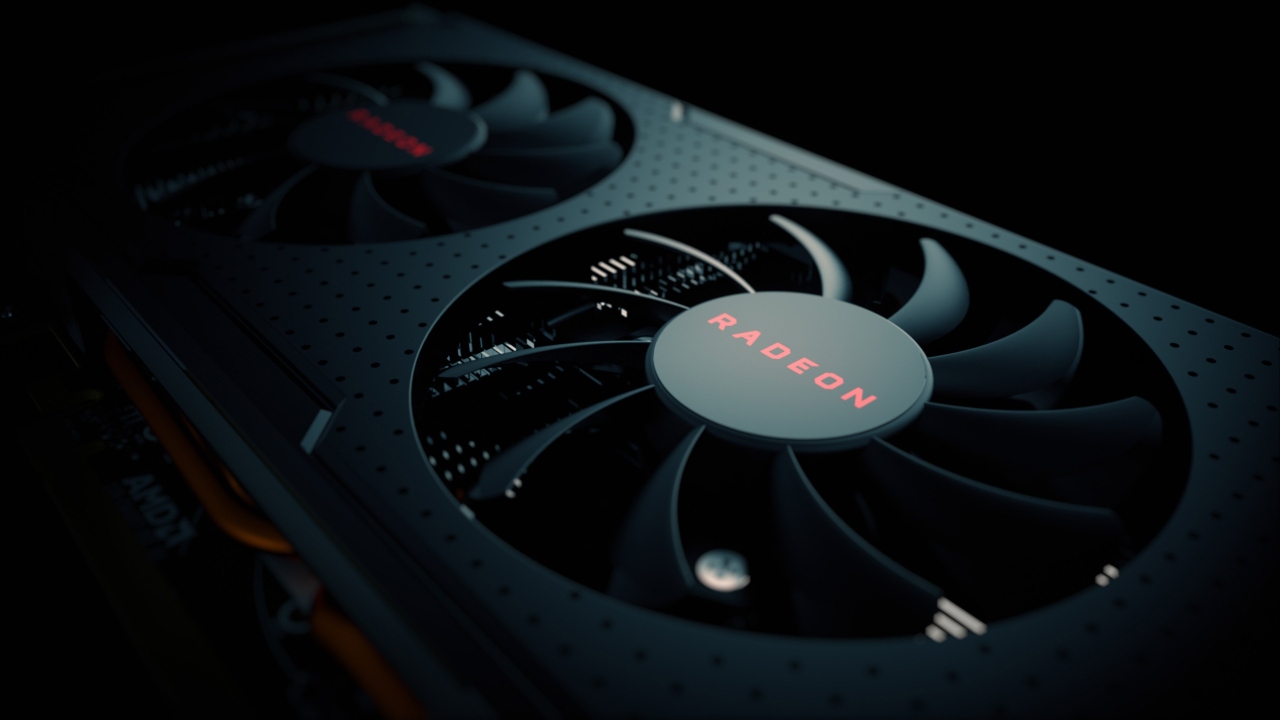
Overview of the RX 10 Series
According to the leak, the lineup starts with what’s being referred to as the 1060 XT. This GPU is said to feature 44 compute units, a 210W TBP target, 16MB of L2 cache, and a 128-bit memory bus. It’s expected to use 12GB of GDDR7 memory running at 36GB/s, delivering a total bandwidth of 576GB/s.
Despite being an entry-level GPU, these specs are notably aggressive. Reportedly, its performance will be about 64% as fast as an RTX 4080, roughly aligning with Nvidia’s 5060 Ti or 5070 range.
From there, the next models up—the 1070 GRE, 1070 XT, and 1090 XT—are said to scale dramatically. The 1070 GRE is expected to perform near an RTX 4070 or 4080 Super, the 1070 XT is compared to an RTX 5080 or 4090, and the flagship 1090 XT is projected to compete with the unreleased RTX 6090.
Spec Analysis and Potential Concerns
The compute unit count reportedly ranges from 44 to 154 across the series, showing a large gap between the entry-level and flagship models. While some of these specs seem feasible, certain aspects raise doubts. The 36Gbits/s GDDR7 memory across all cards feels unusually fast for lower-tier GPUs. It’s plausible AMD might choose this speed to offset the smaller bus widths, but it still seems excessive for budget models.
The flagship 1090 XT’s specs, in particular, appear overly optimistic. With 154 compute units, a 380W TBP, and nearly 2TB/s of memory bandwidth, the figures seem hard to achieve at high clock speeds.
If AMD indeed plans to maintain such high performance, it would likely require closer to 450–550W of power draw. Running the card at lower clock speeds could make 380W possible, but that would undermine the purpose of building such an expensive, massive GPU.
Our Expected Specifications
From a realistic standpoint, we expect the 1090 XT to feature around 144 compute units running at approximately 3GHz, paired with 24GB of GDDR7 memory. This configuration would still allow for substantial power and efficiency without unnecessary costs. A 384-bit bus running at 32Gbits/s would deliver around 1500GB/s of bandwidth—ample for a flagship card. Power draw would likely hover around 500W, potentially slightly lower depending on final optimization.
We also anticipate the existence of a 1080 XT model, likely cut down from the 1090 XT, featuring around 104 compute units. This card would bridge the gap between the upper-midrange 1070 XT and the high-end 1090 XT. The 1070 XT itself may include a few more compute units than currently rumored to balance performance across the range.
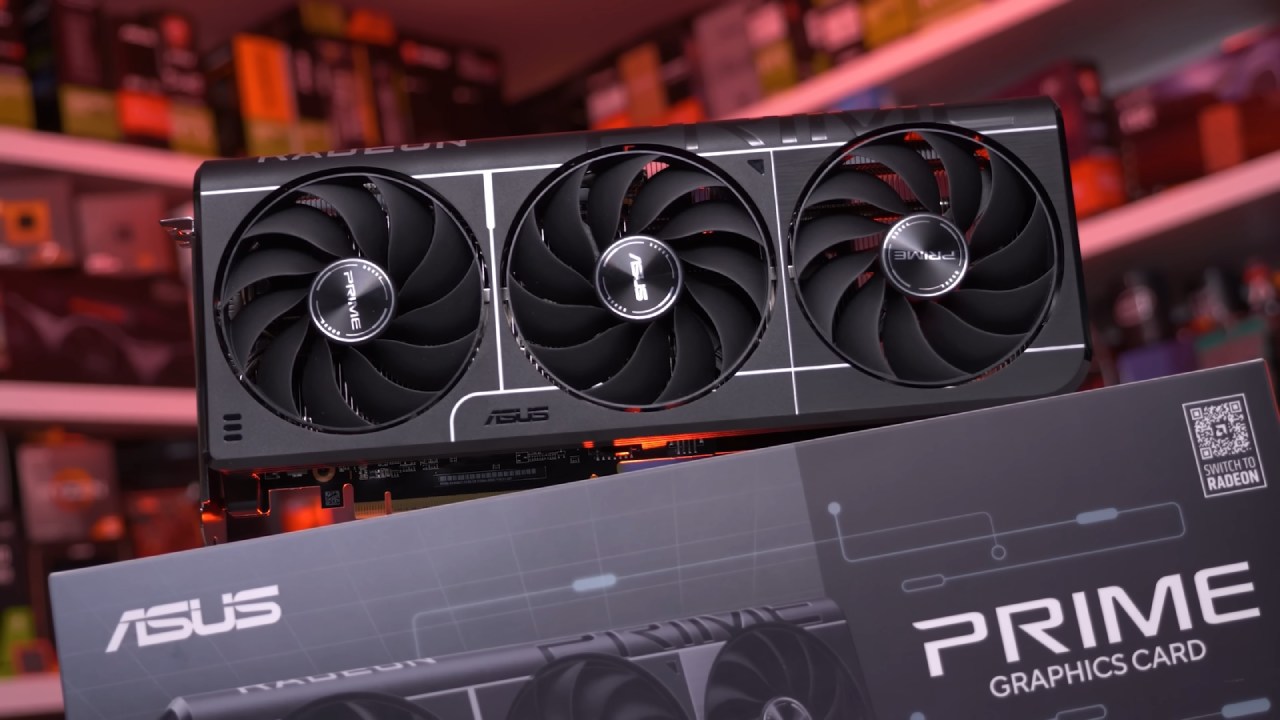
Performance Expectations
If these projections hold, the 1090 XT could potentially compete with Nvidia’s top-tier RTX 6090. Compared to the current RX 9070 XT, performance might increase nearly threefold, delivering around 2.3x real-world performance—significantly higher than the RTX 5090’s reported 82% uplift.
Even if AMD scales down or cancels the flagship GPU, the 1080 XT could still match or slightly surpass RTX 5090 performance levels, making it an incredibly competitive option.
Pricing and Design Considerations
We expect AMD to carefully weigh the pricing and performance of their products. The smaller bus sizes and memory configurations point to a strategy that focuses on keeping costs low while still having competitive throughput. The speeds of GDDR7 memory may be different for different models. The flagship model has the fastest speeds, while lower-tier GPUs use somewhat slower speeds to save money.
The design might also include a multi-chip module (MCM) approach to improve bandwidth efficiency without requiring massive bus widths. This would allow AMD to maintain smaller dies and potentially reduce production costs while still delivering high-end performance.
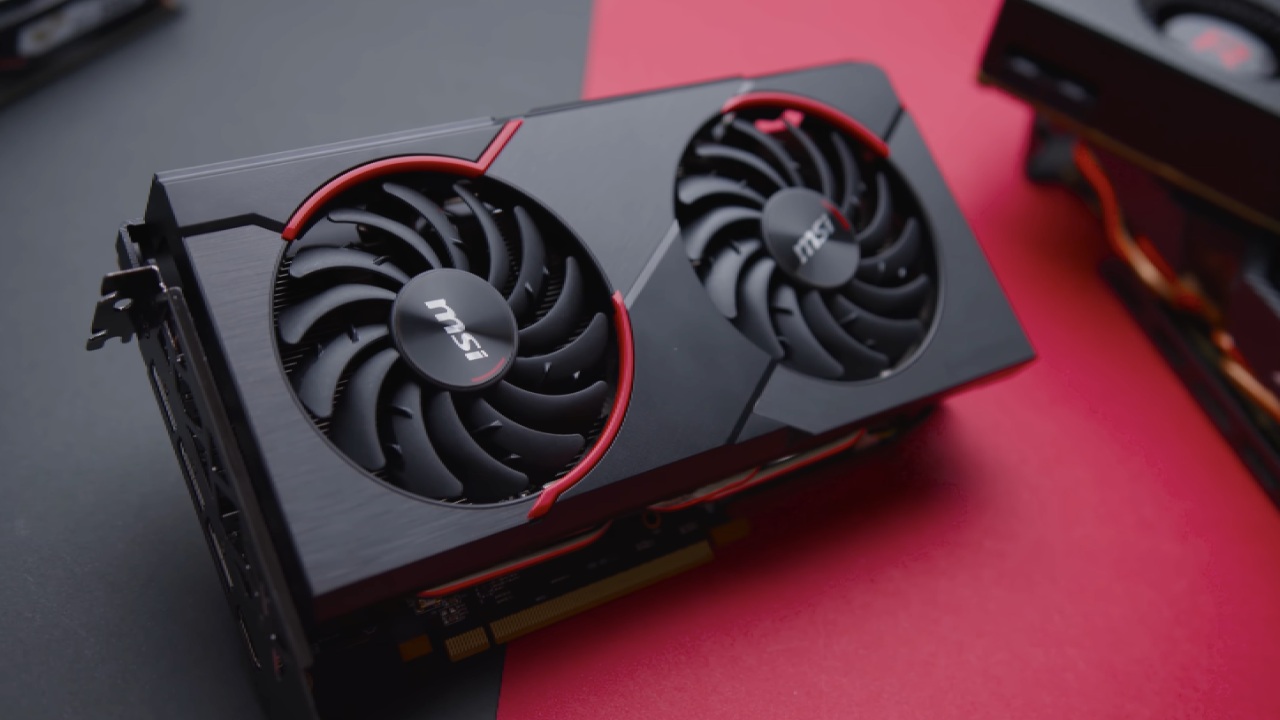
Final Thoughts and Release Window
As more and more leaks come out about the RX 10 series' specs, it's becoming clearer that AMD is getting ready to make a big jump in technology. There are rumors that these GPUs will have better rasterization and ray-tracing performance, as well as better AI-based upscaling capabilities. This might make them quite competitive with Nvidia's next-generation lineup.
AMD might cut back on the most ambitious models to lower the risk of production, but even a slightly less powerful model might still offer great performance for the price. We think the RX 10 series will come out around the first quarter of 2027, based on what we know now.
If you're a fan who wants RTX 5090-level performance at a much cheaper budget, you might want to wait for the RX 10 series. We'll learn more in the next few months as the details become apparent. We'll be paying close attention to how AMD's next big GPU generation develops.
Also, check our other AMD articles:
- AMD Ryzen 9 9950X3D Review: Setting The Standard For 2025 Gaming CPU
- AMD Ryzen 7 9800X3D Review: 3D V-Cache Goes God Mode with Stunning Gaming Performance
- AMD RX 9070 Performance Review: Thermals, Clocks, and Real-World FPS
- AMD Ryzen 5 7600 Review: Best Budget Gaming CPU of 2025?
- AMD Radeon RX 7800 XT Review: RDNA 3 Power For Midrange Gaming
- Sapphire NITRO+ AMD Radeon RX 9070 XT Review: The Ultimate 4K Gaming GPU
- AMD Ryzen 7 7800X3D: Delivers Gaming Performance Far Beyond Expectations
- AMD Ryzen 9 7900X Review: Powering the AM5 Era with DDR5 & PCIe 5.0
- ASRock Radeon RX 7800 XT Challenger OC Review: Best Price-to-Performance GPU of 2025
- Intel Core i9‑14900K vs. AMD Ryzen 7 7800X3D: Power Profiles & Gaming Benchmarks
Editor, NoobFeed
Gaming Hardware Updates
No Data.