
AMD Ryzen 9950X3D2 vs. 9950X3D Synthetic Benchmarks Compared
Premium positioning expected as expanded V-Cache design targets high-end mainstream desktop segment.
Hardware by Naheyan Tahmin on Feb 24, 2026
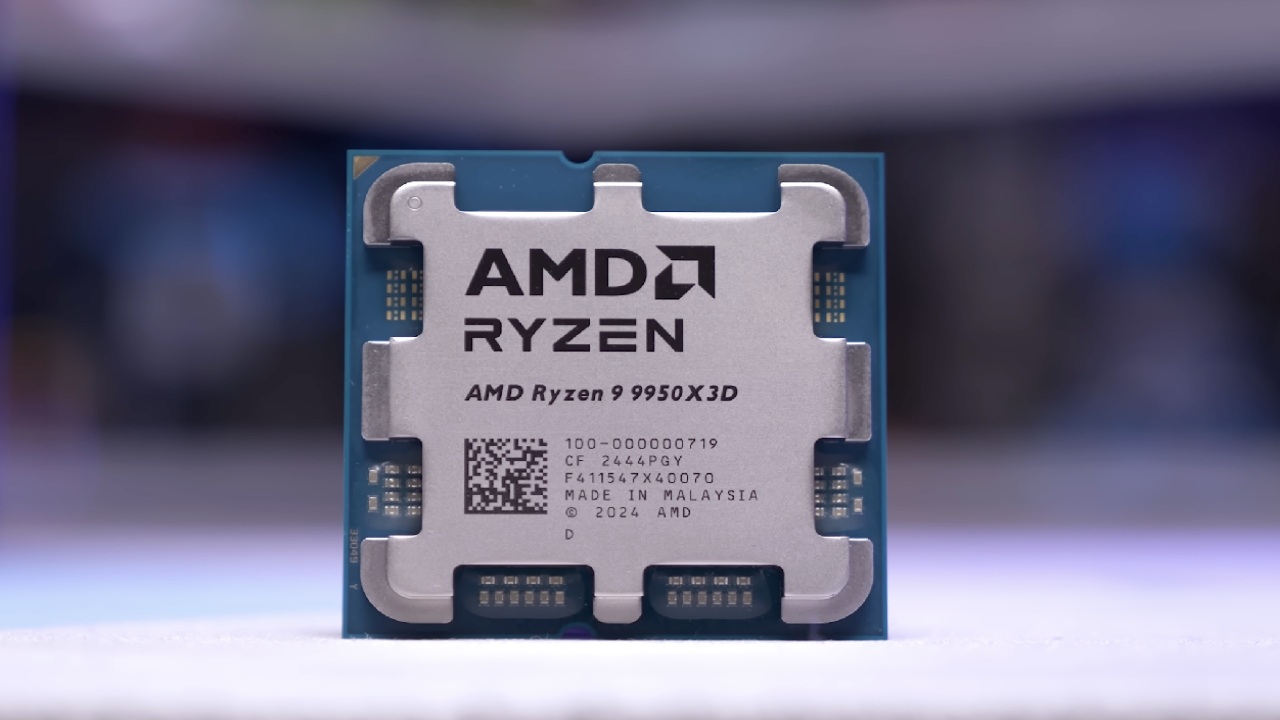
There have been several online benchmarks for the Ryzen 9 9950X3D 2, and AMD will likely introduce the chip at CES. If that happens, it might put pressure on Intel's next Arrow Lake update. There might not be anything in the mainstream market that beats it for raw performance. There are also new rumors about the RDNA5 release date, which align with what was said in November.
x86 is a dead end and back, as well as 29, deserve credit for finding the leaked benchmark entries. At this point, the results we have are fake, like PassMark and Geekbench. It's always possible for fake submissions to occur. Still, the timing of these leaks and prior confirmations about the 9850X3D lend them legitimacy. 9850X3D is on the websites of both retailers and AMD. The same sources that said the 9850X3D would come out also said the 9950X3D2 would follow. The launch seems likely, but we still need to hear back.
Results from the Synthetic Benchmark and Cache Configuration
This part might have a drop in clock frequency; the final retail samples may differ. Adding another CCD with V-Cache will likely modify how things work. The L1 and L2 cache settings stay the same, but the L3 cache grows to 192MB. So far, there have been two samples.
The CPU scored 71,585 in PassMark's multi-threaded performance test. 9950X3D, on the other hand, gets about 70,000 points. The results for single-threaded tasks look almost the same for both. There will be differences in benchmark results because they depend on factors such as memory configuration, PBO settings, BIOS revision, and other system variables.
Based on a single sample, Geekbench reports a maximum frequency of 5622 MHz. The L3 cache is 96 MB per CCD, for a total of 192 MB. The machine tested has 96GB of memory running at 4800 MT/s, which is not the best speed. The X3D2 scored 21,000 on the multi-threaded test, and the 9950X3D scored about 22,000. The discrepancy of about 1,000 points could be due to RAM speed and BIOS version. X3D2 had a significantly better score in single-threaded testing.
Memory speed can significantly affect benchmark results. We know that the BIOS's age and configuration options can also affect the findings. The CPU will be released, but the price may not match the 9950X3D. Instead, it can be on a higher premium tier. It will be important to see how different applications work with the new cache setting.
Positioning in the Market against Intel's Arrow Lake Refresh
If it is announced, the 9950X3D2 could change how companies compete with Intel's Arrow Lake update. The refresh has the same architecture but boosts clock rates, adds more E-cores, and raises the supported maximum memory speeds, which are said to reach up to 7200 MT/s. These changes are likely to affect how well certain workloads run. When both goods are available, pricing and comparisons of how well they work in the real world will determine their overall standing.
Release Date and Process Node for RDNA5
People say that RDNA5 is based on the N3P process node. This has been said by several sources before about future Radeon cards. Based on what we know now, it looks like it will come out in the middle of 2027. Earlier, people thought the announcement would be made between late 2026 and early 2027. However, recent news suggests it will be announced around Computex 2027.
This timeframe fits with what is happening in the wider GPU industry. People thought RTX 50 Super would come out in late 2025, but now they think it will come out in early 2026. Reports later said the device might not be released until the third or fourth quarter of 2026. Recent talks hint that it might not happen at all. Because of continued DRAM shortages, both Nvidia and AMD are focusing on next-generation designs. More competition in memory manufacture, such as Asus possibly getting involved, might change the way supply works.
Final Thoughts
The latest specs say that the top-of-the-line RDNA5 configuration will have 96 compute units (12,288 cores) and a memory bus width of either 512 or 384 bits. Before the launch, the final specifics about the memory bus may change. The efficiency of the memory subsystem will be crucial to overall performance.
AMD has previously confirmed several of the design features of RDNA5. The new radiance cores are made for workloads that use ray tracing and path tracing. Universal data compression technology has also been added. Compression improvements can affect memory bandwidth utilization, cache efficiency, and overall data handling across the architecture, even though they aren't always discussed in marketing.
PlayStation 6 and the next-generation Xbox will likewise be built on RDNA5. That alignment means developers will use the same fundamental technology across both consoles and PCs, which could affect how they optimize their games and add new features.
Also, check our other hardware articles:
- AMD Ryzen 9 9950X3D Review: Setting The Standard For 2025 Gaming CPU
- Amazon Luna 2025 Review: Is Prime Gaming's Cloud Service Your Go-To For Casual Fun?
- AMD RX 9070 XT Review: AMD's RDNA 4 Champion for 1440p Gaming
- GeForce Now Ultimate: Ditching Your Gaming PC For Cloud RTX 4080 Power?
- NVIDIA GeForce RTX 5080 Review (2025): Still A 4K Gaming Powerhouse?
- Intel Core Ultra 9 285K Review And Performance Breakdown (2025)
- AMD Ryzen 7 9800X3D Review: 3D V-Cache Goes God Mode with Stunning Gaming Performance
- Intel Core Ultra 9 285K vs AMD Ryzen 7 9800X3D: In-Depth Gaming Performance and Benchmark Comparison
- NVIDIA GeForce RTX 5080 Super Performance In Cyberpunk 2077: Path Tracing & DLSS 4.0 Tested
- AMD Radeon RX 9070 XT In Cyberpunk 2077: Ray Tracing & FSR 4.0 Tested
- Intel Arc B580 Review: The $250 GPU Revolutionizing 1440p Gaming
- Intel Arc B570 Vs. B580: Value, Specs, And Real-World Gaming Performance
- RTX 5090 Laptop Vs. M4 Max MacBook Pro: Ultimate Raw Performance Vs. Battery Endurance
- Intel Arc b580 Vs. RTX 4060: Game Performance And Value Analysis
- RTX5090 Hell Is Us Demo 4K Ultra Benchmark: DLSS Vs. Native Performance Guide
- NVIDIA RTX 5070 Review: Mid-Range Muscle or Marketing Hype?
- Nintendo Switch 2 Review: Handheld Performance, Features & Value Breakdown
- RTX 5070 Ti Review: Performance, Thermals & Power Efficiency Tested
- Samsung Odyssey OLED G81SF Review 2025: Ultimate 32-Inch QD-OLED Gaming Monitor
- AMD RX 9070 Performance Review: Thermals, Clocks, and Real-World FPS
- AMD Ryzen 5 7600 Review: Best Budget Gaming CPU of 2025?
- AMD Radeon RX 7800 XT Review: RDNA 3 Power For Midrange Gaming
- Asus ROG RTX 5090 Astral OC Vs. Founders Edition: The 4K Gaming Benchmark
Editor, NoobFeed
Gaming Hardware Updates
No Data.