
AMD Ryzen 9970X3D: Next Flagship CPU with Dual 3D Cache for Gamers
Dual 3D V-Cache architecture promises a major leap in gaming stability, rendering efficiency, and AI processing performance.
Hardware by Masaru Hoshino on Oct 27, 2025
The long wait for the next leap in desktop processor performance may soon be over. Fresh leaks point toward AMD preparing a major refresh of its Ryzen lineup, one that could push gaming and productivity workloads to new heights.
If the information holds true, the upcoming chip—possibly the Ryzen 9 9970X3D—could be the most balanced and efficient high-end CPU AMD has ever produced.
Promise of Dual X3D Cache
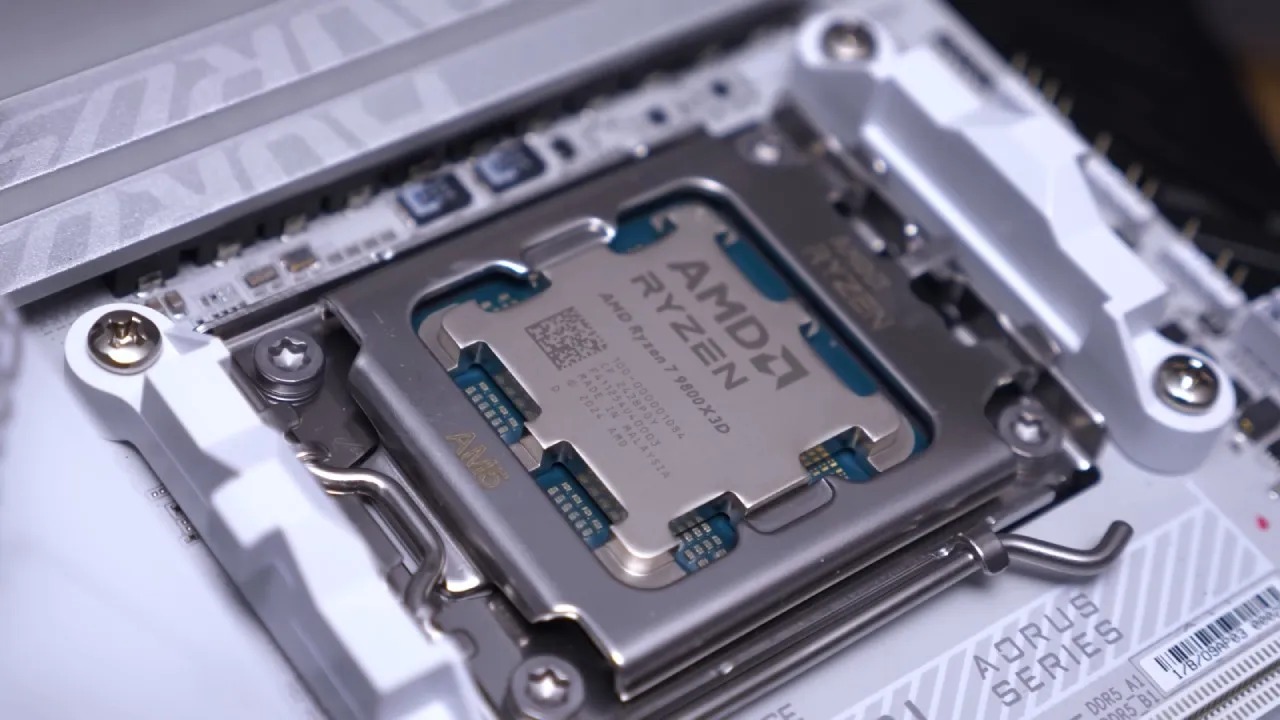
Reports suggest AMD is developing two new Ryzen 9000-series desktop CPUs with 3D V-Cache technology: an 8-core variant with 96MB of cache and a 16-core flagship model featuring a massive 192MB of L3 cache.
The flagship, dubbed by enthusiasts the 9970X3D, is expected to feature a 200W TDP and introduce dual X3D caches across both CCDs or core clusters—something gamers and professionals have been requesting since the release of the 7950 and 9950X3D.
AMD would get rid of the communication constraint that often slows down current-generation X3D chips by adding the 3D V-Cache design to both CCDs. This change could not only provide you greater frame rates, but it could also make the gameplay smoother and more consistent, especially in CPU-bound games or games that are sensitive to cache latency.
What to Expect in Real-World Gaming
The 9950 X3D is already at the top of the charts for gaming performance. But sometimes it doesn't meet expectations when a game accidentally schedules tasks to the non-cached CCD. That limit would go away with a dual X3D cache. The whole cache advantage would help any game thread, no matter which CCD it uses. This would make frame pacing more stable and 1% lows better.
In real life, this may mean that the 9950 X3D goes from about 216 fps to about 240 to 250 fps when the CPU is the limiting factor. Even more crucial, the constancy of frame time would get a lot better, making gaming feel smoother in a lot of different games. For competitive players running games like CS2, Valorant, or Fortnite at 1080p, that kind of consistency could make a real difference.
Multi-Core and Productivity Gains
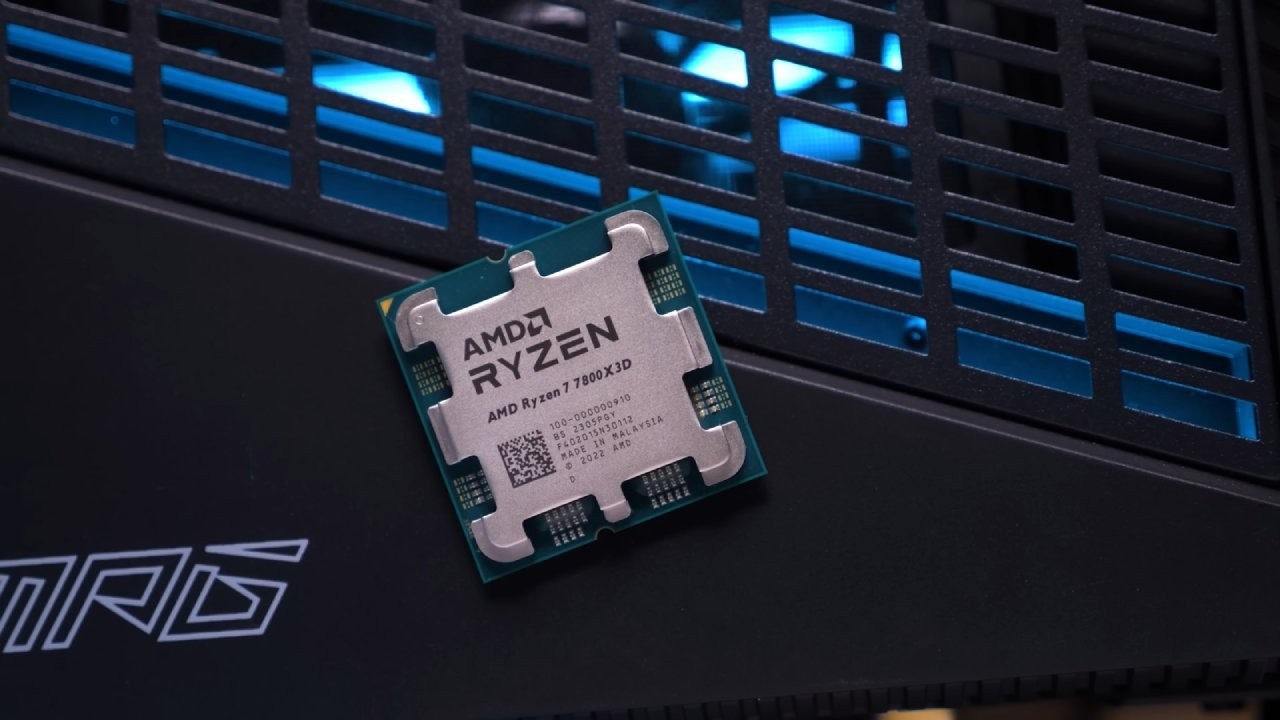
We can also expect serious improvements outside gaming. With both CCDs now leveraging 3D cache, multi-core rendering, encoding, and simulation tasks could see measurable gains. AI and machine learning workloads that rely heavily on large, low-latency caches would also scale more efficiently.
This makes the 9970X3D not only a powerhouse for gamers but also a legitimate tool for creators and professionals seeking top-tier performance without moving into workstation-class CPUs.
Why AMD Could Be Making This Move Now
AMD's timing for such a release makes sense. The company faces increasing pressure from Intel's upcoming Arrow Lake architecture, and the competition in the AI space is intensifying. Many AI-driven applications—ranging from generative design to local inference—benefit directly from increased cache sizes.
AMD may be marketing this chip to be the best in both gaming and productivity at the same time, especially since the community wants a dual X3D variant.
The 9970X3D should cost $50 to $100 more than the 9950X3D because it is more complicated and has greater potential for better performance. If it lands in the $749- $799 range, it could easily become the new benchmark for high-end consumer CPUs.
More Affordable 8-Core X3D on the Horizon
Alongside the flagship model, leaks also point toward a new 8-core chip—likely to be named the Ryzen 7 9700X3D. If it arrives at a lower price point while maintaining strong gaming performance, it could replace the 7800X3D as the best-value gaming CPU in AMD's lineup. This could be a very enticing choice for people who don't need 16 cores but still want top performance per watt.
Potential Challenges and Expectations
Adding 3D cache to both CCDs, of course, makes it harder to make and keeps them cool. Adding more silicon to the stack makes the heat density higher, which means AMD has to use accurate binning and maybe even improved packaging materials to keep the thermal efficiency.
The 200W TDP that was mentioned shows that AMD has already made changes to find a balance between performance and cooling needs. To get the most out of this CPU, fans may want to match it with a strong liquid cooling system.
Final Thoughts
If AMD really does release the Ryzen 9 9970X3D with twin 3D V-Cache, it might change the way desktop CPUs are designed and how well they work. For a long time, the major problem with high-core-count CPUs has been finding the right balance between gaming and work. This chip could eventually close that gap by providing both great single-threaded responsiveness and the best multi-core throughput in the business.
We might be looking at a processor that can handle 4K gaming with a high refresh rate while still performing demanding activities like real-time video encoding, 3D rendering, or AI model training without any apparent slowdowns or heat constraints.
With the dual X3D cache setup, both core clusters would be able to access huge amounts of data very quickly. This would make frame rates more stable, as well as lower latency and make the whole system more responsive.
If the rumors are true and the 9970X3D stays competitively priced, this CPU could change what people think a high-end processor should be able to do. It could also set a new standard for how well CPUs can manage hybrid workloads, which means they can meet the needs of gamers, multimedia creators, and professionals that want everything from their system without having to give up anything.
Also, check our other AMD articles:
- AMD Ryzen 9 9950X3D Review: Setting The Standard For 2025 Gaming CPU
- AMD Ryzen 7 9800X3D Review: 3D V-Cache Goes God Mode with Stunning Gaming Performance
- AMD RX 9070 Performance Review: Thermals, Clocks, and Real-World FPS
- AMD Ryzen 5 7600 Review: Best Budget Gaming CPU of 2025?
- AMD Radeon RX 7800 XT Review: RDNA 3 Power For Midrange Gaming
- Sapphire NITRO+ AMD Radeon RX 9070 XT Review: The Ultimate 4K Gaming GPU
- AMD Ryzen 7 7800X3D: Delivers Gaming Performance Far Beyond Expectations
- AMD Ryzen 9 7900X Review: Powering the AM5 Era with DDR5 & PCIe 5.0
- ASRock Radeon RX 7800 XT Challenger OC Review: Best Price-to-Performance GPU of 2025
- Intel Core i9‑14900K vs. AMD Ryzen 7 7800X3D: Power Profiles & Gaming Benchmarks
Editor, NoobFeed
Gaming Hardware Updates
No Data.