
AMD and Xbox Unveil FSR Redstone for Next-Gen Ray Tracing on Xbox Magnus
AMD and Xbox collaborate on machine learning ray tracing technology designed to deliver more realistic lighting on next-generation consoles
Hardware by Tanvir Kabbo on Dec 13, 2025
One of the most convincing game graphics methods is realistic lighting, and Xbox has partnered with AMD to boost the realism and lifelike quality of ray tracing on the next-generation console. Ray traced lighting and reflections have mostly been reserved for high-end gaming PCs with two to three times more rendering power than consoles like the PS5 and Xbox Series X.
Outside of a few cross-generation games that can enjoy high frame rates and ray traced lighting, brand new games this generation have not been able to offer both due to the heavy processing demand of high pixel counts, advanced complex geometry, and detailed textures.
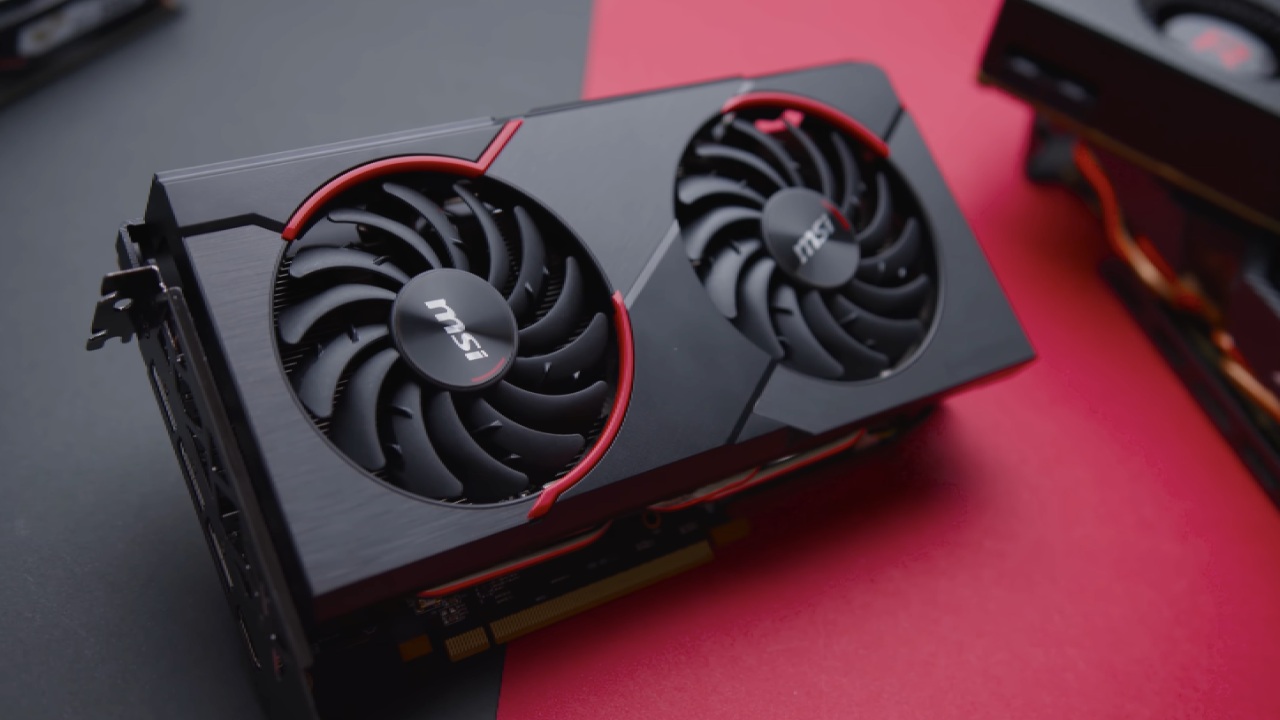
Limitations of Ray Tracing on Current Consoles
Put simply, the performance budget for real-time rendering has made it difficult for consoles to deliver 60 fps while supporting full real-time ray tracing. Many modern titles must choose between either high visual fidelity or smoother performance.
AMD has been working closely with platform holders to implement machine learning software that boosts frame rates and improves overall performance, so games can look better and finally feel like a true next-generation leap.
FSR Redstone: AMD's New Leap Beyond Traditional Ray Tracing
But one major piece has been missing—path-traced ray tracing. AMD is taking the next step with Xbox by partnering for the upcoming next-generation Xbox console, Xbox Magnus, moving beyond FSR 4 with AMD's FSR Redstone. We get a set of new tools designed to create richer, more immersive player experiences by reducing the high cost of lighting calculations.
Modern games spend a lot of time figuring out how light bounces about in complicated scenes, how much light is absorbed, how reflections and shadows work, and how to make surroundings look convincing. FSR Redstone adds radiance caching, a neural network-based technique that runs in real time and is built into the game engine.
Instead of recalculating every ray of light, it uses AI-based prediction to determine reflections, shadows, and light absorption in real time. This dramatically improves performance on Xbox Magnus, enabling higher frame rates and higher resolutions.
Sharper Images, Better Motion, and No Resolution Loss
Currently, FSR Redstone is being tested on recent AMD GPUs with a special pipeline made just for Xbox Magnus. It's an effective technique that fixes realistic lighting without causing blur or lowering quality.
In fact, it improves picture quality by upscaling for sharper output, especially when things are moving. Using neural networks trained on low-sample frames, it reconstructs the final image as it should appear, enabling crisp reflections, clean shadows, and lifelike surfaces.
Xbox Leadership on the Future of Visual Fidelity
Xbox Head of Studios Matt Booty explains how FSR Redstone will raise the visual bar for the upcoming console. He talks about the long-term cooperation with AMD, which includes planning ambitious hardware and working together to achieve the best performance on key titles.
Real-time ray tracing has always promised high-quality, movie-like reflections. Still, the cost of running it has made it hard to use consistently.
FSR Redstone changes that dynamic. Xbox and AMD co-developed FSR ray regeneration to materially improve real-time ray tracing. The first game to showcase this new technology is Call of Duty: Black Ops 7, with support for AMD's 9000-series GPUs arriving with the latest Redstone launch driver.
These machine learning technologies allow teams to achieve higher fidelity visuals while maintaining the high performance the franchise is known for. Their ongoing work with AMD unlocks new possibilities for current games and future hardware.
Machine Learning Frame Generation for the Next Console Era
The new generation of machine learning frameworks uses neural networks trained on complex forms and fast-moving environments, such as high-speed racing and chaotic battlefields. This helps it look like movement glides and feels smoother.
Xbox Magnus will include a dedicated neural processing unit on the chipset die, working directly with the CPU and GPU for machine learning upscaling, performance improvements, and ray tracing acceleration. Combined with FSR Redstone's predictive lighting and occlusion systems, the console is positioned to take a major generational leap.
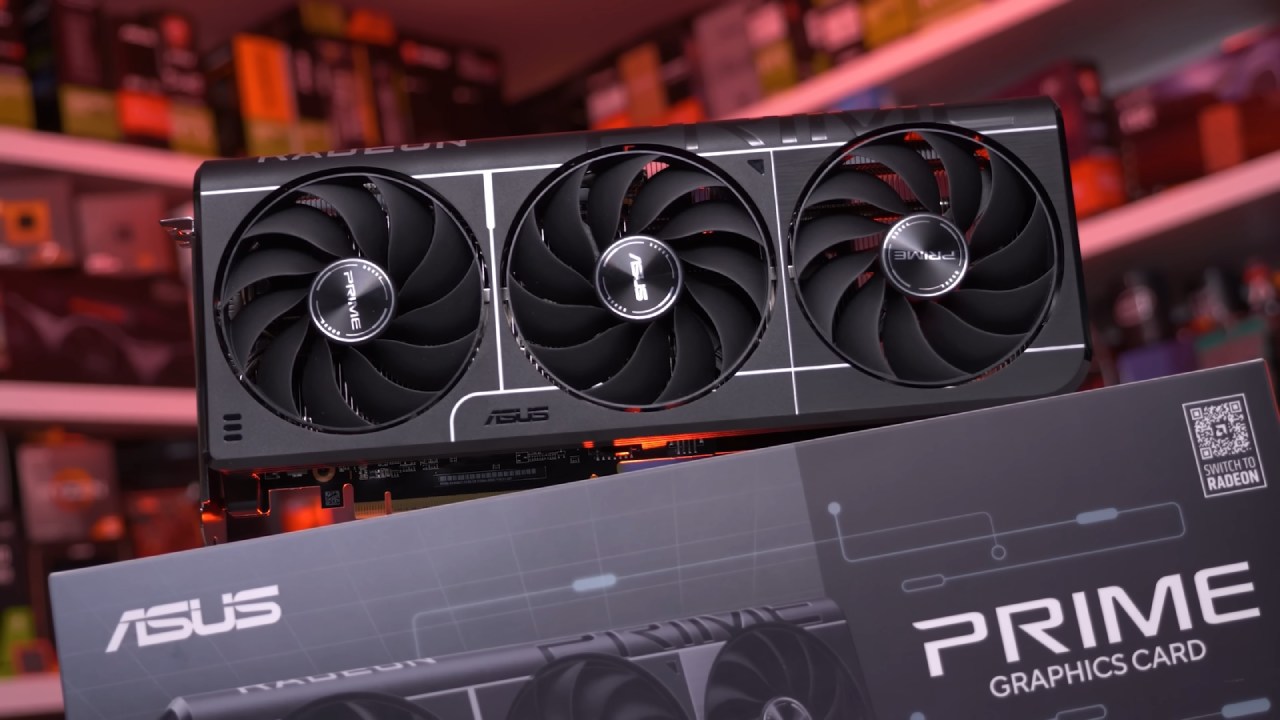
Preparing the Road to Xbox Magnus in 2026
Xbox is preparing both software and hardware upgrades as it finalizes the next-generation Magnus chip, set to be revealed in 2026. Developers are already implementing these features so their games can deliver truly next-generation experiences when Magnus launches.
Best of all, FSR Redstone is only at the beginning of its journey. Starting in 2026, it is designed to improve steadily over time as game engines adapt and machine learning models evolve, pushing next-generation visuals to levels we've never seen.
Looking Ahead at the Future of Gaming
We can clearly see the potential for a truly next-generation leap across lighting, performance, and image quality. The upcoming era seems very exciting, given all the things AMD is making and how Xbox is pushing for a huge, cutting-edge chipset to power Magnus.
Also, check our other AMD articles below:
- AMD Ryzen 9 9950X3D Review: Setting The Standard For 2025 Gaming CPU
- AMD Ryzen 7 9800X3D Review: 3D V-Cache Goes God Mode with Stunning Gaming Performance
- AMD RX 9070 Performance Review: Thermals, Clocks, and Real-World FPS
- AMD Ryzen 5 7600 Review: Best Budget Gaming CPU of 2025?
- AMD Radeon RX 7800 XT Review: RDNA 3 Power For Midrange Gaming
- Sapphire NITRO+ AMD Radeon RX 9070 XT Review: The Ultimate 4K Gaming GPU
- AMD Ryzen 7 7800X3D: Delivers Gaming Performance Far Beyond Expectations
- AMD Ryzen 9 7900X Review: Powering the AM5 Era with DDR5 & PCIe 5.0
- ASRock Radeon RX 7800 XT Challenger OC Review: Best Price-to-Performance GPU of 2025
- Intel Core i9‑14900K vs. AMD Ryzen 7 7800X3D: Power Profiles & Gaming Benchmarks
Senior Editor, NoobFeed
Gaming Hardware Updates
No Data.