
AMD Zen 7 “Grimlock” Architecture Promises Next-Level Efficiency and Performance
AMD prepares to redefine processor efficiency and scalability with its upcoming Zen 7 “Grimlock” architecture built for next-generation platforms.
Hardware by Tanisha Aria on Nov 10, 2025
AMD's next CPU architecture, called "Grimlock," appears to be a significant improvement over the current ones. Early reports indicate that it will serve as the basis for several product lines on both desktop and mobile platforms.
It is expected to be released sometime in 2028. Zen 7 should be significantly more efficient, feature a better architecture, and scale more easily than Zen 6. This will be a significant step forward for AMD's future aspirations.
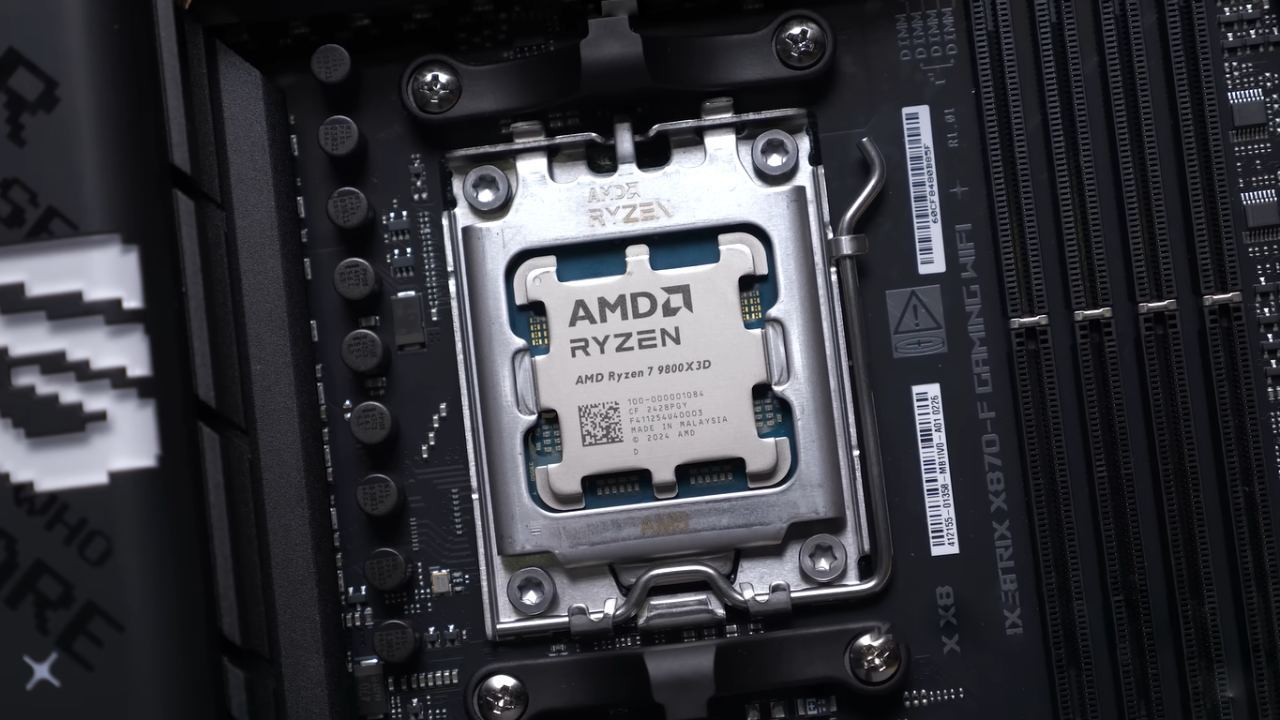
Design and Technical Direction
Based on what we've learned, Zen 7 is still all about maximizing performance per watt and making it easy to run multiple threads simultaneously. The architecture enhances the core interconnects, scheduling on the front end, and the memory controller, making them more efficient.
We do not yet know the exact specifications. Still, the generational uplift is more due to improvements in microarchitecture than simply reducing the node size. People say that AMD's engineers spend a lot of time and energy making sure that data flows smoothly and latency is low between cores. This enables performance to scale evenly across both desktop and server workloads.
Changes to the platform and its compatibility
People think that Zen 7 will come out on a brand-new platform, just like the last few generations. We expect new chipsets and sockets that will support faster DDR6 memory and PCIe 6.0. This will ensure that next-gen GPUs and storage solutions can communicate with each other efficiently.
When AM5 transitions to this new platform, it will likely mark the end of its life cycle. Many generations of Zen have already used AM5. AMD's goal is to maintain a balanced ecosystem for both professionals and enthusiasts, while ensuring smooth performance scaling.
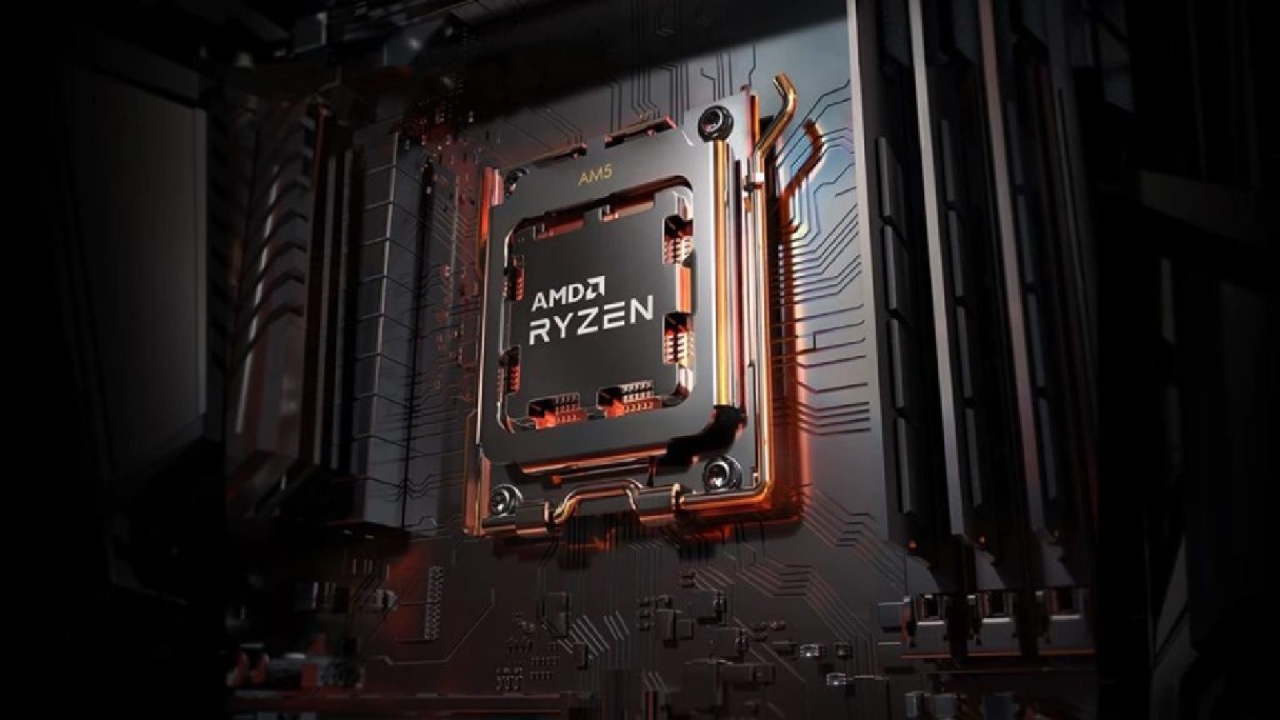
Performance and efficiency
Although it's still early in the information cycle, IPC is expected to be much better than it was in Zen 6. One advantage of Zen 7 might be that it performs better. There is an assumption that AMD may improve multi-core performance without significantly increasing power consumption.
It aligns with the company's overall strategy to strike a balance between enhancing design functionality and reducing energy consumption. Early reports suggest that the clock may become more stable and the boost may last longer across a range of tasks, particularly in high-performance desktop setups.
Improvements to the architecture and Future ability
The design of Zen 7 is likely to focus on modular scalability, enabling AMD to utilize the same core technology across various devices. The design appears flexible, as it can accommodate both high-end desktop CPUs and mobile APUs.
It appears that AMD's developers are committed to achieving both high core density and effective cache utilization. This will make games, content creation, and business apps run faster. Better AI acceleration and the possible addition of next-generation NPU cores may also be part of Zen 7's long-term plan.
Market Positioning and the Future of Competition
Zen 7 "Grimlock" could be one of AMD's most competitive designs to date, given the company's history of frequently releasing new designs in the past. By 2028, the PC market is expected to be significantly impacted by AI-accelerated workloads, new memory technologies, and a growing emphasis on energy efficiency.
AMD is moving towards hybrid computing and better chiplet designs, which makes Zen 7 a very important part of that world. AMD will keep competing with Intel and other companies by making platforms that can last a long time, are flexible, and offer good price-to-performance ratios.
Looking Forward
The release date for Zen 7 is approaching, so we can expect to learn more about its key features, development process, and how AMD plans to enhance its performance.
There are suggestions that Zen 7 "Grimlock" could change how AMD thinks about computers for both homes and businesses. In the future, this could facilitate a smoother transition from traditional x86-based performance to computing systems that utilize AI.
For now, everything suggests a design that prioritizes the future, focusing on performance efficiency and technical balance. This will help AMD stay ahead in the constantly evolving CPU market.
Also, check our other AMD articles:
- AMD Ryzen 9 9950X3D Review: Setting The Standard For 2025 Gaming CPU
- AMD Ryzen 7 9800X3D Review: 3D V-Cache Goes God Mode with Stunning Gaming Performance
- AMD RX 9070 Performance Review: Thermals, Clocks, and Real-World FPS
- AMD Ryzen 5 7600 Review: Best Budget Gaming CPU of 2025?
- AMD Radeon RX 7800 XT Review: RDNA 3 Power For Midrange Gaming
- Sapphire NITRO+ AMD Radeon RX 9070 XT Review: The Ultimate 4K Gaming GPU
- AMD Ryzen 7 7800X3D: Delivers Gaming Performance Far Beyond Expectations
- AMD Ryzen 9 7900X Review: Powering the AM5 Era with DDR5 & PCIe 5.0
- ASRock Radeon RX 7800 XT Challenger OC Review: Best Price-to-Performance GPU of 2025
- Intel Core i9‑14900K vs. AMD Ryzen 7 7800X3D: Power Profiles & Gaming Benchmarks
Contributor, NoobFeed
Gaming Hardware Updates
No Data.