
AMD Zen6 and Intel Nova Lake S—Architecture Changes, Core Scaling, and Performance Outlook
A close look at the big changes in architecture that will affect the next generation of desktop and laptop CPUs
Hardware by Tasnim Yoshi on Dec 24, 2025
AMD's Zen 6 processors are among the largest design changes the company has made in a long time. These changes aren't just tiny tweaks; they're a total redesign that alters the process technology, the number of cores, the cache structure, and how latency and scheduling work.
Zen 6 is expected to deliver much higher clock speeds and significantly better efficiency with the switch to 2nm manufacturing. This will lay the stage for a big jump in total performance.
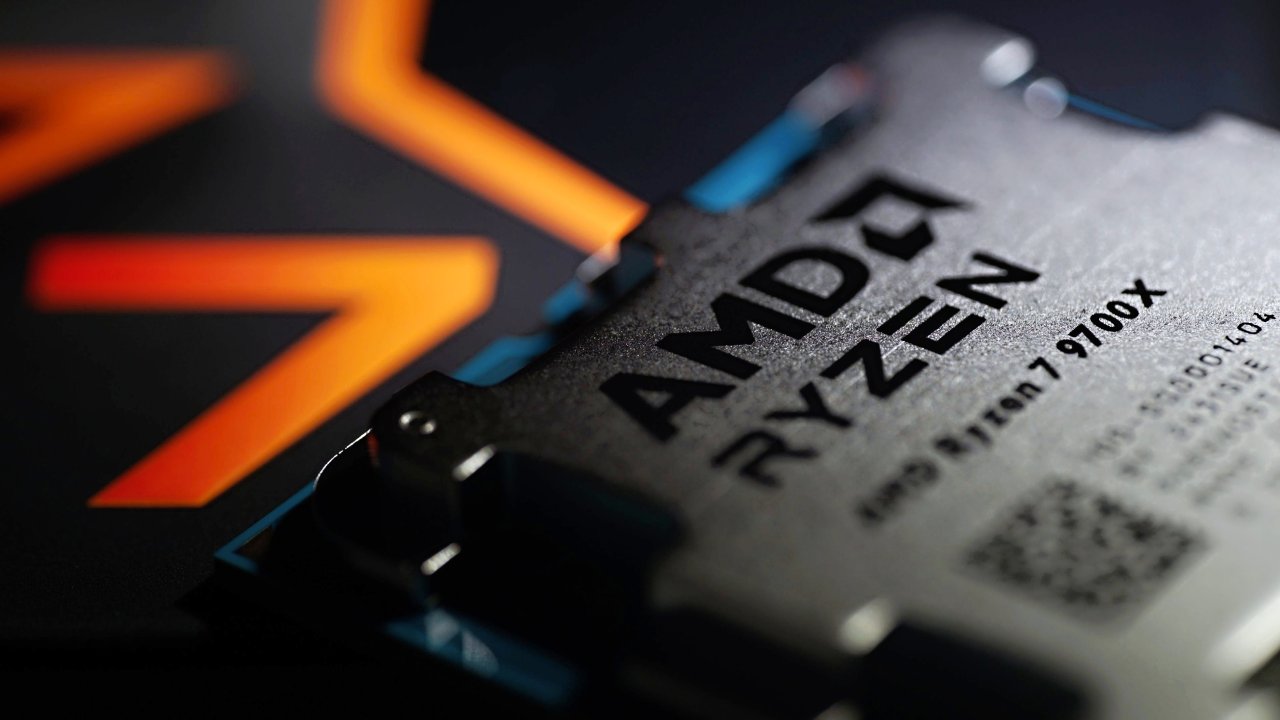
Higher Core Counts and Expanded Cache
The biggest change with Zen 6 is the increase in core count. The long-standing 16-core limit for desktop and laptop CPUs is scheduled to be replaced with a 24-core limit. AMD is also adding about 50% more L3 cache space to its products. This combination should cut the number of cache misses, lower the effective memory latency, and speed up both gaming and productivity tasks.
Latency Reductions and Memory Bandwidth Improvements
Zen 6 also aims to reduce latency across the entire chip. Memory access should be faster because the processor fabric will have more bandwidth. One of the long-standing problems with modern CPUs is that they can often do more raw computing than they can send data from memory.
These enhancements try to fix that. While cache and connectivity enhancements help, main memory access will remain a significant performance bottleneck.
Scheduler and Integer Unit Redesign
The redesign of the scheduler and integer units is a modification that isn't as evident but is quite important. This may seem like a small change on the inside. Still, it has a big impact on how workloads are distributed across execution units. Schedulers decide how to send instructions to ALUs, the parts that actually do the math. AMD added a centralized integer scheduler in Zen5, and Zen 6 seems to build on this idea.
Leaks are indicating a setup with 6 ALUs and their corresponding AGUs, suggesting the company is intentionally trying to improve instruction throughput and power efficiency. AMD seems confident that the Zen 6 design reduces the likelihood that distinct schedulers will occasionally cause conflicts or make specific instruction patterns less flexible.
Power Efficiency and Clock Frequency Expectations
The improvements to scheduling should also help save electricity, which is becoming increasingly crucial as CPUs add more cores and higher frequencies. These changes probably won't increase maximum clock speeds much on their own, but they should help keep sustained clocks higher under load.
People are still talking about really high frequencies, like 7GHz, but Zen 6 consumer parts are likely to be between 6.1GHz and 6.3GHz. Most individuals still can't use new cooling systems, and higher-binned silicon is probably only for data centers and professional applications.
How Workload Affects Gaming
Improvements in Zen 6 could help data centers and workloads with a lot of threads more than gaming. This is because adjustments to the scheduler and execution unit help the jobs that use the most resources.
That's so; gaming performance should still improve because of higher IPC, more cache, and reduced lag. Physics simulations, AI-driven NPC behavior, and the game's overall logic will all continue to benefit from these modifications to the architecture.
AM5 Platform and Memory Scaling
Zen 6 stays on the AM5 platform, which is good for current customers in the long run. Memory frequency scaling will be especially interesting to watch, as decreased inter-core latency and larger caches may shift the balance of performance between memory speed and other factors.
CPUs still need to access system memory even when they have a lot of cache. This is why memory management is a crucial aspect of achieving optimal performance.
Core Layout Evolution
Early core diagrams show that AMD is going back to some of its old architectural ideas, but not in the same way or directly. These improvements seem intended to strike a balance between flexibility, efficiency, and scalability while avoiding the problems that have occurred with less successful systems in the past.
Intel Nova Lake S Overview
Intel's Nova Lake S is shaping up to be the real successor to the current refresh generation. While interim refresh models focus on higher speeds and faster memory support, Nova Lake S makes more important modifications. Lower-end refresh parts may add more efficiency cores, but the main battle will be between Nova Lake S and Zen 6.
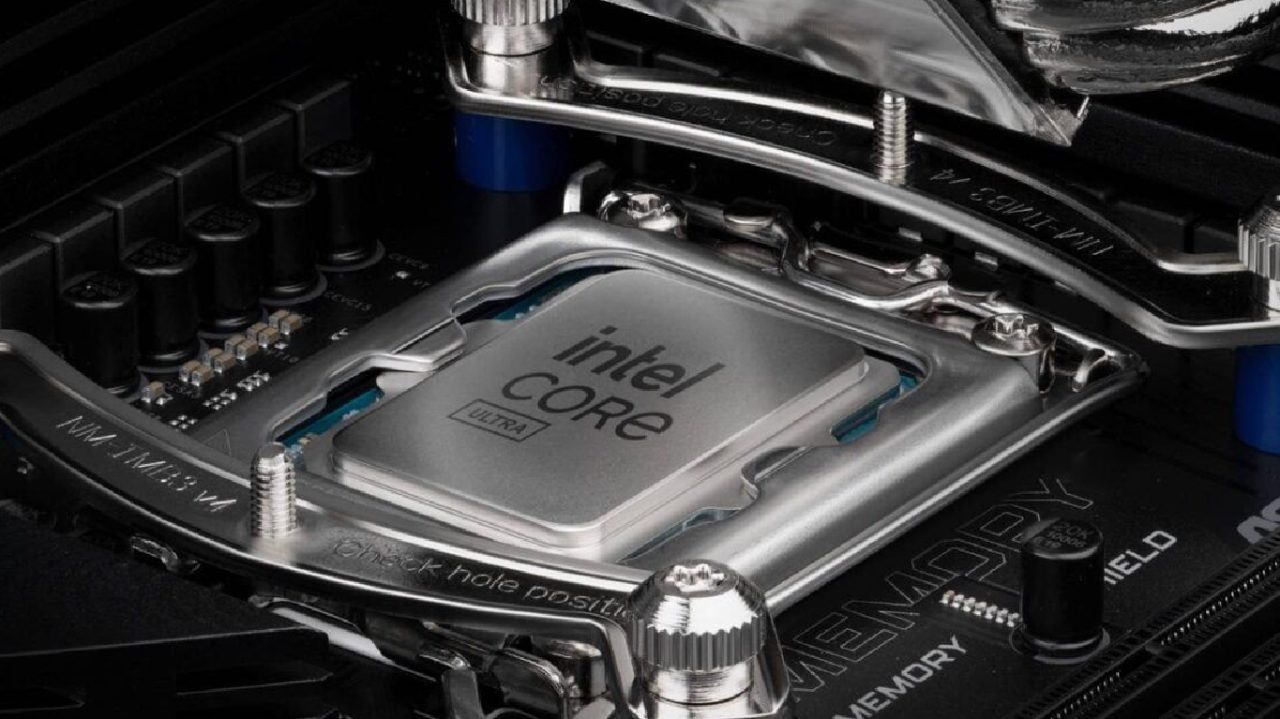
Nova Lake Core Configurations and Cache Strategy
Several leaked versions of Nova Lake S include a Big Last Level Cache. There are rumors that the top-of-the-line model will include 52 cores: 16 P cores, 32 E cores, and 4 LP cores. There are also other versions, like 14 P, 24 E, 4 LP, and models with fewer cores, like 8 P, 16 E, and 8 P, 12 E, that are more focused on gaming tasks.
Both main tiles in some Nova Lake S models are planned to include a large last-level cache. This design option is meant to improve performance in applications that depend on cache.
Pricing and Market Positioning
It seems likely that Nova Lake S CPUs will be expensive. Prices are expected to be between $1,200 and $1,500, which is higher than most high-end desktop CPUs but not quite as expensive as workstation-class prices.
These chips are between regular desktop and high-end desktop platforms. Although they have many cores, they still lack the I/O features of workstation solutions.
IO Trade-Offs and Use Case Focus
Nova Lake S processors may have multiple cores. Still, they probably won't have as many memory channels or PCIe lanes as HEDT machines. This limits the I/O bandwidth, but it makes the platform easier for clients who care more about how fast it works than how many alternatives they have for adding more. This balance can be good for content creators, developers, and sophisticated fans.
Zen 6 Versus Nova Lake Outlook
There is early agreement that Intel may be better at handling multiple threads, but AMD may still be better at handling just one thread. But it's too soon to make any clear conclusions without knowing the final clock speeds and all the details of the architecture. How well each group balances clocks, power limits, and scheduling efficiency will have a huge impact on their performance.
Conclusion
Zen 6 is going to be a significant deal for AMD, as it will offer higher IPC, faster clock speeds, more cores, and many other advancements that will make it more efficient. Nova Lake S is Intel's response, featuring designs that make heavy use of cache and scale up aggressively.
The inevitable battle between two architectures will set the stage for the next level of desktop CPU performance. Early signs point to a very competitive market once both platforms are available.
Also, check our other AMD articles below:
- AMD Ryzen 9 9950X3D Review: Setting The Standard For 2025 Gaming CPU
- AMD Ryzen 7 9800X3D Review: 3D V-Cache Goes God Mode with Stunning Gaming Performance
- AMD RX 9070 Performance Review: Thermals, Clocks, and Real-World FPS
- AMD Ryzen 5 7600 Review: Best Budget Gaming CPU of 2025?
- AMD Radeon RX 7800 XT Review: RDNA 3 Power For Midrange Gaming
- Sapphire NITRO+ AMD Radeon RX 9070 XT Review: The Ultimate 4K Gaming GPU
- AMD Ryzen 7 7800X3D: Delivers Gaming Performance Far Beyond Expectations
- AMD Ryzen 9 7900X Review: Powering the AM5 Era with DDR5 & PCIe 5.0
- Intel Core i9‑14900K vs. AMD Ryzen 7 7800X3D: Power Profiles & Gaming Benchmarks
Subscriber, NoobFeed
Gaming Hardware Updates
No Data.