
AMD Zen 6 Medusa Point Leak Shows Massive Performance at Low Clock Speeds
Zen 6 Medusa Point benchmarks reveal a hybrid 10-core design with improved cache and efficiency-focused core configuration for optimized performance.
Hardware by Tanvir Kabbo on Mar 19, 2026
Finally, AMD's Medusa Point, also known as Zen6 for consumers, has appeared in benchmark leaks. Multiple results have surfaced, and they are quite interesting, to say the least. The headline claim suggests a 10-core Zen6 CPU running at just 2GHz outperforming a 10-core Zen 5 chip clocked at 5GHz.
Alongside this, there are confirmations of cache configurations, architectural hints, and intriguing engineering sample behavior that deserve closer examination.
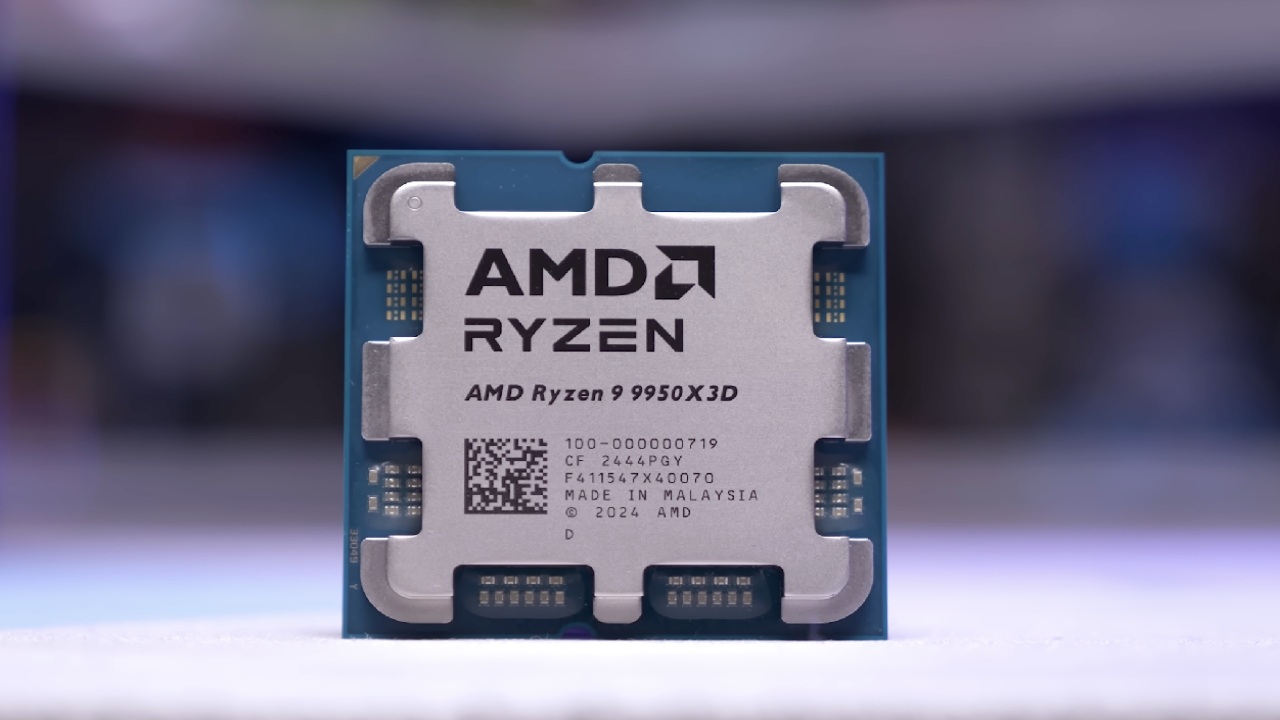
Zen 6 Medusa Point Specifications and Cache Details
Medusa Point is a Zen 6 processor featuring 10 cores and 20 threads in a 4+6 configuration. That means four performance cores and six efficiency cores, based on current interpretations. The base frequency is 2.4 GHz, but the maximum frequency seems to be approximately 2 GHz, which is strange right away.
We can also see specific cache information, such as L1 instruction and data caches, a 1MB L2 cache, and an unexpectedly enormous 32MB L3 cache, which is bigger than what many people thought.
There is also support for AVX512 FP16 instructions, which are typically more relevant for data center workloads. However, their presence here hints at AMD's broader architectural direction, especially with Zen 6 and Zen 6C introducing new AI-focused capabilities and instruction sets.
Benchmark Results and Suspicious Readings
The benchmark results reveal that the single-core score is about 2300 and that the multi-core performance is quite good. But the numbers look like they were rounded off. We also see anomalies when we compare them to other known findings. For example, Zen 5 processors score about 2500 single-core and 14000 multi-core in similar situations.
Looking deeper, we find multiple engineering samples with varying scores, such as 1200 single-core and 7300 multi-core, and another with 2268 single-core and approximately 12800 multi-core. These variations suggest instability or misreporting rather than finalized silicon performance.
Cluster Detection and Engineering Sample Behavior
One of the most interesting anomalies is the cluster detection. In some results, only one cluster appears, even though the CPU is clearly a hybrid design. In other cases, both clusters are correctly identified. This inconsistency strongly suggests that the chip is an early engineering sample.
We can reasonably assume that certain software tools, whether BIOS, CPU detection utilities, or even user configurations, are not correctly recognizing the architecture. Engineering samples often behave unpredictably, and this seems to be one of those cases.
Performance Expectations and IPC Improvements
Assuming the leak is genuine, the performance implications are significant. We believe the reported clock speeds are likely incorrect, and the actual frequencies are higher. Additionally, Geekbench heavily utilizes specific CPU instructions, which Zen 6 may handle far more efficiently.
From our perspective, desktop Zen 6 chips could reach around 6GHz or slightly above in lightly threaded workloads. However, AMD will likely reserve the highest quality silicon for data center products. As a result, consumer chips may remain below 6 GHz under normal conditions.
We expect IPC improvements of around 15%, combined with additional cores. In highly multi-threaded workloads, this could translate into 30%-50% performance gains over Zen5 in certain scenarios.
Zen 5 Refresh Rumors
There are also reports of a Zen5 refresh, including models like the 9750X and 9650X. These appear to be minor updates with slightly higher clock speeds rather than significant architectural changes. The situation is similar to previous refresh cycles, where performance gains are modest, and power consumption may increase slightly.
There is still no clear information on a potential dual-V-Cache variant, such as a 9950X3D successor. The roadmap remains uncertain, and even industry insiders seem unclear about AMD's plans in this area.
Additionally, rumors suggest that next-generation Ryzen processors may be delayed to Q1 instead of the initially expected Q4 launch window.
.jpg)
Pre-Compiled Shaders and Gaming Performance
A major development comes from shader technology, particularly pre-compiled shaders. Anyone who has launched modern games knows the frustration of shader compilation during startup or gameplay. This process is triggered by driver updates, game patches, and other changes, often leading to long load times.
Pre-compiled shaders aim to solve this by allowing users to download shader caches in advance. This significantly reduces loading times and improves the overall experience. Early implementations show impressive results, with some games loading up to 20x faster, and in certain cases even reaching 37x improvements.
We can enable this feature through graphics software settings, where the system downloads and manages shader caches automatically. Currently, around a dozen games support this feature, including titles like God of War Ragnarok, Cyberpunk 2077, Hogwarts Legacy, and Starfield.
Future Outlook
This technology is expected to become standard across GPU vendors, including AMD and Nvidia. As adoption increases, it could eliminate many of the shader-related issues that have plagued modern game engines, especially those built on Unreal Engine 5.
Overall, the Zen6 leaks, Zen5 refresh rumors, and advancements in shader technology paint a picture of a rapidly evolving hardware landscape. While engineering samples leave room for uncertainty, the direction of performance gains and user experience improvements is becoming increasingly clear.
Also, check our other hardware articles:
- AMD Ryzen 9 9950X3D Review: Setting The Standard For 2025 Gaming CPU
- Amazon Luna 2025 Review: Is Prime Gaming's Cloud Service Your Go-To For Casual Fun?
- AMD RX 9070 XT Review: AMD's RDNA 4 Champion for 1440p Gaming
- GeForce Now Ultimate: Ditching Your Gaming PC For Cloud RTX 4080 Power?
- NVIDIA GeForce RTX 5080 Review (2025): Still A 4K Gaming Powerhouse?
- Intel Core Ultra 9 285K Review And Performance Breakdown (2025)
- AMD Ryzen 7 9800X3D Review: 3D V-Cache Goes God Mode with Stunning Gaming Performance
- Intel Core Ultra 9 285K vs AMD Ryzen 7 9800X3D: In-Depth Gaming Performance and Benchmark Comparison
- NVIDIA GeForce RTX 5080 Super Performance In Cyberpunk 2077: Path Tracing & DLSS 4.0 Tested
- AMD Radeon RX 9070 XT In Cyberpunk 2077: Ray Tracing & FSR 4.0 Tested
- Intel Arc B580 Review: The $250 GPU Revolutionizing 1440p Gaming
- Intel Arc B570 Vs. B580: Value, Specs, And Real-World Gaming Performance
- RTX 5090 Laptop Vs. M4 Max MacBook Pro: Ultimate Raw Performance Vs. Battery Endurance
- Intel Arc b580 Vs. RTX 4060: Game Performance And Value Analysis
- RTX5090 Hell Is Us Demo 4K Ultra Benchmark: DLSS Vs. Native Performance Guide
- NVIDIA RTX 5070 Review: Mid-Range Muscle or Marketing Hype?
- Nintendo Switch 2 Review: Handheld Performance, Features & Value Breakdown
- RTX 5070 Ti Review: Performance, Thermals & Power Efficiency Tested
- Samsung Odyssey OLED G81SF Review 2025: Ultimate 32-Inch QD-OLED Gaming Monitor
- AMD RX 9070 Performance Review: Thermals, Clocks, and Real-World FPS
- AMD Ryzen 5 7600 Review: Best Budget Gaming CPU of 2025?
- AMD Radeon RX 7800 XT Review: RDNA 3 Power For Midrange Gaming
- Asus ROG RTX 5090 Astral OC Vs. Founders Edition: The 4K Gaming Benchmark
Senior Editor, NoobFeed
Gaming Hardware Updates
No Data.