
AMD Confirms Zen 6 Support on AM5 and AMD’s Return to ARM
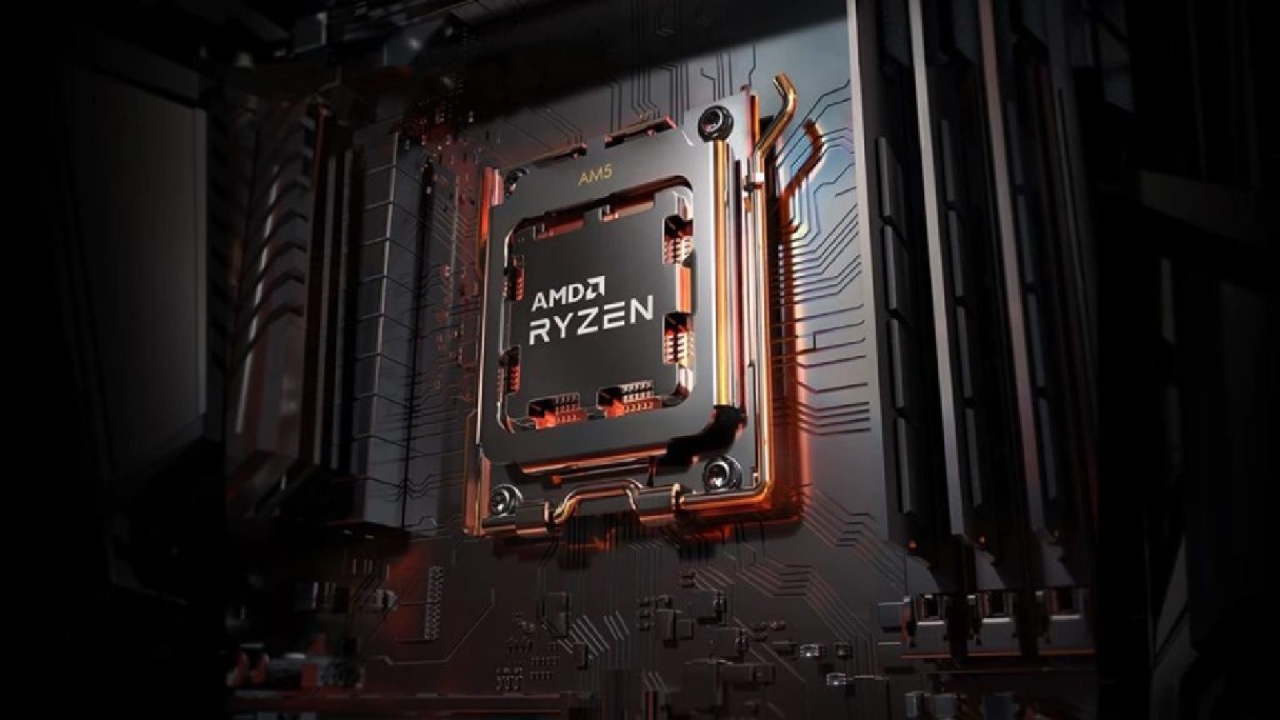
AMD confirms Zen 6 compatibility across AM5 motherboards, maintaining strong support for existing platforms and long-term upgrades.
Hardware by Tanvir Kabbo on Oct 20, 2025
Microsoft is once again making news with big improvements that are getting a lot of different reactions in the computer industry. Users are seeing new AI-powered capabilities in Windows 11 that make them both excited and worried since Windows 10 support has officially ended.
At the same time, global memory shortages are emerging due to the booming demand for AI infrastructure, while AMD is making bold moves with its upcoming Zen 6 platform and an unexpected return to ARM-based processors.
Microsoft Pushes AI Integration Deeper into Windows
Support for Windows 10 has officially ended, marking the end of an era for what was once declared the "last version of Windows." In its place, Microsoft continues to push deeper into AI integration with new Windows 11 updates.
Among the added features are "Hey Copilot" for voice activation, "Copilot Vision" that uses your screen for context, and "Copilot Actions," which allows performing local tasks like flipping images or organizing files.
While some of these tools sound genuinely helpful, the privacy concerns are hard to ignore. Microsoft claims its vision is to make every Windows 11 PC an "AI PC.” It describes this conversational input shift as transformative—comparable to the introduction of the mouse and keyboard.
We appreciate AI and use tools like ChatGPT regularly, but it's hard not to feel that these updates are solutions in search of problems. Instead of identifying real user needs, companies seem determined to wedge AI into every product just to justify massive R&D investments.
AI Demand Driving Memory and Storage Shortages
Massive investments in AI infrastructure are starting to affect global hardware availability. According to the chairman of memory specialist ADATA, supplies of all major memory and storage types—DRAM, NAND, and HDD—are now facing shortages. It's reportedly the first time in 30 years that this has happened simultaneously.
The reason is clear: AI. Companies like OpenAI have signed enormous deals, including one with Samsung and SK Hynix for around 900,000 DRAM wafers per month. That alone represents about 40% of global DRAM output. Such demand inevitably pushes prices higher.
However, there's growing speculation that some of this demand may be artificial. Nvidia is now one of the biggest firms in the world. It puts a lot of money into AI startups, which then buy Nvidia gear, putting money back into Nvidia's ecosystem. This is probably not intentional manipulation, but it does make the market act like a bubble by making prices go up.
OpenAI, for example, has committed to spending over $1 trillion in the next decade despite being valued at $500 billion and only projected to make $12.7 billion in annual revenue. Unless we reach true artificial general intelligence soon, sustaining that level of investment seems unrealistic.
We can only hope the surge in hardware prices doesn't last long.
.jpg)
AMD Confirms Zen 6 Compatibility
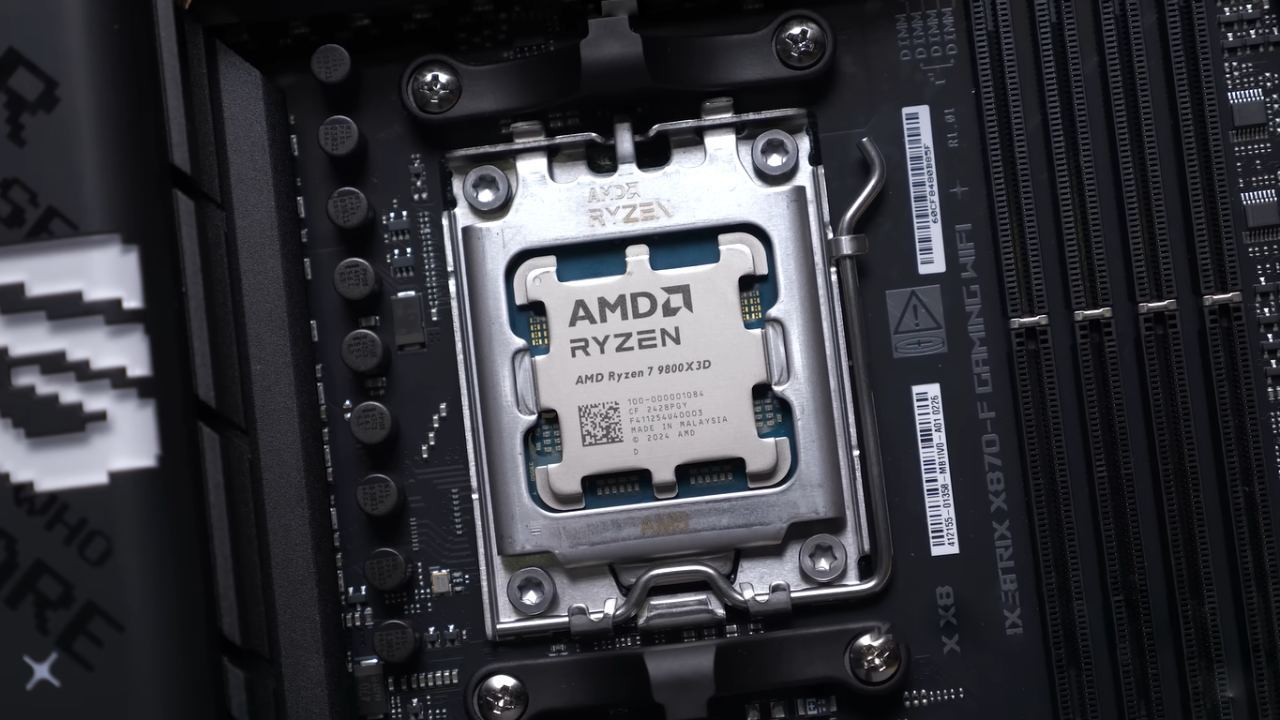
AMD has also made news by saying that its new Zen 6 desktop CPUs would work with the AM5 platform. Leaks showed that B850M motherboards still work with Zen 6, which is good news. Some fans were worried that Zen 6 would need a 64MB chip. Still, reliable sources clarified that both 32MB and 64MB variants of 600–800 series AM5 boards will support the new CPUs.
Even better, it looks like AMD is dedicated to keeping backward compatibility. When Zen 3 came out, older 300- and 400-series boards stopped working with it. This meant that customers had to upgrade their BIOS to make sure their CPUs still worked with it. This problem shouldn't happen again with Zen 6, which is good news for AMD's reputation for good long-term product support.
Intel's new Nova Lake architecture, on the other hand, will need a new socket, just like Arrow Lake did. Intel boards usually only support two generations, so AMD's continuing socket compatibility is a big victory for customers.
AMD Reenters the ARM Processor Market
After more than a decade, AMD is making a surprising return to ARM-based processors. A shipping manifest recently revealed an ARM-powered APU codenamed "Soundwave," housed in a BGA-1074 package measuring 32x27mm and using the FF5 socket.
This chip targets embedded systems with a 10W TDP and features two performance cores and four efficiency cores. While not designed to rival Qualcomm's Snapdragon Elite chips, it could find its place in lightweight devices, possibly including a future Microsoft Surface laptop.
Interestingly, AMD recently stated that ARM offers no advantage over x86, even in terms of energy efficiency. Yet the company's decision to pursue an ARM chip suggests a broader strategy to ensure coverage across all market segments.
ARM is popular in servers and low-power systems, so AMD's move could help expand its footprint in these specialized markets.
Final Thoughts
The tech sector is changing faster than ever. Microsoft is putting AI deeper into Windows, AI demand is causing global hardware shortages, and AMD is getting ready to launch new platforms and ARM projects.
We can appreciate the innovation, but we also see the growing risk of overextension—companies chasing hype instead of solving real problems.
For now, we'll stay hopeful that AMD continues its strong product support, Microsoft finds a balance between innovation and privacy, and the AI-driven hardware rush stabilizes before prices spiral out of control.
Also, check our other AMD articles:
- AMD Ryzen 9 9950X3D Review: Setting The Standard For 2025 Gaming CPU
- AMD Ryzen 7 9800X3D Review: 3D V-Cache Goes God Mode with Stunning Gaming Performance
- AMD RX 9070 Performance Review: Thermals, Clocks, and Real-World FPS
- AMD Ryzen 5 7600 Review: Best Budget Gaming CPU of 2025?
- AMD Radeon RX 7800 XT Review: RDNA 3 Power For Midrange Gaming
- Sapphire NITRO+ AMD Radeon RX 9070 XT Review: The Ultimate 4K Gaming GPU
- AMD Ryzen 7 7800X3D: Delivers Gaming Performance Far Beyond Expectations
- AMD Ryzen 9 7900X Review: Powering the AM5 Era with DDR5 & PCIe 5.0
- ASRock Radeon RX 7800 XT Challenger OC Review: Best Price-to-Performance GPU of 2025
- Intel Core i9‑14900K vs. AMD Ryzen 7 7800X3D: Power Profiles & Gaming Benchmarks
Senior Editor, NoobFeed
Gaming Hardware Updates
No Data.