
ASUS XG32UCWG Review: Affordable 4K OLED Gaming at 165Hz Performance
ASUS ROG Strix XG32UCWG delivers identical 4K OLED performance to the UCWMG with a lower 165hz refresh rate.
Hardware by Masaru Hoshino on Oct 15, 2025
ASUS ROG Strix XG32UCWG is a 32-inch 4K OLED gaming monitor that shares almost every specification with its sibling, the XG32UCWMG, except for one major difference—the refresh rate. While the UCWMG runs at a blazing 240Hz, the UCWG is limited to 165Hz.
Both models feature dual mode capabilities, with the UCWG offering up to 330Hz at 1080p, compared to 480Hz on the UCWMG. The key appeal of the UCWG is its lower price tag, offering nearly identical performance and features for less.
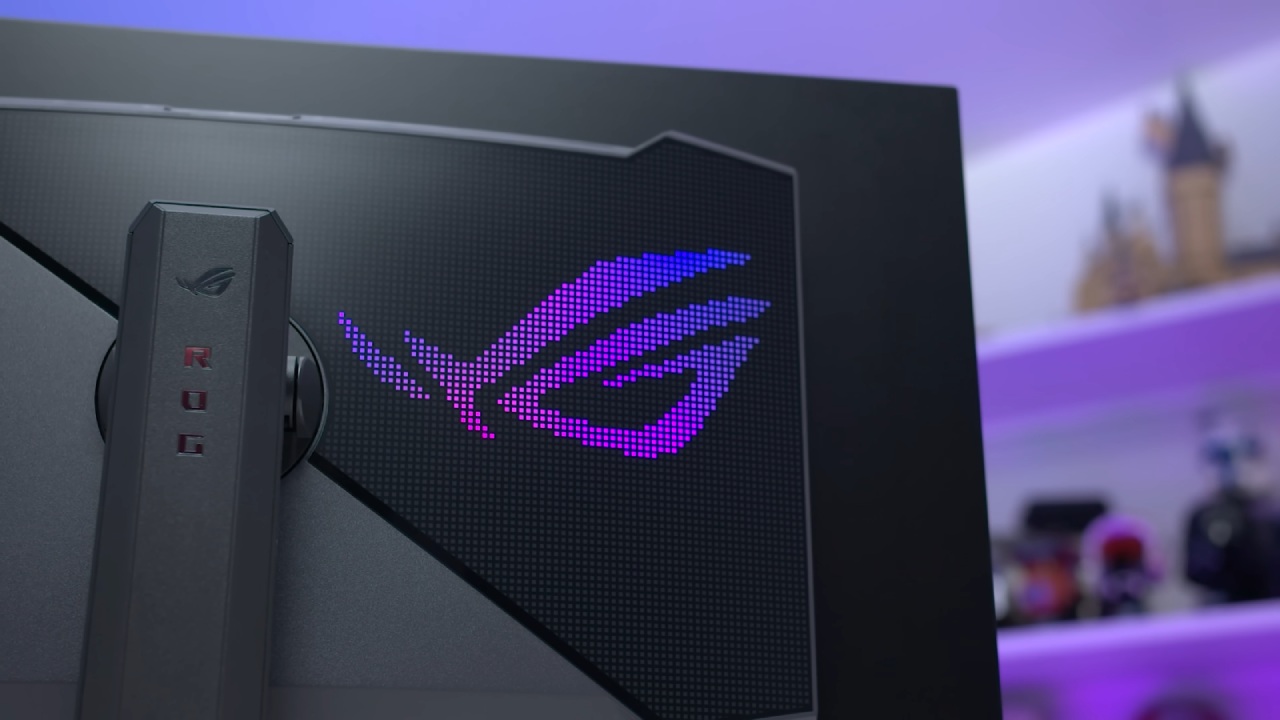
Design and Build Quality
The design of the XG32UCWG is the same as that of the more expensive UCWMG. The hardware in all models is the same, and they both have the same high-quality build. This includes the amazing W-OLED display, which has great contrast and realistic black levels.
The coating on the screen keeps the same shiny "True Black" look, which makes colors look brighter and adds depth to the picture. The NeoProximity sensor, anti-flicker mode, black frame insertion (ELMB), and built-in KVM switch are still there.
The port choices is the same as well; both monitors use DisplayPort 1.4 with DSC, which gives them full 4K bandwidth without any cuts. The UCWG doesn't compromise on design or materials, making it nearly impossible to visually distinguish from the UCWMG.
Performance and Calibration
In real-world performance, both monitors are almost indistinguishable, aside from refresh rate differences. The 165Hz UCWG variant produced a peak SDR brightness of 251nits, while the 240Hz UCWMG reached 244nits—a mere 3% difference. Color gamut coverage is equally strong, with the UCWG hitting 72.3% Rec. 2020, versus 72.4% on the 240Hz model.
The UCWG was also slightly better calibrated out of the box in SDR mode, likely due to updated firmware (MCM103 compared to MCM101 on the earlier UCWMG). In HDR mode, the UCWG performs even better thanks to firmware refinements that better balance brightness, eliminating the over-brightening issues present in the older model.
Both variants deliver nearly identical HDR performance with no panel dimming, maintaining ASUS's excellent W-OLED HDR experience.
Motion Performance and Refresh Rate
Most important difference between the two models is how well they move. Both panels have the same fast response times, however the clarity of motion gets better as the refresh rate goes up. Running at 240Hz makes motion smoother and clearer than at 165Hz, which is good for competitive gaming and games that move quickly.
But for most people, even with the best technology, it's challenging to keep frame rates above 120 frames per second when playing single-player AAA games in 4K. In many cases, the difference between 165Hz and 240Hz isn't as relevant. If two OLED monitors have the same refresh rate, like 120Hz, they will look the same when it comes to motion clarity, no matter how high their highest refresh rate is.
165Hz is more than enough for players who care about visual fidelity, extreme settings, and HDR clarity. The UCWG is the best choice for gamers that want a high refresh rate, great graphics, and low cost without giving up too much in everyday gameplay.
.jpg)
Input Latency and Frame Generation
Higher refresh rates inherently provide lower input latency. The 240Hz UCWMG feels slightly more responsive at peak performance, though both monitors have identical processing delays. Input lag differences are primarily noticeable to competitive gamers or users running frame generation technologies.
On a 165Hz monitor with frame generation enabled, the maximum achievable real frame rate is 82fps, while the 240Hz variant allows up to 120fps with improved latency and smoothness.
This added responsiveness can be worth the extra money for people who play competitive games or are fans of esports. But for most other users, the difference is still quite small.
Dual Mode and Gaming
The UCWG and UCWMG both support ASUS's dual-mode technology, which enables you switch between 4K and 1080p resolutions for gaming at very high refresh rates. This mode can go up to 330Hz on the 165Hz UCWG and 480Hz on the 240Hz UCWMG. Although the 480Hz mode provides superior motion clarity, most players won't fully utilize it unless playing at extreme frame rates.
For gamers prioritizing cinematic single-player experiences, 330Hz in dual mode is already more than enough. The UCWG caters well to players who value image quality and HDR immersion over sheer frame rate performance.
Price and Value
The ASUS ROG Strix XG32UCWG is a good offer at $800 compared to the $950 UCWMG. You save roughly 15% without losing any quality in the build or display performance. This makes it a good way to get into high-end 4K W-OLED gaming.
That said, competition in the OLED monitor space is fierce. Models with 165Hz QD-OLED screens, such the MSI MAG321UP, start at about $650–$700 and have similar specs at a lower price. The UCWG's glossy W-OLED panel has better overall image quality, but if you're only looking for value, the improvement may not be worth the extra money.
Some 240Hz QD-OLED displays, such the MSI 321UPX, are also available at similar pricing, which makes the competition much tougher.
.jpg)
Final Thoughts
The ASUS ROG Strix XG32UCWG delivers nearly identical performance to its higher-refresh sibling, the XG32UCWMG, with a lower 165Hz cap. Outside of motion clarity and refresh-based advantages, both monitors perform the same or better across every measurable area.
The UCWG is ideal for single-player gamers who want a premium 4K OLED experience with deep blacks, excellent HDR, and superb color performance, without spending extra for unused refresh-rate headroom.
If your gaming focus is primarily on immersive, story-driven titles rather than high-frame-rate competitive shooters, the UCWG offers tremendous value. It's a premium OLED display that combines elite image quality, responsive performance, and lower cost—all while retaining every major feature of the flagship variant.
Also, check our other Monitor articles:
- ASUS ROG Strix XG27AQWMG Review: 280Hz 1440p OLED Gaming Performance
- Samsung Odyssey OLED G81SF Review 2025: Ultimate 32-Inch QD-OLED Gaming Monitor
- Adaptive Sync Explained: FreeSync vs. G-Sync for Modern Gaming Monitors
- Gigabyte MO27Q2 QD OLED Review: Performance, HDR, and Gaming Experience
- ASUS ROG Swift PG27UCDM Review: Blazing Fast 240hz 4K OLED Performance
Editor, NoobFeed
Gaming Hardware Updates
No Data.