
Atari GameStation Go Review: Spinner Upgrade That Changes Everything
Upgraded hardware and software tweaks that improve control precision and smoothness across several old games make the retro gaming experience even better.
Hardware by Tanvir Kabbo on Sep 09, 2025
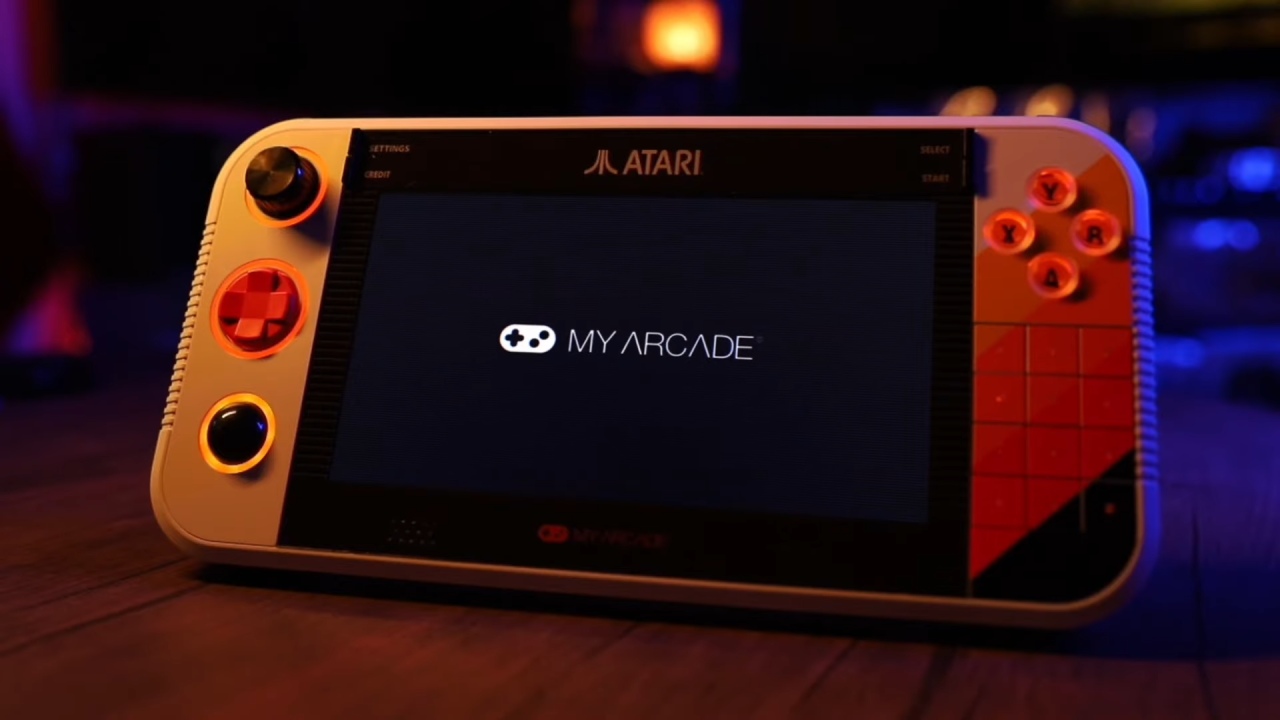
Since its first release in 2024 as the GameStation Portable, the Atari GameStation Go has been making news. We have already witnessed one design change on the show floor as we move forward into early 2025. However, the story did not stop there.
The handheld is still some months away from release, and development is underway. A newer build of the unit has surfaced, and with it comes a change that's easy to overlook but makes a huge difference in how the system plays.
Continuous Development and Early Builds
The version on hand isn't final. Both hardware and software are still being tuned before launch. The particular unit tested rolled off the line on March 19, 2025, as part of a small lot of just eight devices.
That alone shows how early we are in the process—this isn't the consumer-ready model yet, but a glimpse into where the design is headed.
From Paddle to Spinner
When the handheld first appeared, it featured a paddle-style control with physical stops. It worked, but it left many retro fans wishing for a true spinner. A paddle is fine, but for classics like Tempest, Breakout, and Warlords, a spinner is the real deal.
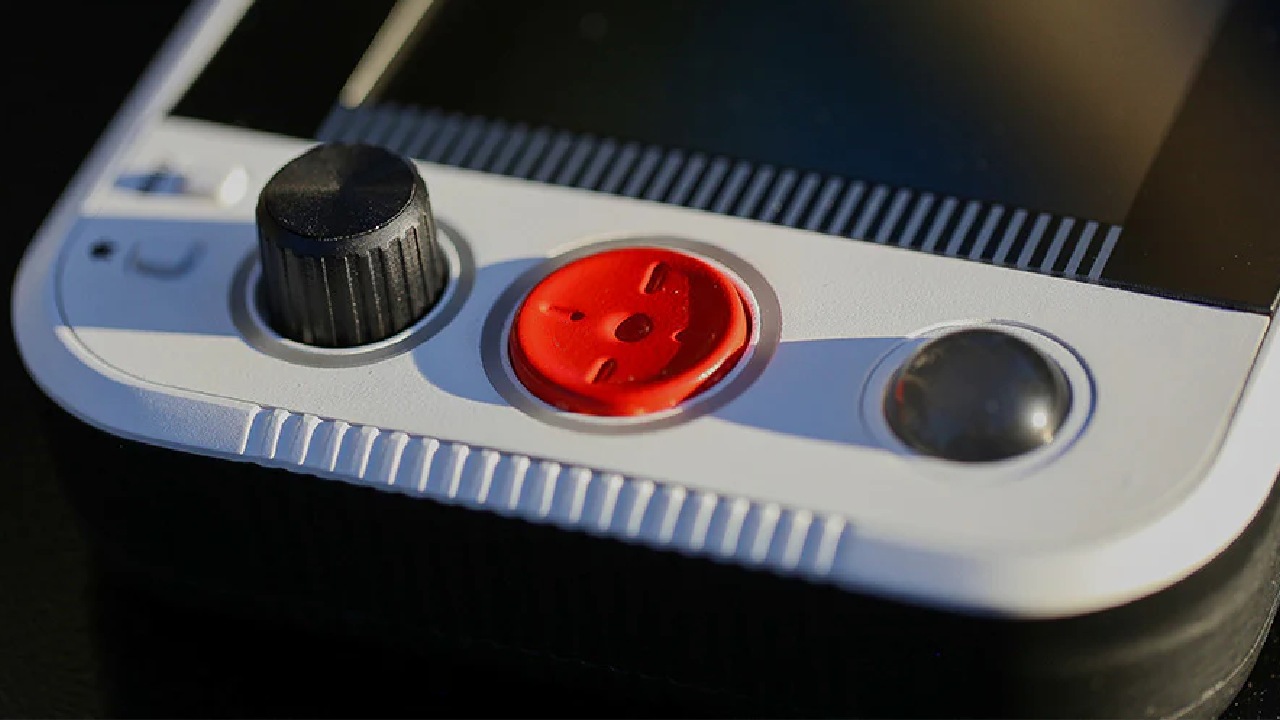
That wish has now been granted. The GameStation Go's paddle has been replaced with a full 360° spinner, smooth and without stops. My Arcade explained that the paddle had been an easy carryover from the earlier GameStation Pro, where a paddle had been added in 2023.
But after seeing consistent feedback from players and running their own playtests, they decided the handheld deserved better. A spinner delivers more precision, more responsiveness, and ultimately, a far more authentic retro experience.
Effort Behind the Change
Upgrading from a paddle to a spinner wasn't just a swap of parts—it took effort across hardware and software. On the hardware front, My Arcade found a compact, high-resolution rotary encoder that could endure quick spins while yet fitting into the handheld's small frame.
This required redesigning the PCB layout as well as adjusting the enclosure to provide a secure fit for the new mechanism.
On the software side, the system had to be taught to read rotary quadrature signals instead of the simpler variable resistance that a paddle uses. The team also fine-tuned the way the input is read so that the spinner feels natural, precise, and responsive during play.
Playing with the Spinner
Once you get hands-on, the difference is obvious. Tempest, in particular, feels dramatically better—fluid, responsive, and natural in a way a paddle just couldn't match. For paddle-based games, the software smooths things out so well that the spinner pulls double duty.
It acts like a paddle when it needs to, but also retains its full rotational control for games that demand it. Latency is low, and movement feels cleaner than older paddle setups ever did.
Future Implications for Controllers
The change also opens up bigger questions. Will add-on controllers like the arcade stick or gamepad be updated to match? Will future GameStation systems beyond the Go adopt spinners instead of paddles?
Nothing has been confirmed, but consistency across controllers seems like the natural next step. And since a spinner can emulate a paddle but not the other way around, the logic is hard to ignore.
Final Thoughts
It's easy to call this a "small tweak," but the shift from paddle to spinner is far more than that. It transforms the way certain games play and shows that My Arcade is genuinely listening to community feedback. They didn't settle for "good enough"—they put in the work to make it right, even though it meant redesigning hardware and rewriting software.
For retro fans, that commitment matters. The spinner demonstrates that the GameStation Go was created with gamers in mind and is more than just a pleasant feature. Furthermore, this modification already seems like the kind of move that will determine the system's reputation as the handheld approaches release.
Check our Other Handheld Articles :
- ASUS ROG Ally X Handheld Review: Double the Battery, Double the Comfort
- Nintendo Switch 2 Vs. Original Switch 1: A Full Comparison
- How To Connect A Camera And Join Voice Chat With Nintendo Switch 2
- Nintendo Switch 2 Review: Handheld Performance, Features & Value Breakdown
- ROG Xbox Ally X Vs. ROG Ally X: Display, Battery & Controls
- ASUS ROG Ally X vs. Steam Deck OLED: Display, Battery & Gaming Benchmarks
- MSI Claw 8 AI+ Review: Display, Controls & Gaming
- Nintendo Switch 2 vs. Steam Deck OLED: Gaming, Performance, Battery, Display and Value
- PlayStation Portal Review: Remote Play, Cloud Streaming & Travel Gaming
- PlayStation Portal vs. Lenovo Legion Go: Best Portable Gameplay
- Cyberpunk 2077 Patch 2.3 FPS Test on MSI Claw 8 AI+
Senior Editor, NoobFeed
Gaming Hardware Updates
No Data.