
Console Innovation Slowdown: Hardware Limits and Industry Challenges
Modern console gaming faces growing concerns over reduced innovation, increased risk aversion, and reliance on standardized development tools and engines.
Hardware by Tanvir Kabbo on Apr 20, 2026
There is growing criticism of the current console landscape for perceived lack of Innovation, creativity, and excitement compared to previous generations. As development costs have increased, standardized hardware and shared engines are common; it is often said that the industry has become homogenized and risk-averse. They are also casting doubts on whether consoles can provide revolutionary experiences anymore or are already in an iterative, repetitive rut.
A Change in Identity of Entertainment and Industry
Here we received some questions on how exciting or, quite on the contrary, how unexciting consoles could be at the current stage. The different kinds of entertainment currently available pose substantial challenges for capturing the masses' attention and introducing new users to the console market.
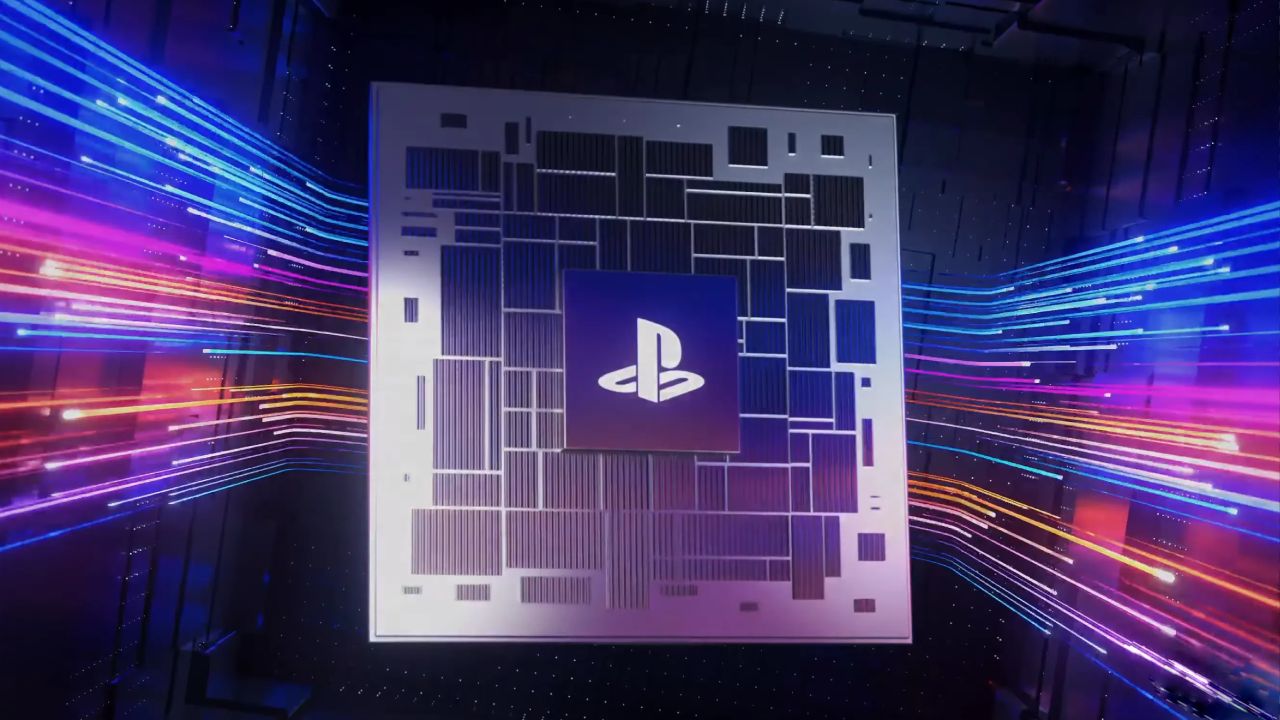
Nevertheless, one also feels that the console world is nowadays simply so boring and uninteresting that it doesn't attract people the way the golden age did.
The industry feels it has lost its cocky swagger and bravado and is not really sure what to do. Competition is next to non-existent. All the consoles are simply PCs crammed into a box with comparable specifications, so they are mostly similar. The majority of AAA games appear to be the same without taking risks, and it seems that most companies are merely treating customers as a cash cow to be milked for as much money as possible.
Creativity Then vs. Now
It also compares to past generations, where the fifth and sixth console generations offered extensive original experiences. At the time, custom-made engines were frequently necessary, and hardware constraints posed different challenges for Innovation. Most developers can now access engines such as Unreal Engine 5, which promise a lot, and many may overuse them without necessarily accounting for hardware limitations.
We believe that there is a valid point here. The variety of games definitely feels lower than in past generations, and the amount of money going into certain titles has grown exponentially. A console reveal or even a game reveal has not brought such a moment in a long time where something really new was being shown--something that felt like a step ahead in what consoles were capable of doing.
Risk Aversion and Technical Constraints
The modern game development is evidently risk-averse. The notion of an all-new style or a radically different technology has become increasingly rare, given the amount of money invested in projects. Simultaneously, the realities of real-time rendering make it increasingly difficult to deliver truly convincing visual breaks.
On the hardware side, there is also a level of maturity that limits experimentation. In the construction of a console, there are very few possible vendors, including AMD, Intel, or Nvidia. This is bound to lead to architectural similarities across platforms. The similarity of the tools and engines used by developers targeting these consoles often contributes to a uniform appearance and feel across many modern games.
Engines and Specialization of Developers
It is also greatly contributed to by the popularity of middleware engines, such as Unreal Engine. These engines are affordable and efficient, particularly for smaller or mid-size teams, but they also bring a certain uniformity. Users of these tools are usually designers or technical artists, not necessarily experts in the field of engines, and that is totally okay. But it does imply that there are fewer teams seriously experimenting on the engine level.
The ones that are extremely concerned with hardware constraints and bottom-level optimization tend to work on their own engines or in a firm that values such control. Consequently, not all projects involving middleware will be able to do so in the same manner, especially in the AA or middle tier area, where there are limited resources.
Diversity of Experimentation Lost
Previous generations of consoles had a great diversity of engines and experimentation. The developers were experimenting with new methods all the time; some worked, and some failed. That heterogeneity was added to the feeling of discovery and unpredictability in gaming.
Now there is increased uniformity. Numerous titles have similar rendering styles and visual effects, particularly those based on the same engines. Although such standardization enhances efficiency and minimizes the obstacles to development, it also decreases the feeling of individuality within games.
.jpg)
There are still moments of Innovation
Nevertheless, there are occasions of Innovation, even under these difficulties. Even when developed on top of a popular engine, there are still games that can shine. Other developers can create unique visual aesthetics and high performance without having to use huge budgets, which shows that creativity can be done even in the existing ecosystem.
These instances underscore the positives of the modern tools: smaller groups can produce near-AAA quality with a reduced level of investment. Yet, there is a negative side, as not every project is as refined or technically polished.
Looking into the Future
The future probably consists of the new development of rendering methods, the use of machine learning, and the new directions of graphics technologies. Raw hardware power may not be the only true leap in excitement, but what is more important is the utilization of that power in novel applications.
Meanwhile, the industry needs to balance between financial sustainability and creative risk-taking. The lack of such a balance might lead to the further expansion of the perception of sameness and stagnation, despite the further development of technologies.
Also, check our other hardware articles:
- AMD Ryzen 9 9950X3D Review: Setting The Standard For 2025 Gaming CPU
- Amazon Luna 2025 Review: Is Prime Gaming's Cloud Service Your Go-To For Casual Fun?
- AMD RX 9070 XT Review: AMD's RDNA 4 Champion for 1440p Gaming
- GeForce Now Ultimate: Ditching Your Gaming PC For Cloud RTX 4080 Power?
- NVIDIA GeForce RTX 5080 Review (2025): Still A 4K Gaming Powerhouse?
- Intel Core Ultra 9 285K Review And Performance Breakdown (2025)
- AMD Ryzen 7 9800X3D Review: 3D V-Cache Goes God Mode with Stunning Gaming Performance
- Intel Core Ultra 9 285K vs AMD Ryzen 7 9800X3D: In-Depth Gaming Performance and Benchmark Comparison
- NVIDIA GeForce RTX 5080 Super Performance In Cyberpunk 2077: Path Tracing & DLSS 4.0 Tested
- AMD Radeon RX 9070 XT In Cyberpunk 2077: Ray Tracing & FSR 4.0 Tested
- Intel Arc B580 Review: The $250 GPU Revolutionizing 1440p Gaming
- Intel Arc B570 Vs. B580: Value, Specs, And Real-World Gaming Performance
- RTX 5090 Laptop Vs. M4 Max MacBook Pro: Ultimate Raw Performance Vs. Battery Endurance
- Intel Arc b580 Vs. RTX 4060: Game Performance And Value Analysis
- RTX5090 Hell Is Us Demo 4K Ultra Benchmark: DLSS Vs. Native Performance Guide
- NVIDIA RTX 5070 Review: Mid-Range Muscle or Marketing Hype?
- Nintendo Switch 2 Review: Handheld Performance, Features & Value Breakdown
- RTX 5070 Ti Review: Performance, Thermals & Power Efficiency Tested
- Samsung Odyssey OLED G81SF Review 2025: Ultimate 32-Inch QD-OLED Gaming Monitor
- AMD RX 9070 Performance Review: Thermals, Clocks, and Real-World FPS
- AMD Ryzen 5 7600 Review: Best Budget Gaming CPU of 2025?
- AMD Radeon RX 7800 XT Review: RDNA 3 Power For Midrange Gaming
- Asus ROG RTX 5090 Astral OC Vs. Founders Edition: The 4K Gaming Benchmark
Senior Editor, NoobFeed
Gaming Hardware Updates
No Data.