
DLSS, Ray Tracing, and RAM Prices: What They Mean for the Future of PC Hardware
Modern PC gaming balances high-fidelity graphics and performance while addressing rising RAM prices and growing hardware demands.
Hardware by Tanvir Kabbo on Jan 20, 2026
As hardware prices rise, both customers and developers are affected, and the conversation around RAM prices is growing louder.
As memory prices rise and game development costs increase, people naturally start to wonder about the long-term viability, scalability, and future of high-fidelity technology.
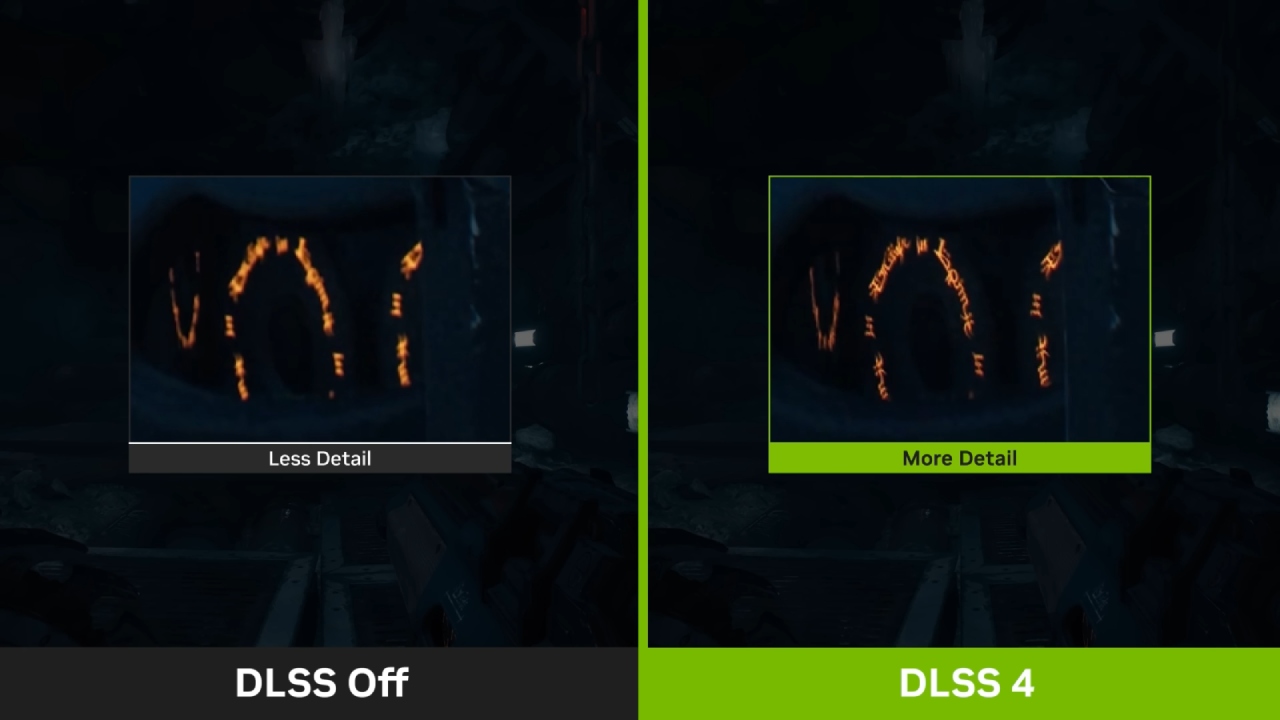
Impact of Rising RAM Prices on New Technologies
We've seen new technologies at events like CES that use more VRAM, including Nvidia's ACE and DLSS 4.5. Some people are worried that these higher needs may conflict with growing memory prices.
When we talk about this, it's important to realize that a lot of these technologies are still optional. If VRAM limits become a problem, you can turn them off or choose a different setting.
We also usually benefit from the fact that PC gaming is inherently flexible. You can adjust the parameters based on your GPU to see whether features like DLSS 4.5 are worth enabling. Just because DLSS 4.5 needs more VRAM doesn't mean it will slow down performance. In many cases, picking a new configuration or turning off certain tech fixes the problem.
Also, Nvidia ACE and similar capabilities are not very well integrated into real games right now. As AI models get smaller, more efficient, and use less memory, the memory footprint of AI-driven products continues to shrink.
Developers still need to ensure the game fits within the VRAM most people have, which is usually around 8 GB. This means that design choices will work with popular systems.
Are We Reaching a Breaking Point?
Kate's query makes me think about other things that are going wrong, such as increased RAM prices, more expensive PC parts, long game development cycles, layoffs, and the cost-of-living crisis. With so many demands on us, people often ask if pushing the limits of graphical fidelity is no longer possible.
We want to stress that there aren't many games made for people who really desire high-end fidelity. Most of the games released today don't aim for the best graphics. Many popular games have simple graphics but great gameplay and design.
Ray tracing is not usually the most expensive part of programming when you think about it. Instead, the most expensive part is creating assets, which means producing high-density geometry, intricate textures, and complex landscapes.
It costs a lot to hire many artists for a long time. We think it's fine to lower texture quality or the world's density if it saves time and money on development. Not every game needs huge, very detailed worlds to do well.
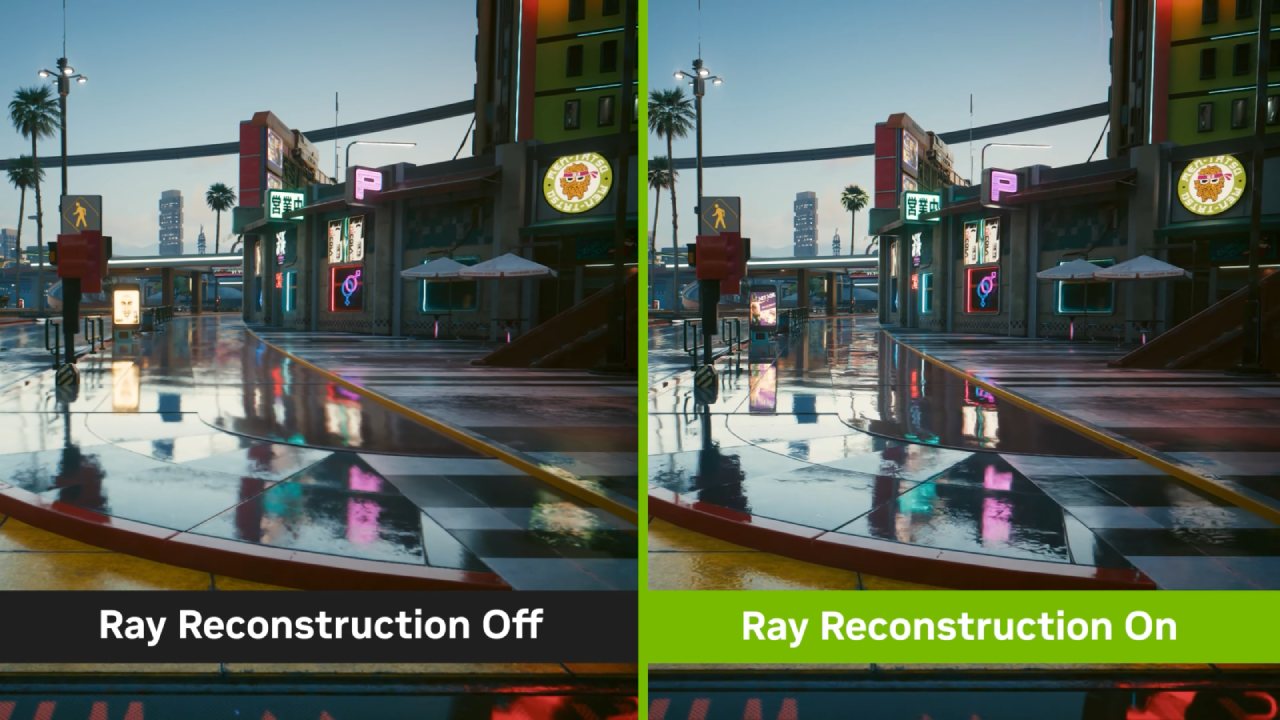
Ray Tracing and Scalability Across Hardware
Some people say that technologies like ray tracing require too much hardware. Ray tracing itself isn't the key reason why development costs are going up, or hardware is getting more expensive. It's remarkable how scalable modern engines and tools have grown. A lot of the games that come out today work well on a lot more types of hardware than they did in the past.
We've seen games like Battlefield 6, Arc Raiders, and Kingdom Come: Deliverance 2 run surprisingly well on low-end computers, handheld PCs, and future platforms like Switch-class handhelds. In the past, it would have been almost impossible to play many new games at 60 fps with an older GPU like an RTX 2060.
Even games that use ray tracing, like Doom with RTGI, show great scalability, running at 30 fps on handheld systems. Older GPUs like the GTX 1080 or AMD 5700 series can still use software-based ray tracing. Testing in the real world indicates that the idea that new technologies automatically make older technology obsolete is not true.
Fidelity vs. Performance: A Healthy Balance
A lot of people say that high-fidelity development isn't possible, but we don't agree. Yes, creating enormous worlds with large art teams can be hard on budgets, but that's an artistic and production decision, not a technical requirement. Ray tracing isn't the problem, and it doesn't stop games from reaching a wide audience.
Today, we have more choices than ever before. On a high-end build, you can pursue maximum fidelity. At the same time, on a low-cost configuration, you can adjust settings to improve performance. Scalability is improving, not getting worse.
You don't need amazing graphics. And when creators want to focus on high quality, that doesn't always mean they are limiting the wider PC audience.
Final Thoughts
We get why people are worried about the rising costs of RAM and development. But technology trends aren't as bad as they seem. You can still change your settings; developers are focusing on making things work for many people, and many new tools are designed to use less RAM.
Fidelity is not the adversary. If anything, smart scaling and fast rendering methods, such as ray tracing, could help maintain a balance between graphics, performance, and hardware requirements for years to come.
Also, check our other NVIDIA articles below:
- NVIDIA GeForce RTX 5080 Review (2025): Still A 4K Gaming Powerhouse?
- NVIDIA RTX 5070 Review: Mid-Range Muscle or Marketing Hype?
- RTX 5070 Ti Review: Performance, Thermals & Power Efficiency Tested
- ASUS GeForce RTX 5090 LC Liquid Cooled GPU Review: Unmatched Silence & Speed
- MSI GeForce RTX 5090 32GB SUPRIM SOC Review: Power Efficiency, Cooling, and Gaming Performance
- INNO3D RTX 5060 Ti 16 GB X2 Review: Gaming Benchmarks, Temps, and Power Efficiency
- HP Omen 45L Review: RTX 5090 Performance, Thermals, and Value Analysis
- ASUS TUF Gaming GeForce RTX 5060 Ti Review: DLSS 4, Power Efficiency, and Gaming
- ASUS Prime RTX 5060 Ti OC 16GB Review: DLSS 4, Ray Tracing, & Thermals Tested
- NVIDIA GeForce RTX 5060 Review: Specs, Gaming, and Cost per Frame
- MSI GeForce RTX 5090 GAMING TRIO OC Review: A Monster Power GPU
Senior Editor, NoobFeed
Gaming Hardware Updates
No Data.