
Future of UE5: Performance Improvements and Engine Competition
Unreal Engine 5 continues shaping modern high-fidelity development as competitors struggle to offer comparable, licensable visual technology.
Hardware by Tanvir Kabbo on Dec 30, 2025
Unreal Engine 5 has had a lot of performance problems on PC releases in the past few years, especially for teams that want to make their visuals look very real. Developers sometimes wonder if there are better, more powerful engines that can be licensed and if older engines like CryEngine are good options.
Larger discussion shows why UE5 is the best in the business, why other options have a hard time competing, and what changes might come in future editions.

Lack of Competitive, Licensable Alternatives
Alex says that there aren't many engines that are easy to license that can really compete with Unreal Engine for cutting-edge realistic graphics. Epic has a lot of money, thanks in large part to Fortnite, which lets the business recruit a lot of graphics and systems experts. The end result is an engine that is a technological giant, with both good and bad points, but it is the best in the business licensing field.
CryEngine used to be a serious option, but it is no longer seen as a viable choice. Kingdom Come: Deliverance 2 stayed on the engine mostly because of legacy reasons, not because the engine had better or even the same features. If they had enough resources, a lot of teams that use CryEngine would probably transition to a newer ecosystem.
Progress Expected in UE5.7 and Beyond
Alex says that things will get better a lot faster around UE5.7 and later. Many long-standing problems with Unreal, especially those that slow down the CPU, should get a lot better. However, image quality for 60fps console games may still not be as good as it could be.
When PC gamers talk about problems with their games, they usually talk about shader stutter or traversal hitching. Console players, on the other hand, commonly complain about visual stability, clarity, and upscaling artifacts.
Still, the advancements on the CPU side and the engine's overall maturity should make performance more consistent across a wide range of game designs.
Some people think that Epic's choice to make UE5 available for licensing early in its development was a good thing, while others think it was a bad thing because teams started using the 5.0 toolset before it was really suitable for modern platforms, especially for big, open-world games. Around UE5.4, features that were necessary for smooth world streaming and traversal finally became stable.
Collaboration from big studios like CDPR is also driving improvements into the main branch, which speeds up the technical progress of UE5.
Visual Realism Across Different Engines
The funny part of the conversation is that any engine that can make cloudy sky, reflections on screen space, and slick surfaces can make things look "ultra-realistic" on the surface.
A lot of engines, even older or less advanced ones, may copy these visual indicators on the surface. But for AAA realism that is truly current, engine support needs to go well beyond just lighting and reflections.
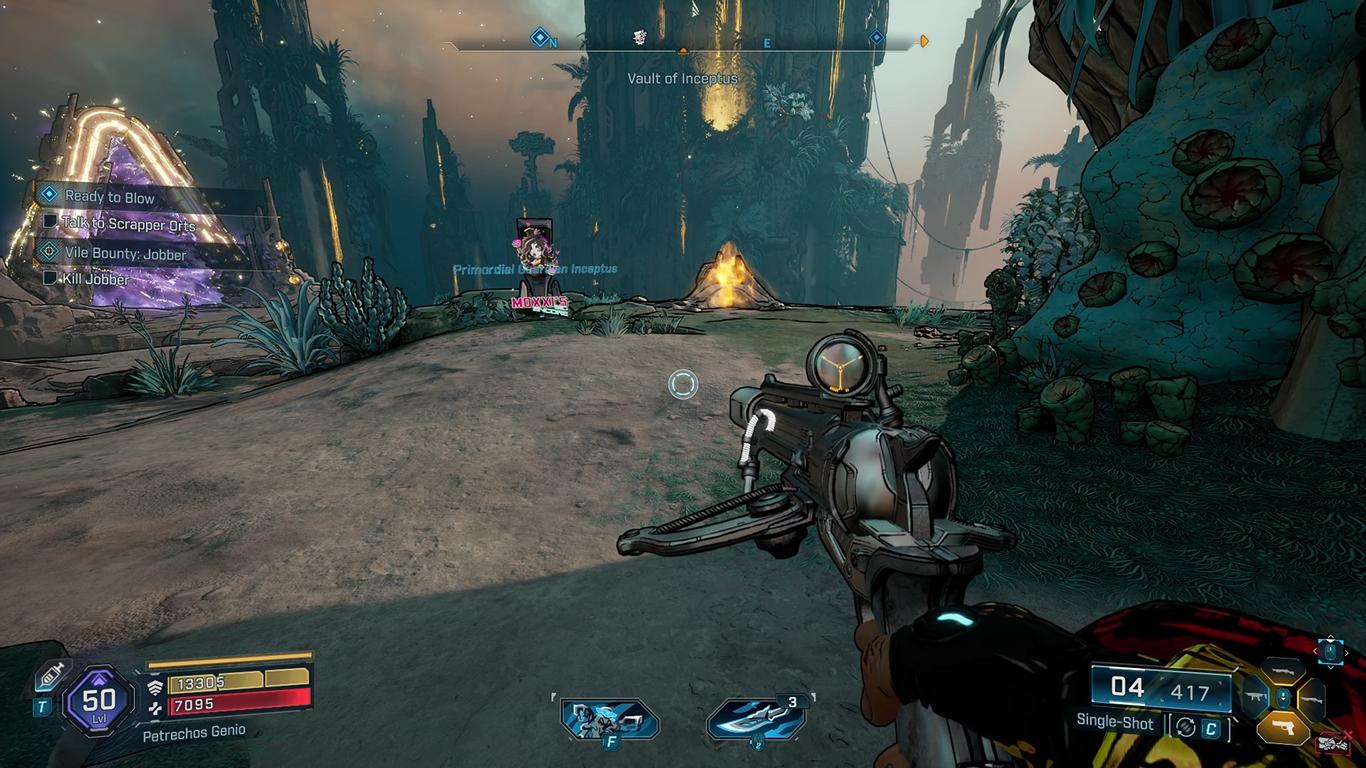
Unity’s Niche Strengths
Unity is still in the business, although it only competes well in some areas. Its best area is mobile VR. Unity-based VR games usually compile shaders rapidly, operate smoothly, and have clear images. with the other hand, Unreal Engine might have trouble with standalone headsets, where it often has delayed shader compilation and terrible visual quality. When you wear a VR headset, long shader compilation times are much more annoying.
Unity is still a high-performance, useful alternative for VR creators, especially those making games for the Quest line.
Why Unreal Engine is still the best choice for AAA realism
For teams who want to make realistic graphics for consoles and PCs, UE5 is still the only choice that works for a lot of people. Epic has a near-monopoly on high-end rendering features because they have a lot of money to spend on technology and a lot of talented people. Developers who want to construct their own engines usually work for firms who have the money and freedom to do so. Others, on the other hand, tend to work for Epic.
UE5 can make amazing graphics, and if you have a good team, you can make sure that performance is as good as it can be. The engine has a lot of potential, but it's hard to use it well on different types of hardware.
If you want modern AAA realism and aren't making your own engine, Unreal Engine is the only way to go in the present environment.
Also, check our other NVIDIA articles below:
- NVIDIA GeForce RTX 5080 Review (2025): Still A 4K Gaming Powerhouse?
- NVIDIA RTX 5070 Review: Mid-Range Muscle or Marketing Hype?
- RTX 5070 Ti Review: Performance, Thermals & Power Efficiency Tested
- ASUS GeForce RTX 5090 LC Liquid Cooled GPU Review: Unmatched Silence & Speed
- MSI GeForce RTX 5090 32GB SUPRIM SOC Review: Power Efficiency, Cooling, and Gaming Performance
- INNO3D RTX 5060 Ti 16 GB X2 Review: Gaming Benchmarks, Temps, and Power Efficiency
- HP Omen 45L Review: RTX 5090 Performance, Thermals, and Value Analysis
- ASUS TUF Gaming GeForce RTX 5060 Ti Review: DLSS 4, Power Efficiency, and Gaming
- ASUS Prime RTX 5060 Ti OC 16GB Review: DLSS 4, Ray Tracing, & Thermals Tested
- NVIDIA GeForce RTX 5060 Review: Specs, Gaming, and Cost per Frame
- MSI GeForce RTX 5090 GAMING TRIO OC Review: A Monster Power GPU
Senior Editor, NoobFeed
Gaming Hardware Updates
No Data.