
GPUs, RAM Crises, and AI Chaos: Everything That Went Wrong in Tech During 2025
Nvidia’s RTX50 Launch Showed Massive Performance Claims, Persistent Hardware Issues, and How Little Consumer Frustration Actually Matters.
Hardware by Tanisha Aria on Dec 30, 2025
At the start of the year, hardware was the main focus, setting the tone for what was to come. Jensen Huang, CEO of Nvidia, started his keynote speech with "jacket talk" at CES2025. This is an odd but appropriate image for aCES2025: executives have been trying to impress each other more than they've been listening to customers.
Amid all the hype, Nvidia revealed the RTX 50 series GPUs, DLSS 4, and its multiframe generation technology. On paper, the performance gains over the RTX40 series looked really big, but in practice, it seemed more like marketing hype than fair progress.
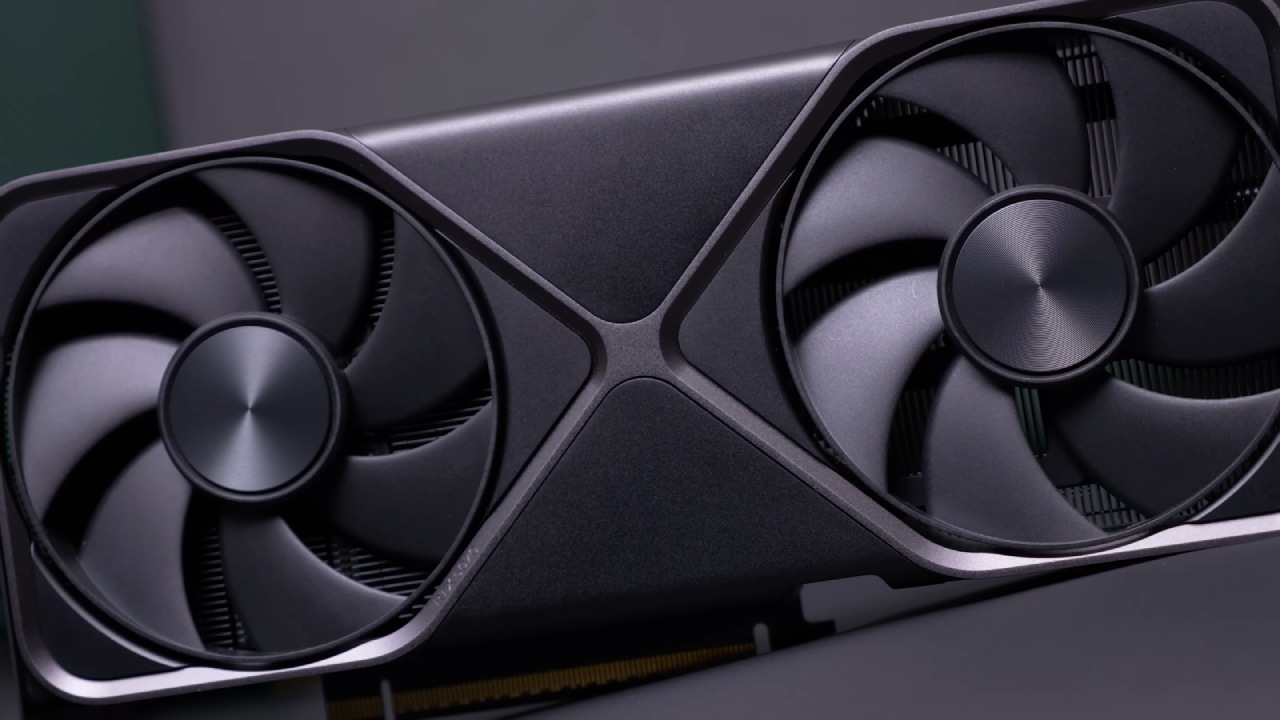
There was a lot of debate about the RTX50 launch soon after it happened. The melting power connection story wouldn't go away, and gamers argued about whether AI-made frames should be used in benchmarks. The MSRP became even less realistic, and driver issues led many people to report black screens.
NVIDIA wasn't slowed down by any of this. When Nvidia became the world's most valuable company on October 29, 2025, with a $5 trillion market cap, gamers' anger didn't matter. It was really AI that wanted it, and data centers were gobbling up Nvidia's chips like candy.
AMD, CPUs, and a Hint of Gamer Loyalty
Even though the message was unclear, AMD at least gave the impression that they cared about players. Team Red revealed the Radeon RX 970 and RX 9070 XT at CES, but then refused to say anything more about them.
While AMD played hard to get, people at the event quietly tried to figure out how the graphics cards stacked up against each other. CPUs, on the other hand, showed something else. Ryzen kept on dominating, and the Ryzen 9 9950X 3D became the best desktop game CPU.
Apple also made a big deal about silicon. In October, the M5 chip was added to the iPad, MacBook Pro, and Vision Pro range. This was another step forward for Apple.
The RAM Pricing Crisis Casts a Long Shadow
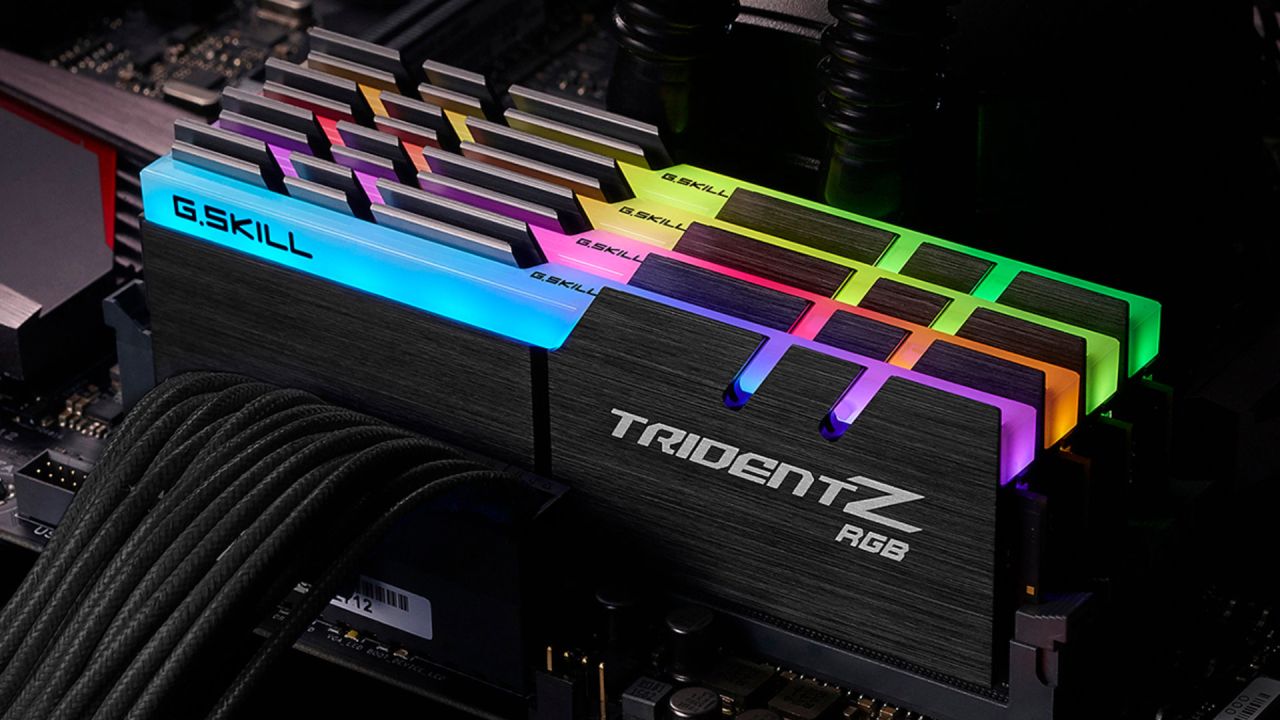
The RAM pricing problem killed any holiday cheer that was still in the air. AI-driven demand for memory drove prices very high, and memory makers followed the money. Micron said it would close its Crucial consumer brand. At the same time, reports said Nvidia would make fewer lower-end GPUs and instead focus on higher-end cards with more memory, which would make the company more money. Industry research said that PCs and memory-dependent devices would continue to be expensive for at least one or two years. There was no comfort or joy to be found.
Consoles, Handhelds, and the Shape of Gaming
The gaming world's consoles, handhelds, and shape Gaming gear had its own surprises. The Switch2, which many thought was just a myth, turned out to be real and sold faster than any other system. People were angry about the aggressive pricing tactics, but sales kept going. On the other hand, Xbox felt like it wasn't there. As inventory ran out, consoles disappeared from stores, and Black Friday sales allegedly lagged behind even specialty kids' consoles.
Handhelds partly filled the gap. The ROG Xbox Ally and AllyX launched on October 15 and received a decent response. Their identity was so fluid that it could even change what an Xbox is. A new Windows game mode was the most welcome change. It made the operating system a little easier to use on handheld devices.
Windows Fatigue and the Rise of SteamOS
Windows 10 officially reached end of life on October 14, 2025, but in reality, it was a more complicated situation. Adoption was slow, so Microsoft had to give a year of free extra patches. Still, many people didn't think they needed to buy new gear just to see Windows 11's problems. Agentic OS offered voice-driven computing, but people weren't very excited about it.
Gamers turned to SteamOS and Linux options because of this frustration. Valve brought in the first third-party SteamOS mobile, called the LegionGoS. They also announced a redesigned Steam Machine, dubbed the "Gabe Cube." Windows-based handhelds continued to be used, driven by AMD's StrixHalo chip. Still, these devices often ended up running Linux instead.
AI Everywhere, Whether Wanted or Not
AI's growth continued without end. While tools improved at code, math, and media generation, they also filled the internet with content that took no effort to produce. As image production improved, people grew accustomed to realistic-looking videos with sound.
Social media sites then rushed to host these videos and make money off of them. People weren't always sure about the new changes. These public AI failures, arguments over models, and rising worries about parasocial AI relationships showed how unready people were for these tools.
Robotics went the same way. Flashy shows focused on combat and entertainment, while practical chores around the house fell by the wayside. A few businesses focused on usefulness, but there was still a big difference between what companies said they would do and what they actually did.
Platforms, Verification, and Control
Age verification became widely adopted, prompting people to use VPNs and sparking new debates over rules. Before backing down under public pressure, app platforms tried to oppose sideloading. In surprising ways, cross-platform features improved, and mobile game economics were transformed by long-running legal battles.
The trade conflicts made things even more unclear. Tariff posturing was meant to change the industry, but it mostly just moved it to other places. It was mostly AI demand, rather than politics, that kept hardware costs high. The arguments about encryption got more heated, then less, but they never really ended.
Infrastructure Fragility and Cloud Dependence
Cloud systems and power were weak throughout the year. Games, contact tools, and even home devices were interrupted by major outages. It became clear that we relied on centralized services, which led to bold plans to make data centers more resilient in the future, even if those plans are unlikely to come to fruition.
A Crowded, Chaotic Year in Tech
In addition to the big news stories, many strange and memorable things happened over the year. When major companies bought other companies, they changed the names of the already well-known brands. Long-standing services were shut down, and governments helped struggling chipmakers.
Also, grassroots digital movements briefly became popular. The experimental gear blurred the distinction between consumer technology and military equipment, and biotech claims that drew a lot of press attention made people doubt them.
All in all, 2025 felt like a lot, and like it was showing me things. A lot of changes happened quickly in hardware, systems, AI, and infrastructure, and people who would have to deal with the results were often not considered.
As the year came to a close, one thing was clear: the pace would not slow down. The only thing we can be sure of as we move into the future is more change and noise, and an increasing need to take a break and spend time in nature.
Also, check our other hardware articles:
- AMD Ryzen 9 9950X3D Review: Setting The Standard For 2025 Gaming CPU
- Amazon Luna 2025 Review: Is Prime Gaming's Cloud Service Your Go-To For Casual Fun?
- AMD RX 9070 XT Review: AMD's RDNA 4 Champion for 1440p Gaming
- GeForce Now Ultimate: Ditching Your Gaming PC For Cloud RTX 4080 Power?
- NVIDIA GeForce RTX 5080 Review (2025): Still A 4K Gaming Powerhouse?
- Intel Core Ultra 9 285K Review And Performance Breakdown (2025)
- AMD Ryzen 7 9800X3D Review: 3D V-Cache Goes God Mode with Stunning Gaming Performance
- Intel Core Ultra 9 285K vs AMD Ryzen 7 9800X3D: In-Depth Gaming Performance and Benchmark Comparison
- NVIDIA GeForce RTX 5080 Super Performance In Cyberpunk 2077: Path Tracing & DLSS 4.0 Tested
- AMD Radeon RX 9070 XT In Cyberpunk 2077: Ray Tracing & FSR 4.0 Tested
- Intel Arc B580 Review: The $250 GPU Revolutionizing 1440p Gaming
- Intel Arc B570 Vs. B580: Value, Specs, And Real-World Gaming Performance
- RTX 5090 Laptop Vs. M4 Max MacBook Pro: Ultimate Raw Performance Vs. Battery Endurance
- Intel Arc b580 Vs. RTX 4060: Game Performance And Value Analysis
- RTX5090 Hell Is Us Demo 4K Ultra Benchmark: DLSS Vs. Native Performance Guide
- NVIDIA RTX 5070 Review: Mid-Range Muscle or Marketing Hype?
- Nintendo Switch 2 Review: Handheld Performance, Features & Value Breakdown
- RTX 5070 Ti Review: Performance, Thermals & Power Efficiency Tested
- Samsung Odyssey OLED G81SF Review 2025: Ultimate 32-Inch QD-OLED Gaming Monitor
- AMD RX 9070 Performance Review: Thermals, Clocks, and Real-World FPS
- AMD Ryzen 5 7600 Review: Best Budget Gaming CPU of 2025?
- AMD Radeon RX 7800 XT Review: RDNA 3 Power For Midrange Gaming
- Asus ROG RTX 5090 Astral OC Vs. Founders Edition: The 4K Gaming Benchmark
Contributor, NoobFeed
Gaming Hardware Updates
No Data.