
Handheld PC Market Struggles as RAM and Storage Prices Surge
Rising RAM and storage costs reduce handheld PC production while limiting availability and slowing market expansion.
Hardware by Shinji Okazaki on Apr 01, 2026
Another person has been killed by RAM. Prices for storage and RAM have gone up, which means there are fewer solutions on the market. The situation shows that there is greater pressure on hardware manufacturing overall, especially in niche areas like handheld PCs.
We weren't particularly big fans of PC handhelds for several reasons. However, some Android-based ones are still interesting to us. People weren't really interested in the Ino Next 2 because it was too expensive. The pricing reached a level at which the company stated it could no longer continue production. They said for sure that the device won't be made in the near future. We will continue to fill existing pre-orders, but we won't have any more units available after that.
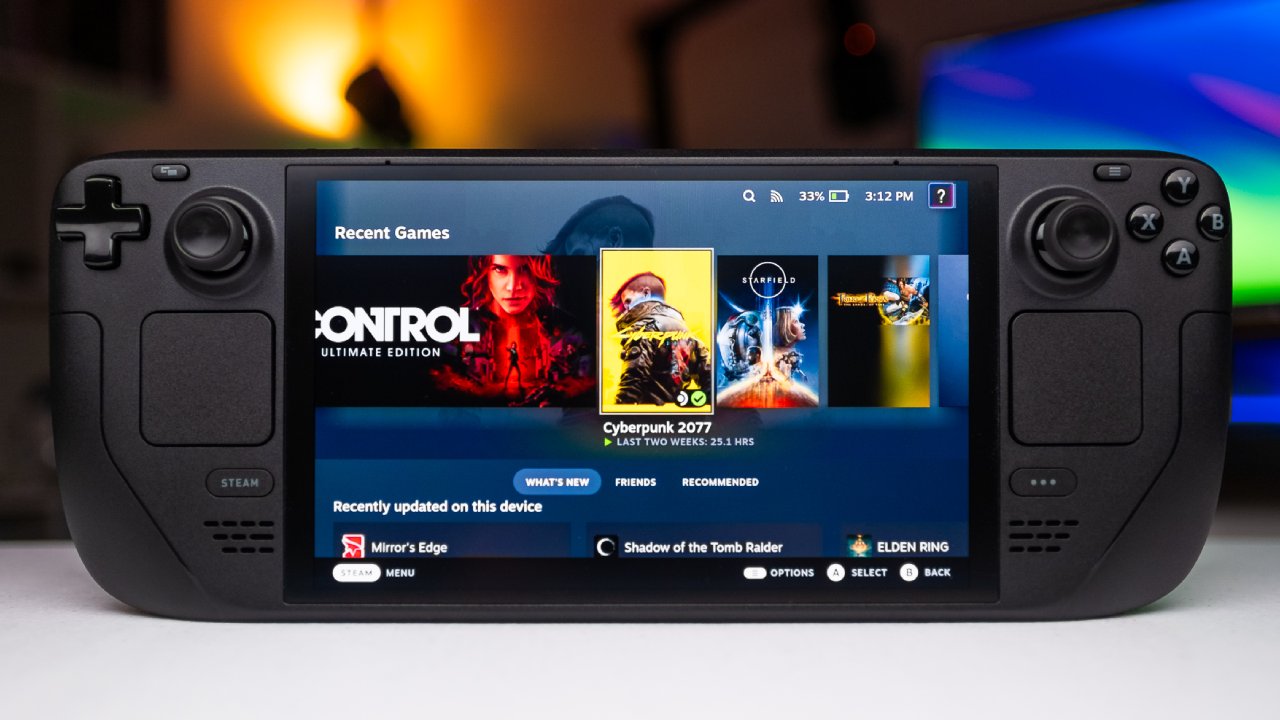
Price Barriers and Cancellations of Products
There is less competition because fewer products are offered. When rivalry is lower, organizations have less incentive to improve, which slows innovation. That outcome reflects a broader concern across the segment.
Rising Prices Across the Range of Products
We also got word that prices are going up across the board. The statement was both a warning and a sign to buy before the changes go into effect. Some items, like the Conquer Pocket Fit, are no longer available in any form. The corporation aims to bring them back in stages, primarily due to the high cost of storage components.
The method indicates that some products will remain available. Some devices are no longer available, while others may come back later at a higher price. This graph shows how companies are maintaining profits despite rising prices.
Expensive Models and Low Demand
There were three price levels for the Ino Next 2. The base tier started at about $1800, the mid-tier at about $2300, and the high-tier configuration reached $3500 during pre-order, with a predicted retail price of about $4300. The most powerful version had 128GB of RAM and a big battery, which made it useless for several things, including flying.
Interestingly, the lowest-priced tier didn't get any pre-orders. Demand was mostly for higher-end configurations, which suggests that customers in this group often care more about specs than low prices.
The Size of the Market and the Number of Pre-orders
The mid-tier configuration got 112 pre-orders, and the top tier got 30. Across all tiers, fewer than 200 units were pre-ordered. Even though there weren't many people, the campaign raised about $446,000.
These data show how big the manufacture of boutique handheld PCs is. These numbers are minor compared to those of bigger companies. Still, they are in line with expectations for specialized hardware. Earlier devices in this category sold more, notably Android-based ones. PC handhelds usually sell between 10,000 and 20,000 units.
Competition, Iteration, and Fewer Returns
Companies in this area don't get regular income from software ecosystems. After selling a gadget, businesses need to keep making money by producing new gear. This creates a loop in which each new product must perform better than the last one to be worth having.
That cycle makes people want better specs. The rewards become less obvious over time, as the law of diminishing returns predicts. Eventually, prices rise to the point where people don't want to update as often.
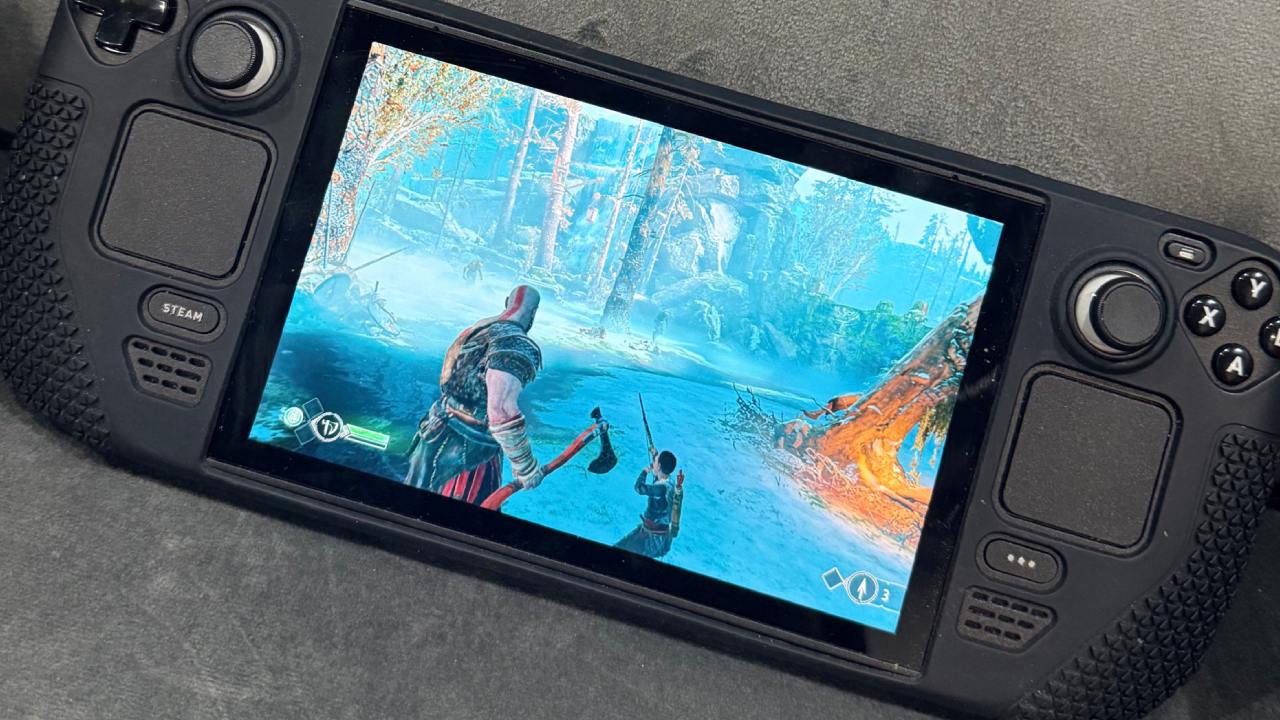
There is Still Design Innovation
Even with these problems, some new ideas are still being made. The Ino 3 and other devices like it introduced modular controller designs with parts that could be removed. The mechanism offers an alternative method for handheld usability and demonstrates that design experimentation remains feasible within the category.
Final Thoughts
The combination of rising component costs, limited production volumes, and increasing prices is shaping the future of handheld PCs. A limited market is shown by fewer products, selective manufacturing, and higher prices. We will see how long the existing model lasts, but corporations will keep changing their strategy based on costs and demand.
Also, check our other hardware articles:
- AMD Ryzen 9 9950X3D Review: Setting The Standard For 2025 Gaming CPU
- Amazon Luna 2025 Review: Is Prime Gaming's Cloud Service Your Go-To For Casual Fun?
- AMD RX 9070 XT Review: AMD's RDNA 4 Champion for 1440p Gaming
- GeForce Now Ultimate: Ditching Your Gaming PC For Cloud RTX 4080 Power?
- NVIDIA GeForce RTX 5080 Review (2025): Still A 4K Gaming Powerhouse?
- Intel Core Ultra 9 285K Review And Performance Breakdown (2025)
- AMD Ryzen 7 9800X3D Review: 3D V-Cache Goes God Mode with Stunning Gaming Performance
- Intel Core Ultra 9 285K vs AMD Ryzen 7 9800X3D: In-Depth Gaming Performance and Benchmark Comparison
- NVIDIA GeForce RTX 5080 Super Performance In Cyberpunk 2077: Path Tracing & DLSS 4.0 Tested
- AMD Radeon RX 9070 XT In Cyberpunk 2077: Ray Tracing & FSR 4.0 Tested
- Intel Arc B580 Review: The $250 GPU Revolutionizing 1440p Gaming
- Intel Arc B570 Vs. B580: Value, Specs, And Real-World Gaming Performance
- RTX 5090 Laptop Vs. M4 Max MacBook Pro: Ultimate Raw Performance Vs. Battery Endurance
- Intel Arc b580 Vs. RTX 4060: Game Performance And Value Analysis
- RTX5090 Hell Is Us Demo 4K Ultra Benchmark: DLSS Vs. Native Performance Guide
- NVIDIA RTX 5070 Review: Mid-Range Muscle or Marketing Hype?
- Nintendo Switch 2 Review: Handheld Performance, Features & Value Breakdown
- RTX 5070 Ti Review: Performance, Thermals & Power Efficiency Tested
- Samsung Odyssey OLED G81SF Review 2025: Ultimate 32-Inch QD-OLED Gaming Monitor
- AMD RX 9070 Performance Review: Thermals, Clocks, and Real-World FPS
- AMD Ryzen 5 7600 Review: Best Budget Gaming CPU of 2025?
- AMD Radeon RX 7800 XT Review: RDNA 3 Power For Midrange Gaming
- Asus ROG RTX 5090 Astral OC Vs. Founders Edition: The 4K Gaming Benchmark
Editor, NoobFeed
Gaming Hardware Updates
No Data.