
Hardware Recap 2025: Nvidia–Groq Deal, AMD Ryzen 7 9850X3D, GPU Shortages and TSMC Price Hikes
Key hardware announcements and market shifts define the transition period between 2025 and early 2026
Hardware by Tasnim Yoshi on Jan 06, 2026
As 2025 comes to a close and the industry moves into 2026, this last weekly hardware news recap shows that the year was full of big disappointments, most of which were based on the same theme.
There were so many big disappointments this year that it took a lot of work to list them all. A lot of it has to do with developments in AI, a topic that has been in the news so much that it's become boring.
With that in mind, the last summary of the year talks about big changes, like how companies are moving around, new processors coming out, supply problems, hardware modding, and rising manufacturing costs.
Nvidia Acquires Groq Talent and Licenses for AI Development
We start with Nvidia's most recent strategic move, which is meant to avoid direct regulatory scrutiny while still reaching its main goals. Nvidia signed a non-exclusive licensing agreement with Groq, an AI chip company that is not the same as other companies with similar names.
Nvidia not only licensed Groq's inference technology, but it also hired Groq's founder, president, and some of its most important employees.
Nvidia put $20 billion of its cash reserves into this deal, which is the most money the company has ever spent on a deal, even though it wasn't a formal acquisition. Groq is still its own company, and a new CEO has taken over.
Its cloud operations are still going on as usual. The license is not exclusive, which means that other companies could theoretically use the same technology. However, it is not clear how much it would cost or how practical it would be to do so. But the talent acquisition is only for them.
People have been guessing why Nvidia did what it did, focusing on things like latency advantages, workloads that are specific to inference, and the possibility of product segmentation. Nvidia has said in public that it plans to add Groq's low-latency processors to its AI factory architecture.
This will make the company's products more useful for both inference and real-time workloads. We also see this move as a way to protect key technology and talent from potential competitors, which is what a hedge does. Whether you see it as defensive or opportunistic, the deal makes Nvidia's already strong position in the AI hardware market even stronger.
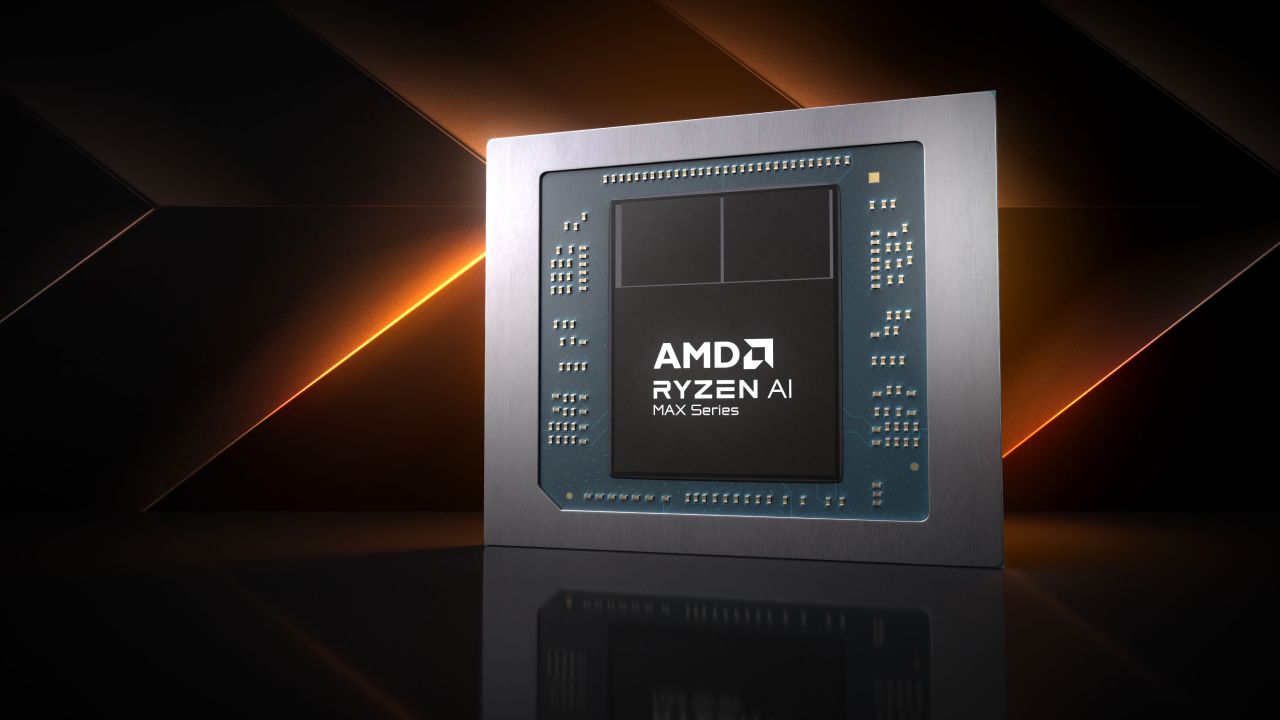
AMD Ryzen 9850X3D Confirmed Again
A major system integrator accidentally leaked information about AMD's upcoming Ryzen 7 9850X3D processor, confirming it once again. The confirmation leaves no room for doubt that the processor exists.
The leaked information says that the chip will have 3D V-Cache technology and will come out in early 2026.
Reported specs say that the base clock is 4.7GHz and the boost clock is up to 5.6GHz, which is a big jump from the last generation. Retailers have leaked prices that range from $553 to $600, but the official prices have not yet been made public.
We expect an official announcement at a big industry event soon, given the timing and the fact that there have been several leaks.
There are also rumors about a more expensive dual-CCD model, but there isn't as much solid information about it. Ryzen 7 9850X3D looks like it's coming soon and is being marketed as a high-performance gaming processor.
DIY DDR5 Memory Through Soldering
Enthusiasts who put together their own DDR5 memory came up with a more unusual story. Modders have found blank memory PCBs for less than $10 and soldered memory chips onto them by hand.
The end result is a working DDR5 module that might be a little less expensive than ones sold in stores.
The idea shows how creative the enthusiast community is, even though the savings aren't very big, especially when you think about how much memory chips cost. Using used memory chips and salvaged parts can lower costs even more, but it's clear that this method is not meant for widespread use.
We have seen similar things happen before, like taking chipsets from old electronics and using them to make unofficial motherboards. These efforts show both technical creativity and the stress that comes from rising hardware costs.
Retail Restrictions on High-Memory GPUs
Hardware rationing is still getting worse, and retailers are limiting how many GPUs with 16GB or more of memory you can buy. It has been reported that customers can only get one card per group for higher-capacity models. This is because there are still problems with supply.
Retailers have said that it is getting harder and harder to find GPUs with more memory, and they don't know when they will be able to restock them. This trend makes the bigger problem of demand outpacing supply even worse, especially for parts that are good for both gaming and computing.
RTX 5080 32GB Modifications Surface
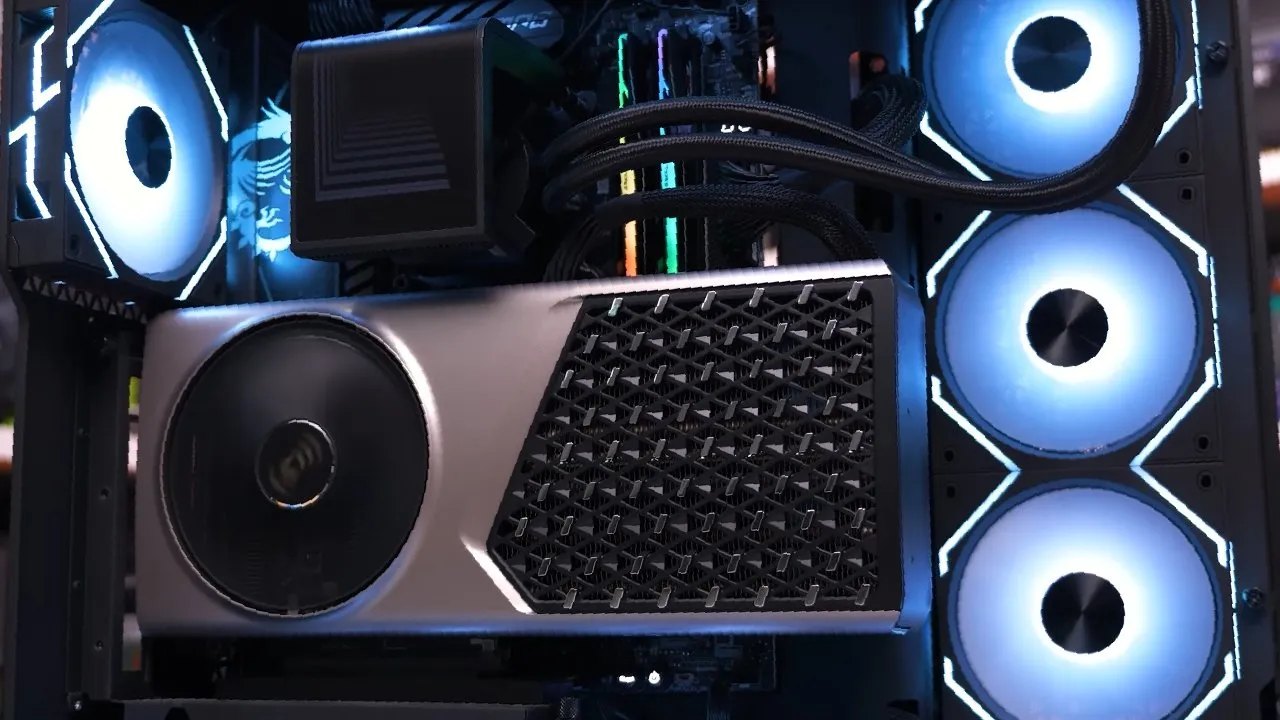
Modders are said to have started selling modified RTX 5080 GPUs with 32GB of VRAM. It hasn't been confirmed that these cards are available directly from stores, but they are said to be going around locally through repair shops. The changes include replacing memory parts and, in some cases, fixing broken PCBs.
We have seen similar things happen in person, such as GPUs being upgraded to much more memory than they originally had.
Older models have been worth more than newer ones in the past because they have more memory. If these 32GB RTX 5080 models become more common, they could change the prices and demand for all models in the market.
OpenAI Explores Sponsored Content Model
Some people say that OpenAI is thinking about putting ads and sponsored content in its chat products. When people are talking about shopping or other related activities, the suggested method might include ads that show up next to or inside responses.
We think this is a development that could be worrying. Conversational AI systems can see very detailed and personal conversations between users, which is not the case with traditional advertising platforms.
This could lead to subtle bias, where answers are changed to steer users toward sponsored results. Even if it is introduced carefully, such a model could make it hard to tell the difference between neutral help and paid influence, which would make people question trust and transparency.
TSMC Plans Multi-Year Wafer Price Increases
Lastly, reports say that TSMC plans to raise prices on advanced wafer nodes over the next four years, starting in 2026. There is still more demand for sub-3nm processes than there is supply, mostly because of the production of AI chips. Analysts think that prices will go up by 3% to 10% in the first year alone.
People say that these price hikes are meant to hurt businesses, but they will hurt regular people too. High-end CPUs and GPUs need TSMC's advanced manufacturing. Chipmakers' profits will grow even more if wafer prices go up. Hardware prices are likely to keep going up because of this. This will make the gap between business buyers and individual consumers even bigger.
Looking Ahead to 2026
This is the last summary of hardware news for the year. The main problems in the industry as it moves into 2026 are still problems with supply, rising prices, and the merging of AI.
Also, check our other articles below:
- NVIDIA GeForce RTX 5080 Review (2025): Still A 4K Gaming Powerhouse?
- NVIDIA RTX 5070 Review: Mid-Range Muscle or Marketing Hype?
- RTX 5070 Ti Review: Performance, Thermals & Power Efficiency Tested
- ASUS GeForce RTX 5090 LC Liquid Cooled GPU Review: Unmatched Silence & Speed
- MSI GeForce RTX 5090 32GB SUPRIM SOC Review: Power Efficiency, Cooling, and Gaming Performance
- INNO3D RTX 5060 Ti 16 GB X2 Review: Gaming Benchmarks, Temps, and Power Efficiency
- HP Omen 45L Review: RTX 5090 Performance, Thermals, and Value Analysis
- ASUS TUF Gaming GeForce RTX 5060 Ti Review: DLSS 4, Power Efficiency, and Gaming
- ASUS Prime RTX 5060 Ti OC 16GB Review: DLSS 4, Ray Tracing, & Thermals Tested
- NVIDIA GeForce RTX 5060 Review: Specs, Gaming, and Cost per Frame
- MSI GeForce RTX 5090 GAMING TRIO OC Review: A Monster Power GPU
Subscriber, NoobFeed
Gaming Hardware Updates
No Data.