
HBM vs. DDR5: Real Reason PC Memory Costs Exploded
Growing AI-driven demand is placing unprecedented pressure on global memory production and reshaping component availability across the industry.
Hardware by Tanvir Kabbo on Dec 23, 2025
There has been a huge shortage of memory in recent weeks, with frankly insane price rises now present on both DDR4 and DDR5 kits. Many are wondering how long this will last, whether PC builders are completely stuck, and whether the AI boom will cause mass suffering for gamers in 2026.
What follows explains what has happened, why it escalated so quickly, and why there might be some light at the end of the tunnel.
How the Memory Market Works
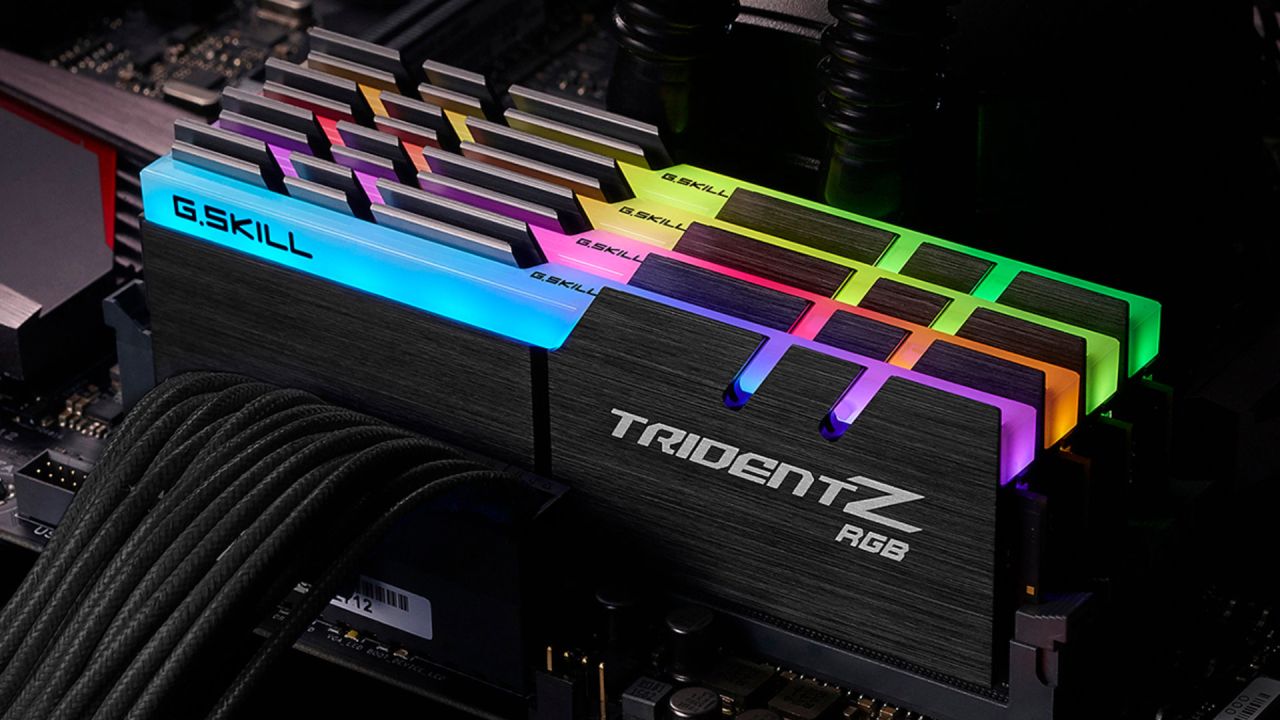
When we scroll through major retailers, it seems like there are endless memory brands—Corsair, Kingston, Team Group, GSkill, Adata, and many more. But these are memory brands, not memory manufacturers. What these businesses do is buy memory ICs from memory makers, add them to PCBs to create DIMMs, validate XMP and EXPO profiles, and apply branding and heat spreaders.
The manufacturers of memory ICs are essentially tied to three players: Micron, SK Hynix, and Samsung. This means memory brands cannot simply increase production when demand rises. They rely on the big three manufacturers for supply and pricing, and this dependency is a major reason why memory has become so expensive.
Why Prices Spiked So Quickly
2025 has been the year of AI. Every time you enter a prompt into an AI model or generate a video, it's powered by an AI supercomputer in a large hyperscaler somewhere. The hardware demands behind these operations are enormous.
OpenAI even mentioned earlier this year that people using extra words like "please" and "thank you" in prompts was costing tens of millions of dollars annually.
As these models become more advanced, the need for high-end hardware grows. While hyperscalers are not consuming large amounts of DDR5, they are consuming massive quantities of HBM (high-bandwidth memory). HBM is used in high-end AI GPUs like Nvidia's H200, which has recently seen changes in US trade policy affecting where it can be sold.
HBM is manufactured by the same three companies that produce DDR4 and DDR5. It also uses the same wafers and raw materials. With HBM selling at roughly $30–$45 per GB compared to DDR5 at $3–$5 per GB, fabs are heavily incentivized to prioritize HBM production. Even with lower yields and more complex manufacturing, the profit margin is too significant to ignore, pushing DDR5 production capacity down.
Complications of Micron Exiting Its Consumer Brand
Micron's decision to exit the Crucial commercial business only adds to the situation. Crucial has been a major name for decades. This change doesn't mean Micron is stopping production of DDR5, but it does mean they won't sell it under their own name anymore.
They will still sell ICs to businesses like Kingston and Corsair, but probably at greater pricing than before. This is a major reason DDR5 prices are rising.
Panic Buying and Market Distortion
People panic when there isn't enough supply, much as they did during past GPU shortages. A lot of people buy more than they need. This unexpected rise in demand makes the already small supply even smaller.
Companies that want to keep their stock levels steady typically have to pay a lot more than they would have only a few weeks ago, which makes the retail effect even worse.
Other Factors That Worsened the Shortage
Many memory fabs are located in East Asia, and earlier US tariffs did not help with supply and demand. When tariffs peaked, memory manufacturers did not want to be stuck with large inventories subject to high tariffs.
While some of these policies may lead to long-term benefits—such as new fabs being built in the US—the short-term uncertainty created disruption in retail stock levels.
Upcoming Fabs and Potential Relief
There is some good news. Several new fabs are set to come online in the coming years. While many will focus primarily on AI chips and HBM, their activation will relieve pressure on existing fabs currently forced to prioritize HBM over DDR5.
However, these fabs will not appear overnight; many are projected to be operational around 2027.
Will AI Demand Settle Down?
Another possible relief point is the cooling of the current AI surge. Hyperscalers are building infrastructure at an extreme pace. Still, it's unclear whether demand for high-end AI GPUs can sustain this pace indefinitely. With AI companies receiving funding in the hundreds of billions of dollars, the question becomes whether this level of investment is sustainable and whether models might eventually become more efficient, reducing hardware requirements.
The current demand simply cannot stay this extreme forever, and recent trends show that the steepest price rises are starting to stabilize. In some markets, prices have even slipped slightly from recent highs.
Should You Buy Memory Now or Wait?
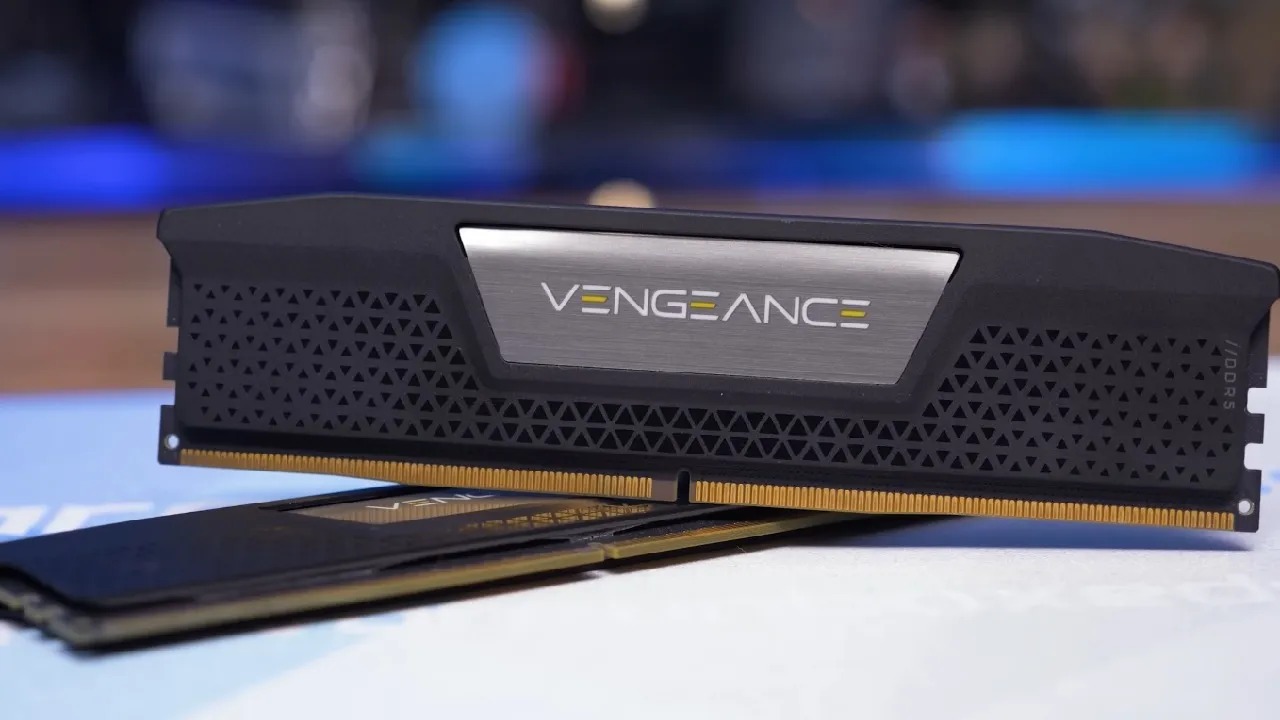
If you're building a PC and already have RAM that works with it, even if it's slower, higher-latency, or less capacity, we recommend keeping it for now. The used market is a possibility, though it's not always clear what you're getting, and it might be affected by the same scalping seen with GPU shortages.
One thing we hope memory brands will do to help new system builders is bundle memory with cases or coolers to make it easier to find.
Prices for 32GB kits won't return to the $80–$90 range anytime soon, but they should slowly decline as demand falls and supply rises. For now, you need to be patient. Watch pricing closely, especially as we move into the new year, as extreme pricing tends to naturally reduce demand.
Concerns for Other Components
The bigger worry is how memory shortages will affect other markets. GPU manufacturers are thriving in the AI boom, but selling GPUs to consumers becomes difficult when buyers cannot afford memory for their systems. Prices for SSDs have already risen a little, and if they follow the same path as memory, component costs may fall much further.
If key parts remain hard to get, it's also unclear how brands that offer cases, coolers, and power supplies will keep selling in 2026.
Final Thoughts
There won't be an end to memory shortages right now. For many people, especially those putting together new PCs, 2025 might be the year when buying a pre-built system is cheaper than building one yourself.
But as demand stabilizes and more fabs come online, the strain on supply should gradually ease. The market will balance out again over time as manufacturing increases.
Also, check our other hardware articles:
- AMD Ryzen 9 9950X3D Review: Setting The Standard For 2025 Gaming CPU
- Amazon Luna 2025 Review: Is Prime Gaming's Cloud Service Your Go-To For Casual Fun?
- AMD RX 9070 XT Review: AMD's RDNA 4 Champion for 1440p Gaming
- GeForce Now Ultimate: Ditching Your Gaming PC For Cloud RTX 4080 Power?
- NVIDIA GeForce RTX 5080 Review (2025): Still A 4K Gaming Powerhouse?
- Intel Core Ultra 9 285K Review And Performance Breakdown (2025)
- AMD Ryzen 7 9800X3D Review: 3D V-Cache Goes God Mode with Stunning Gaming Performance
- Intel Core Ultra 9 285K vs AMD Ryzen 7 9800X3D: In-Depth Gaming Performance and Benchmark Comparison
- NVIDIA GeForce RTX 5080 Super Performance In Cyberpunk 2077: Path Tracing & DLSS 4.0 Tested
- AMD Radeon RX 9070 XT In Cyberpunk 2077: Ray Tracing & FSR 4.0 Tested
- Intel Arc B580 Review: The $250 GPU Revolutionizing 1440p Gaming
- Intel Arc B570 Vs. B580: Value, Specs, And Real-World Gaming Performance
- RTX 5090 Laptop Vs. M4 Max MacBook Pro: Ultimate Raw Performance Vs. Battery Endurance
- Intel Arc b580 Vs. RTX 4060: Game Performance And Value Analysis
- RTX5090 Hell Is Us Demo 4K Ultra Benchmark: DLSS Vs. Native Performance Guide
- NVIDIA RTX 5070 Review: Mid-Range Muscle or Marketing Hype?
- Nintendo Switch 2 Review: Handheld Performance, Features & Value Breakdown
- RTX 5070 Ti Review: Performance, Thermals & Power Efficiency Tested
- Samsung Odyssey OLED G81SF Review 2025: Ultimate 32-Inch QD-OLED Gaming Monitor
- AMD RX 9070 Performance Review: Thermals, Clocks, and Real-World FPS
- AMD Ryzen 5 7600 Review: Best Budget Gaming CPU of 2025?
- AMD Radeon RX 7800 XT Review: RDNA 3 Power For Midrange Gaming
- Asus ROG RTX 5090 Astral OC Vs. Founders Edition: The 4K Gaming Benchmark
- Intel Core i5-13400F Gaming Performance: Still Worth It in 2025?
- ASUS GeForce RTX 5090 LC Liquid Cooled GPU Review: Unmatched Silence & Speed
- ASUS ROG Ally X Handheld Review: Double the Battery, Double the Comfort
- Lenovo Legion Go S Review: The Ultimate Steam Deck 2 Alternative
- Sapphire NITRO+ AMD Radeon RX 9070 XT Review: The Ultimate 4K Gaming GPU
- Alienware 16 Area 51 Review: The Ultimate 2025 Gaming Laptop
- Alienware Area-51 Review: Unmatched 4K, Thermal, and Acoustic Performance
- AMD Ryzen 7 7800X3D: Delivers Gaming Performance Far Beyond Expectations
- AMD Ryzen 9 7900X Review: Powering the AM5 Era with DDR5 & PCIe 5.0
- Intel Core i9‑14900K vs. AMD Ryzen 7 7800X3D: Power Profiles & Gaming Benchmarks
- Intel Core i9 14900K: Specs, Benchmarks, and Competitor Comparison
- ASRock Radeon RX 7800 XT Challenger OC Review: Best Price-to-Performance GPU of 2025
Senior Editor, NoobFeed
Gaming Hardware Updates
No Data.