
Intel Core Ultra 5 250K Plus vs. AMD Ryzen 5 7600X3D: The Ultimate $200 CPU Gaming Battle
Intel’s 18-core hybrid architecture reshapes mid-range productivity expectations while AMD maintains superior gaming efficiency and FPS performance.
Hardware by Tanvir Kabbo on May 23, 2026
The $200 range has been a compromise for ages, but that's beginning to fall apart. Two very different philosophies meet on the price tag for a comparable 2026 processor: the Intel Core Ultra 5 250K Plus and the AMD Ryzen 5 7600X3D. Both sit in the highly competitive $200–$230 bracket, yet they represent fundamentally opposing ideas of what a modern gaming and productivity CPU should be.
On one side, Intel is throwing core count and hybrid architecture at the problem. On the other hand, AMD is doubling down on cache-driven gaming dominance with its proven 3D V-Cache design. The result is one of the most fascinating mid-range CPU battles we've seen in years.
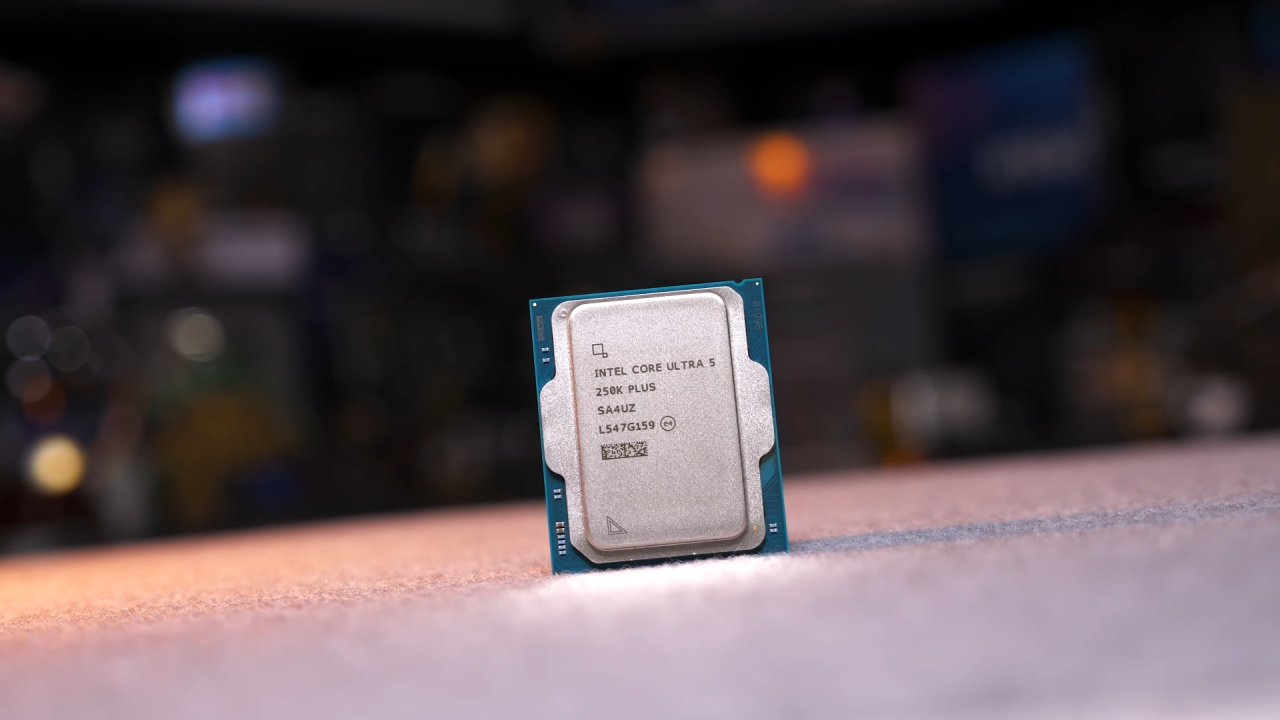
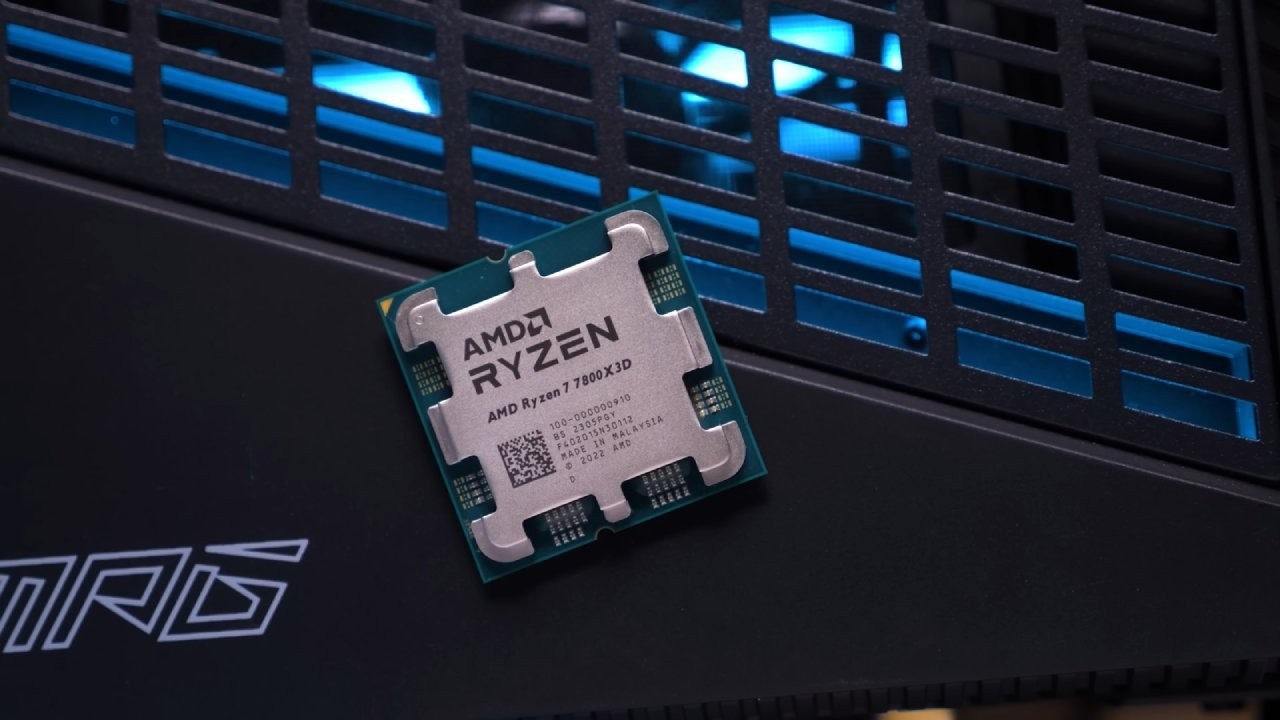
Specs & Architecture: Brute Force vs Cache Engineering
At a glance, Intel's Core Ultra 5 250K Plus looks like the more aggressive all-rounder. It packs 18 cores (6 Performance + 12 Efficiency), boosts up to 5.3 GHz, and is backed by 60 MB of total cache, with a 125W base TDP. This is a CPU designed to chew through parallel workloads, multitasking, and heavily threaded productivity tasks without breaking a sweat.
AMD's Ryzen 5 7600X3D takes a radically different approach. With just 6 Zen 4 cores, it doesn't try to compete on raw core count. Rather, it has taken advantage of its huge total cache size (96MB L3 + 6MB L2) and a relatively low TDP (65W) to achieve the highest gaming performance per wattage. The philosophy is simple: reduce memory latency, feed the GPU faster, and win where frame rates matter most.
This is the classic clash of architectures—Intel's hybrid scalability versus AMD's latency-optimized gaming design.
The Benchmarks: Where the Real Divide Emerges
In gaming performance, AMD continues to hold a familiar but important lead. Across modern 1080p gaming benchmarks, the Ryzen 5 7600X3D comes out roughly 10% faster overall, firmly securing the crown for pure gaming value. That advantage might not sound massive on paper, but in competitive CPU-limited titles, it translates into consistently higher frame pacing and stronger 1% lows.
This is where AMD's 102MB cache continues to justify its reputation. Games that rely heavily on asset streaming and memory access patterns still scale exceptionally well with 3D V-Cache, giving AMD the edge in FPS-per-dollar efficiency.
However, the story shifts when efficiency is measured differently. The Ryzen chip delivers about 2.58 FPS/W, making it roughly 38% more power-efficient in gaming than Intel's Core Ultra 5 250K Plus, which delivers about 1.87 FPS/W. AMD wins the efficiency war, but Intel answers with a surprising twist.
Thermals tell a different story entirely. The Core Ultra 5 250K Plus runs impressively cool under gaming loads, averaging just 48°C, compared to the Ryzen 7600X3D's warmer 64°C. That heat difference is largely attributed to AMD's stacked V-Cache design, which naturally traps thermal density despite lower overall power draw.
So while AMD is more efficient, Intel is cooler in practical gaming conditions—a rare and unexpected split in behavior.
Productivity Performance: Intel's Uncontested Advantage
If gaming is a close fight, productivity is anything but.
The Core Ultra 5 250K Plus leverages its 18-core hybrid design to completely outclass the Ryzen 5 7600X3D in heavily threaded workloads. From video editing and rendering to encoding and intensive multitasking, Intel's extra cores will deliver higher throughput than AMD's at this price.
This, in real-world terms, equates to quicker exports, smoother background multitasking, and much greater headroom for creators and/or users who aren't merely playing games. AMD's 6-core configuration is very efficient, but it's just outgunned in gaming.
Two CPUs, Two Completely Different Winners
The key lesson of this game is that there is no definitive winner; someone is more dominant in one area than another, depending on your workload.
For those who are primarily gamers and consider every frame crucial, the AMD Ryzen 5 7600X3D is undoubtedly the top performer. With 10% gaming lead, a huge 102MB cache, and excellent FPS per Watt (2.58 FPS/W), it is the best pure gaming CPU available in this price range.
It is the definition of optimized performance for gamers seeking maximum output on a mid-range budget.
However, if your workload extends beyond gaming—streaming, editing, rendering, or running multiple demanding applications—the Intel Core Ultra 5 250K Plus becomes the smarter investment. Its 18-core configuration simply overwhelms AMD in productivity tasks, and its surprisingly low 48°C gaming thermals make it a highly stable all-rounder.
In the end, this is not a battle of superiority, but a split in philosophy. AMD builds for gaming purity. Intel builds for workload versatility. And at the $200 mark, both approaches feel more refined—and more competitive—than ever.
Senior Editor, NoobFeed
Gaming Hardware Updates
No Data.