
Intel Arc B580 1440p Gaming Performance One Month Later
A month long daily experience with Intel Arc B580 reveals stable drivers and capable 1440p performance.
Hardware by Nahe Yan on Dec 15, 2025
Switching from AMD and Nvidia cards to Intel Arc B580 changed my daily experience at 1440p after using them for my whole life. Early launch problems, a lot of memes.
The perception that Intel GPUs are still unreliable or inconsistent all helped form expectations. A month of everyday use tells a different story.
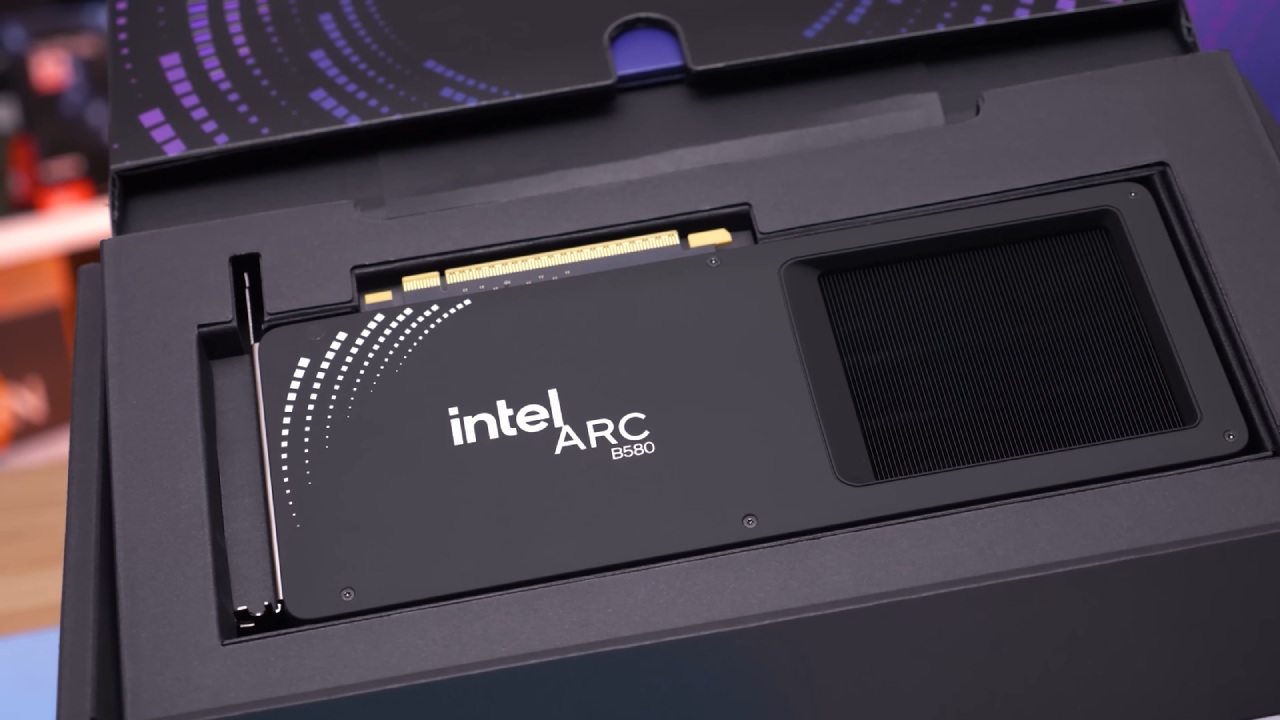
How to Live with Intel Arc B580
We switched to Intel Arc B580 and drove it at 1440p every day for a month. Before stepping in, they thought they might have problems. ARK's launch didn't go well, and the bad reputation persisted. The experience was better than expected after living with the card day in and day out. Arc has made significant progress. Drivers were stable,
Arc Control was smooth, and the B580 was well enough for modern games. We focused on games people actually play, since gameplay matters, and the results astonished us.
Architecture of Modern Games and Arc
Marvel Rivals was a great example of Intel architecture. Arc works well in this setting because the game uses updated graphics techniques. Frame pacing was steady, input responsiveness felt quick, and it was possible to get high refresh rates at 1440p. Arc acts like a separate GPU when games use newer technologies. This shows where Intel is headed.
Fortnite and Esports Testing Fortnite on DX12 went above and beyond what was expected. Earlier footage showed instability, but that wasn't the case right now. Frame times stayed the same, visuals stayed the same, and massive build fights didn't destabilize the game.
The card had no trouble running Fortnite at 1440p in 2025. They also tried out Valorant. There were no visual issues in Arc, the FPS remained high, and the animations stayed the same. Arc works as intended if you only play esports games.
Long Sessions and Heavy Titles
Starfield was going to put a lot of stress on the GPU. Even with higher-end cards, the game is still hard. Starfield becomes playable at 1440p after minor adjustments. It wasn't possible to get high refresh rates, but the system was stable and consistent.
The result was impressive for a mid-range GPU. Arc did better than people expected. Long gaming sessions on Fortnite and Marvel Rivals stayed stable, with no drops, no overheating, and no difficulties in the background. That consistency improved Arc's reliability when used daily.
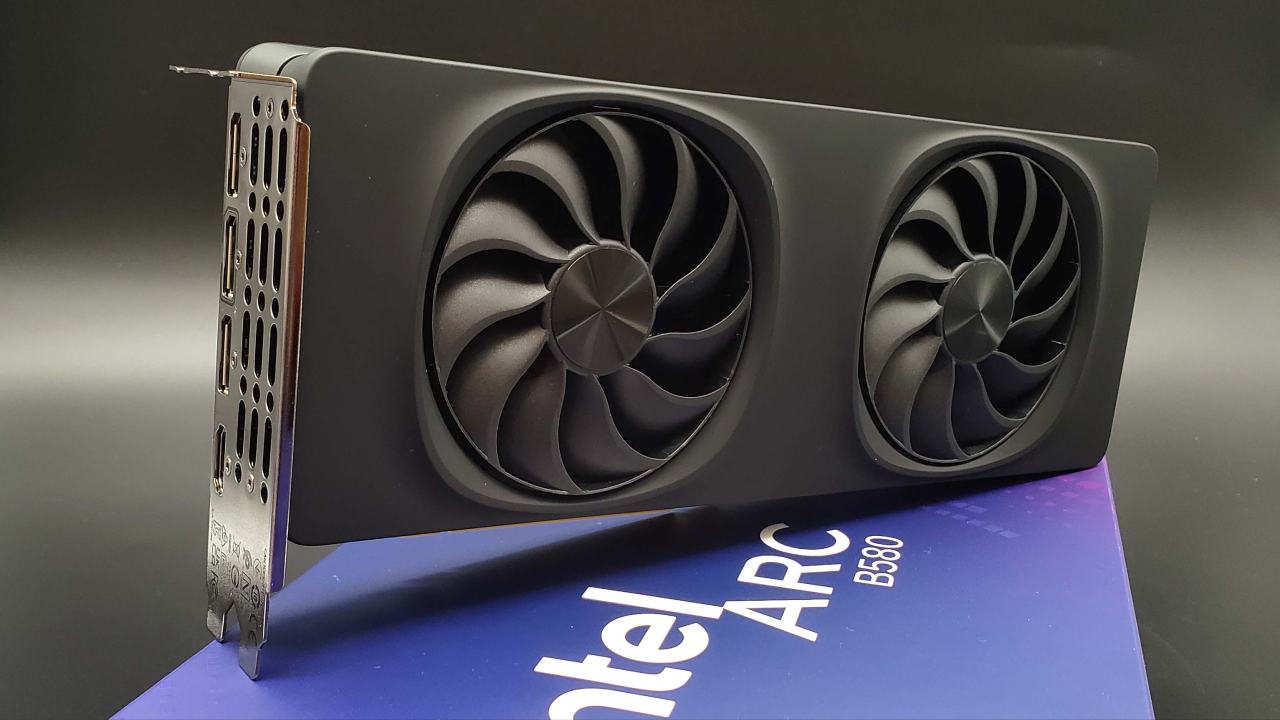
Image Reconstruction and Upscaling
At 1440p, the quality of the reconstruction is important. XeSS got better and could be used. It looks okay in some games, but it doesn't match DLSS 4 or FSR 4. Those choices do a better job of rebuilding detail and maintaining stable motion. Depending on the title, XeSS can still exhibit shimmer or detail loss. Native 1440p resolution generally means you don't have to upscale.
In many cases, arc performance in modern games lets you render things natively. There is 12GB of VRAM on the B580. This is important at 1440 p.m. Textures in many recent games take up between 10GB and 12GB.
Use Every Day and Work with Media
Gaming is only one thing people do every day. Arc stayed the same outside of games. Desktop use was responsive, multi-monitor configurations performed as expected, and there were no issues with video playback. Intel's AV1 encoder was the best for recording and editing. There were no stutters, frame dips, or desync issues when recording with OBS. The power consumption was what we expected for a mid-range GPU. The fans and thermals stayed under control all month.
Features that are Missing
There is still one feature missing. Intel does not have a built-in clipping tool. Nvidia has ShadowPlay, and AMD has ReLive. There is nothing like Intel. This absence becomes clear if you repeatedly catch highlights.
Other options at the Same Price Point
RX 9060 XT and RTX 5060 are two similar alternatives. The prices of these cards are almost the same. RX 9060 XT comes in two sizes: 8GB and 6GB. RTX 5060, on the other hand, is available only in 8GB. Intel has an advantage in heavier games because its VRAM capacity exceeds the B580's 12 GB limit.
RX 9060 XT and RTX 5060 are better because they can upscale. DLSS4 and FSR4 make things clearer and keep motion more stable than XeSS. If picture reconstruction is the most important thing, those choices seem more complete.
Intel's Path
Intel's progress is still impressive. B580 is the only second-generation Intel gaming graphics card. Things have gotten better quickly. Driver updates come out all the time, and the system keeps getting more stable. If Battlemage and others keep up this pace, a three-way GPU market could become a reality. Competition pushes prices and progress ahead.
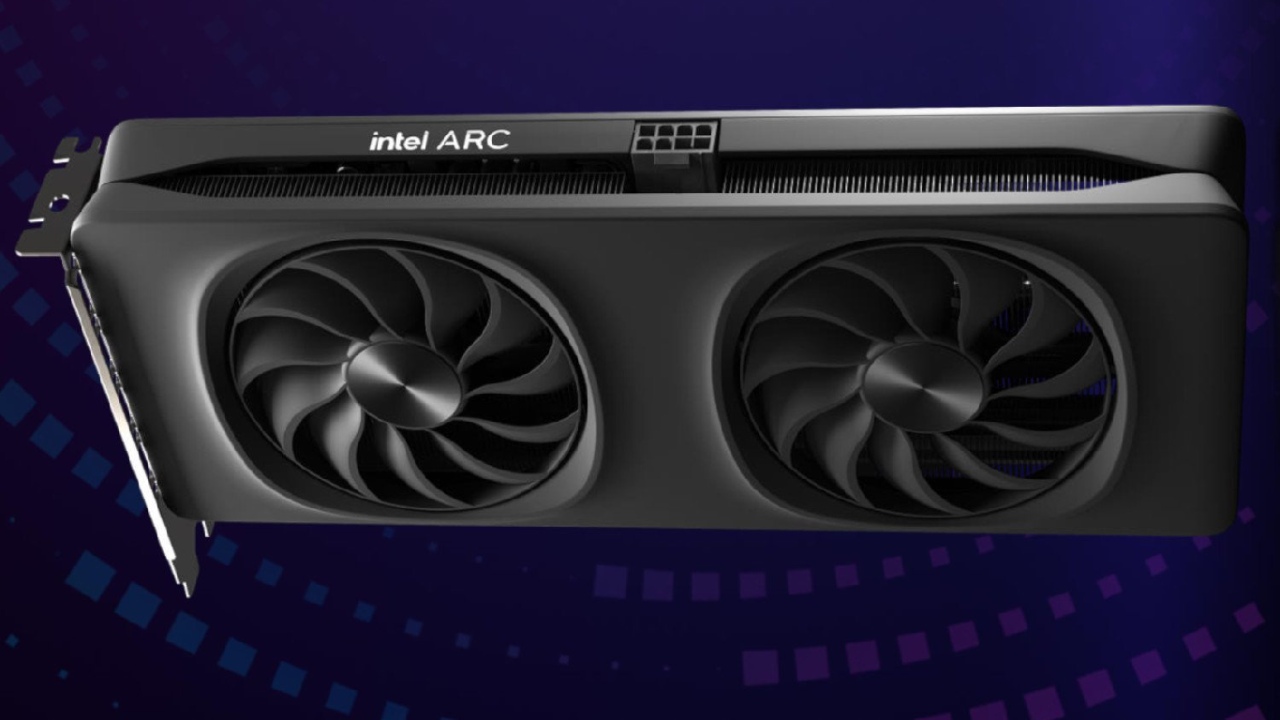
Final Thoughts
After using the Intel Arc B580 for a month, my experience is different from what I've read online. It still has certain boundaries, but it no longer fits the idea people usually have of Arc. B580 can be a 1440p GPU with room to grow if you pay the appropriate amount. The experience makes people more confident about Intel's future in the GPU market.
Also, check our other Intel chips Articles below:
- Intel Core Ultra 9 285K Review And Performance Breakdown (2025)
- Intel Core Ultra 9 285K vs AMD Ryzen 7 9800X3D: In-Depth Gaming Performance and Benchmark Comparison
- Intel Core i5-13400F Gaming Performance: Still Worth It in 2025?
- Intel Core i9‑14900K vs. AMD Ryzen 7 7800X3D: Power Profiles & Gaming Benchmarks
- Intel Core i9 14900K: Specs, Benchmarks, and Competitor Comparison
- Intel Core Ultra 5 245K Review: Gaming, Productivity & Power Efficiency Tested
- Intel Core Ultra 9 285 K's iGPU Gaming: In-Depth Benchmarks & Analysis
- Intel vs. AMD Gaming Laptop: Performance, Thermals & Battery Life Compared
- AMD Ryzen 7 9800X3D vs.7800X3D vs. Intel Core Ultra 7 265K: Gaming, Thermals & Price Analysis
Editor, NoobFeed
Gaming Hardware Updates
No Data.