
Intel Core Ultra 200 Plus CPUs Bring Big Performance Gains at Lower Prices
Improved multi core efficiency and higher sustained boost speeds enhance gaming results without major architectural changes in new Plus series.
Hardware by Tanvir Kabbo on Mar 26, 2026
Intel's desktop CPU segment has had a lot of trouble in the previous few years. It hasn't been a pleasant time for a corporation that has been the leader in the desktop CPU industry for decades. There have been problems with overheating processors and widespread worries about instability in the 13th and 14th-generation range.
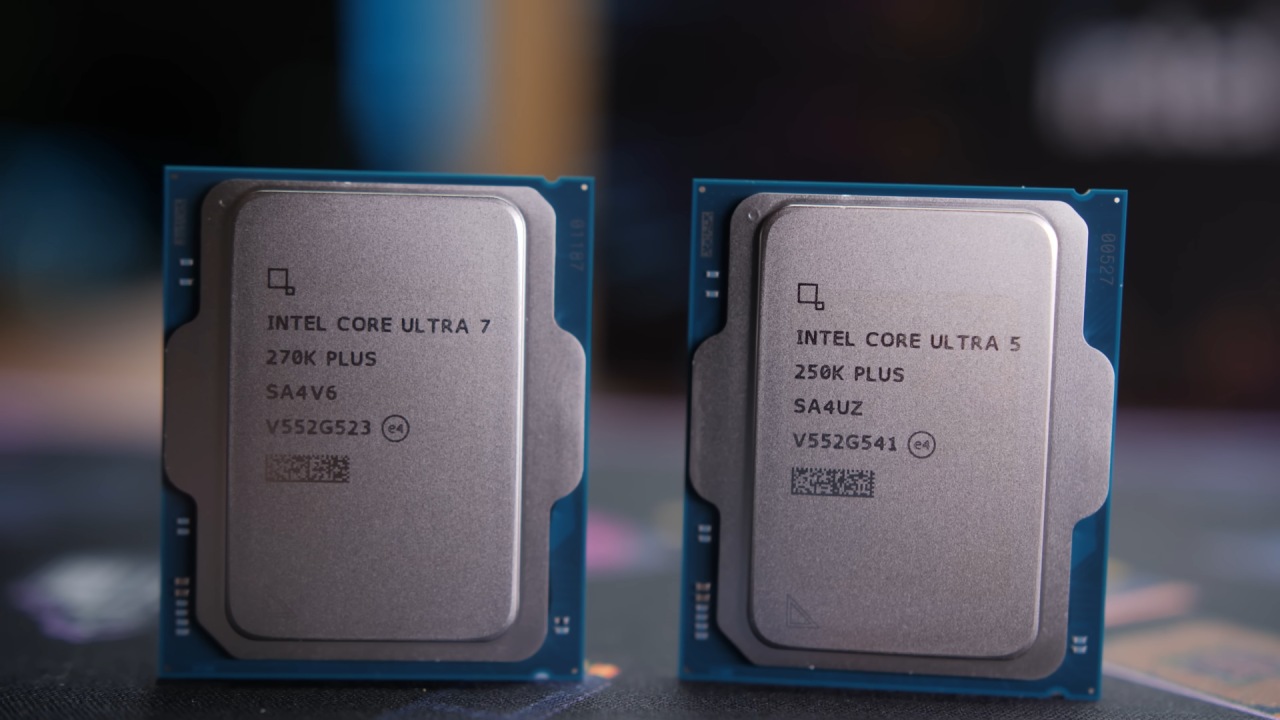
Intel wanted to put those problems behind them by the end of 2024 with the release of Core Ultra CPUs. Power use got a lot better, and the architecture got a lot more efficient, but performance was still a worry. The new Core Ultra 250K Plus and 270K Plus desktop CPUs come into play here. They are quite fast and have a shockingly low price.
Not a New Generation, But a Meaningful Refresh
The name of the Core Ultra 200 Plus series makes it clear that it is not a fully new generation or architecture. Instead, it expands on the current Core Ultra portfolio with small but important changes. At first, it could seem like expectations are too high, as "Plus" models usually mean small changes instead of big improvements.
The differences on paper include a few more e-cores, a little rise in boost clock speeds, and a small rise in cache. The most important shift, though, is how these CPUs handle tasks.
They can keep greater speeds going on more cores at the same time. Single-threaded performance may not look very different, but multi-core performance does become better, which is very important for modern gaming and productivity applications.
Aggressive Pricing Changes the Game
The prices of these new CPUs are one of the most startling things about them. The Core Ultra 250K Plus starts at only $199, which is more than $100 less than the Core Ultra 5 245K. Intel says that in addition to the price cut, gaming performance will go up by an average of 13%, with four more e-cores and a 100MHz boost in the highest turbo frequency.
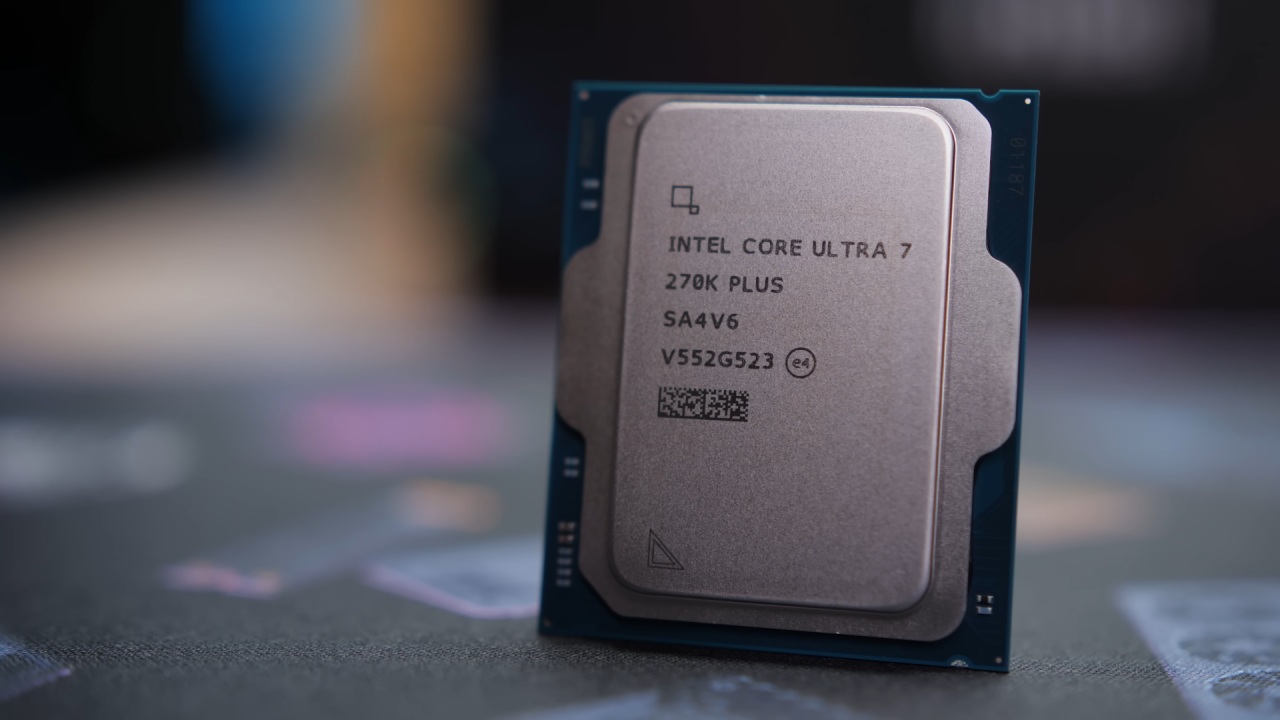
Like the Core Ultra 270K Plus, it also gets four more e-cores while keeping the same boost clock speed on paper. It costs $299, which is around $100 less than the price of the first one when it came out. These big price cuts make many wonder if they can trust the performance, but benchmark results say otherwise.
Gaming Performance That Surprises
We used an RTX 5090 GPU to test both CPUs on a variety of recent AAA games at 1080p, 1440p, and 4K to reduce bottlenecks. The Ultra 5 250K Plus beat the 9600X by more than 50fps at 1080p in Art Raiders, reaching more than 200 fps. The 270K Plus was better than both the 9700X and the 7800X3D.
The 250K Plus kept impressing at 1440p, beating the 7800X3D and doing far better than the 9600X. The 270K Plus gave us a little over 200 fps. Even at 4K, where GPU restrictions are most important, both CPUs did well, with the Ultra 5 only 2fps behind the 7800X3D at 187fps and 182fps, respectively.
Battlefield 6 showed that the Ultra 5 250K Plus was better than the 9600X and 6fps faster than its predecessor at 1080p. The Ultra 7 270K Plus was a little worse than the last generation, although it was still faster than the 7800X3D. The Ultra 5 reached 165 fps at 1440p, while the Ultra 7 reached 172 fps, both of which are still competitive.

Call of Duty Black Ops 7 Zombies also had very good results. The Ultra 5 got 234 fps at 1080p, and the Ultra 7 got 233 fps, which was better than other Ryzen CPUs. At 1440p, the Ultra 7 tied the 9700X at 201.1fps, and the Ultra 5 kept getting great performances. Both CPUs kept their edge over other models at 4K.
At 1080p competitive settings, Fortnite put a lot of strain on the CPU. The Ultra 5 was a little better than the 9600X, and the Ultra 7 was better than the 7800X3D. Interestingly, non-plus CPUs often worked better in this case, probably because of changes in the scene and very limited CPU resources. At high 4K settings, both Plus CPUs got their edge back and beat the other alternatives.
The outcomes in Marvel's Rivals were more uneven. Both CPUs did well at 1080p, but they couldn't beat the 9700X or 7800X3D. They still worked well at 1440p and 4K, but they weren't quite as good as AMD's best products.
The Strength of Price-to-Performance
In most gaming situations, these new CPUs are better than AMD CPUs in the same price range. They are quite appealing, especially for gaming builds, because they perform well and are priced aggressively.
The Ultra 5 250K Plus is a great value choice since it offers performance improvements that are far better than those of other products in the same price range.
The Upgradeability Concern
There is one big problem with it, even though it works well and is cheap: it can't be upgraded. This range is likely to be the last one to use Intel's existing socket. That implies you'll probably need a new motherboard for future upgrades, which will limit your options in the long run.
On the other hand, AMD's platform is known for its long-term support and upgrade routes. When deciding between platforms, this difference is very important, especially for consumers who wish to upgrade in the future.
A Competitive Dilemma in 2026
If you're designing a gaming PC, these CPUs make things more complicated. If you're on a budget, the Ryzen 5 9600X is a good choice, but it means giving up a lot of gaming performance. The 250K Plus is a better choice if you want to be able to upgrade in the future.
The Ryzen 9700X is a safer upgrade option for mid-range rigs, but it doesn't boost performance. The 270K Plus, on the other hand, boosts performance at a lower cost but limits future CPU upgrades.
A Much-Needed Shift in Competition
This circumstance is a welcome change for the CPU market. AMD has been in charge for a long time, but Intel's low prices and strong performance put significant pressure on AMD again. Even though memory and GPU prices are going up, the timing may not be perfect. These CPUs are a big stride ahead.
Intel is back in the game with products that offer great value and performance. But in the end, the choice comes down to what is most important. These CPUs are quite appealing if performance and value right away are the most important things. If being able to upgrade in the future is important, the choice gets harder.
Also, check our other hardware articles:
- AMD Ryzen 9 9950X3D Review: Setting The Standard For 2025 Gaming CPU
- Amazon Luna 2025 Review: Is Prime Gaming's Cloud Service Your Go-To For Casual Fun?
- AMD RX 9070 XT Review: AMD's RDNA 4 Champion for 1440p Gaming
- GeForce Now Ultimate: Ditching Your Gaming PC For Cloud RTX 4080 Power?
- NVIDIA GeForce RTX 5080 Review (2025): Still A 4K Gaming Powerhouse?
- Intel Core Ultra 9 285K Review And Performance Breakdown (2025)
- AMD Ryzen 7 9800X3D Review: 3D V-Cache Goes God Mode with Stunning Gaming Performance
- Intel Core Ultra 9 285K vs AMD Ryzen 7 9800X3D: In-Depth Gaming Performance and Benchmark Comparison
- NVIDIA GeForce RTX 5080 Super Performance In Cyberpunk 2077: Path Tracing & DLSS 4.0 Tested
- AMD Radeon RX 9070 XT In Cyberpunk 2077: Ray Tracing & FSR 4.0 Tested
- Intel Arc B580 Review: The $250 GPU Revolutionizing 1440p Gaming
- Intel Arc B570 Vs. B580: Value, Specs, And Real-World Gaming Performance
- RTX 5090 Laptop Vs. M4 Max MacBook Pro: Ultimate Raw Performance Vs. Battery Endurance
- Intel Arc b580 Vs. RTX 4060: Game Performance And Value Analysis
- RTX5090 Hell Is Us Demo 4K Ultra Benchmark: DLSS Vs. Native Performance Guide
- NVIDIA RTX 5070 Review: Mid-Range Muscle or Marketing Hype?
- Nintendo Switch 2 Review: Handheld Performance, Features & Value Breakdown
- RTX 5070 Ti Review: Performance, Thermals & Power Efficiency Tested
- Samsung Odyssey OLED G81SF Review 2025: Ultimate 32-Inch QD-OLED Gaming Monitor
- AMD RX 9070 Performance Review: Thermals, Clocks, and Real-World FPS
- AMD Ryzen 5 7600 Review: Best Budget Gaming CPU of 2025?
- AMD Radeon RX 7800 XT Review: RDNA 3 Power For Midrange Gaming
- Asus ROG RTX 5090 Astral OC Vs. Founders Edition: The 4K Gaming Benchmark
Senior Editor, NoobFeed
Gaming Hardware Updates
No Data.