
Intel Core Ultra 7 251HX Leaks Show Huge Efficiency Lead Over i9-14900HX
Intel’s new Core Ultra 7 251HX prioritizes efficiency scaling over brute-force wattage and excessive core count strategies.
Hardware by Tanvir Kabbo on May 24, 2026
For years, high-end gaming laptops have chased desktop-class performance at the cost of unbearable thermals, screaming fans, and rapidly collapsing boost clocks under sustained workloads. Mobile CPUs kept adding more cores and higher power targets, but the cooling systems inside even premium chassis struggled to keep pace.
That is why the latest leaked Cinebench R23 benchmarks for Intel’s upcoming Core Ultra 7 251HX are far more important than a simple generational performance comparison. Intel’s new Arrow Lake-HX architecture appears to be attacking the real issue in mobile gaming hardware: performance-per-watt.
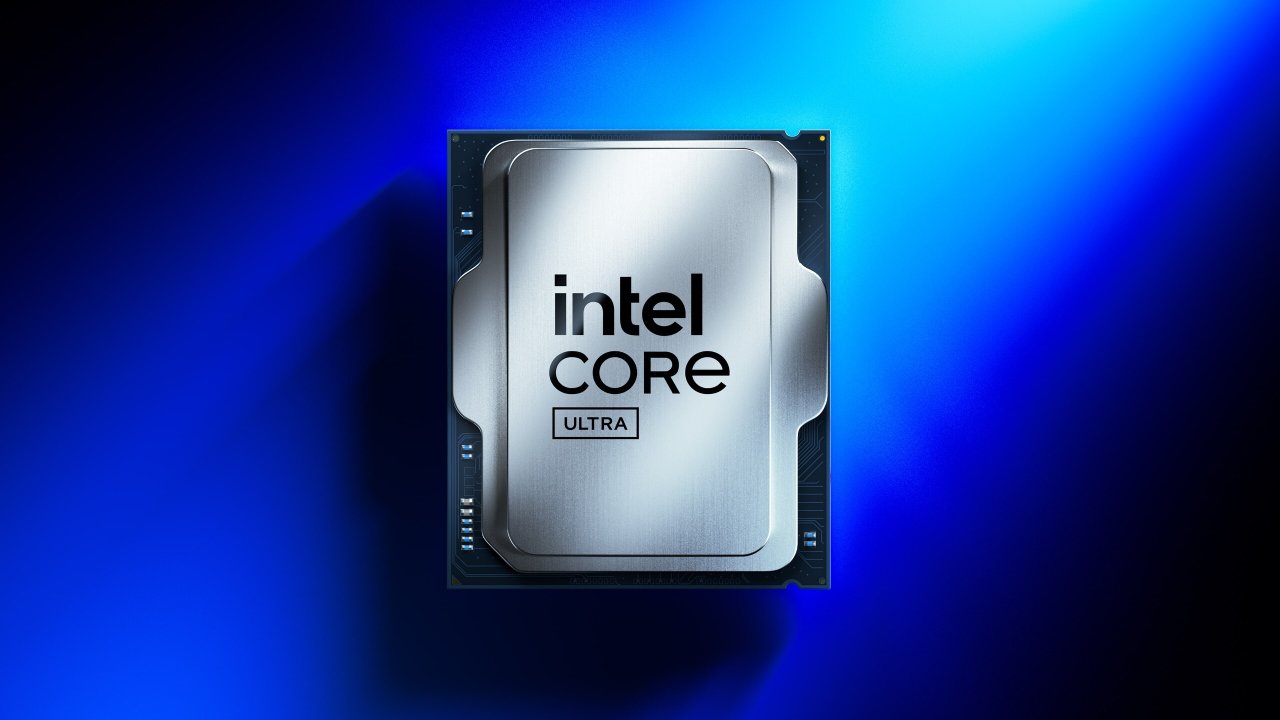
Instead of brute-forcing benchmark wins through extreme power consumption, the leaked data suggests that Arrow Lake-HX is delivering flagship-class throughput while drawing dramatically less power. For laptop gamers tired of thermal throttling and inconsistent frame pacing during long sessions, that shift could reshape the entire premium notebook market heading into 2026.
Intel Matches the i9-14900HX With Fewer Cores
The leaked Intel Core Ultra 7 251HX reportedly features an 18-core layout built around 6 Performance cores and 12 Efficiency cores. On paper, that already looks smaller than the current flagship Core i9-14900HX, which carries a much larger 24-core configuration with 8 P-cores and 16 E-cores.
Despite that deficit, the Core Ultra 7 251HX allegedly reaches nearly 30,000 Cinebench R23 multi-threaded points when operating at around 140W. That places it directly alongside the Core i9-14900HX in raw throughput.
The significance is not merely the score itself. Intel is reportedly achieving parity with six fewer cores and a fundamentally lower-power architectural philosophy. That points toward major IPC refinements, smarter scheduling behavior, and substantial efficiency gains inside Arrow Lake-HX.
The Real Victory Happens Below 100W
The most important numbers from the leak are not the peak scores. They are the low-power results.
At just 50W, the Core Ultra 7 251HX reportedly breaks past 20,000 Cinebench R23 points, while the older Core i9-14900HX struggles to even reach 18,000 points under the same restriction.
That gap is massive in the laptop space.
Gaming notebooks rarely sustain maximum turbo power indefinitely outside of synthetic tests. Once thermal saturation begins, CPUs rapidly settle into lower sustained wattage ranges. That means sub-100W behavior often defines real-world gaming performance far more than short-duration peak boosts.
The leak also shows the 251HX maintaining a commanding lead at 70W, reinforcing the idea that Arrow Lake-HX is designed to remain efficient under realistic laptop cooling conditions rather than chasing temporary benchmark spikes.
Intel Appears to Be Rewriting the Mobile Scaling Formula
The leaked results strongly suggest Intel has shifted priorities for the Arrow Lake-HX lineup.
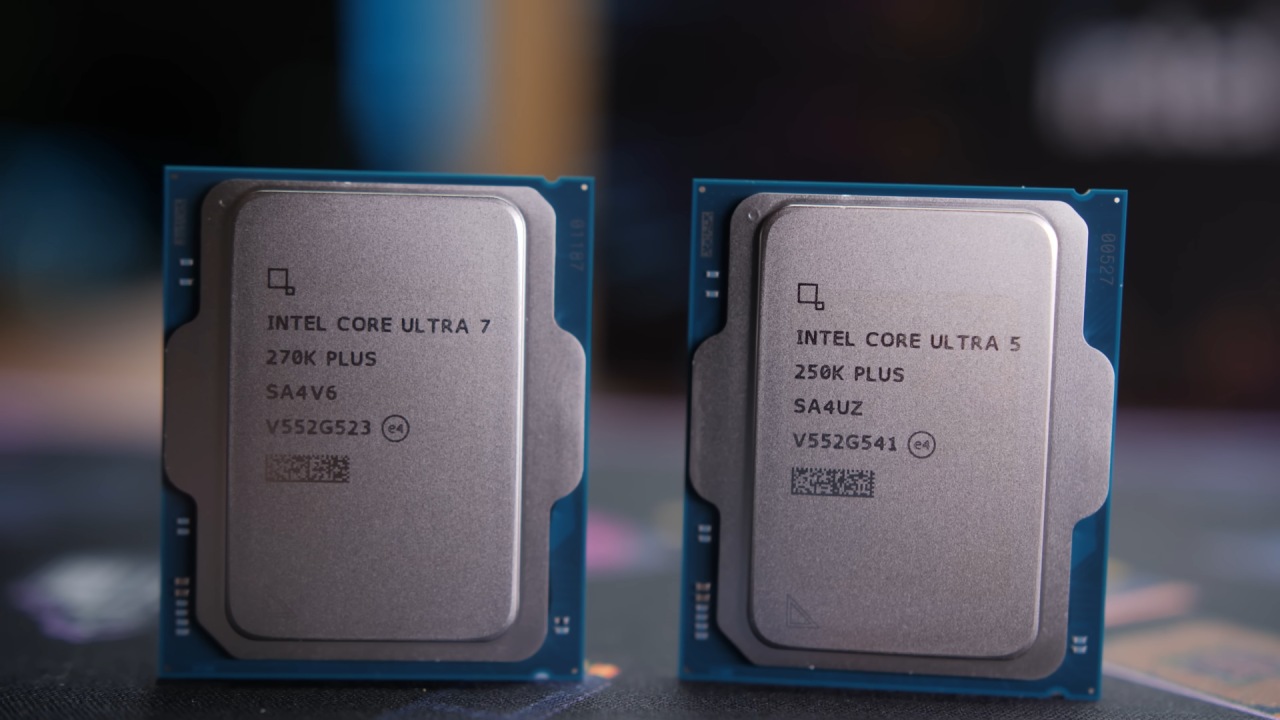
The Core Ultra 7 251HX sits between the Ultra 5 245HX and Ultra 7 255HX, yet its efficiency profile makes it arguably one of the most strategically important chips in the stack. Rather than relying on excessive core counts and aggressive voltage behavior, Arrow Lake appears focused on extracting more performance from every watt consumed.
That architectural shift matters enormously for gaming laptops.
Lower power draw directly translates into lower heat density inside the chassis. Cooler silicon enables higher sustained boost clocks, quieter fan curves, improved keyboard temperatures, and potentially thinner designs without sacrificing long-session stability.
An efficient CPU also frees additional thermal headroom for the GPU, which remains the most important component in gaming performance. If the processor no longer demands extreme cooling, laptop manufacturers can allocate more thermal capacity to maintaining higher GPU clocks for longer periods.
In practical terms, that could mean smoother frame rates, less thermal oscillation, and fewer moments where expensive gaming laptops suddenly sound like jet engines during extended play sessions.
Arrow Lake-HX Could Become the Most Balanced Intel Mobile Generation in Years
If these leaked benchmarks hold true in retail testing, Intel may finally have a mobile architecture that prioritizes the realities of laptop design rather than simply scaling desktop behavior downward.
The Core Ultra 7 251HX, matching the Core i9-14900HX at high wattage, is impressive. Beating it decisively at 50W and 70W is the real headline.
For buyers considering heavily discounted current-generation Core i9 gaming laptops, the decision suddenly becomes more complicated. Existing Raptor Lake Refresh systems still offer exceptional peak performance, but many achieve it at extremely high power consumption that often overwhelms cooling systems during sustained workloads.
Arrow Lake-HX appears positioned to deliver similar or better sustained performance with less heat, less noise, and potentially better battery behavior outside gaming scenarios.
Intel’s leaked Core Ultra 7 251HX benchmarks suggest the company finally understands what laptop enthusiasts have been demanding for years.
Raw benchmark dominance no longer matters if the chassis cannot sustain it comfortably.
An 18-core Arrow Lake-HX processor matching a 24-core Core i9-14900HX while dominating at lower wattages represents a potentially enormous turning point for gaming notebook design.
If OEMs pair these chips with stronger cooling systems and next-generation GPUs, 2026 could deliver some of the first truly balanced high-performance gaming laptops in years — machines that no longer require desktop-class power consumption just to maintain flagship-tier performance.
Senior Editor, NoobFeed
Gaming Hardware Updates
No Data.