
Intel Panther Lake Challenges AMD and Nvidia in Laptops
Panther Lake marks a major shift in laptop performance by combining high efficiency, strong graphics capability, and improved power scaling.
Hardware by Tanvir Kabbo on Jan 29, 2026
The severe winter weather has thrown off usual patterns, making it necessary to keep working even when conditions aren't optimal. Power interruptions, dependency on backup energy sources, and poor connectivity have made it harder to get work done than usual.
Everyone involved is safe, comfortable, and able to work, even though the process is slower and more direct than usual. Now that we've set the stage, let's go on and talk about the content.
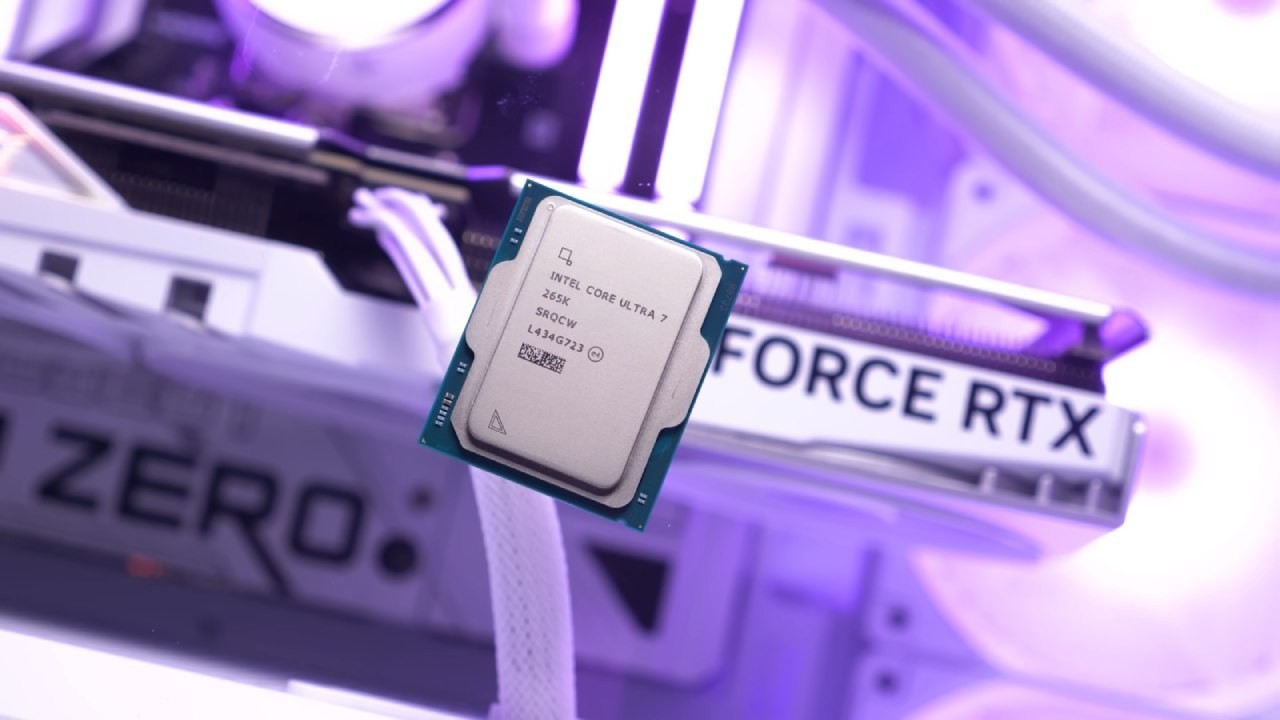
Panther Lake and What We Thought Would Happen
A few months ago, a big leak revealed what was then a contentious opinion: Panther Lake couldn't just do better than Gorgon Point to be seen as a success. It also had to compete with Strix Halo in a serious way, since it would be its actual competitor in terms of how much it would cost to make.
More information has backed up that assessment, showing that Panther Lake systems are likely to land around the $1300–$2000 region, which is quite similar to where Strix Halo laptops are right now as prices progressively drop because of new competition.
Even though CES left a big impression, people were careful about what they expected. People didn't think Panther Lake would be able to compete with Strix Halo so well.
What has been seen recently, though, is that Panther Lake can compete with not only RTX 4050-class performance, but also RTX 5050-class performance in normal situations. In some situations, Panther Lake can even beat Strix Halo. That result is really startling.
A Turning Point for Intel That Has Been Long-Awaited
After years of disappointing launches, it's clear that Intel has finally kept its long-standing promises. Panther Lake is the biggest Intel release since Alder Lake, and it might possibly be a greater deal. The reasons go beyond just the basic benchmarks.
They also include things like battery life, efficiency, and platform stability. All of these things together might make a lot of laptops useless and make AMD and Nvidia rethink their plans.
CPU Performance: Good, but with Nuance
The good news is that Panther Lake is clearly better than both Strix Point and Gorgon Point when it comes to single-threaded performance. The edge can be as much as 10% in Cinebench, but there are still several single-threaded tests where Strix Halo is ahead. This isn't a blowout win, but it is a steady lead.
When it comes to multi-threaded workloads, the story is more mixed. Panther Lake only slightly outperforms Gorgon Point, while the 16-core Panther Lake loses to the 16-core Strix Halo. This loss happens even at normal power levels, such 30W–45W, not simply at very high levels.
This result is interesting because both CPUs probably cost about the same to make because of trade-offs between die size, node, and advanced packaging. Even though Strix Halo is older, it is still amazing and can still compete at the proper pricing.
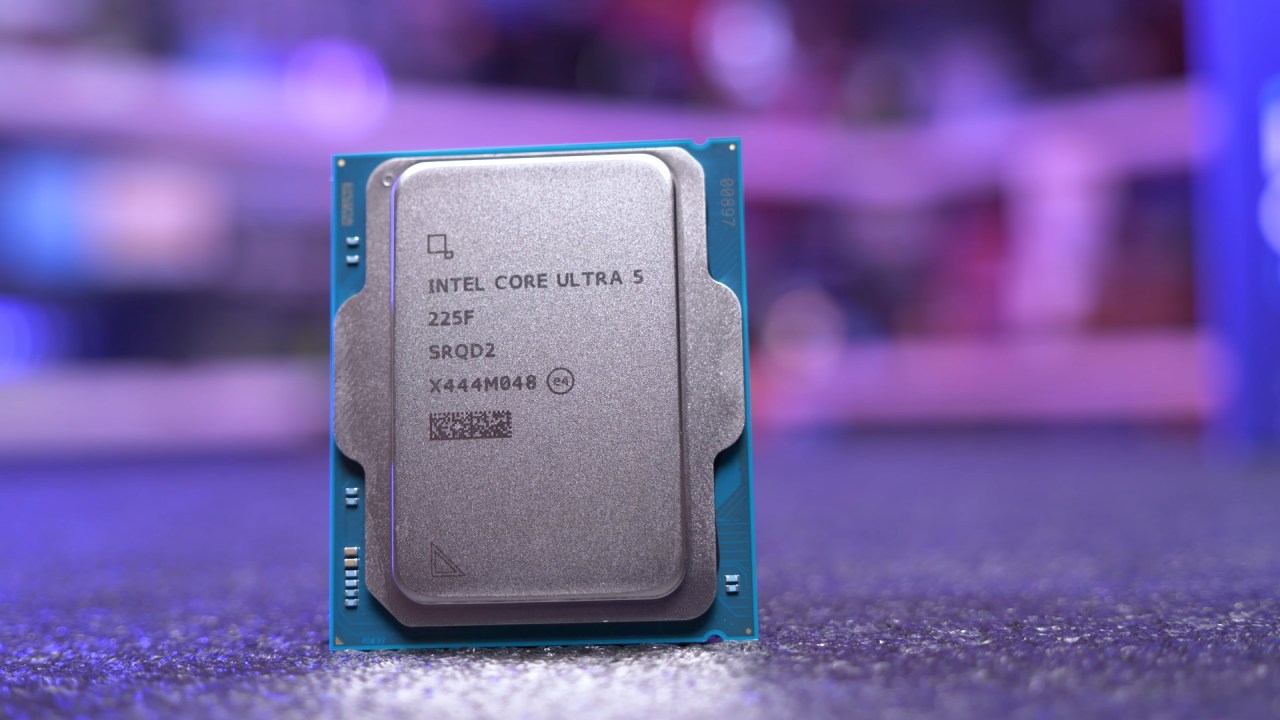
Where Panther Lake Really Shines: Low Power
When electricity drops below the 10W–30W range, everything changes. Panther Lake is the most important here. When the power is low enough, single-threaded performance can scale much better, in some cases seeing benefits of almost 4 times above AMD. This is the exact opposite of what happened with Meteor Lake, which had a lot of trouble at very low power.
This is an important achievement because a lot of individuals spend much of their time in these power ranges. Even though benchmarks tell a more complicated narrative, Panther Lake feels like a desktop replacement in regular use at these levels.
Battery Life and Integrated Graphics
One of the best things about Panther Lake is that it doesn't slow down much when you run it on battery. It can almost match the performance of an RTX5050 while running on battery. This affects the value proposition of many discrete GPU laptops in a big way. The appeal of lower-end discrete GPUs goes away if you can game on batteries, keep the fan noise down, and still get good performance.
From this point of view, it is quite hard to suggest an Nvidia laptop that is not in the highest-end tiers. If you don't need RTX 5080-class performance or better, the trade-offs don't make sense anymore.
Panther Lake can also beat AMD's finest, Strix Halo, in integrated graphics performance sub 30W. Intel also has Xe Super Sampling3, but AMD is still using FSR 3.1. This software mismatch is getting more and more clear. If Intel is ahead in both hardware efficiency and upscaling technologies, AMD could look like it's very behind unless FSR 4 comes to laptops shortly.
A Goal Reached, But Not Without Problems
A few months ago, the argument seemed clear: Panther Lake had to fight Strix Halo to be important. That aim has been met. At the time, it was reasonable to be skeptical, but being proven incorrect here is a good thing. Everyone wins when there is competition like this.
Panther Lake still has its challenges, though.
Anti-Consumer Naming and Lineup Confusion
Intel's naming policy is the most important problem right now. It's bad for customers to label most of the lineup as "H" parts when only some configurations come with the full12Xe-core GPU. If you don't receive the full GPU, a lot of models only have 4 Xe cores, which could cut graphics performance in half or worse.
There is no technological reason why Intel couldn't clearly separate these SKUs with different suffixes, as it has done in the past. Consumers suffer when names hide important differences in performance.
AMD’s Potential Countermoves
There are also reasons to think that Panther Lake's dominance may not persist without a fight. It looks like Strix Halo's memory controller isn't very well tuned below 20W, and trusted low-power APU tuning experts say that making it more efficient could lead to considerably higher performance.
An improved or refreshed Gorgon Point, together with possible changes to CCD management and memory handling, could probably compete directly with Panther Lake on a lot of workloads.
If the rumors about a "Gorgon Halo" are true and it comes out soon, AMD could catch up at a similar or lower cost by using cheaper packaging. Availability, on the other hand, is still a big worry. Strix Halo's impact has already been limited by the few laptop options available, even though Asus and HP make great products.
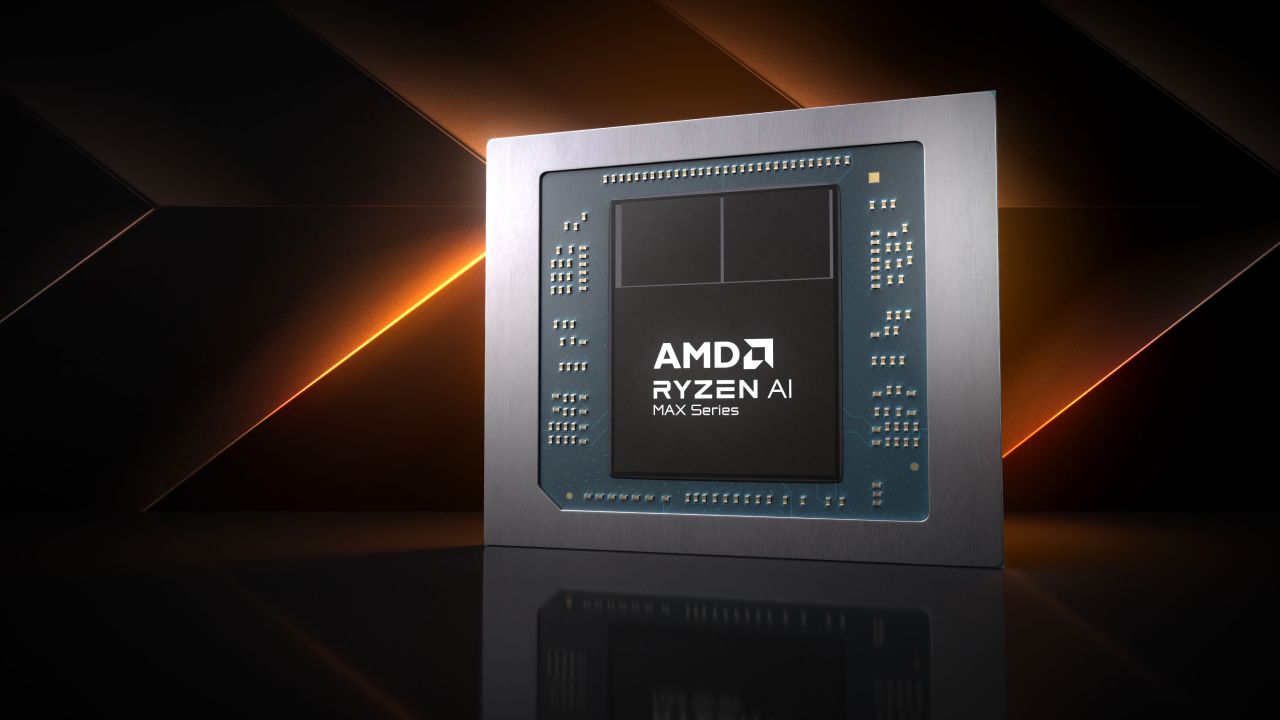
Market Impact and Availability
Intel may have the edge over AMD even if they are equal on paper since Intel is everywhere. If Panther Lake is offered on a lot of different laptop models, it will get a lot of market share just by being everywhere. Choice is important, and right now Intel seems to be able to give you more of it.
Driver Stability: A Big Win That Went Unnoticed
One of the most interesting reports is about driver stability. Early reports say that Panther Lake's graphics drivers are very stable and don't crash too often. There will always be some problems, but overall things are looking really good.
In fact, credible sources say that Panther Lake driver stability is better than AMD's and makes Nvidia's RTX50 laptop drivers look unreliable in contrast. Because of current worries about the instability of RTX50-series laptops, this is a big change from what people have always thought.
Final Thoughts
Panther Lake is a complete success for Intel, and it's the first one that really makes sense since Alder Lake. In many ways, it has an even bigger effect because it competes well in high-end markets on both price and performance, which Alder Lake never really did against good Zen3-based products.
This should be a wake-up call for AMD. It could cost a lot of money if the Zen6 versions around 3nm are delayed. Nvidia's mid-range laptop GPUs have never been worth less.
The final line is clear: Intel has given us a platform that transforms how we think about battery life, graphics, dependability, and efficiency. Intel is not only back in the news, but it's also leading the conversation for the first time in years.
Also, check our other Intel chips Articles below:
- Intel Core Ultra 9 285K Review And Performance Breakdown (2025)
- Intel Core Ultra 9 285K vs AMD Ryzen 7 9800X3D: In-Depth Gaming Performance and Benchmark Comparison
- Intel Core i5-13400F Gaming Performance: Still Worth It in 2025?
- Intel Core i9‑14900K vs. AMD Ryzen 7 7800X3D: Power Profiles & Gaming Benchmarks
- Intel Core i9 14900K: Specs, Benchmarks, and Competitor Comparison
- Intel Core Ultra 5 245K Review: Gaming, Productivity & Power Efficiency Tested
- Intel Core Ultra 9 285 K's iGPU Gaming: In-Depth Benchmarks & Analysis
- Intel vs. AMD Gaming Laptop: Performance, Thermals & Battery Life Compared
- AMD Ryzen 7 9800X3D vs.7800X3D vs. Intel Core Ultra 7 265K: Gaming, Thermals & Price Analysis
Senior Editor, NoobFeed
Gaming Hardware Updates
No Data.