
Intel Panther Lake Dominates Laptop CPUs With Breakthrough Efficiency and iGPU Performance
Panther Lake marks Intel’s strongest comeback in years, combining Aero Lake-class performance with Lunar Lake-level power efficiency.
Hardware by Tanisha Aria on Feb 06, 2026
The reviews for Panther Lake are in, and they paint a picture of a long-awaited improvement. Intel has finally made a laptop platform that not only catches up to the competition but often beats it.
This comes after several models that weren't very good. Panther Lake is the best PC laptop chip on the market right now, with high CPU speed, built-in graphics, and ease of use in real life.
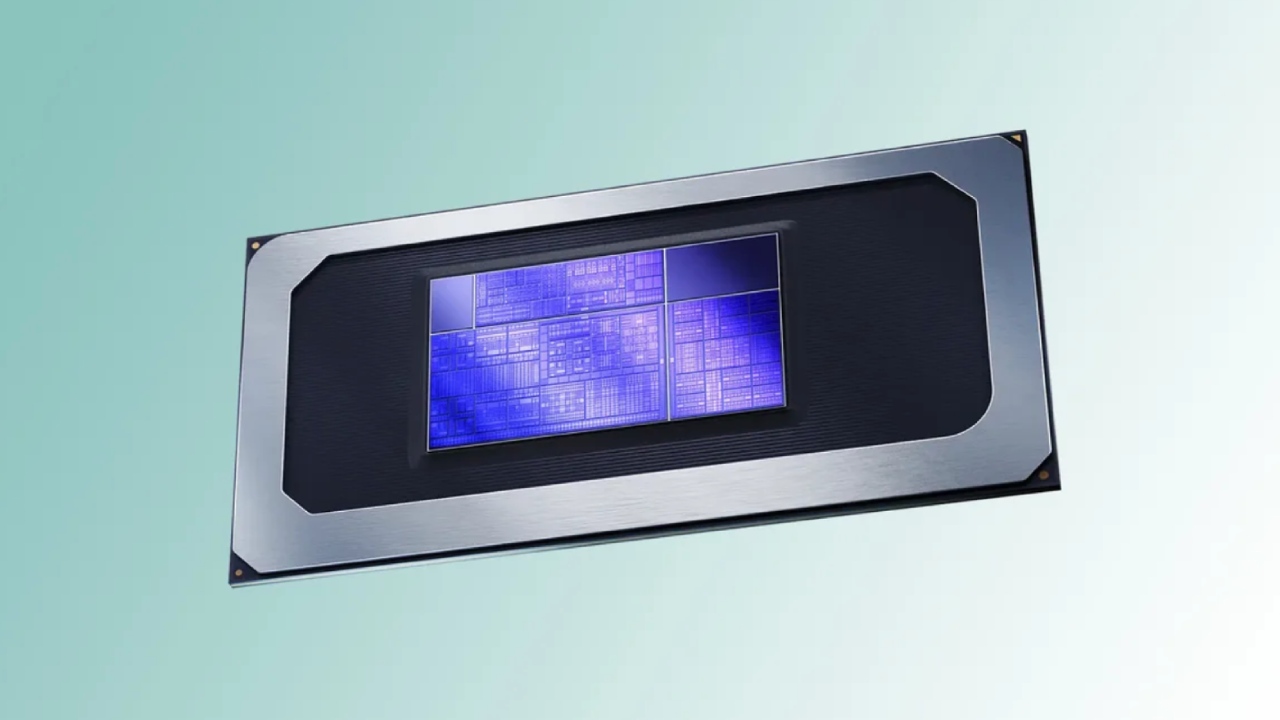
A Long-Awaited Intel Comeback
Intel has a clear win after a rough patch for the first time in a long time. Panther Lake manages to mix the performance traits we expected from CPUs in the Aero Lake class with the efficiency traits we were used to seeing with Lunar Lake. To put it simply, it gives the CPU a lot of power without sacrificing speed.
In laptops with dedicated GPUs, Panther Lake goes up against Strix and Gorgon Point systems, erasing AMD's speed edge while doing so more efficiently. That would be interesting in its own right, but the real story lies elsewhere.
Integrated Graphics That Change the Equation
Panther Lake really shines when it comes to graphics speed. There are only a few SKUs that are set up as big APUs, but those that are do very well. Lunar Lake already blew away its competitors in the 10W to 15W range, and Panther Lake keeps that edge even as it goes up to 20W and 25W.
If you go above those power levels, Strix Halo is still the best APU, beating other processors in tests like Geekbench single-threaded speed.
Strix Halo, on the other hand, is still an expensive, niche product that isn't used in nearly as many laptops as Panther Lake is supposed to be. Panther Lake has a much bigger effect on the market as a whole because it is available to more people.
Power Efficiency Where It Matters Most
Below 25W, Panther Lake clearly pulls ahead. Once you unplug it from the wall, it can beat Strix Halo by more than 10 percent in integrated graphics tasks. That's important because many computers use far less than 45W in real life.
We've long said that laptops that lose little to no speed when they're not plugged in are the best. In Panther Lake, they keep their word.
It can be only 10% to 20% slower than a Strix Halo when running on battery power, but it can perform as well as an RTX 5050 GPU. After that, it's hard to see why you would want anything less than an A5070Ti laptop GPU.
Pricing Pressure and Market Impact
Panther Lake doesn't just do better than its rivals; it also changes how much those competitors have to be priced. Strix and Gorgon Point are pushed into budget APU roles. To stay competitive, Strix Halo will need to significantly lower its price.
It's clear what to expect. The base model of the Strix Halo should cost $1500 or less, and the most expensive 12-core models with full compute units should stay under $2000. Panther Lake is simply a better deal in terms of efficiency, availability, and overall balance.
Stability and Real-World Reliability
One of the best things said about Panther Lake is that it is stable. Early testers say it's rock-solid and haven't heard of any crashes or major problems. That is very different from the starts that have gone badly for other new platforms.
Even though Intel's history of long-term support remains cautious, it is important to start from a stable place. If the first views are correct, Panther Lake should be seriously considered rather than doubted.
Why OEMs Initially Underestimated It
OEMs didn't have strong opinions at first, and it's easier to see why now. On paper, Panther Lake doesn't seem to offer significant CPU performance gains over other choices. It doesn't always make big gains in single- or multi-threaded tasks, and in some cases, it doesn't even beat Strix Halo.
What those numbers didn't say was how much better the efficiency and graphics performance were. Many OEMs didn't believe the claims this time because they had been let down by platforms that failed to deliver on their promises in the past. Panther Lake actually does what it says it will do, unlike other stars.
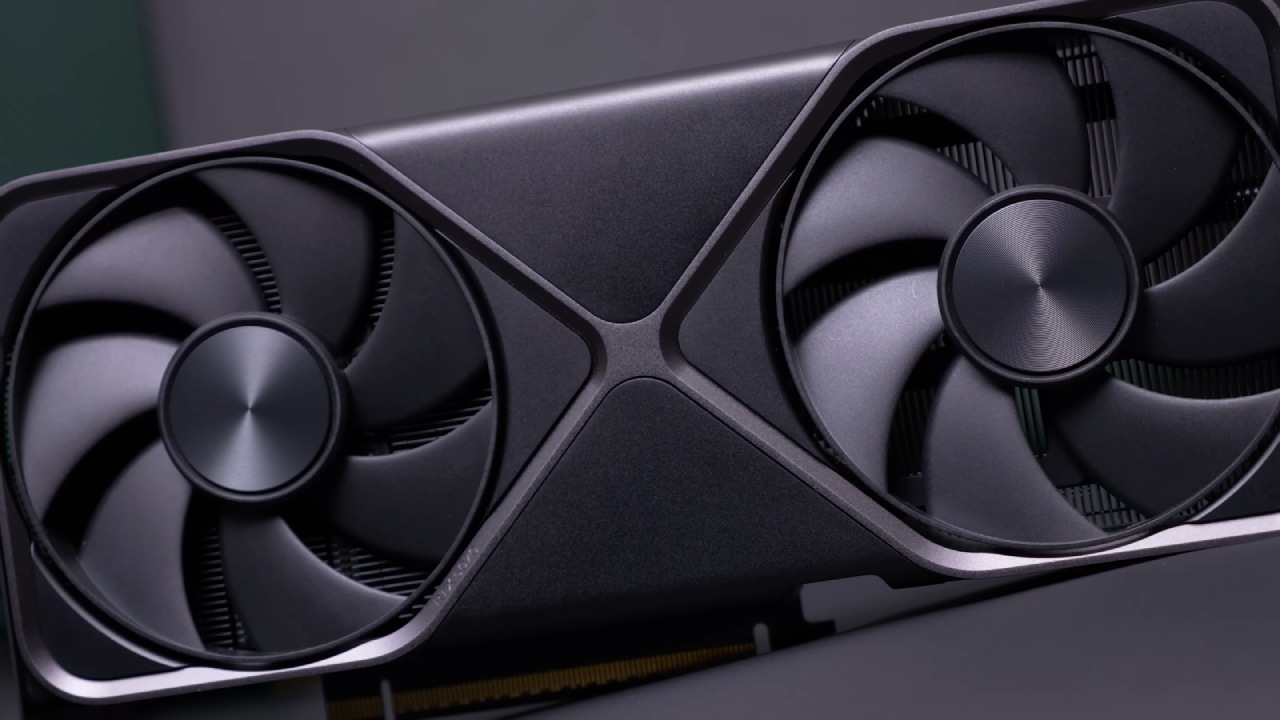
Availability Concerns and Market Perception
Panther Lake could still face two problems that could stop it from succeeding. The first is that it is available. It might not appear on many computers as quickly as it would like due to supply issues.
The second is how we see things. Years of over-the-top launches may have tamed excitement, even though Intel now has a really good product. Panther Lake may be having trouble, even though it has many good points, because trust takes longer to rebuild than successful leadership.
AMD's Possible Response
There are things AMD can do. Especially for Strix Halo, price cuts are the most obvious way to get people to buy. Also, firmware and efficiency improvements are possible, especially below 25W, where the memory controller's current behavior limits performance.
There are rumors that AMD could still react aggressively, especially for back-to-school systems, with updated or improved versions of Halo games. Any answer, though, must come with more chances to matter.
Bigger Picture for Laptops
Panther Lake is a great place to shop for most people who want to spend less than 2000 won. It has the best mix of performance, efficiency, graphics, and battery-friendly behavior right now, unless you are on a tight budget or want the absolute highest multi-threaded numbers.
It's getting harder and harder to justify dedicated GPUs below the 5070 Ti level, and Panther Lake only speeds up this trend.
Final Thoughts
Many people have been waiting years to see Intel work properly on a modern laptop platform, and Panther Lake is the first sign of that. It is very close to, and often beats, the best APUs in the power ranges that matter most. It does this while remaining stable and efficient, opening new ways to use it.
Panther Lake is the best all-around PC laptop chip right now, as long as it is available and doesn't cost too much. For you, that means better battery life, fewer trade-offs, and the clearest suggestion the laptop market has seen in a long time.
Also, check our other hardware articles:
- AMD Ryzen 9 9950X3D Review: Setting The Standard For 2025 Gaming CPU
- Amazon Luna 2025 Review: Is Prime Gaming's Cloud Service Your Go-To For Casual Fun?
- AMD RX 9070 XT Review: AMD's RDNA 4 Champion for 1440p Gaming
- GeForce Now Ultimate: Ditching Your Gaming PC For Cloud RTX 4080 Power?
- NVIDIA GeForce RTX 5080 Review (2025): Still A 4K Gaming Powerhouse?
- Intel Core Ultra 9 285K Review And Performance Breakdown (2025)
- AMD Ryzen 7 9800X3D Review: 3D V-Cache Goes God Mode with Stunning Gaming Performance
- Intel Core Ultra 9 285K vs AMD Ryzen 7 9800X3D: In-Depth Gaming Performance and Benchmark Comparison
- NVIDIA GeForce RTX 5080 Super Performance In Cyberpunk 2077: Path Tracing & DLSS 4.0 Tested
- AMD Radeon RX 9070 XT In Cyberpunk 2077: Ray Tracing & FSR 4.0 Tested
- Intel Arc B580 Review: The $250 GPU Revolutionizing 1440p Gaming
- Intel Arc B570 Vs. B580: Value, Specs, And Real-World Gaming Performance
- RTX 5090 Laptop Vs. M4 Max MacBook Pro: Ultimate Raw Performance Vs. Battery Endurance
- Intel Arc b580 Vs. RTX 4060: Game Performance And Value Analysis
- RTX5090 Hell Is Us Demo 4K Ultra Benchmark: DLSS Vs. Native Performance Guide
- NVIDIA RTX 5070 Review: Mid-Range Muscle or Marketing Hype?
- Nintendo Switch 2 Review: Handheld Performance, Features & Value Breakdown
- RTX 5070 Ti Review: Performance, Thermals & Power Efficiency Tested
- Samsung Odyssey OLED G81SF Review 2025: Ultimate 32-Inch QD-OLED Gaming Monitor
- AMD RX 9070 Performance Review: Thermals, Clocks, and Real-World FPS
- AMD Ryzen 5 7600 Review: Best Budget Gaming CPU of 2025?
- AMD Radeon RX 7800 XT Review: RDNA 3 Power For Midrange Gaming
- Asus ROG RTX 5090 Astral OC Vs. Founders Edition: The 4K Gaming Benchmark
Contributor, NoobFeed
Gaming Hardware Updates
No Data.