
Is 3D V-Cache Worth It for GPUs? Cost, Performance, and Architecture Tradeoffs
Why Bandwidth Sensitive APUs Sparked Serious Discussion About Implementing 3D V-Cache on Modern GPUs.
Hardware by Mitsuba Miyu on Feb 17, 2026
V-Cache on GPUs is once again being discussed because developers and fans are still looking for ways to improve designs that are bandwidth-sensitive, especially in APUs and new graphics cards. 3D V-Cache has changed the way CPUs work, but it's still not clear how it can be used and what it's worth on GPUs.
You need high-end memory to get the most out of an APU, given how bandwidth-sensitive they are. Of course, this makes you wonder why GPUs don't have V-Cache models. Is 3D V-Cache on GPUs really a good idea, or are there major problems that are holding it back?
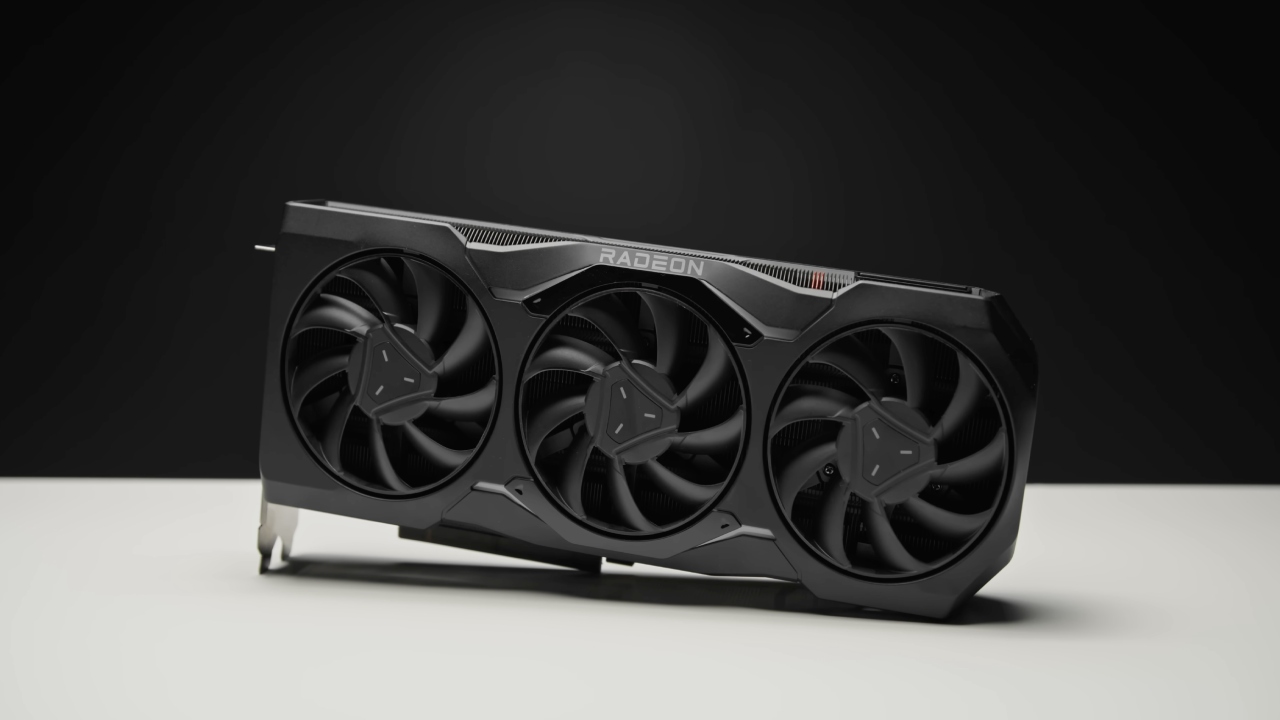
We believe that the business world almost tried this idea during the RDNA3 era. Reports said that RDNA3 might have enabled stacking MCDs as cache layers, making them work like V-Cache. However, it did not happen in the end. The reason was most likely wealth.
It would be harder to explain the trade-off if going from 96MB of cache to 192MB only led to a 10% performance boost, while adding $50 to the GPU's price due to more complicated packaging.
You could say that a 10% gain is worth it for some people. What if the rise was more like 5%, though? That's when the cost-to-performance ratio stops being so good.
Cache Scaling Across RDNA Generations
Looking at how caches change over time across different systems provides more information. The top-of-the-line RDNA2 GPUs had 128MB of Infinity Cache. That went down to 96MB in RDNA3, and the main parts of RDNA4 went down even more, to 64MB. There may not be a specific Infinity Cache at all, according to leaks about RDNA5.
Instead, AMD seems to have improved its cache design to get the same benefits by making better use of it and maybe adding more L2. In an interesting twist, it might not even get to the per-SM L2 levels seen in the Blackwell or Lovelace designs by then. This shows that the goal is no longer just to increase the cache's size, but also to improve its performance and change how it is accessed.
This path raises an important question: if increasing the cache from 96MB to 192MB only led to a 10% speed boost, would halving the cache have a much bigger negative impact? The fact that RDNA4 still performs well with 64MB strongly suggests that improvements in design efficiency are offsetting the smaller cache size.
When More Cache Stops Helping
It's not always a good idea to add more cache. Increasing the cache size can yield diminishing returns over time. In some cases, too much cache can slow things down further if data-lookup patterns change and the system has to spend more time traversing the cache hierarchy to find the data it needs.
It's no longer so much about getting the most cache as it is about finding the best mix. There has been a change from brute-force cache growth to more refined ways of managing cache. From this point of view, it makes sense that AMD might not see a need for large-scale 3D V-Cache solutions on GPUs going forward.
Why 3D V-Cache Never Launched on GPUs
At one point, it made sense to stack cache on GPUs, especially when RDNA3 was being made. But in the end, it never did happen. There are times when exciting new technologies just don't work with the available products.
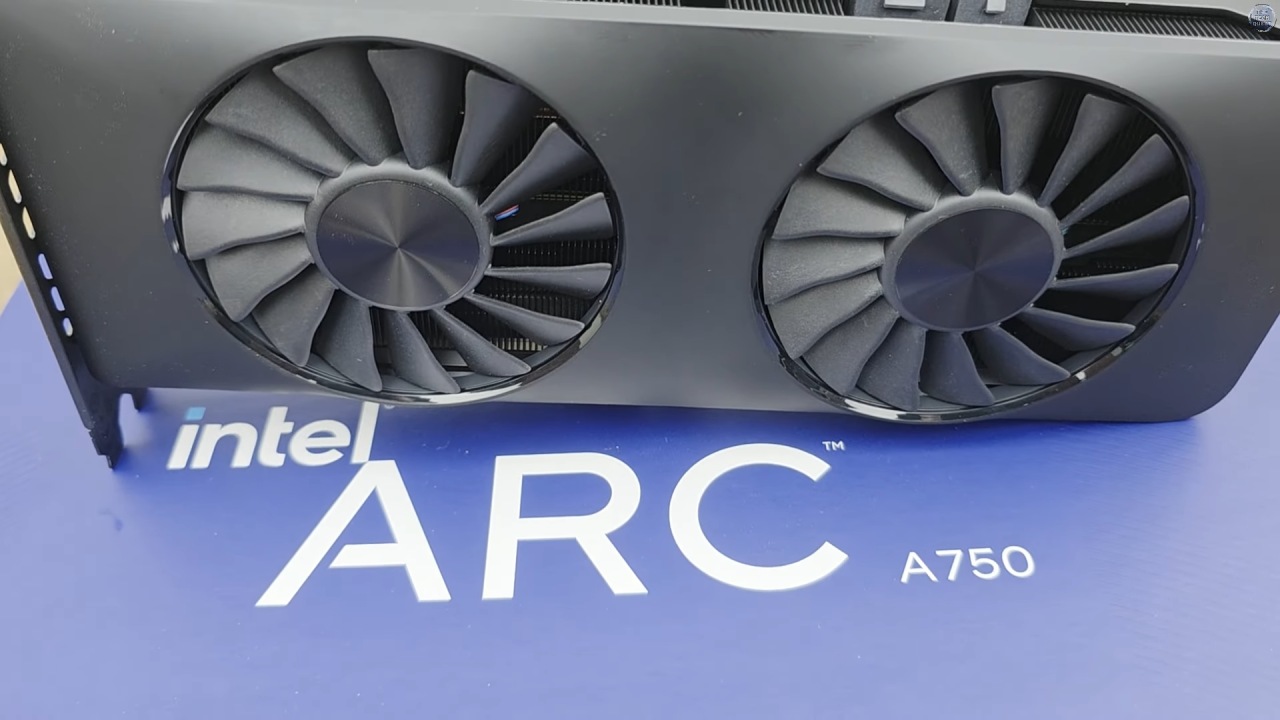
Intel had a similar problem with Adamantine, which was kind of like V-Cache. The product that was meant to be used never came together compellingly. Meteor Lake didn't produce performance for enthusiasts, and Battlemage's desktops didn't appeal to the high-end market. Because of this, the powerful cache technology was never really put to use.
These cases show that just because you have new technology doesn't mean it will be used. Positioning in the market, pricing, improving performance, and segmenting products are all important factors.
The Roadblocks to 3D V-Cache on GPUs
There are probably three main things that are stopping you from getting where you want to go.
First, the price. The cost of making a stacked cache increases significantly when you use more advanced packing. If the improvement in performance stays between 5 and 10 percent, it's hard to argue for higher selling prices.
Second, improvements in design efficiency have made it less necessary to add a lot more cache. Modern GPU designs are improving at making better use of available cache and memory bandwidth.
And finally, diminishing results. CPUs can get big game performance boosts from 3D V-Cache because they are sensitive to latency. GPUs, on the other hand, often scale differently because of how they are built and how they access memory.
It looks like smarter cache management and better memory subsystems are becoming more popular than brute-force cache stacking, as GPU design is evolving.
Final Thoughts
The idea of 3D V-Cache on GPUs remains interesting, but it hasn't proven useful enough for widespread adoption yet. We can see that improvements in design efficiency have made people less reliant on very large cache sizes. Also, the cost-to-performance equation has probably kept stacked cache from becoming common in graphics cards.
The concept is scientifically possible, but in the real world, product decisions are based on how well the product performs and how much it generates. If workloads or architectural changes change in the future, stacked cache may become a major contender again. For now, though, GPU makers seem confident they can achieve the best performance without 3D V-Cache.
Also, check our other hardware articles:
- AMD Ryzen 9 9950X3D Review: Setting The Standard For 2025 Gaming CPU
- Amazon Luna 2025 Review: Is Prime Gaming's Cloud Service Your Go-To For Casual Fun?
- AMD RX 9070 XT Review: AMD's RDNA 4 Champion for 1440p Gaming
- GeForce Now Ultimate: Ditching Your Gaming PC For Cloud RTX 4080 Power?
- GeForce RTX 5090 Unleashed: Is NVIDIA's New Flagship the Ultimate 4K Gaming GPU?
- NVIDIA GeForce RTX 5080 Review (2025): Still A 4K Gaming Powerhouse?
- Intel Core Ultra 9 285K Review And Performance Breakdown (2025)
- Intel Core Ultra 9 285K vs AMD Ryzen 7 9800X3D: In-Depth Gaming Performance and Benchmark Comparison
- NVIDIA GeForce RTX 5080 Super Performance In Cyberpunk 2077: Path Tracing & DLSS 4.0 Tested
- RTX 5090 Performance Testing In GTA 5 – 1080p, 1440p, and 4K Max Settings Benchmark
- AMD Radeon RX 9070 XT In Cyberpunk 2077: Ray Tracing & FSR 4.0 Tested
- Intel Arc B580 Review: The $250 GPU Revolutionizing 1440p Gaming
- Intel Arc B570 Vs. B580: Value, Specs, And Real-World Gaming Performance
- Intel Arc B570 Review: Efficient Xe2 Performance At An Affordable Price
- RTX 5090 Laptop Vs. M4 Max MacBook Pro: Ultimate Raw Performance Vs. Battery Endurance
- Intel Arc b580 Vs. RTX 4060: Game Performance And Value Analysis
- RTX5090 Hell Is Us Demo 4K Ultra Benchmark: DLSS Vs. Native Performance Guide
- NVIDIA RTX 5070 Review: Mid-Range Muscle or Marketing Hype?
- Nintendo Switch 2 Review: Handheld Performance, Features & Value Breakdown
- RTX 5070 Ti Review: Performance, Thermals & Power Efficiency Tested
- Samsung Odyssey OLED G81SF Review 2025: Ultimate 32-Inch QD-OLED Gaming Monitor
- AMD RX 9070 Performance Review: Thermals, Clocks, and Real-World FPS
- AMD Ryzen 5 7600 Review: Best Budget Gaming CPU of 2025?
- AMD Radeon RX 7800 XT Review: RDNA 3 Power For Midrange Gaming
- Asus ROG RTX 5090 Astral OC Vs. Founders Edition: The 4K Gaming Benchmark
- ASUS ROG Astral RTX 5090 OC Edition Review: 32GB GDDR7 & 4K Gaming Benchmark
- Intel Core i5-13400F Gaming Performance: Still Worth It in 2025?
- ASUS GeForce RTX 5090 LC Liquid Cooled GPU Review: Unmatched Silence & Speed
- ASUS ROG Ally X Handheld Review: Double the Battery, Double the Comfort
- Lenovo Legion Go S Review: The Ultimate Steam Deck 2 Alternative
- Sapphire NITRO+ AMD Radeon RX 9070 XT Review: The Ultimate 4K Gaming GPU
- Alienware 16 Area 51 Review: The Ultimate 2025 Gaming Laptop
- Alienware Area-51 Review: Unmatched 4K, Thermal, and Acoustic Performance
- AMD Ryzen 7 7800X3D: Delivers Gaming Performance Far Beyond Expectations
- AMD Ryzen 9 7900X Review: Powering the AM5 Era with DDR5 & PCIe 5.0
- Intel Core i9‑14900K vs. AMD Ryzen 7 7800X3D: Power Profiles & Gaming Benchmarks
- Intel Core i9 14900K: Specs, Benchmarks, and Competitor Comparison
- Sapphire PURE AMD Radeon RX 9070 XT Review: Cooling, Specs & Gaming Benchmarks
- ASRock Radeon RX 7800 XT Challenger OC Review: Best Price-to-Performance GPU of 2025
Editor, NoobFeed
Gaming Hardware Updates
No Data.