
Legion Go 2: Best Features, Worst Flaws, and Long-Term Value
An in-depth look at the Legion Go 2 balancing display innovation, performance strengths, and notable ergonomic trade-offs.
Hardware by Tanvir Kabbo on Dec 13, 2025
Legion Go 2 is one of the most interesting mobile gaming devices to come out in the last several years. It has great performance, an amazing display, and many ways to play.
Still, it also has problems with size, comfort, and availability. Its capabilities are truly outstanding, but several flaws significantly impact the overall experience.
.jpg)
Screen: A Standout Feature
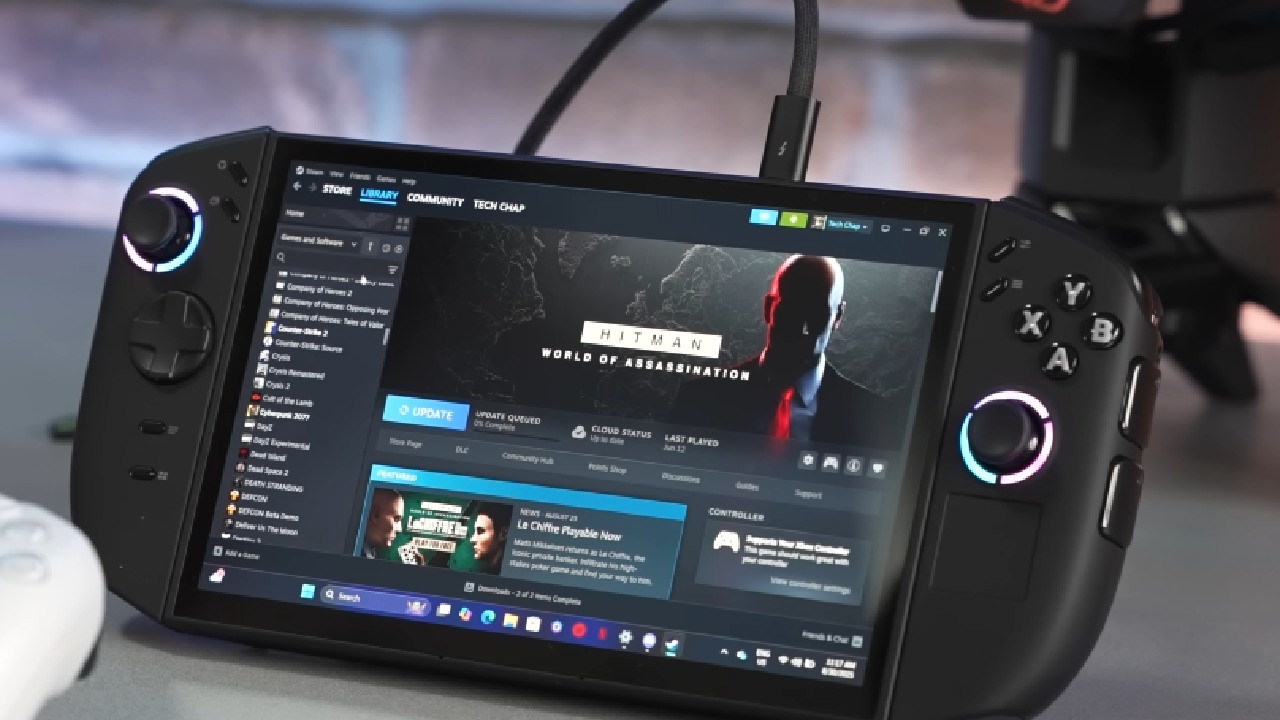
The screen is the first big thing that stands out with Legion Go 2. The best thing about this device is its 8.8-inch 16:10 OLED screen with VRR and HDR. It has a peak brightness of 1100 nits, and when you calibrate it with the right guide, it looks amazing. The HDR1000 and True Black 1000 certifications make the image quality even better than that of other handhelds.
What makes this display even more impressive is the VRR performance. This device was the first handheld to demonstrate that OLED VRR can work without the dreaded gamma flicker, even at low 1% lows. With a VRR window ranging from 30 Hz to 144 Hz, it surpasses all rivals in both the upper and lower refresh rate boundaries. As a result, games—especially horror titles—feel significantly more immersive.
Good: Versatility in Play Styles
Another strong point is the versatility in play styles. The detachable controllers and the kickstand make it feel like the "bigger Switch 2 OLED we never got." At first, it may seem unnecessary, but the freedom of detaching the controllers quickly becomes a favorite way to play. It removes the weight from the wrists and allows gaming in oddly comfortable positions, whether sitting with a pet or lying at an angle on the sofa.
The FPS mode also elevates the experience. By flipping the right controller upside down and enabling the FPS switch, the device becomes a hybrid controller-and-mouse setup. The vertical mouse feels takes a moment to adjust to, but it works consistently and effectively without any complex configuration.
Bad: Size and Weight Concerns
The device's size is one of the first issues felt the moment it is picked up. It is large, heavy, and borders on what can reasonably be called a handheld.
For users with smaller hands or less grip strength, this size may make extended handheld sessions uncomfortable. Many players may find themselves relying on the kickstand for most sessions to avoid strain.
Good: Extensive Button Options and Macros
The abundance of side buttons can initially feel excessive, but it is also one of the Legion Go 2's greatest strengths. Having numerous programmable inputs provides an impressive degree of customization. With macros, shortcuts to AMD Adrenalin features, overlays, and driver-level tools, users can tailor the device to specific games.
With a setup that includes remapped L3/R3 and additional essential shortcuts, gameplay becomes extremely efficient. The TPU case helps mitigate accidental presses, making these buttons more functional and less of a nuisance.
Bad: Too Many Side Buttons
Even though there are positives, the number of side buttons might still be controversial. When you hold it in your hand, the weight and position of your hand can cause you to push the wrong button.
These buttons may be disabled by default, but the tactile clicking can still break immersion. For players not accustomed to back paddles or side inputs, the constant contact can feel intrusive.
Good: Strong Performance at 20 W
Performance is one of the Legion Go 2's strongest features. The Z2E APU, paired with a large battery, delivers consistently strong output, especially in the 20 W performance mode. Many users find little need to change profiles because the 20 W preset handles most titles exceptionally well.
Bad: The Glossy Screen
The display's glossy finish is a significant annoyance. It is extremely reflective—more so than many other gloss displays—which makes gaming in artificial or natural light challenging. Seeing reflections of surroundings or one's own face during gameplay or loading screens becomes distracting.
Matte screen protectors exist, but selection is limited. The most commonly available matte protector is highly diffused, reducing reflections but slightly compromising image quality. Users may find themselves waiting for brands to release lower-diffusion matte options similar to high-quality versions seen for other handhelds.
Bad: Ergonomic Issues With the Right Stick
Ergonomics also suffer specifically with the right analog stick. For players who use the tip of their thumb to aim, shifting grip becomes necessary, especially in fast-paced FPS titles.
The issue lessens in tabletop mode, but remains noticeable in handheld configuration. Devices like the Ally have more natural stick placement, making the ergonomic shortcomings of the Legion Go 2 more obvious in comparison.
Bad: Limited Stock Availability
Availability is a major concern. Securing a unit has been difficult due to low stock, long shipping delays, and unpredictable restocking. Many users report waiting extended periods for preorders.
This issue is not unique to Lenovo—similar problems occurred with other handheld launches—but it significantly disrupts the device's early lifecycle.
.jpg)
Good: Strong Future-Proofing Factors
The last big benefit is that it will last for a long time. With 32 GB of RAM, users have plenty of flexibility to allocate VRAM and support big textures in recent games. Even when the hardware struggles to run newer AAA games years down the line, the gadget is still quite useful because it has a great screen and a full controller configuration.
Local streaming via services like Moonlight now supports HDR streaming, making the Legion Go 2 a perfect remote-play companion for consoles or PCs. Its OLED display ensures it will remain relevant for years as a premium portable screen, similar to how many users still rely on the Steam Deck OLED for remote play.
Final Thoughts
Legion Go 2 has the best screen, great performance, a variety of ways to play, and will be used for a long time. But its size, ergonomics, shiny screen, and limited availability are all big problems.
It delivers a one-of-a-kind, powerful, and future-ready portable experience for individuals who are prepared to invest and adapt.
Also, check our other Handheld articles :
- ASUS ROG Ally X Handheld Review: Double the Battery, Double the Comfort
- Nintendo Switch 2 Vs. Original Switch 1: A Full Comparison
- How To Connect A Camera And Join Voice Chat With Nintendo Switch 2
- Nintendo Switch 2 Review: Handheld Performance, Features & Value Breakdown
- ROG Xbox Ally X Vs. ROG Ally X: Display, Battery & Controls
- ASUS ROG Ally X vs. Steam Deck OLED: Display, Battery & Gaming Benchmarks
- MSI Claw 8 AI+ Review: Display, Controls & Gaming
- Nintendo Switch 2 vs. Steam Deck OLED: Gaming, Performance, Battery, Display and Value
- NVIDIA GeForce Now on Steam Deck: Battery Life, Gameplay, Streaming
Senior Editor, NoobFeed
Gaming Hardware Updates
No Data.