
Why Lenovo Legion Go S Couldn’t Overtake the Steam Deck
Performance gains and display upgrades position the Legion Go S as a capable alternative rather than a true replacement.
Hardware by Nahe Yan on Feb 09, 2026
A lot of people think that Steam Deck is one of the best handheld PCs on the market right now. PC gaming feels more like playing on a console because it is affordable, comfortable, and runs SteamOS. Recently, another handheld came up in the conversation that could threaten that position without losing what makes the Steam Deck so enticing.
Lenovo Legion Go S is the first handheld to come with SteamOS pre-installed. It promises a bigger screen, more power, higher graphics, and smoother gameplay. It seems like the best next choice on paper, yet many people still go back to the Steam Deck.
The Reason for the Legion Go S
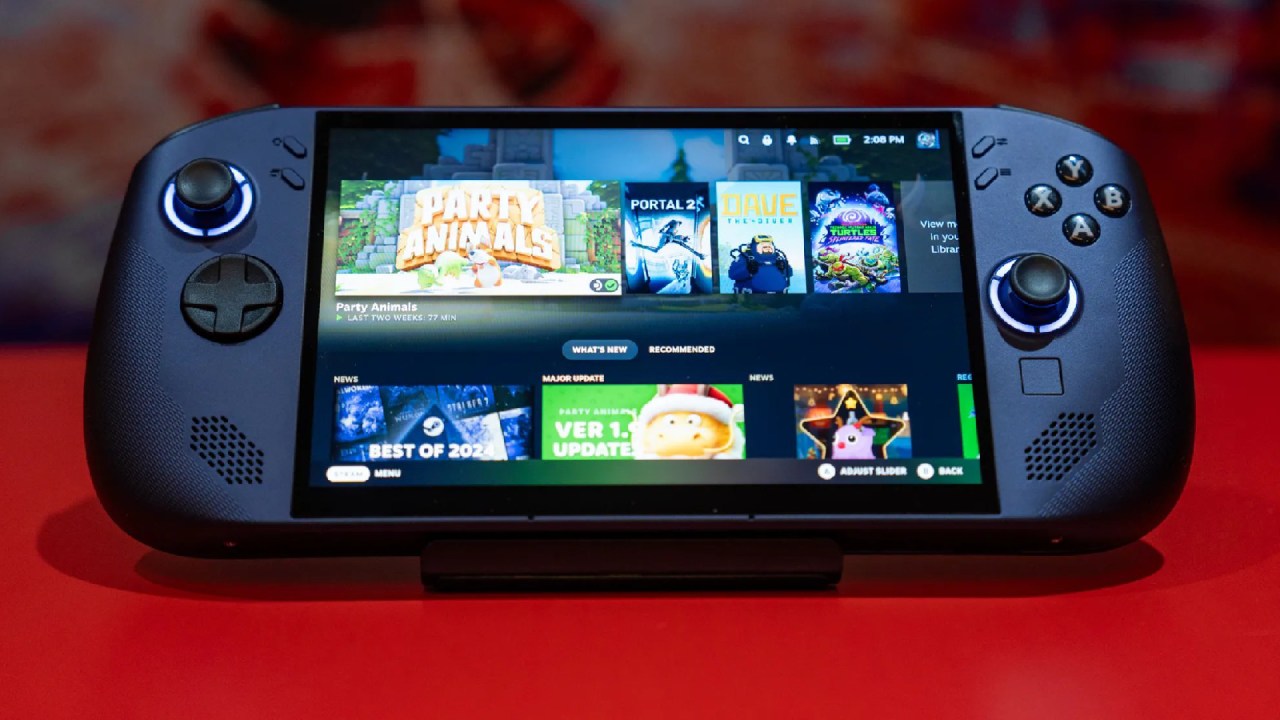
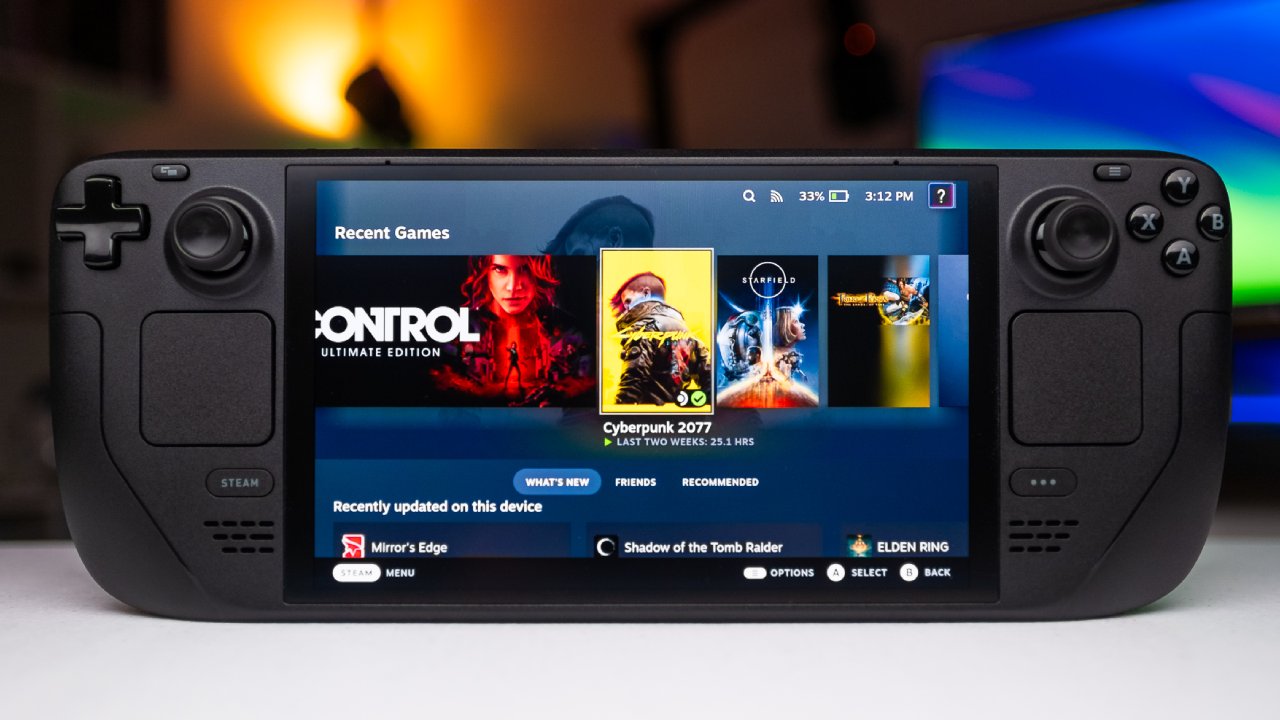
In the strictest sense, the Legion Go S is not meant to be a replacement for the Steam Deck. It runs SteamOS. Some aspects of the Steam Deck experience aren't present here. There is no OLED screen, no HDR support, and no trackpads that work like the ones on the Steam Deck. Lenovo, on the other hand, has its own way of doing things, with a bigger size, better performance, and capabilities that Valve's gadget doesn't have.
Choices for Design and Layout
The Nebula Nocturn colorway is one of the first things that stands out. It has a dark metallic purple finish that sets it apart from most black handhelds. The gadget is slightly taller than the Steam Deck because it has an 8-inch 16:10 display, but its overall width is about the same. To achieve this footprint, the design had to make some compromises, the most important of which was eliminating genuine trackpads. A little square input that doesn't work well as a trackpad is there instead.
The control layout is not symmetrical like the Steam Deck's; instead, it is offset, like an Xbox. This configuration gets less comfortable over time, especially on the right thumbstick, which needs to be adjusted for grip. When you add the weight of the Legion Go S, comfort depends more on how you hold your hands.
Experience with Controls and Input
Even though the layout is a problem, the controls are good. Hall-effect thumbsticks reduce stick drift, so people worry less about it. The bumpers make a loud click and seem responsive, as do the D-pad and face buttons. Trigger functionality adds more options by letting you select between full trigger throw and hair trigger modes using switches on the back.
There are two buttons on the back that you can program. Steam Deck has more buttons on the back, but in real life, simple is frequently better. Having fewer back buttons can make regular gameplay feel more manageable and easier to understand.
Quality of Display and Clarity of Images
Turning on the Legion Go S shows off its display advantage. The 1200p panel makes things look sharper than the Steam Deck's 800p screen. The text is much clearer, and the 120hz refresh rate and VRR make motion smoother. The screen is still clear and snappy, especially while playing games, even though it doesn't have OLED or HDR.
Headroom and Performance
Z1 Extreme chipset makes a clear difference in performance. Games operate at higher resolutions, with steadier frame rates and settings that are less likely to change. Legion Go S makes it easier to play hard games on the Steam Deck. The extra performance headroom improves installation options, letting larger and more demanding games run smoothly with minimal adjustment.
This change makes the game feel simpler and less like you have to make continual changes. Steam Deck still plays a lot of games well, but the Legion Go S makes it seem like you can install and play even more.
Battery Life and Noise Issues
The battery life isn't as good as the Steam Deck's, which is to be expected as it uses more power. Lowering settings can make things work better, but it also makes you wonder how much the increased performance is worth. Noise is another issue, as the fans and vibration motors are very loud. The device often ramps up quickly, making both cooling and haptics more noticeable than intended.
Even with these problems, none of them seems like a dealbreaker. Accessories can help address ergonomic issues, but a performance-focused design means shorter battery life.
Value and Price
Pricing is the main thing that stops more people from recommending it. Legion Go S is a clear pick at $500-$600 because it runs SteamOS, delivers good performance, and features a good display. The value proposition changes significantly when prices go from 750 to 900. In that price range, the cost difference is more important than the performance advantages, especially since other Z1 Extreme handhelds cost less and let you manually install SteamOS.
Final Thoughts
Legion Go S often feels more powerful than the Steam Deck when you spend time with it. The bigger screen, higher quality, and better performance make a big difference in how you use it every day. But the pricing is what makes it a good recommendation. At full price, it's hard to justify above the Steam Deck.
When the price drops, especially to under 600, it becomes a very appealing choice for people who care more about performance than OLED, HDR, and trackpads. Legion Go S shows how much performance can affect mobile gaming, but it also shows how pricing affects long-term use.
Check our Other Handheld Articles below :
- ASUS ROG Ally X Handheld Review: Double the Battery, Double the Comfort
- Nintendo Switch 2 Vs. Original Switch 1: A Full Comparison
- How To Connect A Camera And Join Voice Chat With Nintendo Switch 2
- Nintendo Switch 2 Review: Handheld Performance, Features & Value Breakdown
- ROG Xbox Ally X Vs. ROG Ally X: Display, Battery & Controls
- ASUS ROG Ally X vs. Steam Deck OLED: Display, Battery & Gaming Benchmarks
- MSI Claw 8 AI+ Review: Display, Controls & Gaming
- Nintendo Switch 2 vs. Steam Deck OLED: Gaming, Performance, Battery, Display and Value
- PlayStation Portal Review: Remote Play, Cloud Streaming & Travel Gaming
- PlayStation Portal vs. Lenovo Legion Go: Best Portable Gameplay
- Lenovo Legion Go S vs. Zotac Zone: In-Depth Experience Comparison
- How AMD Dominates the Handheld Market
Editor, NoobFeed
Gaming Hardware Updates
No Data.