
Lexar Reveals Why Gamers Abandoning Small SSDs but Still Buying 8GB RAM
Lexar market insights reveal declining small SSD demand as rising game sizes push gamers toward higher-capacity storage solutions.
Hardware by Tanvir Kabbo on Apr 16, 2026
The latest market insight from Lexar, shared in Digital Foundry's discussions with EU General Manager Grace Su, highlights a curious contradiction in modern PC building: gamers are rapidly abandoning low-capacity SSDs, yet continue to tolerate — and even purchase — modest RAM configurations.
At first glance, it seems inconsistent. Both memory and storage prices have fluctuated upward in recent cycles, and both are critical to system performance. But when viewed through the lens of real-world usage and upgrade behavior, the divide starts to make perfect sense—especially for budget-conscious builders.
The Death of the 512GB Drive
A 512GB SSD used to be a good choice in the middle of the price range. That time is pretty much ended by 2026.
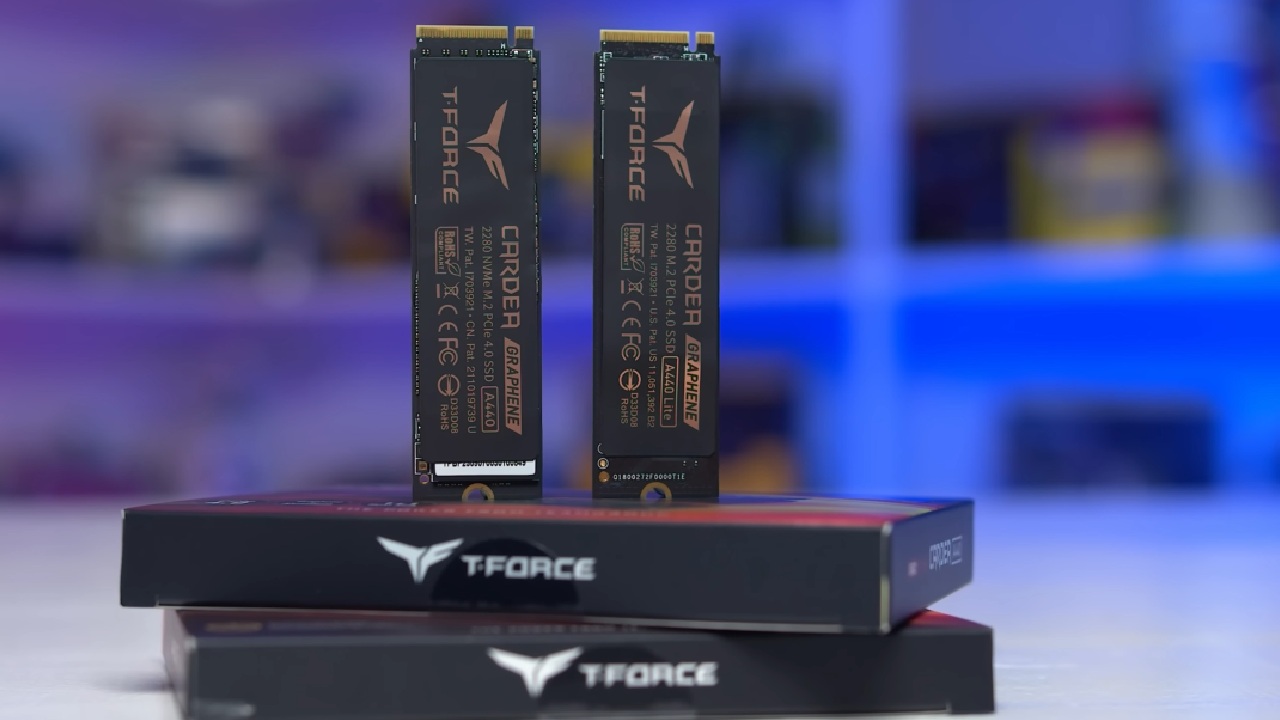
Most modern games take up more than 100GB of space, and some of the biggest ones go well beyond that once you add in updates and high-resolution texture packs. When you add in the size of a normal Windows installation, background apps, and necessary software, the idea of a "usable" 512GB drive quickly falls apart under the weight of OS allocation.
Storage is not forgiving from a technological point of view. An NVMe SSD doesn't just run out of space when it gets close to full. It could also slow down because of how flash memory writes and caches data. More importantly, it's not straightforward at all to upgrade while a drive is full.
To move an operating system from a full-boot drive to a bigger SSD, you need cloning tools, partition management, and a certain amount of risk that many new users would rather not take.
This is precisely why Lexar is seeing demand for 256GB and 512GB SSDs fall off a cliff. The market has effectively redefined 1TB NVMe drives as the new baseline—not a luxury, but a necessity.
The RAM Exception
RAM, however, plays by a completely different set of rules.
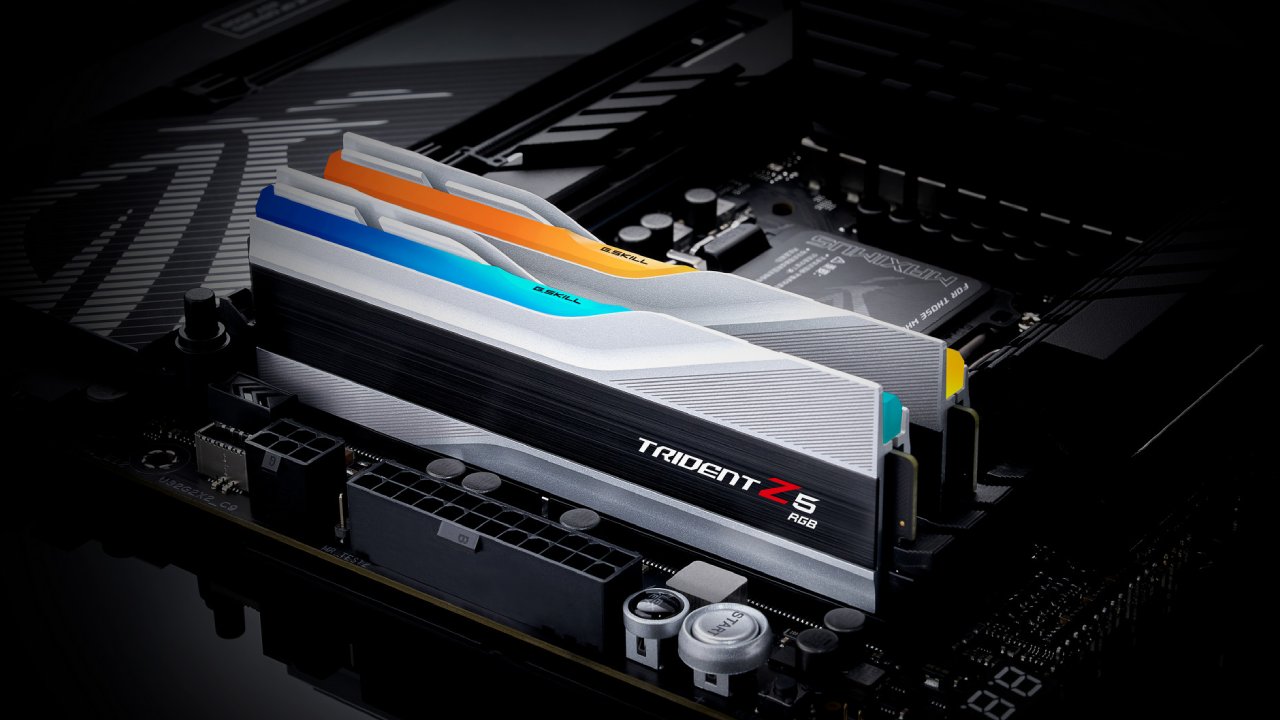
Despite the growing expectation that 16GB is the minimum for modern gaming, 8GB DDR4 and even DDR5 modules continue to sell in meaningful volumes. This isn’t because gamers believe 8GB is sufficient long-term—it’s because RAM is inherently easier to scale.
From a hardware perspective, adding more RAM is one of the easiest steps in designing a PC. A budget user can start with one 8GB stick and then add another one later to gain dual-channel performance, which doubles the storage with no effort. You don't have to move your operating system, transfer your data, or worry about losing important files. It's an evolution route that you may plug in and play.
There is also a difference in price. DDR5 density advancements have made higher-capacity kits more common, although entry-level setups still care about upfront costs. For a lot of people, choosing a single 8GB module to save money on the upfront costs can be the difference between finishing a build now or putting it off completely.
In other words, RAM is flexible. Storage is not.
Pricing Pressures and Shifting Priorities
Both DRAM and NAND flash markets have experienced price increases, but consumer behavior shows a clear prioritization strategy. When forced to choose, users are allocating more of their budget toward storage capacity rather than memory headroom.
It makes sense: not enough RAM can slow things down in some situations, but not enough storage is a problem right away that stops everything. You can still start a game with limited memory, but it might stutter or have lower settings. If a game doesn't fit on your drive, you can't start it.
This change makes it even clearer that 1TB SSDs are now the minimum for gaming systems and that users are willing to make temporary sacrifices on RAM.
Final Thoughts
Lexar's insights are very similar to what experienced builders already know about building a gaming PC in 2026.
You should start with an NVMe SSD that is at least 1TB. You can't change it. Because of the sizes of games, how much space is available on the operating system, and how long they will be used, anything smaller is a false economy.
RAM, on the other hand, gives you some space. 16GB should still be the goal for a balanced system, but starting with 8GB is a good short-term compromise as long as there is a clear way to upgrade.
In the end, this tendency isn't about choice; it's about friction. People who play games are staying away from the parts that are difficult to fix later. And in today's world, running out of storage is the most limiting thing that can happen.
Also, check our other hardware articles:
- AMD Ryzen 9 9950X3D Review: Setting The Standard For 2025 Gaming CPU
- Amazon Luna 2025 Review: Is Prime Gaming's Cloud Service Your Go-To For Casual Fun?
- AMD RX 9070 XT Review: AMD's RDNA 4 Champion for 1440p Gaming
- GeForce Now Ultimate: Ditching Your Gaming PC For Cloud RTX 4080 Power?
- NVIDIA GeForce RTX 5080 Review (2025): Still A 4K Gaming Powerhouse?
- Intel Core Ultra 9 285K Review And Performance Breakdown (2025)
- AMD Ryzen 7 9800X3D Review: 3D V-Cache Goes God Mode with Stunning Gaming Performance
- Intel Core Ultra 9 285K vs AMD Ryzen 7 9800X3D: In-Depth Gaming Performance and Benchmark Comparison
- NVIDIA GeForce RTX 5080 Super Performance In Cyberpunk 2077: Path Tracing & DLSS 4.0 Tested
- AMD Radeon RX 9070 XT In Cyberpunk 2077: Ray Tracing & FSR 4.0 Tested
- Intel Arc B580 Review: The $250 GPU Revolutionizing 1440p Gaming
- Intel Arc B570 Vs. B580: Value, Specs, And Real-World Gaming Performance
- RTX 5090 Laptop Vs. M4 Max MacBook Pro: Ultimate Raw Performance Vs. Battery Endurance
- Intel Arc b580 Vs. RTX 4060: Game Performance And Value Analysis
- RTX5090 Hell Is Us Demo 4K Ultra Benchmark: DLSS Vs. Native Performance Guide
- NVIDIA RTX 5070 Review: Mid-Range Muscle or Marketing Hype?
- Nintendo Switch 2 Review: Handheld Performance, Features & Value Breakdown
- RTX 5070 Ti Review: Performance, Thermals & Power Efficiency Tested
- Samsung Odyssey OLED G81SF Review 2025: Ultimate 32-Inch QD-OLED Gaming Monitor
- AMD RX 9070 Performance Review: Thermals, Clocks, and Real-World FPS
- AMD Ryzen 5 7600 Review: Best Budget Gaming CPU of 2025?
- AMD Radeon RX 7800 XT Review: RDNA 3 Power For Midrange Gaming
- Asus ROG RTX 5090 Astral OC Vs. Founders Edition: The 4K Gaming Benchmark
Senior Editor, NoobFeed
Gaming Hardware Updates
No Data.