
Memory Prices Finally Fall as AMD Forces NVIDIA’s Hand on Next Gen GPU Launch
Memory market correction begins while AMD’s 2027 roadmap pressures Nvidia’s release strategy.
Hardware by Tanvir Kabbo on Feb 20, 2026
While some segments of the tech industry face uncertainty, others are finally delivering good news. Memory prices are beginning to decline after dramatic spikes, even as storage costs continue rising.
At the same time, AMD's roadmap is shaping the timeline for next-gen GPUs, potentially forcing Nvidia into earlier competition than it might prefer.
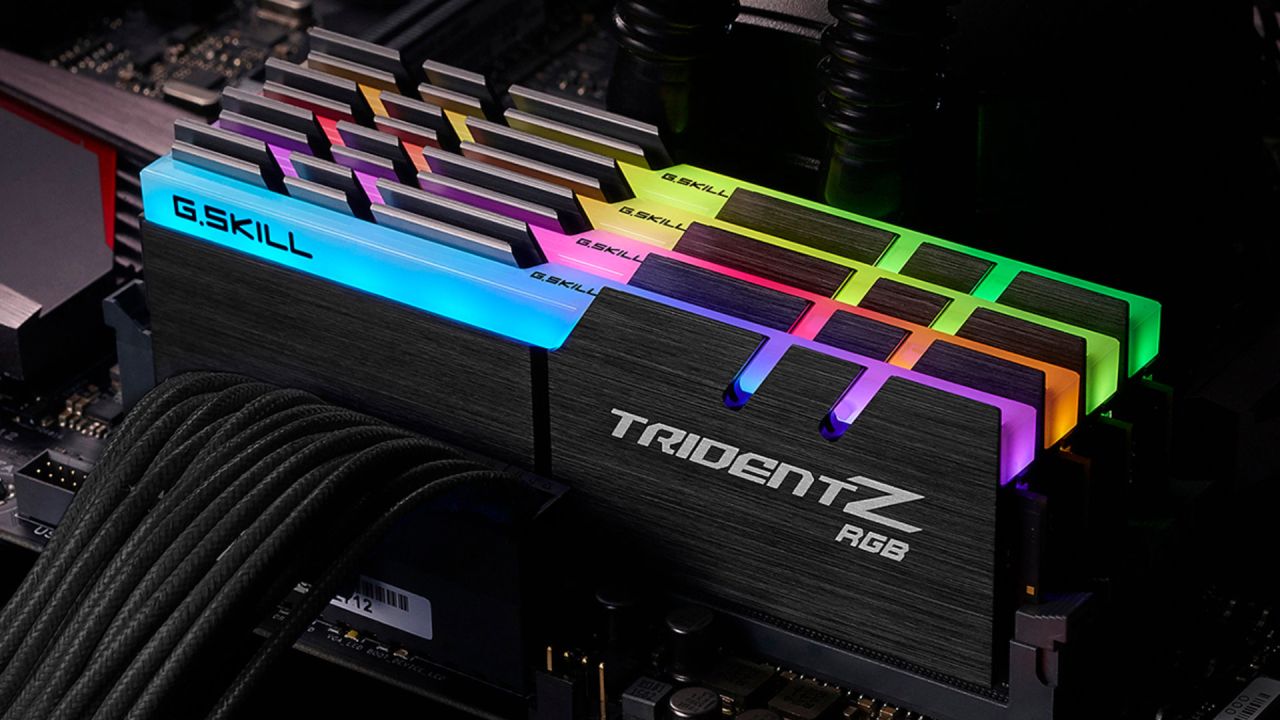
DDR5 Relief Arrives
After months of prices rising, memory prices are now starting to fall. According to historical pricing data from a large store, some memory kits that were up as much as 344% compared to September have since dropped to roughly 313.73%. A 300%+ growth rate is still quite large historically, but any drop could signal that things are starting to stabilize.
In the US market, DDR5 pricing is showing similar signs of relief. Multiple configurations and speeds are beginning to drop in cost. This is particularly important for gamers and PC builders who postponed upgrades due to inflated prices. Lower DDR5 pricing could accelerate platform transitions and make newer systems more accessible.
Interestingly, DDR4 prices appear to be trending upward. This may be a delayed response to consumer behavior. When DDR5 prices spiked dramatically, many buyers opted to stick with DDR4 platforms. That demand shift may now be pushing DDR4 pricing higher.
The key question is whether this DDR5 price drop marks the beginning of a sustained correction or merely a temporary plateau. The next phase will depend on changes in supply and demand, as well as the overall state of the semiconductor market.
Storage Prices Still Climbing
Sadly, the same hope doesn't apply to storage. Some models saw small drops, but overall storage prices have gone up from 74.12% to 86.59% compared to earlier benchmarks. These increases have not been as explosive as memory's earlier spike, but the upward trajectory remains clear.
Storage price increases began more recently and have not yet shown consistent signs of reversal. If memory prices continue falling while storage remains elevated, system builders may need to rebalance budgets accordingly.
AMD's 2027 Timeline Pressures Nvidia
The competitive GPU landscape is becoming increasingly important, alongside developments in pricing. There has been a lot of talk about whether nextG GPUs would come out in 2027 or 2028. AMD has confirmed that Microsoft's next-gen Xbox will be ready by 2027, indicating that its next-gen GPU architecture will be ready by then as well.
AMD CEO Lisa Su has stated that development of Microsoft's next-generation Xbox featuring an AMD semi-custom SoC is progressing well and is on track for a 2027 launch. If AMD's architecture is ready for console deployment by then, it logically follows that discrete GPUs based on similar technology would also be prepared.
This creates significant pressure for Nvidia. Even if Nvidia might prefer a later launch window, it cannot afford to leave AMD unchallenged in a new generation cycle. Competition in the GPU market has historically driven innovation and pricing adjustments. If AMD launches in 2027, Nvidia will almost certainly need to respond within the same timeframe.
For consumers, this dynamic is encouraging. Falling DDR5 prices, intensifying GPU competition, and clear next-generation roadmaps suggest that while challenges remain, meaningful progress is still unfolding across the PC hardware industry.
Also, check our other hardware articles:
- AMD Ryzen 9 9950X3D Review: Setting The Standard For 2025 Gaming CPU
- Amazon Luna 2025 Review: Is Prime Gaming's Cloud Service Your Go-To For Casual Fun?
- AMD RX 9070 XT Review: AMD's RDNA 4 Champion for 1440p Gaming
- GeForce Now Ultimate: Ditching Your Gaming PC For Cloud RTX 4080 Power?
- NVIDIA GeForce RTX 5080 Review (2025): Still A 4K Gaming Powerhouse?
- Intel Core Ultra 9 285K Review And Performance Breakdown (2025)
- Intel Core Ultra 9 285K vs AMD Ryzen 7 9800X3D: In-Depth Gaming Performance and Benchmark Comparison
- NVIDIA GeForce RTX 5080 Super Performance In Cyberpunk 2077: Path Tracing & DLSS 4.0 Tested
- AMD Radeon RX 9070 XT In Cyberpunk 2077: Ray Tracing & FSR 4.0 Tested
- Intel Arc B580 Review: The $250 GPU Revolutionizing 1440p Gaming
- Intel Arc B570 Vs. B580: Value, Specs, And Real-World Gaming Performance
- RTX 5090 Laptop Vs. M4 Max MacBook Pro: Ultimate Raw Performance Vs. Battery Endurance
- Intel Arc b580 Vs. RTX 4060: Game Performance And Value Analysis
- RTX5090 Hell Is Us Demo 4K Ultra Benchmark: DLSS Vs. Native Performance Guide
- NVIDIA RTX 5070 Review: Mid-Range Muscle or Marketing Hype?
- Nintendo Switch 2 Review: Handheld Performance, Features & Value Breakdown
- RTX 5070 Ti Review: Performance, Thermals & Power Efficiency Tested
- Samsung Odyssey OLED G81SF Review 2025: Ultimate 32-Inch QD-OLED Gaming Monitor
- AMD RX 9070 Performance Review: Thermals, Clocks, and Real-World FPS
- AMD Ryzen 5 7600 Review: Best Budget Gaming CPU of 2025?
- AMD Radeon RX 7800 XT Review: RDNA 3 Power For Midrange Gaming
- Asus ROG RTX 5090 Astral OC Vs. Founders Edition: The 4K Gaming Benchmark
Senior Editor, NoobFeed
Gaming Hardware Updates
No Data.