
Microsoft and Sony Take Very Different Paths With Xbox Magnus and PlayStation 6
Microsoft and Sony pursue fundamentally different next generation strategies centered on premium PC hardware versus traditional console design.
Hardware by Tanvir Kabbo on Feb 05, 2026
Microsoft and Sony seem to be going in quite different directions in the video game business when it comes to next-generation products. The next Xbox, code-named Magnus, and the PlayStation 6, code-named Orion, are the main topics of conversation right now.
Much of the information circulating has been sourced from Moore’s Law Is Dead, with various YouTube channels piecing together leaks, AMD roadmaps for RDNA5 GPUs, and upcoming CPU architectures. While both platforms are expected to share similar underlying AMD technologies, their overall strategies look very different: Microsoft leaning towards the premium, and Sony holding onto the mass-market console audience.
Microsoft’s Premium Hybrid Vision
Microsoft seems to be pushing toward high-end pricing and positioning its next Xbox closer to PC hardware than a traditional console. There are even rumors of an OEM mini PC following its handheld efforts. While some people are excited about this direction, it is worth remembering that mini PCs have existed for years.
At its core, this would still be a PC, just with an Xbox logo on it, something you could already buy today or even five years ago.
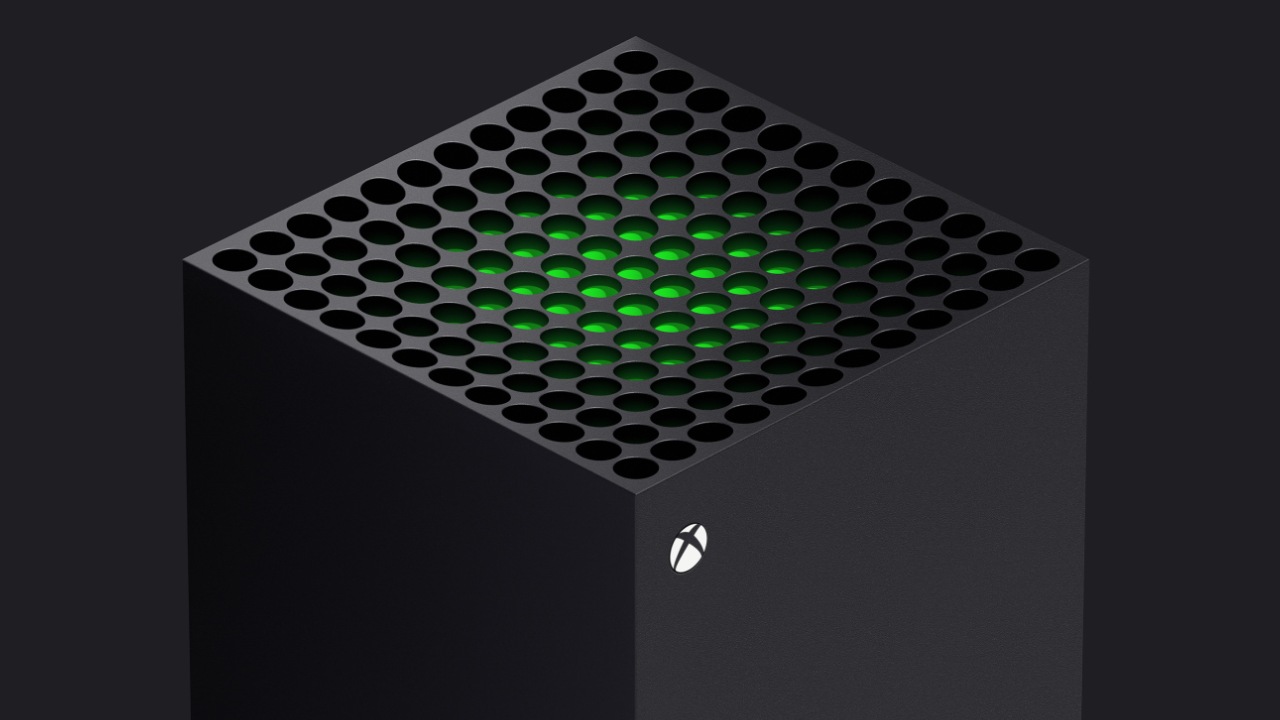
Based on recent leaks, Xbox Magnus is expected to be a high-performance next-generation console APU designed by AMD. It reportedly features a 3nm 11-core Zen 6 CPU paired with a 68-compute-unit RDNA 5 GPU. In simple terms, that would be massively more powerful than the current Xbox Series X.
Memory support is rumored to range between 32GB and 48GB of GDDR7, targeting 4K120fps to 144hz gaming alongside significant AI-driven features. Despite ongoing RAM shortages, the release target is still said to be around 2027.
Xbox as a PC Conversion Strategy
Various insiders suggest Microsoft is positioning its next Xbox as a stepping stone away from traditional console hardware altogether. The idea appears to be migrating users into the PC ecosystem so Microsoft can eventually leave console manufacturing behind, which arguably makes sense given the weak sales of the current Xbox generation.
According to leaks cited by Vice, the next Xbox may effectively act as a premium Steam machine. Even though Microsoft allows Steam access through its apps and promotes Play Anywhere, it remains a direct competitor to Steam. If you own an Xbox-branded handheld or console, you are encouraged to buy Play Anywhere titles that work across console, handheld, and PC, but not through Steam.
Steam Deck owners, on the other hand, will naturally buy through Steam. That split highlights the competitive tension, even if Microsoft officially supports Steam integration.
Pricing and Audience Concerns
A key claim from Moore’s Law Is Dead is that Xbox Magnus could cost around $1000. Considering Microsoft already released a $1000 handheld that is weaker than the Xbox Series X, the pricing trajectory clearly seems to be moving upward. While the performance might rival a high-end PC and justify the cost for some, it would likely be a dealbreaker for traditional console gamers.
We need to be clear here: this device would not be aimed at the usual console audience. Like the old Steam Machine concept, Microsoft appears to be trying to eliminate the traditional console model in favor of a portable or modular PC that connects to everything. Magnus is rumored to function as a full desktop PC with access to the Steam store. In theory, the next Xbox becomes a high-end PC, while Valve’s Steam Machine would occupy the entry-level space.
Operating System and User Experience
The operating system is still the biggest mystery. The next Xbox will most likely use Windows. Steam Machine devices, on the other hand, use SteamOS, a Linux-based operating system preferred by many gamers. The Steam Deck is the best example of this choice. Despite weaker specs and hardware that is effectively four years old, it continues to outsell many Windows-based handheld PCs.
Many enthusiasts dislike devices like the ASUS ROG Ally X specifically because of Windows. Even with higher raw power, Windows-based gaming handhelds often feel clunky. Rumors also suggest that the next Xbox could include Copilot and other unpopular Windows features. If users are allowed to install their own operating system, that concern could become irrelevant, but it remains an open question.
Competition Shifts to the PC Space
One of the most important takeaways is that Microsoft may no longer be directly competing with PlayStation in the traditional console sense. Instead, both Xbox and Valve appear to be targeting the hybrid portable and desktop PC market. This leaves Sony and Nintendo occupying the console space largely on their own, appealing to very different audiences.
We have seen posts online hyping up Xbox Magnus as a “PC without maintenance overhead” and praising it for running full Windows with no walled garden. On paper, a unified front end that aggregates libraries from Steam, Epic, GOG, and Xbox sounds appealing.
But many users want to leave the Windows ecosystem entirely. Nobody truly loves Windows gaming, and everything Microsoft is proposing already existed a decade ago in the form of mini PCs, handheld PCs, and full desktops that can access multiple storefronts.
Sony’s More Traditional Console Approach
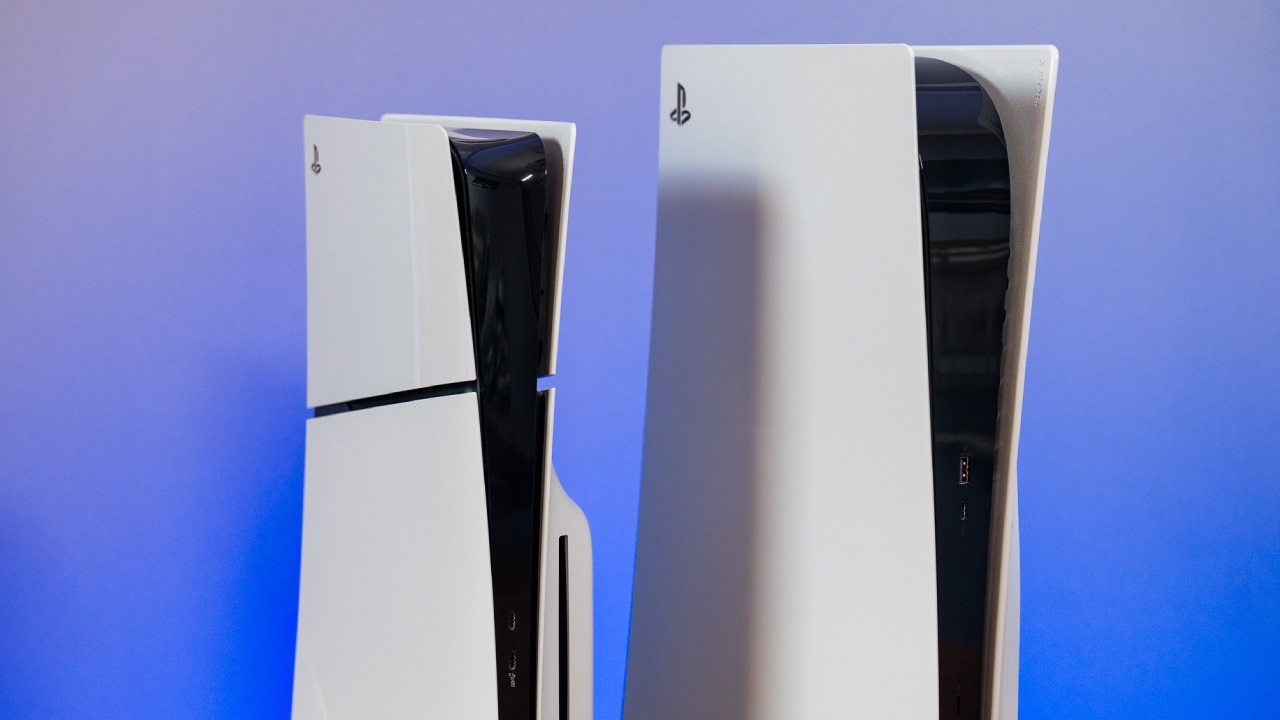
On the other hand, it looks like Sony is sticking with the classic console model. It is said to be working on a new portable device with about 24GB of RAM that can run some PS5 and PS6 games via backward compatibility. The PlayStation 6 console is also in development, but there is no set release date yet.
Rumors suggest the PS6 will be significantly more powerful than the PS5 Pro, though still less powerful than Microsoft’s next hybrid PC offering. Sony seems more focused on efficiency, ray tracing, and AI-driven improvements rather than chasing raw power alone.
Rumored PlayStation 6 Specifications
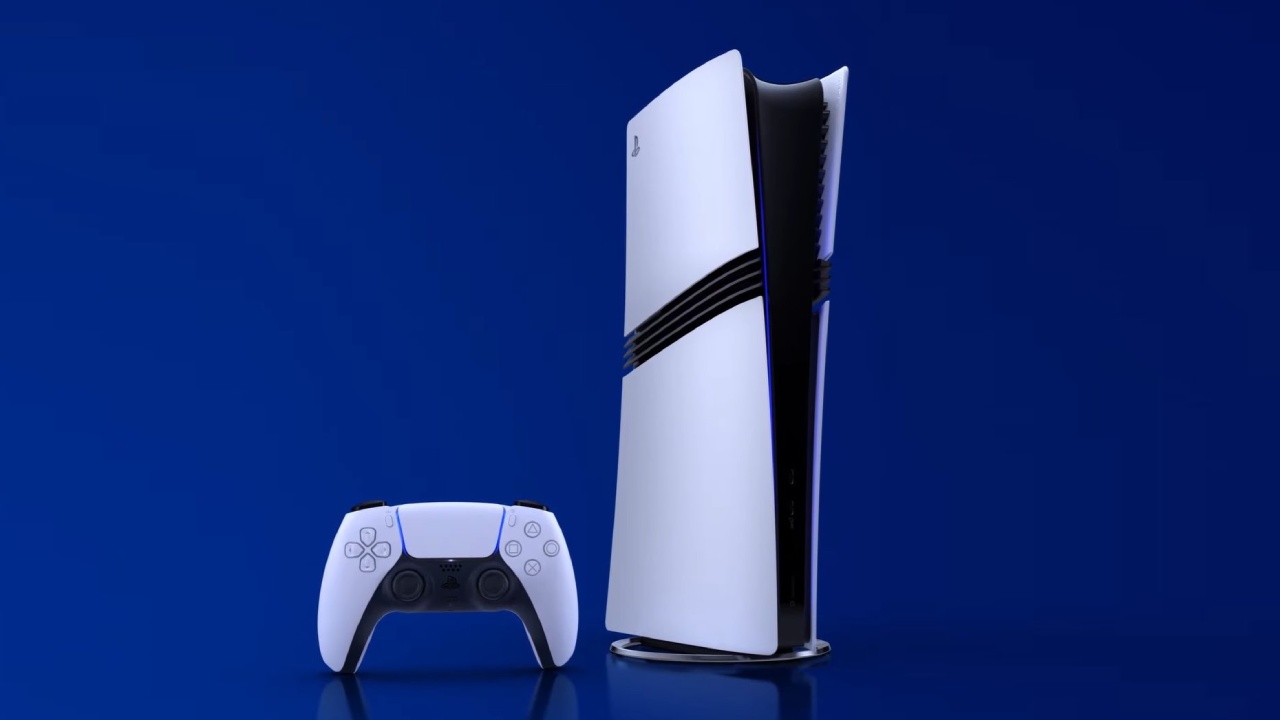
The PlayStation 6 is expected to use a custom AMD Orion APU built on a 3nm process. It is said that the performance goals include 4K120fps gaming and 32GB to 40GB of GDDR7 memory, depending on the systemis configuration. Rumors claim the performance is around 3x better than the S5's, with the PS5's significant improvements in ray tracing.
The CPU is likely to be based on Zen6, and the RDNA5 GPU could have 40 to 48 compute units running at about 3 GHz, giving it performance of about 34 TF to 40 TF. There are rumors that memory bandwidth will reach about 640 Gbits per second using a 160-bit or 192-bit bus. The storage will likely be a fast NVMe SSD, and it might start at 2TB since games are getting bigger.
Focus on Ray Tracing and Efficiency
It seems like Sony is more interested in visual quality than physical force. Reports say ray tracing is 6 to 12 times better than on the PS5, and AI upscaling is widely used. The PS6 is based on TSMC's 3nm technology and may have a total board power of roughly 160W, which would be a big boost in efficiency.
To put it another way, many recent PC builds already use about the same amount of power.
Release Window and Pricing Expectations
Analysts say a 2027 release is unlikely, despite early excitement. It looks like a more plausible time frame of 2028 or even 2030. Sony is extending the PS5 generation by using the PS5 Pro to test out features that will be in the PS6. It is predicted that the PS5 and PS4 will fully support backward compatibility.
Pricing estimates currently hover around $600, though this remains uncertain. Even if Sony does not chase the most powerful hardware crown, its first-party games have historically shown that raw teraflops do not always translate directly to better visuals.
What This Means for the Industry
If Microsoft truly exits the traditional console race, Sony will effectively be left without a direct console competitor. That lack of pressure could ultimately hurt consumers in the long run. At the same time, competition is clearly intensifying in the PC space, including handhelds, mini PCs, and full desktops.
Recent financial reports already show PC gaming experiencing tremendous growth, in some cases surpassing the combined revenues of major console platforms. We are not here to evangelize PC gaming, especially since many of us play across multiple platforms. But it is increasingly clear where the industry’s competitive focus is heading, and it is no longer centered on the traditional console battlefield.
Until then, the future looks less like a console war and more like a broader ecosystem battle across PCs, handhelds, and hybrid devices, with players left to decide which path best fits how they want to play.
Also, check our other PS5 Pro articles:
- PS5 Pro vs. PS5 Slim: Frame‑Rate, Graphics & Performance
- PS5 Pro vs. Radeon RX 9060 XT vs RTX 5060 Ti: Ultimate $700 Gaming Showdown
- ASUS ROG Ally PS5 Remote Play | How to do Remote play on PS5 Using Sony's Official Remote Play App
- Stream PS5 Games on Steam Deck OLED: Step-by-Step Installation and Configuration
- AI Upscaling on PS5 Pro: Can PSSR Finally Match DLSS?
- PS5 Pro vs. PS5 Slim vs. PS5 — Design, Storage, Specs, and Gaming
- PS5 Pro vs. Xbox Series X: Specs, Price, Storage, Customization, and Gaming
- PS5 Pro vs. PC Gaming: Comparison of Graphics, Frame Rates, and Price
Senior Editor, NoobFeed
Gaming Hardware Updates
No Data.