
Next-Gen Laptops in 2026 Bring Massive Gains in Screens, Efficiency, and Power
Next generation laptops in 2026 combine efficient processors, significantly brighter OLED displays, and practical designs that finally improve everyday usability.
Hardware by Masaru Hoshino on Feb 05, 2026
For a long time, laptops have seemed like a compromise that no one was really thrilled with. Performance was poor, battery life was short, screens were slower than monitors and TVs, and being portable typically meant losing power.
But after spending a lot of time using a lot of new products at CES, it seems like 2026 could finally be the year when things really change. With new processors, dramatically improved displays, and smarter feature sets, laptops may at last deliver an experience that feels complete rather than compromised.
A New Era of Mobile Processors
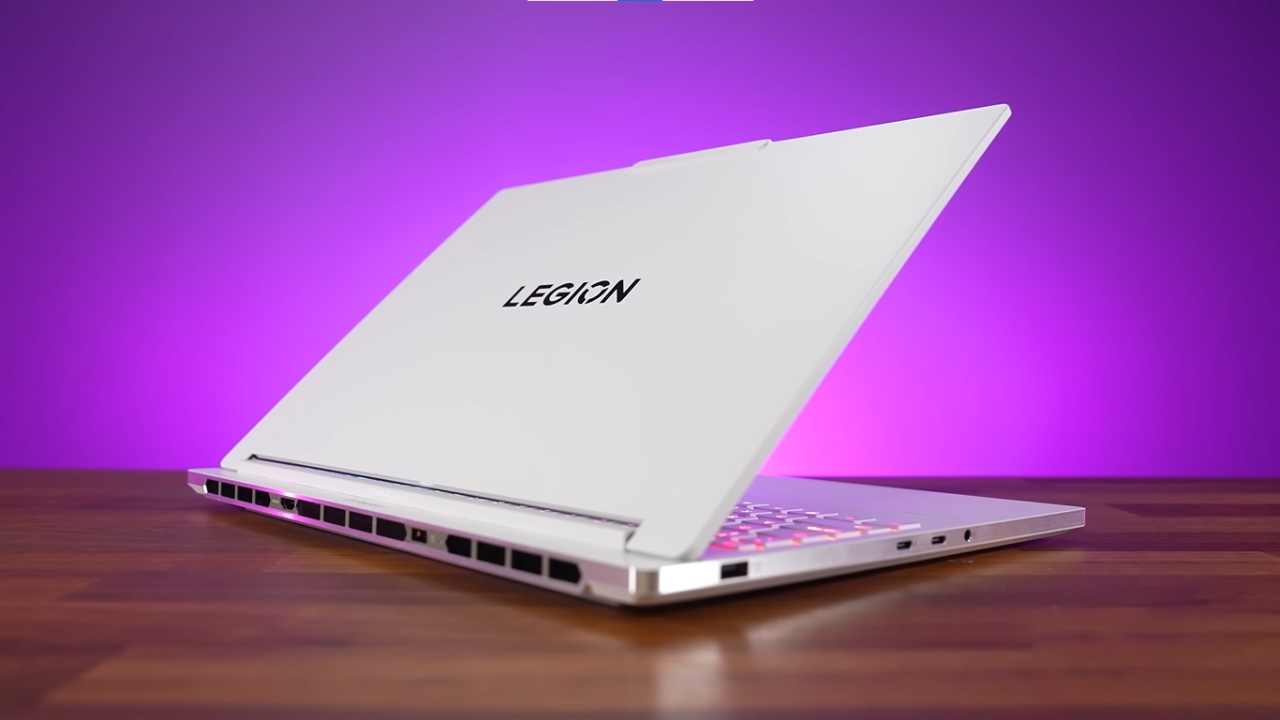
One of the biggest reasons for this shift is the latest generation of Intel Core Ultra CPUs. These processors scale up to 16cores while delivering far more GPU performance than previous mobile chips. More crucially, they do this without using up batteries very quickly. For the first time, Windows laptops seem to be using designs that really save power, which means they can perform well all day without losing their usefulness.
While real-world testing will ultimately determine how consistent these gains are, the early indications suggest that these processors could have a massive impact across laptops and handheld devices alike. Efficient performance is no longer just a marketing promise but something that may finally translate into daily use.
MSI Raider 16HX: Power Without Excess
MSI Raider 16HX was one of the most impressive machines on display. This design achieves a compromise between portability and performance, rather than going for an over-the-top gaming look or the idea of a full desktop replacement. It doesn't have the big, awkward shape that makes a lot of high-end gaming laptops hard to tote.
This computer has a lot of power for gaming and making content, and it can be set up with a GeForce RTX 5080 laptop GPU. That kind of speed will require more power, but it's still a good choice for anyone who want excellent graphics without having to deal with a bulky design. The Raider 16HX feels like a practical middle ground, combining capability with a form factor that still makes sense for everyday use.
Real Star: Next-Generation Displays
What truly sets many 2026 laptops apart is not just raw performance but display technology. We are finally seeing HDR1000 True Black OLED panels become standard in high-end laptops. These displays are capable of delivering 1000nits of brightness in demanding HDR scenarios while also maintaining around 500nits across a full-screen image, a level that most OLED monitors still struggle to reach.
In practical terms, this means laptop screens that can outperform many desktop monitors and even challenge high-end TVs for HDR content. Visual clarity, contrast, and brightness are reaching a level that fundamentally changes how laptops feel for gaming, creative work, and media consumption.
MSI Prestige 16 AI Plus: Efficiency First
On the thinner and lighter side, the MSI Prestige 16 AI Plus offers a more understated, business-oriented design. This model forgoes a dedicated GPU, relying instead on the integrated graphics within the Core Ultra9388H. While that means no RTX-class performance, the trade-off is significantly lower power draw and longer battery life.
The integrated GPU is expected to deliver performance roughly comparable to an RTX 4050, which is more than sufficient for many games and professional workloads. Combined with the same HDR1000 True Black OLED display, this laptop becomes especially attractive for creators who prioritize color accuracy, brightness, and portability over maximum frame rates.
Battery life is another major highlight. Claims of up to 24hours of use suggest that this device could finally free users from constant charger anxiety, something that has long plagued performance-oriented Windows laptops.
Even More Portability With a Convertible Design
MSI also showcased a 14in convertible version built around similar specifications. This flip-style design allows the screen to rotate fully, enabling tablet-like use with pen support while disabling the keyboard. With a smaller form factor and a reported battery life of up to 30hours, this device pushes portability to an entirely new level.
This design highlights how far mobile efficiency has come with the latest Core Ultra processors for people who want flexibility and endurance.
Asus ZenBook Duo: Rethinking Productivity
The ZenBook Duo from Asus is another interesting idea. This laptop has two 14-inch OLED screens, each with Gorilla Glass protection. Depending on the setup, they can run at 120Hz to 144Hz. The dual-screen setup opens up a wide range of multitasking possibilities, from editing workflows to complex productivity setups on the go.
While the seam between the two displays limits its usefulness as a single large screen, the flexibility of having two high-quality OLED panels in such a compact form factor is undeniably compelling. Powered by up to the Core Ultra9 388H, the ZenBook Duo combines efficiency with a bold design that challenges traditional laptop layouts.
Why Screens Might Be the Biggest Upgrade of All
Across all these devices, one theme stands out clearly: displays are the true showstopper. With brightness, contrast, and HDR performance that rival or exceed current monitors and TVs, laptop screens in 2026 may become some of the best displays money can buy.
If future designs push this even further with foldable or rollable OLED technology, the idea of a laptop transforming into a large, seamless display no longer feels like science fiction. The potential for portable HDR mastering-grade screens is closer than ever.
A Real Alternative to Established Ecosystems
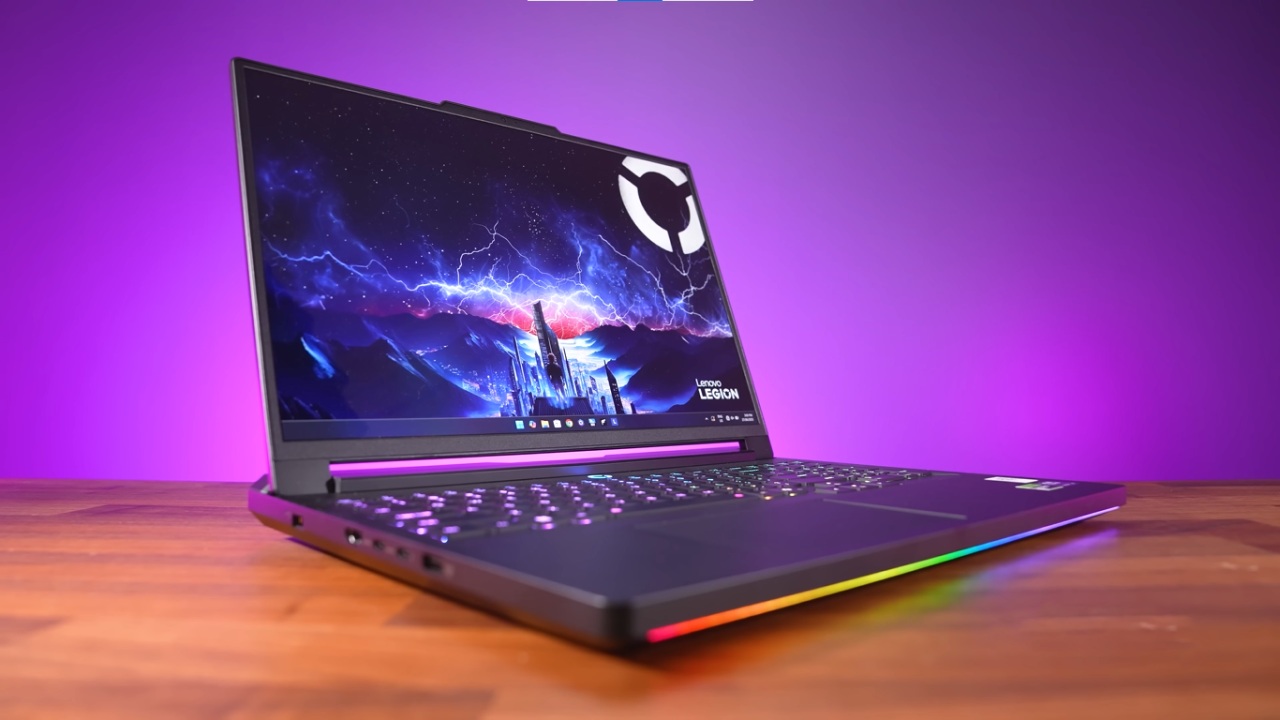
When these next-generation displays are paired with ultra-efficient Core Ultra processors, the result is a compelling alternative to existing premium laptops. Fast response times, high refresh rates up to240hz, and exceptional HDR performance address many of the long-standing complaints about laptops as a whole.
For users who appreciate strong hardware but prefer flexibility in operating systems and software ecosystems, these advancements could finally make switching platforms feel worthwhile.
Looking Ahead
It looks like 2026 will be a very important year for computers. Performance, efficiency, and display quality are coming together in a way that finally seems right. Testing these devices in real life will show how well they live up to their promises, but the early signs are more positive than they have been in a long time.
The era of laptops feeling inherently frustrating may finally be coming to an end, replaced by machines that are genuinely enjoyable to use across work, gaming, and creative tasks.
Also, check our other AMD articles below:
- AMD Ryzen 9 9950X3D Review: Setting The Standard For 2025 Gaming CPU
- AMD Ryzen 7 9800X3D Review: 3D V-Cache Goes God Mode with Stunning Gaming Performance
- AMD RX 9070 Performance Review: Thermals, Clocks, and Real-World FPS
- AMD Ryzen 5 7600 Review: Best Budget Gaming CPU of 2025?
- AMD Radeon RX 7800 XT Review: RDNA 3 Power For Midrange Gaming
- Sapphire NITRO+ AMD Radeon RX 9070 XT Review: The Ultimate 4K Gaming GPU
- AMD Ryzen 7 7800X3D: Delivers Gaming Performance Far Beyond Expectations
- AMD Ryzen 9 7900X Review: Powering the AM5 Era with DDR5 & PCIe 5.0
- Intel Core i9‑14900K vs. AMD Ryzen 7 7800X3D: Power Profiles & Gaming Benchmarks
Editor, NoobFeed
Gaming Hardware Updates
No Data.