
Next-Gen Xbox or No Console: Understanding the Impact on Games and Gamers
Xbox’s shifting focus from hardware exclusivity to platform accessibility reflects a changing philosophy in modern gaming ecosystems.
Hardware by Tanvir Kabbo on Oct 19, 2025
Gamers and tech fans are excited about the anticipated next-gen Xbox APU, which promises great performance and cutting-edge hardware. But that makes me wonder: if the next-gen Xbox was canceled, would we really be losing something important? Historically, gamers have prioritized games over mere teraflops. Nintendo has proven this repeatedly, selling millions of consoles based on game quality rather than processing power alone. Moreover, with the trend of multi-platform releases, there's no game today that exists solely on Xbox.
This perspective forces us to rethink how the console business has evolved. Once, buying a console meant accessing exclusive experiences, and first-party games were designed to make the hardware irresistible.
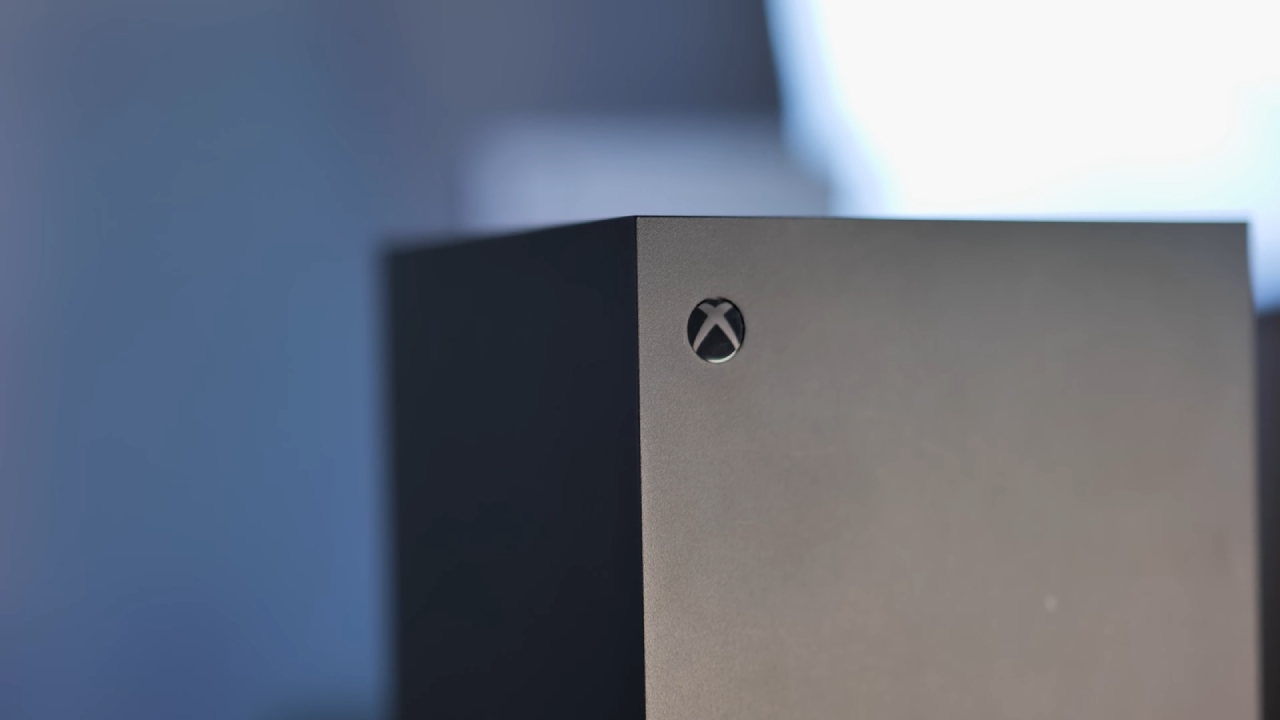
Nintendo has continued this approach, and Sony follows it to a degree, sometimes delaying releases for PC but still keeping exclusives relevant. Xbox, in contrast, has shifted away from traditional console exclusivity. Its games now often launch across multiple platforms, signaling a broader focus beyond just console sales.
The Importance of Game Studios
It's not just about the hardware in the end. The studios at Xbox are what really make it worth it. They can make great games. Their success depends on making games that players love, even if they don't have a dedicated system. If the absence of an Xbox platform hindered game development or reduced investment in studios, it would be a far bigger loss than missing a piece of hardware. Maintaining a platform—any platform—is crucial to keep the creative and business engine running.
Gaming vs. Technology
There's an ongoing debate about whether gaming is about technology or the games themselves. Some argue that gamers care more about the experiences than the hardware specs. In contrast, others see technological innovation as key to improving gameplay.
The Switch 2 is a good example of balancing both. It introduces advanced tech while keeping the focus on accessibility, portability, and fun. Similarly, Sony has been highlighting new technologies that enhance experiences, showing that hardware innovation still matters alongside great game design.
Why the Xbox Platform Still Matters
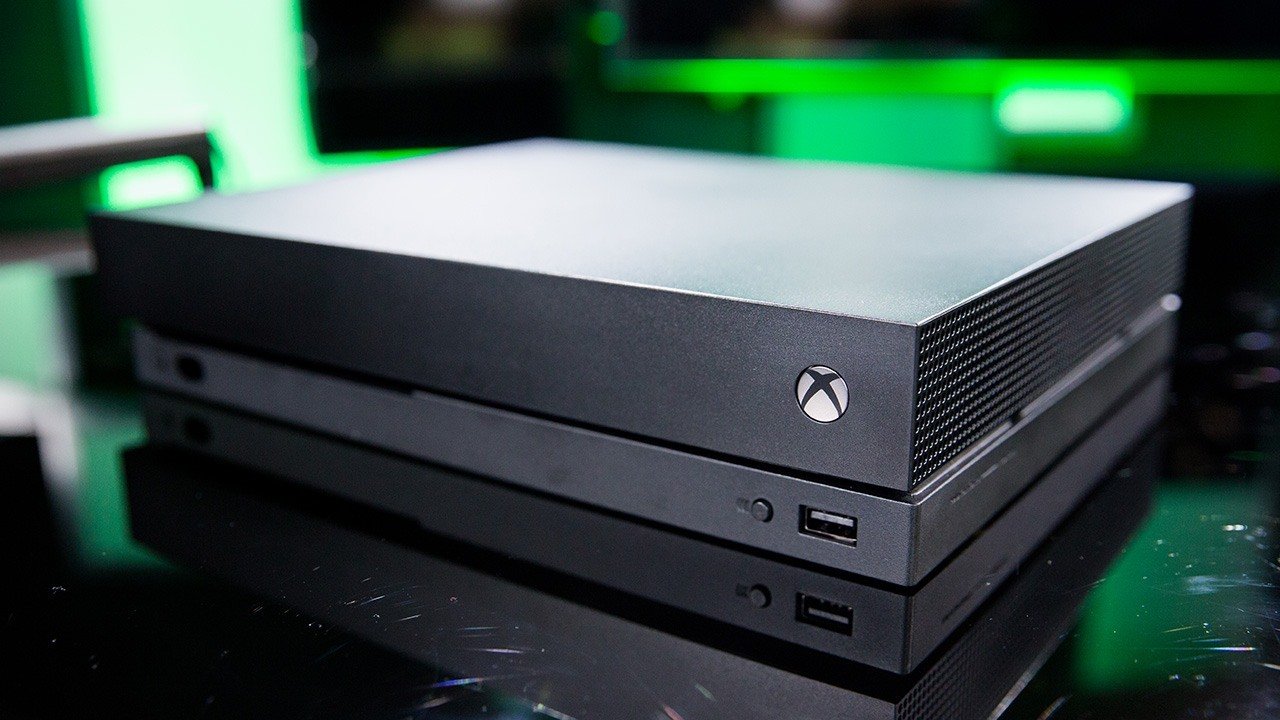
Even if the next-gen Xbox is closer to a high-end PC than a traditional console, a branded system has value. It ensures a stable and optimized experience for controller use and PC games. A generic PC might offer similar specs, but it cannot guarantee the same seamless usability or consistent performance.
Exclusives remain a crucial part of this ecosystem—not just for their quality, but because they drive the business in ways that third-party titles often do not. They avoid aggressive monetization strategies and provide curated experiences that define the platform.
Without exclusives, the console becomes largely a vessel for Game Pass. While Game Pass is appealing, its value alone may not be enough to sustain a hardware brand long-term. By shipping next-gen Xbox hardware, Microsoft ensures a better overall experience for PC and console gamers alike, reinforcing a reliable ecosystem for its titles and services.
Need for Clear Communication
In the end, Microsoft needs to be clear about what will happen with the Xbox in the future. Recent signs from AMD partnerships and internal leaks point to interesting new hardware. Still, people love to guess when they don't have any real facts.
To stop rumors and keep people's trust, the Xbox audience needs clear communication. Without it, fans are left uncertain about whether the platform will continue to evolve, leaving the perception that the brand is in limbo.
Clear messaging is not just about reassurance—it shapes how developers, gamers, and investors perceive the platform. Xbox, as a brand and ecosystem, matters not just for its hardware but for the stability it offers studios, the experiences it enables, and the innovation it supports.
Even as the lines blur between PC and console gaming, having a defined, well-supported platform ensures the next generation of games continues to reach players effectively.
Also, Check Our Other Console Articles:
- PS5 Pro vs. PS5 Slim: Frame‑Rate, Graphics & Performance
- PS5 Pro vs. Radeon RX 9060 XT vs RTX 5060 Ti: Ultimate $700 Gaming Showdown
- ASUS ROG Ally PS5 Remote Play | How to do Remote play on PS5 Using Sony's Official Remote Play App
- Stream PS5 Games on Steam Deck OLED: Step-by-Step Installation and Configuration
- AI Upscaling on PS5 Pro: Can PSSR Finally Match DLSS?
- PS5 Pro vs. PS5 Slim vs. PS5 — Design, Storage, Specs, and Gaming
- PS5 Pro vs. Xbox Series X: Specs, Price, Storage, Customization, and Gaming
- PS5 Pro vs. PC Gaming: Comparison of Graphics, Frame Rates, and Price
Senior Editor, NoobFeed
Gaming Hardware Updates
No Data.