
NVIDIA 6x Frame Generation Launch Date Revealed Alongside RTX 5060 Cancellation Reports
Rising memory prices, cancelled GPUs, new Intel CPUs, and NVIDIA frame generation reshape the PC hardware market in 2026.
Hardware by Nahe Yan on Mar 13, 2026
People in the PC hardware market are paying attention to Nvidia's recent decisions about GPUs, growing component costs, and new AI-based frame generation technology. Reports of canceled GPU versions, rising memory prices, and new CPU launches show that prices, performance expectations, and gaming technology will shift in the next few months.
NVIDIA has canceled the 12GB RTX 5060 and released the 9GB RTX 5050. NVIDIA's decisions on its GPU lineup have caused a lot of talk. The recently leaked RTX 5050 has 9GB of RAM and uses 3GB GDDR7 modules. However, it has a narrower bus width because it uses only three modules. Megaize GPU first revealed the GPU on X, and then Benchlife and other hardware leakers confirmed it. The same source says the speculated 12GB RTX 5060 has been canceled. It had been rumored before and seemed to be postponed, but then reports said it was taken off the roadmap.
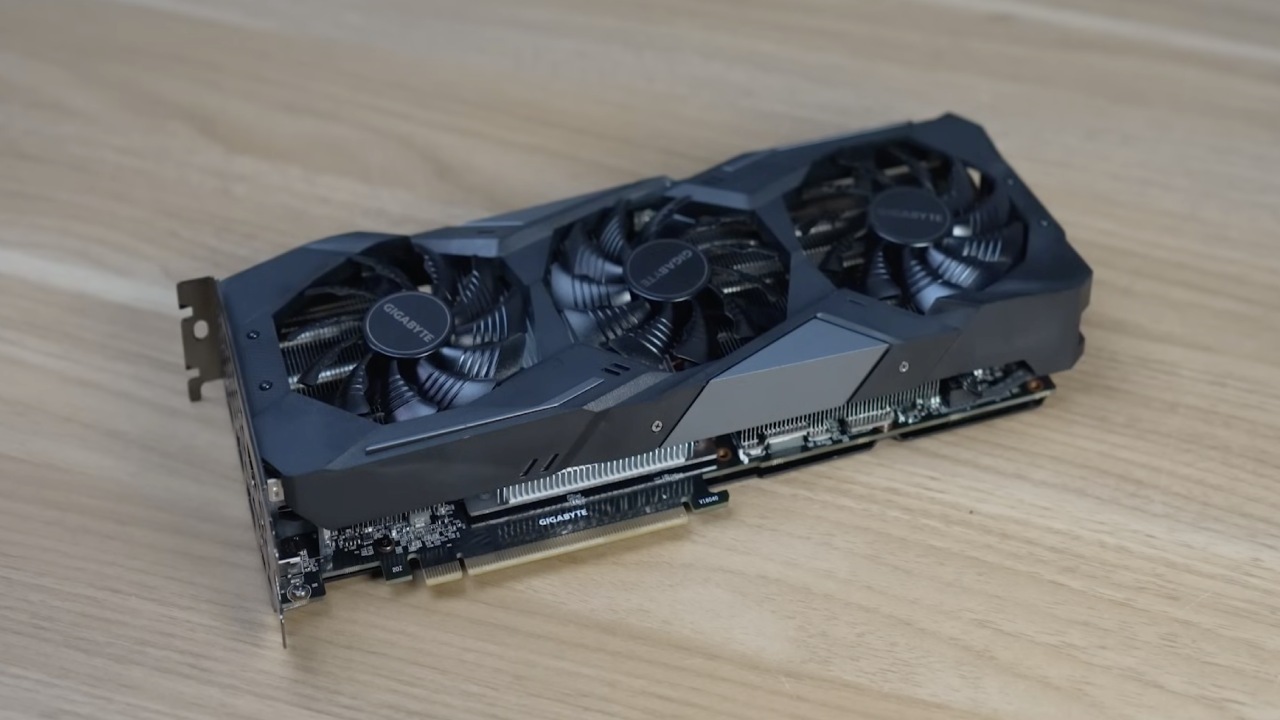
The choice is probably based on the cost of memory. NVIDIA might introduce the RTX 5050 because it had trouble getting GDDR6. Making the memory bus smaller lowers costs, offsetting the higher price of GDDR7. Switching from four 2GB modules to three 3GB modules might also help reduce costs. On the other hand, a 12GB RTX5060 would need four 3GB GDDR7 modules.
The cancellation is important since a 12GB RTX 5060 would have made mid-range GPUs work better together. NVIDIA launched the 12GB RTX 3060 in 2021. Still, the next generation is going in the opposite direction, with less memory. Reports say Nvidia might also reissue the 8GB RTX 3060 to address the current memory shortage. We can see that memory prices went up across the board, but Nvidia's quest for more AI hardware is also driving prices higher.
Costs of Memory Going Up Could Raise the Prices of Notebooks
The pressure on hardware prices goes beyond GPUs. A new analysis says CPU and memory prices are rising, which might make notebooks much more expensive.
TrendForce says that only the increased cost of RAM may push the price of a notebook above 30%, or over $900. Most of the time, DRAM and SSDs make up roughly 15% of a notebook's bill of materials. With prices rising right now, that share might reach about 30% in the first quarter.
CPU prices are also going up. When the costs of the CPU and RAM are combined, they may account for 58% of the notebook's component costs.
If notebook makers try to keep their profits, notebook prices in stores could rise by roughly 40%. Notebook margins are already thin, so manufacturers can't easily absorb increasing component costs. A 40% price increase could also make people want to buy fewer notebooks.
These price hikes affect the entire PC market. We might also see similar price pressure on desktop processors.
Intel Announces New Core Ultra 200S Plus Refresh CPUs
Intel recently revealed that it was updating its Core Ultra 200S Plus processors, and the specs are very similar to those leaked earlier. The reported Core Ultra 9 290K Plus is not part of the new range. Intel will instead produce the Core Ultra 5 250K Plus and the Core Ultra 7 270K Plus.
Core Ultra 5 250K Plus has 18 cores: 6 performance cores and 12 efficiency cores. This setup is better than the 245K but not quite as good as the 265K. The processor can run at a maximum clock speed of 5.3 GHz and handle memory speeds of up to 7200.
Core Ultra 7 270K Plus has the same core setup as Intel's Core Ultra 9 285K. It has a slightly lower maximum boost clock speed of 5.5 GHz. Still, it has a more efficient core turbo boost and quicker memory support.
Intel says that both CPUs make games run better than the non-Plus ones. Ryzen 9000 series also offers better multi-threaded performance than other processors, according to the company.
Price and Release Information
The price of these processors affects their overall competitiveness. Intel said both CPUs will be released on March 26. Core Ultra 5 250K Plus will cost $199 when it comes out, and the Core Ultra 7 270K Plus will cost $299. 270K Plus performs about as well as the 285K, but it costs a lot less. If the retail price reflects what Intel said, the chip might be a great deal for people who build computers.
Competition between producers still affects prices. Historically, processor prices stayed higher when there was no competition. The current prices indicate that competition remains in the CPU market. When other people's reviews come out, we will look at the CPUs again.
NVIDIA Announces 6x Frame Generation
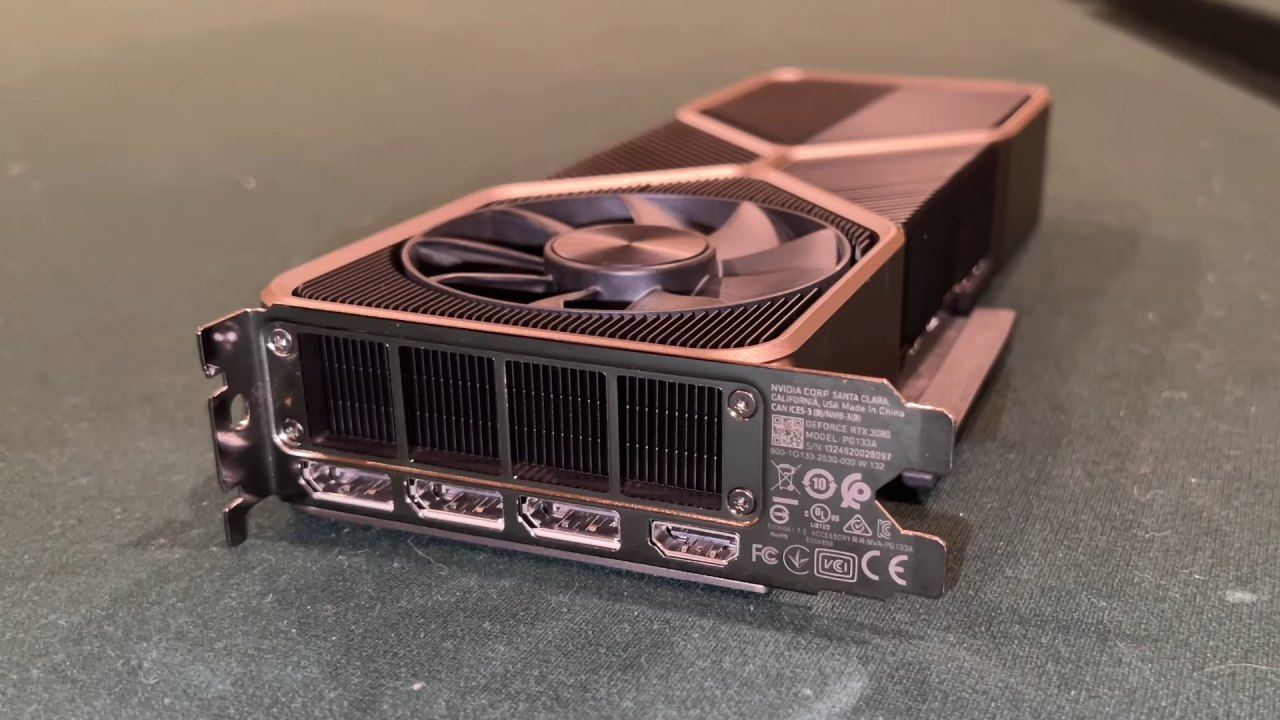
NVIDIA also said that new AI rendering technologies that improve its frame generation system will be available. On March 31, the business expects to add 6x frame generation and dynamic frame generation to its games along with support for DLSS4.5.
Dynamic frame generation adjusts the number of frames generated between rendered frames based on the amount of performance improvement needed. The system dynamically adjusts the number of AI-generated frames based on the GPU's workload.
But the 6x frame generation capability significantly increases the number of frames produced. During this procedure, the GPU renders one frame, then uses AI to generate up to 5 additional frames.
Final Thoughts
The frames made depend on motion vectors from the already-rendered frame. They can't process additional input during that time because they aren't fully rendered frames. Updates to the input only happen when a new real frame is rendered.
As a result, the visual output looks smoother, but responsiveness to human interaction doesn't improve. The extra steps in processing can also add a bit of latency. These capabilities will be enabled by DLSS4.5 support in several games in the future, making Nvidia's AI-driven rendering solutions even better.
Also, check our other hardware articles:
- AMD Ryzen 9 9950X3D Review: Setting The Standard For 2025 Gaming CPU
- Amazon Luna 2025 Review: Is Prime Gaming's Cloud Service Your Go-To For Casual Fun?
- AMD RX 9070 XT Review: AMD's RDNA 4 Champion for 1440p Gaming
- GeForce Now Ultimate: Ditching Your Gaming PC For Cloud RTX 4080 Power?
- NVIDIA GeForce RTX 5080 Review (2025): Still A 4K Gaming Powerhouse?
- Intel Core Ultra 9 285K Review And Performance Breakdown (2025)
- AMD Ryzen 7 9800X3D Review: 3D V-Cache Goes God Mode with Stunning Gaming Performance
- Intel Core Ultra 9 285K vs AMD Ryzen 7 9800X3D: In-Depth Gaming Performance and Benchmark Comparison
- NVIDIA GeForce RTX 5080 Super Performance In Cyberpunk 2077: Path Tracing & DLSS 4.0 Tested
- AMD Radeon RX 9070 XT In Cyberpunk 2077: Ray Tracing & FSR 4.0 Tested
- Intel Arc B580 Review: The $250 GPU Revolutionizing 1440p Gaming
- Intel Arc B570 Vs. B580: Value, Specs, And Real-World Gaming Performance
- RTX 5090 Laptop Vs. M4 Max MacBook Pro: Ultimate Raw Performance Vs. Battery Endurance
- Intel Arc b580 Vs. RTX 4060: Game Performance And Value Analysis
- RTX5090 Hell Is Us Demo 4K Ultra Benchmark: DLSS Vs. Native Performance Guide
- NVIDIA RTX 5070 Review: Mid-Range Muscle or Marketing Hype?
- Nintendo Switch 2 Review: Handheld Performance, Features & Value Breakdown
- RTX 5070 Ti Review: Performance, Thermals & Power Efficiency Tested
- Samsung Odyssey OLED G81SF Review 2025: Ultimate 32-Inch QD-OLED Gaming Monitor
- AMD RX 9070 Performance Review: Thermals, Clocks, and Real-World FPS
- AMD Ryzen 5 7600 Review: Best Budget Gaming CPU of 2025?
- AMD Radeon RX 7800 XT Review: RDNA 3 Power For Midrange Gaming
- Asus ROG RTX 5090 Astral OC Vs. Founders Edition: The 4K Gaming Benchmark
Editor, NoobFeed
Gaming Hardware Updates
No Data.