
Nvidia’s Gaming Division in 2026: AI Profits Soar While Gamers Get Left Behind
Nvidia expands AI frame generation to 6x output instead of delivering stronger native rendering performance.
Hardware by Tanisha Aria on Mar 02, 2026
In recent months, the pace of new PC hardware releases has slowed, and the ongoing RAM shortage has cast a long shadow over the industry. Nvidia chose to celebrate the 25th anniversary of the GeForce 3 GPU, which came out in February 2001, a time when technology was very different from what it is now.
While nostalgia ads talk about CRT monitors and simpler times when the most expensive halo-tier GPUs cost around $350, the truth about Nvidia's gaming business today is much less positive.
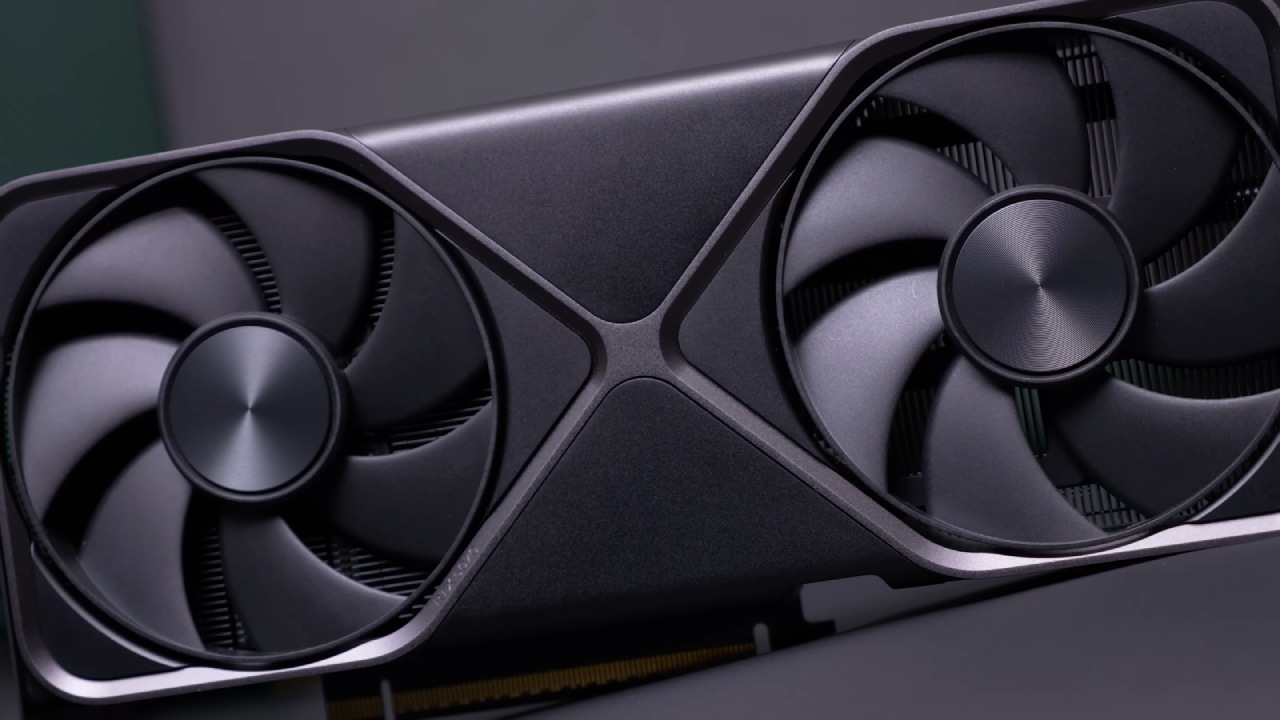
Celebrating GeForce 3 While Gaming Revenue Shrinks
NVIDIA's GeForce 3 was their first GPU to support DirectX 8 and programmable shaders. This was an important step forward that has had a huge impact on modern graphics. That success set the stage for Nvidia's present dominance. Of course, the company's goals look very different now.
Recent earnings showed the company posted $68 billion in quarterly sales, a 73% year-over-year increase. But only $3.7 billion, or just over 5% of total income, came from games. What's even scarier is that gaming income dropped 13% from the previous quarter. At the same time, $62 billion came in from running data centres.
The mismatch is very noticeable. NVIDIA keeps investing in AI. In its most recent fundraising efforts, it even promised $30 billion to OpenAI. AI is the most important thing now, not games. This is true whether those investments go through or not.
The change is easy to see. It's hard to believe that gamers are still an important part of Nvidia's strategy when GeForce accounts for only about 5% of the company's revenue.
Another Nvidia Driver Fail
Fundamental parts like drivers would get the same level of attention if gaming were still as important as it used to be. Instead, the Game Ready 595.59 driver release was just another mess.
The driver that was supposed to help with the start of Resident Evil Requiem had to be rolled back because many people said it didn't work properly. Users reported problems with fan controls not working, custom fan curves disappearing, incorrect voltage limits for RTX 5080 and RTX 5090 GPUs, frequency limits that didn't make sense for RTX 5080 and RTX 5090 GPUs, and instability that led to crashes and system restarts.
RTX 3000 series cards and newer hardware were affected by these problems. When something as important as how something cools down stops working right, people quickly lose faith in quality control. We expect a big company like Nvidia to conduct better testing before a product comes to market. Instead, players were asked to test new games.
RTX50 GPU Shortages Until at Least 2026
One trouble is the drivers. Another one is the supply of hardware. The chief financial officer of Nvidia said that games would continue to face problems with supply issues through fiscal year 2027 and beyond. I
n real life, this means there will continue to be shortages of RTX 50 GPUs, and maybe even future versions. Builders of AI infrastructure are still using up all available production capacity, leaving users at the back of the line.
When record data centre profits keep coming in, there isn't much reason to put game supply first right away. The word "and beyond" is unclear and doesn't offer any reassurance. We are basically told to keep the GPUs we already have and hope that things get better in the future.
There is more AI and more "fake" frames with 6x multi-frame generation.
NVIDIA keeps introducing new software features, mostly based on AI. Frame Generation will go from 4x to 6x, which means that up to six AI-generated frames will be made for every one regularly rendered frame.
The stated rollout is scheduled for the spring, most likely in April. The uncertainty is still on purpose. This feature may make things seem smoother, but it also shows Nvidia's path. The goal is not to make hardware cheaper or give more raw rendering power, but to make algorithms work better.
You might like smoother graphics, but the fact that they are generated frames shows how little focus there is on standard performance scaling.
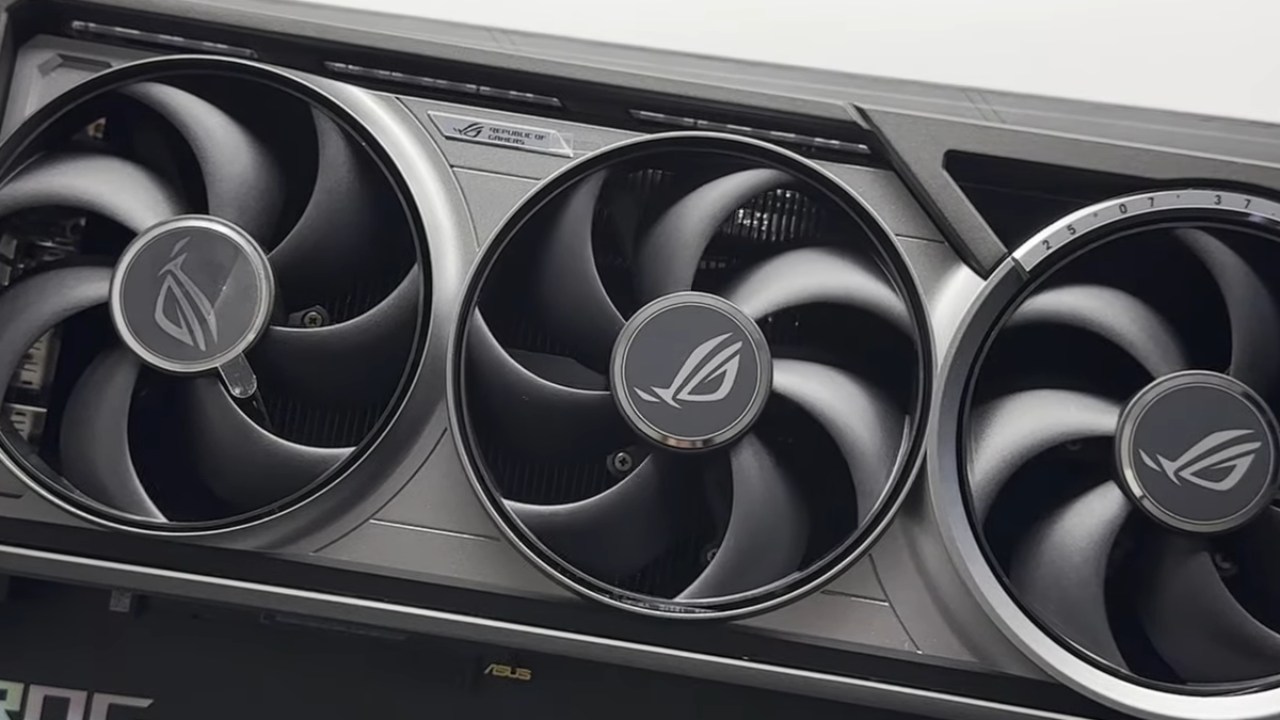
NVIDIA's Biggest Embarrassment: The 12v2x6 Connector
The 12v2x6 power connection is still one of the most debated design choices in the history of modern GPUs. There have been many reports of joints overheating, melting, or even burning. Even with these worries, Nvidia is still requiring the connector across multiple versions.
AIB partners haven't been able to go back to using standard 8-pin PEG connections. Because of this rigidity, an ecology of adapters and specialised PSUs has grown up to lower risk. Major system integrators have even used metal retention fittings to keep the connector in place permanently, indicating they don't trust the standard approach.
People who try to talk about the problem in public often run into problems in moderated groups, which makes things even more frustrating. We were hoping that later launches would give us time to think again, but it looks like they are sticking with the same style.
RAM Shortage Hits Handheld Gaming PCs
The market is still being hurt by the general RAM and NAND shortages. Not even portable game PCs are safe.
Since the Steam Deck is four years old now, it's getting harder and harder to find. The LCD model is no longer being made, and there aren't enough OLED models in stock in some areas. Prices have risen by 0.5% to 17% in some areas. This is partly due to changes in the dollar's value and partly to pressure on suppliers.
At the same time, the launch of new handheld rivals powered by Qualcomm chips has been delayed. Official reasons don't directly blame memory shortages, but the industry situation makes it clear what the cause is.
You might have thought of handheld PCs as a backup in case GPUs became scarce, but their limited supply makes you think otherwise.
People who have worked in the gaming industry for a long time have strong opinions about the leadership change in Microsoft's gaming division. One of the people who helped start Xbox, Seamus Blackley, said the name was "sunsetted," which sounds like a move away from dedicated hardware over time.
If that forecast comes true, console and PC gamers may find that cloud services, rather than owning their own gear, become increasingly important. In the near future, subscription-based platforms may become more important than traditional game hardware. This is a scary thought for people who like real GPUs and custom builds.
ASML's EUV Advance Brings Hope
Not everything is going badly. The Dutch company ASML, which makes EUV lithography tools, said its light source output would increase from 600W to 1000W. This improvement could raise wafer output from 220 per hour per machine to 330 per hour, allowing 50% more chips to be produced by 2030.
Even though putting the new idea into action might take years, it shows that we are getting better at making things. When there aren't enough chips, higher output from the machines already there is a real sign of hope.
Even though we might not feel better right away, being able to produce more is an important step toward matching supply and demand.
.jpg)
Final Thoughts
It's impossible to ignore the difference between Nvidia's happy nostalgia and its present goals. Gaming revenue is a minor fraction of overall revenue, and AI is fueling investments and engineering, as well as strategy communications. There are driver instability, extended graphics card shortages, questionable power connections, and much attention to AI-generated frames all indicative of players no longer being the central concern.
At the same time, broader industry problems, such as RAM shortages and production delays, make things more difficult for everyone. We are in a transitional period in which the growth of AI infrastructure is changing the goals of everyone in the semiconductor industry.
It remains to be seen whether Nvidia shifts its focus back to games or continues to accelerate its work in AI. Gamers must now adapt, hold on to the hardware they already have, and keep a close eye on how the next part plays out.
Also, check our other hardware articles:
- AMD Ryzen 9 9950X3D Review: Setting The Standard For 2025 Gaming CPU
- Amazon Luna 2025 Review: Is Prime Gaming's Cloud Service Your Go-To For Casual Fun?
- AMD RX 9070 XT Review: AMD's RDNA 4 Champion for 1440p Gaming
- GeForce Now Ultimate: Ditching Your Gaming PC For Cloud RTX 4080 Power?
- NVIDIA GeForce RTX 5080 Review (2025): Still A 4K Gaming Powerhouse?
- Intel Core Ultra 9 285K Review And Performance Breakdown (2025)
- AMD Ryzen 7 9800X3D Review: 3D V-Cache Goes God Mode with Stunning Gaming Performance
- Intel Core Ultra 9 285K vs AMD Ryzen 7 9800X3D: In-Depth Gaming Performance and Benchmark Comparison
- NVIDIA GeForce RTX 5080 Super Performance In Cyberpunk 2077: Path Tracing & DLSS 4.0 Tested
- AMD Radeon RX 9070 XT In Cyberpunk 2077: Ray Tracing & FSR 4.0 Tested
- Intel Arc B580 Review: The $250 GPU Revolutionizing 1440p Gaming
- Intel Arc B570 Vs. B580: Value, Specs, And Real-World Gaming Performance
- RTX 5090 Laptop Vs. M4 Max MacBook Pro: Ultimate Raw Performance Vs. Battery Endurance
- Intel Arc b580 Vs. RTX 4060: Game Performance And Value Analysis
- RTX5090 Hell Is Us Demo 4K Ultra Benchmark: DLSS Vs. Native Performance Guide
- NVIDIA RTX 5070 Review: Mid-Range Muscle or Marketing Hype?
- Nintendo Switch 2 Review: Handheld Performance, Features & Value Breakdown
- RTX 5070 Ti Review: Performance, Thermals & Power Efficiency Tested
- Samsung Odyssey OLED G81SF Review 2025: Ultimate 32-Inch QD-OLED Gaming Monitor
- AMD RX 9070 Performance Review: Thermals, Clocks, and Real-World FPS
- AMD Ryzen 5 7600 Review: Best Budget Gaming CPU of 2025?
- AMD Radeon RX 7800 XT Review: RDNA 3 Power For Midrange Gaming
- Asus ROG RTX 5090 Astral OC Vs. Founders Edition: The 4K Gaming Benchmark
Contributor, NoobFeed
Gaming Hardware Updates
No Data.