
Is Nvidia Quietly Moving Away From Gaming GPUs? Supply Shortages and Market Reality
Why reduced Nvidia GPU supply pushes demand toward AMD and naturally drives prices higher across the entire market.
Hardware by Tanisha Aria on Feb 04, 2026
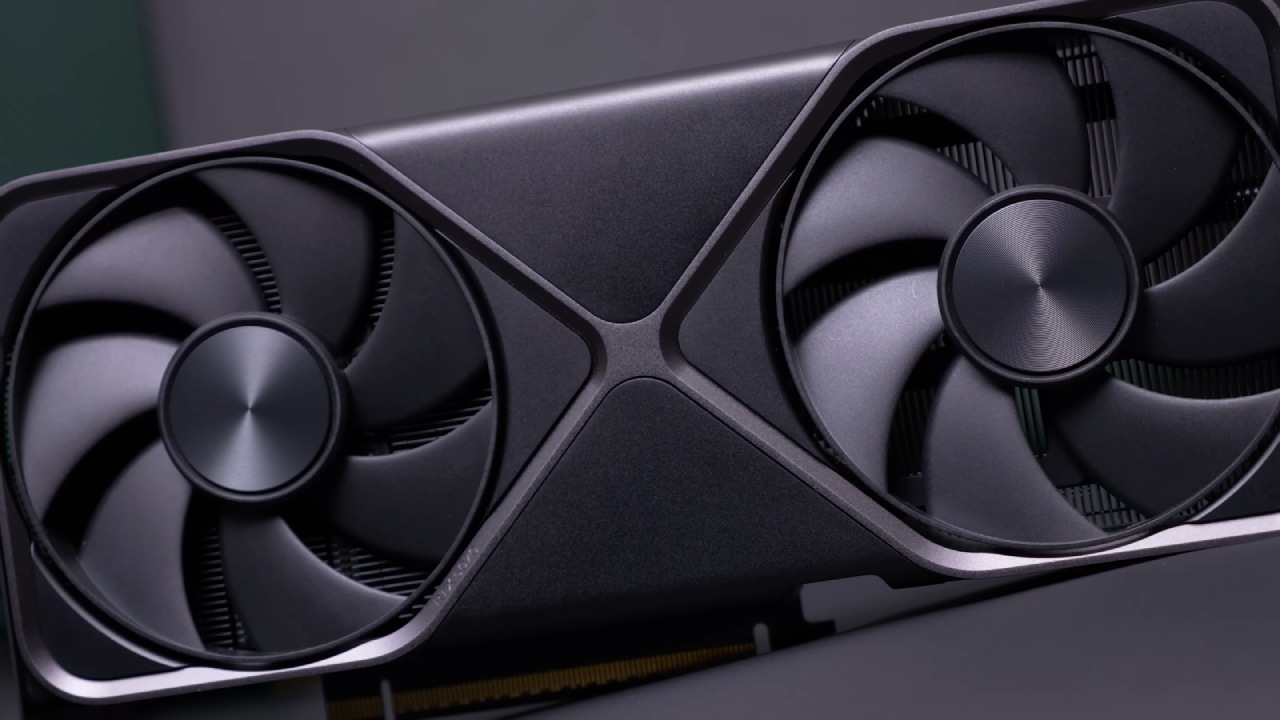
Concerns are building in the GPU market about Nvidia's long-term commitment to gaming, especially since the company is still struggling to meet demand, is changing its product priorities, and is putting a lot of effort into making money through AI.
Talks about the availability, pricing, and production pauses of GPUs have led some to think Nvidia might be giving up on making dedicated consumer graphics cards, or at least putting them on the back burner. These worries have grown stronger because some models are no longer being made, and the PC hardware ecosystem is generally unstable.
Supply, Demand, and Why Prices React the Way They Do
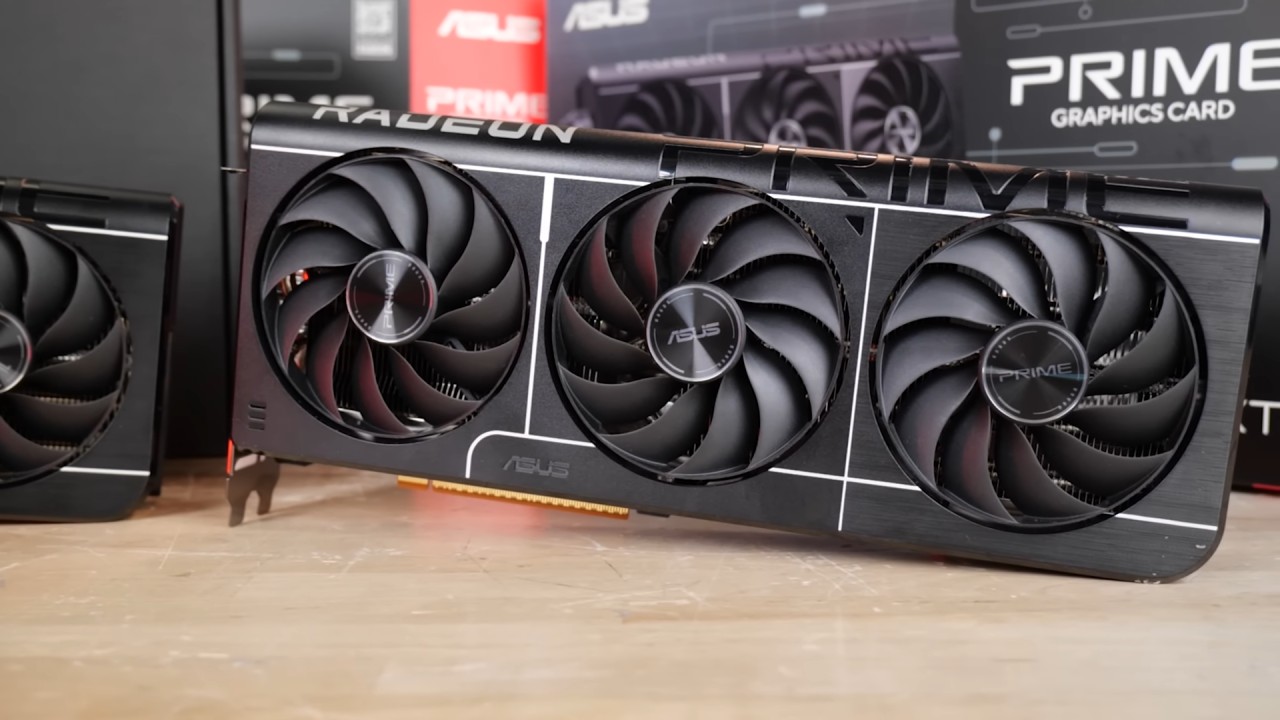
A big question in the market right now is why AMD GPU prices go up when Nvidia supply gets low. There is a simple answer: supply and demand. If Nvidia's market share goes down, even if AMD keeps its stock levels the same, some buyers will automatically switch to AMD.
At the moment, AMD has a much smaller share of the discrete GPU market. If Nvidia cuts its supply significantly, AMD won't be able to make up for it, even if it doubles production. It's clear what will happen. When demand exceeds supply, prices rise to meet it. This isn't because the prices were set deliberately; it's just how the market works when supply is limited.
Current Pricing Reality for AMD GPUs
Based on what's currently available, the 9070XT can still be bought for around $730 from some sellers. This fits with what we thought would happen earlier: the price would settle around 10% to 30% above MSRP instead of going crazy high like $1,000. It's a lot like what happened during the launch time for the 9070 XT.
If you can afford it, the 9070XT is still a good buy below $750. You are getting about the same speed as a 7900XTX, but it uses much less power, and ray tracing is much better. For many buyers, that's a great deal compared to how prices have changed in the past.
Buyer Hesitation and the Broader Hardware Slowdown
A growing number of people are also choosing to stay away from the GPU market for now. Since GPU instability and rising RAM costs happen at the same time, many users are putting off upgrades rather than paying too much for multiple parts. This hesitancy is probably making demand trends less even, even though shortages are still being reported.
NVIDIA Production Pauses and the Possibility of a Restart
Reports say that some GPUs, such as the 5070 Ti and 5060 Ti 16GB, are no longer being produced or are nearing the end of their useful lives. NVIDIA plans to look at the situation again in Q4 based on what it knows now. That doesn't mean there will be a restart, but it does leave the door open.
If memory supply improves, Nvidia might resume production around September, aiming to flood the market before November. A move like this would probably cause GPU prices to drop noticeably.
The advice could change from "wait or buy carefully" to "buy while prices crash" at that point. On the other hand, based on how much the next generation costs, it may still make more sense to wait.
Is Nvidia Abandoning Gaming GPUs?
More and more people are worried that Nvidia might quit making GPUs for consumers. Giving up games, on the other hand, and acting opportunistically are two very different things. We are not seeing an exit right now; what we are seeing is a desire to prioritize higher-margin markets over gamers whenever it makes sense to do so.
Based on patterns established during the 30-series and repeated in the 50-series, this behavior is likely to continue. When Nvidia sees more money coming in from other markets, they will move their supply there, play down any shortfalls, and bring back consumer GPUs much later than they had originally planned. The market forgets over time, and the cycle starts all over again.
Internal Perspective on GeForce's Future
To get straight answers to the problem, we talked to someone at Nvidia. The answer was clear: GeForce is a $16-billion-a-year company that keeps growing on its own. It's not going anywhere.
Giving up games would be a very short-sighted move. Gaming is an important part of Nvidia's business identity and long-term visibility. In fact, GeForce sales alone account for about half of what AMD earns each year from all its other businesses combined. That much steady income is too good for any business to pass up.
AI Focus Does Not Mean Gaming Is Dead
AI and data center sales now bring in many times more revenue than gaming, and Nvidia will continue to set goals based on this. Focus, on the other hand, does not mean giving up. Not only is gaming still good for business, but it's also good for culture.
There's also the matter of pride inside. NVIDIA has long been driven by the desire to be the best at gaming performance. The way you think still matters. Along with pure profit, owning the best gaming GPUs remains a big deal for prestige, brand recognition, and symbolic value.
Final Thoughts
Gamers are still important to Nvidia, but the company is no longer focused on them. The company will keep supporting consumer GPUs, but only when it makes sense for the business as a whole. Changing objectives, manipulating supplies, and delaying availability are likely to remain the same.
For buyers, being aware is important. Realize why prices change, know when it's better to wait than to buy, and accept that the GPU market doesn't follow the usual upgrade rounds anymore. There are still gaming GPUs, but they are part of a much wider, more complex environment now.
Also, check our other articles below:
- AMD Ryzen 9 9950X3D Review: Setting The Standard For 2025 Gaming CPU
- AMD Ryzen 7 9800X3D Review: 3D V-Cache Goes God Mode with Stunning Gaming Performance
- AMD RX 9070 Performance Review: Thermals, Clocks, and Real-World FPS
- AMD Ryzen 5 7600 Review: Best Budget Gaming CPU of 2025?
- AMD Radeon RX 7800 XT Review: RDNA 3 Power For Midrange Gaming
- Sapphire NITRO+ AMD Radeon RX 9070 XT Review: The Ultimate 4K Gaming GPU
- AMD Ryzen 7 7800X3D: Delivers Gaming Performance Far Beyond Expectations
- AMD Ryzen 9 7900X Review: Powering the AM5 Era with DDR5 & PCIe 5.0
- Intel Core i9‑14900K vs. AMD Ryzen 7 7800X3D: Power Profiles & Gaming Benchmarks
- NVIDIA GeForce RTX 5080 Review (2025): Still A 4K Gaming Powerhouse?
- NVIDIA RTX 5070 Review: Mid-Range Muscle or Marketing Hype?
- RTX 5070 Ti Review: Performance, Thermals & Power Efficiency Tested
- ASUS GeForce RTX 5090 LC Liquid Cooled GPU Review: Unmatched Silence & Speed
- MSI GeForce RTX 5090 32GB SUPRIM SOC Review: Power Efficiency, Cooling, and Gaming Performance
- INNO3D RTX 5060 Ti 16 GB X2 Review: Gaming Benchmarks, Temps, and Power Efficiency
- HP Omen 45L Review: RTX 5090 Performance, Thermals, and Value Analysis
- ASUS TUF Gaming GeForce RTX 5060 Ti Review: DLSS 4, Power Efficiency, and Gaming
- ASUS Prime RTX 5060 Ti OC 16GB Review: DLSS 4, Ray Tracing, & Thermals Tested
- NVIDIA GeForce RTX 5060 Review: Specs, Gaming, and Cost per Frame
- MSI GeForce RTX 5090 GAMING TRIO OC Review: A Monster Power GPU
Contributor, NoobFeed
Gaming Hardware Updates
No Data.