
NVIDIA GB10 and N1X Performance Signals Major Shift in Desktop CPU Market
AI-driven CPU demand pressures TSMC 2nm capacity and impacts consumer launch timelines.
Hardware by Shinji Okazaki on Mar 05, 2026
PC gamers know NVIDIA for its graphics cards and technologies like DLSS and RTX. Still, the company is also working on CPUs. It doesn't want Intel and AMD to have all the power in the CPU market. NVIDIA has already delivered ARM-based CPUs for servers, and customer devices are on the way.
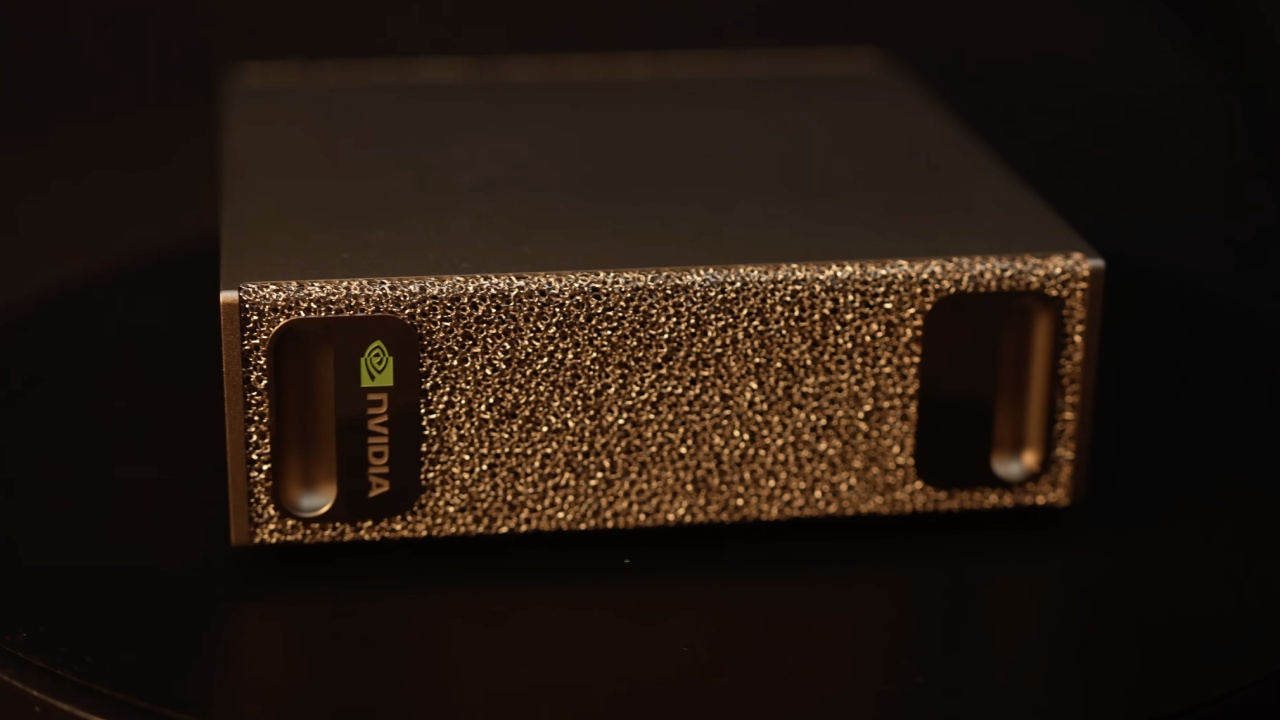
There have been reports concerning N1X, and some benchmarks from as early as June of last year give us an idea of how well it works. These chips might come out later this year, along with N2. In the meantime, benchmarks show that GB10, the chip within DGX Spark, is already doing well.
.jpg)
Benchmarks suggest that the cores in NVIDIA's next PC CPU will be as fast as Intel and AMD's newest chips. A comprehensive Chips and Cheese blog post talks about a processor that runs at about 4GHz and is based on the X925. Dell uses a GB10. The results for the SPEC CPU 2017 integer suite workloads are very close to each other.
Some tasks run better with AMD, others with Intel, and others with the Cortex-based processor. The same pattern is evident in floating-point results. The summary says that ARM now has a core that can handle both laptop and desktop tasks. Getting this level of performance at 4GHz is impressive.
What it means for gaming and how it works with ARM
These processors don't have technology like X3D cache that is found in parts like Zen 5 and the 9800X3D. Most games are built on the x86 architecture. To run them on ARM, you need translation layers like Windows on ARM or native program releases. Linux and Windows on ARM are also gaining increasing support. We may see a gradual push toward greater ARM compatibility. Still, native adoption will determine whether gaming is possible in the long term.
The current iteration of Nvidia's Grace CPUs has 72 Neoverse V2 cores designed for servers. The roadmap shows the Vera CPU, which has 88 proprietary Olympus cores that use spatial multi-threading. L2 cache is doubling, unified L3 cache is growing, and memory bandwidth is increasing significantly. Consumer parts won't have combinations like 1.5 TB of LPDDR5X, but the path signals bigger goals. NVIDIA will probably use Olympus-based designs in consumer products as well.
Olympus Architecture and Spatial Multi-Threading
NVIDIA is adding spatial multi-threading to its 88custom Olympus cores. The goal is to improve single-thread performance and energy efficiency. The architecture uses a wide, deep microprocessor design that improves branch prediction, prefetching, and load-store speed. Spatial multi-threading runs two hardware threads per core by splitting resources rather than time-slicing. This lets you choose between speed and efficiency at runtime.
In standard SMT, threads take turns running. In this case, both threads run at the same time, but the resources needed to run them are split. For instance, if one thread had 10 execution resources, two threads would each have 5. This physical split is different from traditional SMT methods and lets you assign resources based on how the workload behaves.
NVIDIA might be very active in launching new products in the future. By 2028, desktop socketed CPUs may not be the norm for gamers right away, but laptops, all-in-one desktops, and mobile PCs could be greatly affected. This integration could help devices that are like handheld gaming PCs. When competition is higher, the market usually performs better because relying on a single GPU manufacturer limits innovation and affordability.
AI Demand, Supply Problems, and AMD Delays
Timing makes things more complicated. Lisa Su, the CEO of AMD, has said that agentic AI has greatly increased the demand for CPUs. Changes in demand over the past 3 to 6 months have not been matched by supply chain changes, leading to tight supply. People are worried about short-term shortages around 2026. TSMC is expanding, but its 2nm capacity remains constrained by strong industry demand.
There were rumors that AMD would deliver Zen 6, likely called Ryzen 10000 series, in the fourth quarter of this year. X3D and mobile parts would come out at CES next year. But AMD might hold off on releases because the same processors make more money when used in data centers. This makes things unclear for gamers. The AI financing landscape, which includes news about OpenAI, makes things even less certain. AMD is struggling to meet the high demand for processors.
Sony is thinking about fewer PC Ports
Other sources say Sony might cut back on the number of PlayStation games coming to PC. There may not be a PC port for titles like Ghost of Yoai, while online games like Marathon and Marvel Token may stay concentrated on their own platforms. Ghost of UI, SOS, and maybe Wolverine won't come to PC for a while, or at all.
Some PlayStation games will continue to come out on PC, especially those made by other companies. Death Stranding was developed by Hideo Kojima's studio, but Sony published it, giving them more freedom. Sony has full control over when to release its first-party games, which it fully funds, publishes, and develops.
When PC ports come out 1 to 2 years after console debuts, they usually sell fewer copies. Over time, hype goes down, and occasionally marketing doesn't focus enough on how easy it is to get a PC. Also, digital shops like Steam take 30%, so sales made through their own platforms earn less. Microtransactions have a greater impact on revenue strategy.
Final Thoughts
We can see things from the platform holder's perspective. Exclusivity can help people buy hardware. Without exclusive titles, the differences between platforms become less clear. From a consumer's point of view, wider availability is good, but platform owners want to keep the ecosystem's value. Microsoft may make more adjustments to its approach now that Phil Spencer and Sarah Bond are in charge. The console and PC world is still changing.
In general, Nvidia's CPU roadmap, AMD's supply concerns, and Sony's platform strategy show how the industry is changing. The next phase of the PC and console ecosystem will be shaped by competition, demand driven by AI, and platform exclusivity.
Also, check our other hardware articles:
- AMD Ryzen 9 9950X3D Review: Setting The Standard For 2025 Gaming CPU
- Amazon Luna 2025 Review: Is Prime Gaming's Cloud Service Your Go-To For Casual Fun?
- AMD RX 9070 XT Review: AMD's RDNA 4 Champion for 1440p Gaming
- GeForce Now Ultimate: Ditching Your Gaming PC For Cloud RTX 4080 Power?
- NVIDIA GeForce RTX 5080 Review (2025): Still A 4K Gaming Powerhouse?
- Intel Core Ultra 9 285K Review And Performance Breakdown (2025)
- AMD Ryzen 7 9800X3D Review: 3D V-Cache Goes God Mode with Stunning Gaming Performance
- Intel Core Ultra 9 285K vs AMD Ryzen 7 9800X3D: In-Depth Gaming Performance and Benchmark Comparison
- NVIDIA GeForce RTX 5080 Super Performance In Cyberpunk 2077: Path Tracing & DLSS 4.0 Tested
- AMD Radeon RX 9070 XT In Cyberpunk 2077: Ray Tracing & FSR 4.0 Tested
- Intel Arc B580 Review: The $250 GPU Revolutionizing 1440p Gaming
- Intel Arc B570 Vs. B580: Value, Specs, And Real-World Gaming Performance
- RTX 5090 Laptop Vs. M4 Max MacBook Pro: Ultimate Raw Performance Vs. Battery Endurance
- Intel Arc b580 Vs. RTX 4060: Game Performance And Value Analysis
- RTX5090 Hell Is Us Demo 4K Ultra Benchmark: DLSS Vs. Native Performance Guide
- NVIDIA RTX 5070 Review: Mid-Range Muscle or Marketing Hype?
- Nintendo Switch 2 Review: Handheld Performance, Features & Value Breakdown
- RTX 5070 Ti Review: Performance, Thermals & Power Efficiency Tested
- Samsung Odyssey OLED G81SF Review 2025: Ultimate 32-Inch QD-OLED Gaming Monitor
- AMD RX 9070 Performance Review: Thermals, Clocks, and Real-World FPS
- AMD Ryzen 5 7600 Review: Best Budget Gaming CPU of 2025?
- AMD Radeon RX 7800 XT Review: RDNA 3 Power For Midrange Gaming
- Asus ROG RTX 5090 Astral OC Vs. Founders Edition: The 4K Gaming Benchmark
Editor, NoobFeed
Gaming Hardware Updates
No Data.