
NVIDIA RTX 5070 vs. Previous Generations: Complete Benchmark and Value Analysis
Generational performance trends illustrate how Nvidia’s RTX 70 lineup has evolved through shifting architectures, VRAM capacities, and pricing strategies over time.
Hardware by Tanvir Kabbo on Nov 16, 2025
The Nvidia RTX 70 series has been a key part of the gaming GPU scene since the RTX 2070 came out in late 2018. Examining the generations that preceded the RTX 5070 reveals how performance, value, and design philosophy have evolved over time.
By comparing each card through consistent testing at 1080p, 1440p, and 4K, the overall trends in generational uplift and product positioning become clear.
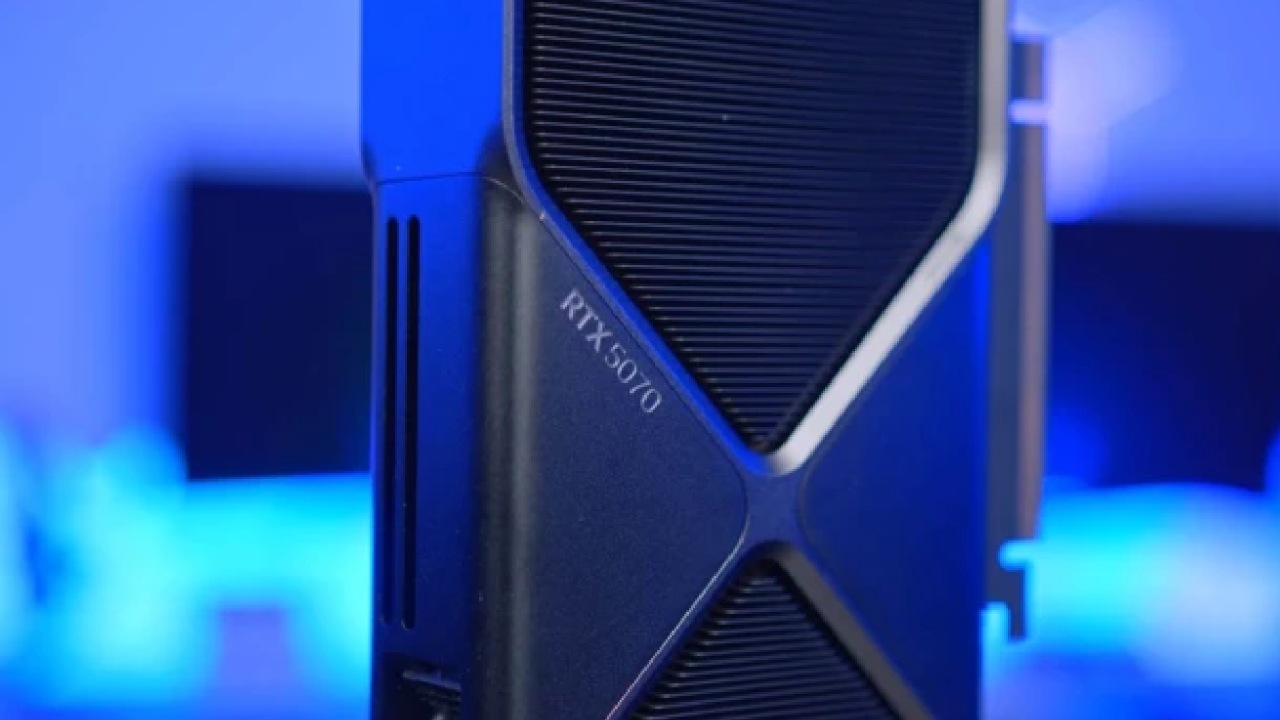
RTX 5070 Overview and Initial Impression
We have already reviewed the RTX 5070, and upon its release, it felt underwhelming. The major issue was the unchanged 12GB VRAM capacity, identical to the RTX 4070, which becomes a real concern as modern games and features, such as ray tracing and upscaling, continue to increase memory usage.
At a $550 price point, 16GB felt like the minimum spec. Still, a question remained: Is the RTX 5070 a better release than the RTX 4070, and how does it compare to the 3070 and 2070? To answer that, we tested all four cards directly against each other.
Call of Duty: Black Ops 6 Performance
Starting with the basic preset, the RTX 2070 delivered 109fps at 1080p, while the 3070 produced 161fps—a massive 48% uplift. The 4070 was 41% faster than the 3070, while the 5070 was just 3% faster than the 4070.
At higher resolutions, the 3070 maintained a huge 57% lead over the 2070. The 4070 saw its margin shrink to 34%, and the 5070 improved to a 7% lead over the 4070, with a more notable 23% improvement in 1% lows.
Switching to the extreme preset, the RTX 2070 fell to 44fps at 1080p, while the 3070 delivered 81fps—an 84% uplift. The 4070 improved to 113fps, 40% faster than the 3070, and the 5070 again landed just slightly ahead at 119fps. Similar trends were observed in both 1440p and 4K. The 3070 was almost twice as fast as the 2070, the 4070 was around 30% faster than the 3070, and the 5070 was only slightly faster.
Cyberpunk 2077: Phantom Liberty Results
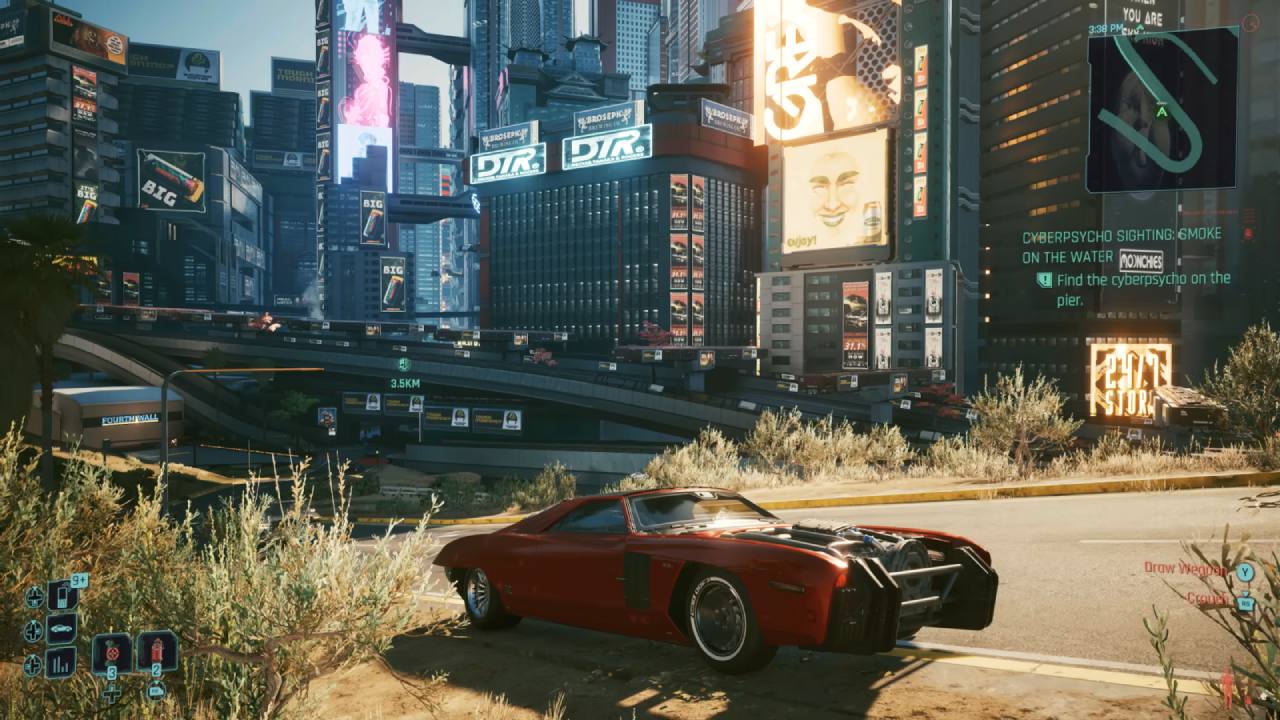
At 1080p, the 3070 was 60% faster than the 2070 when the settings were set to low. The 4070 improved things by 35%, and the 5070 improved them by 10%. At 1440p, the 3070 maintained a 62% lead over the 2070, the 4070 added 33% over the 3070, and the 5070 reached 13% above the 4070.
On the high preset, the 2070 delivered 67fps at 1080p. The 3070 was 54% faster, and the 4070 added another 23%. The 5070 offered a more respectable 22% boost over the 4070, growing to 26% at 1440p and a more impressive 45% at 4K.
Horizon Zero Dawn Remastered
Using the medium preset, the RTX 2070 hit 88fps at 1080p and 65fps at 1440p. The 3070 was nearly 60% faster. The 4070 delivered another 30% uplift, while the 5070 added 10–15% more.
At very high, VRAM limitations became evident. The 2070 and 3070, both with 8GB of memory, suffered severe frame-time issues. Here, only the 4070 and 5070 performed acceptably, with the 5070 roughly 10–13% faster.
Kingdom Come: Deliverance 2
On the medium preset, the 2070 averaged 87fps at 1080p. The 3070 was 53% faster. The 4070 improved performance by 25%, while the 5070 delivered an unexpectedly large 31% uplift over the 4070 across all resolutions.
On Ultra, the 2070 achieved 52fps at 1080p, while the 3070 reached 80fps (+54%). The 4070 gained 25% over the 3070, and the 5070 gained 28% over the 4070. Similar margins were recorded at 1440p.
Rainbow Six Siege
At the medium preset, even the RTX 2070 performed well at 189fps (1080p) and 125fps (1440p). The 3070 was 49–53% faster, the 4070 added 27–32%, and the 5070 contributed another 22–26%.
At Ultra Plus, the 2070 hit 117fps at 1080p and 74fps at 1440p. The 3070 was just over 50% faster, the 4070 another 30% faster, and the 5070 around 20% faster than the 4070.
Space Marine 2
With medium settings, the 2070 reached 65fps at 1080p. The 3070 was 66–70% faster. The 4070 was 26–27% ahead of the 3070. At 1080p, CPU limits made the 4070 slightly faster than the 5070; however, at 1440p, the 5070 was 25% faster, and at 4K, it was 29% faster.
On the ultra preset, 1440p is most useful. The 2070 managed 39fps, the 3070 jumped to 66fps (+70%), the 4070 increased by 24%, and the 5070 increased by 28%.
Shadow of the Tomb Raider
At 1080p, the 2070 produced 119fps, while the 3070 was 57% faster. The 4070 gained 24–28%, and the 5070 was 26% ahead of the 4070. Using the highest preset, the 2070 delivered 102fps at 1080p. The 3070 was 55% faster, and the 4070 saw 24–32% higher performance. The 5070 added 25% more.
7-Game Average Results
Low–Medium Settings
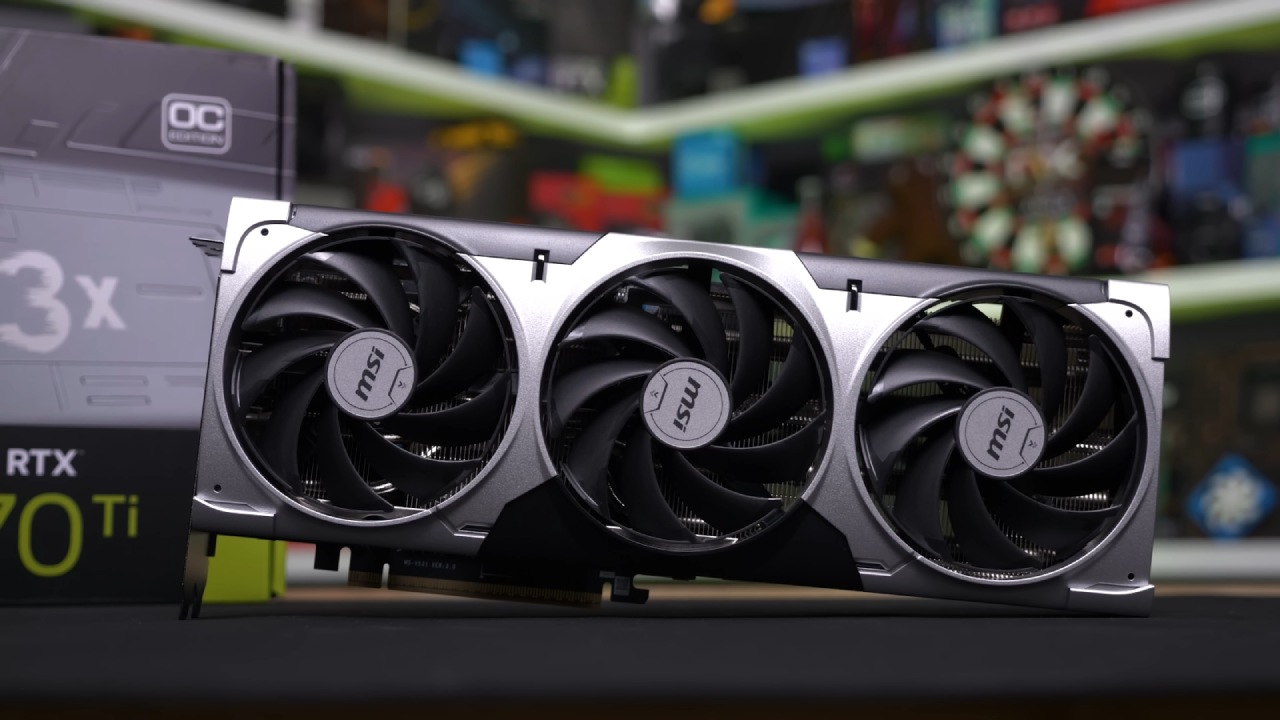
At 1080p, the 3070 was 55% faster than the 2070. At 1440p, 59% faster. At 4K, 62% faster. The 4070 delivered 31% more performance than the 3070 at 1080p, 27% at 1440p, and 24% at 4K. The RTX 5070 improved on the 4070 by 14% at 1080p, 20% at 1440p, and 22% at 4K.
High–Ultra Settings
The 3070 was again 57–68% faster than the 2070. The 4070 was 27–33% faster than the 3070. The 5070 managed 16% faster than the 4070 at 1080p, 20% at 1440p, and 23% at 4K.
Value Comparison
Using the MSRP without inflation adjustment, the 3070 cut the cost per frame by 40% compared to the 2070. The 4070 improved cost-per-frame by only 8% over the 3070, while the 5070 improved it by 24% over the 4070.
With inflation adjusted, the 3070 improved cost-per-frame by 43% over the 2070. The 4070 improved by 22% over the 3070, and the 5070 by 28% over the 4070.
Generational Reflections
The RTX 3070 still stands out as the most significant generational upgrade in the RTX 70 lineup. The RTX 4070 and RTX 5070 appear more respectable with inflation included. However, their performance-per-dollar still lags behind the leap from 2070 to 3070.
The biggest recurring issue for the series has been VRAM. The 2070 had 8GB for $500—a price that's somewhat steep, given the modest upgrade over the GTX 1070. The 3070 brought huge performance gains at the same price but still had only 8GB, which quickly became a limitation.
The 4070 improved VRAM to 12GB but raised the price. The 5070 reduced its MSRP slightly to $550 US. Still, it offered only a 20% uplift and retained 12GB, which raises concerns about its longevity.
Should You Buy an RTX 5070?
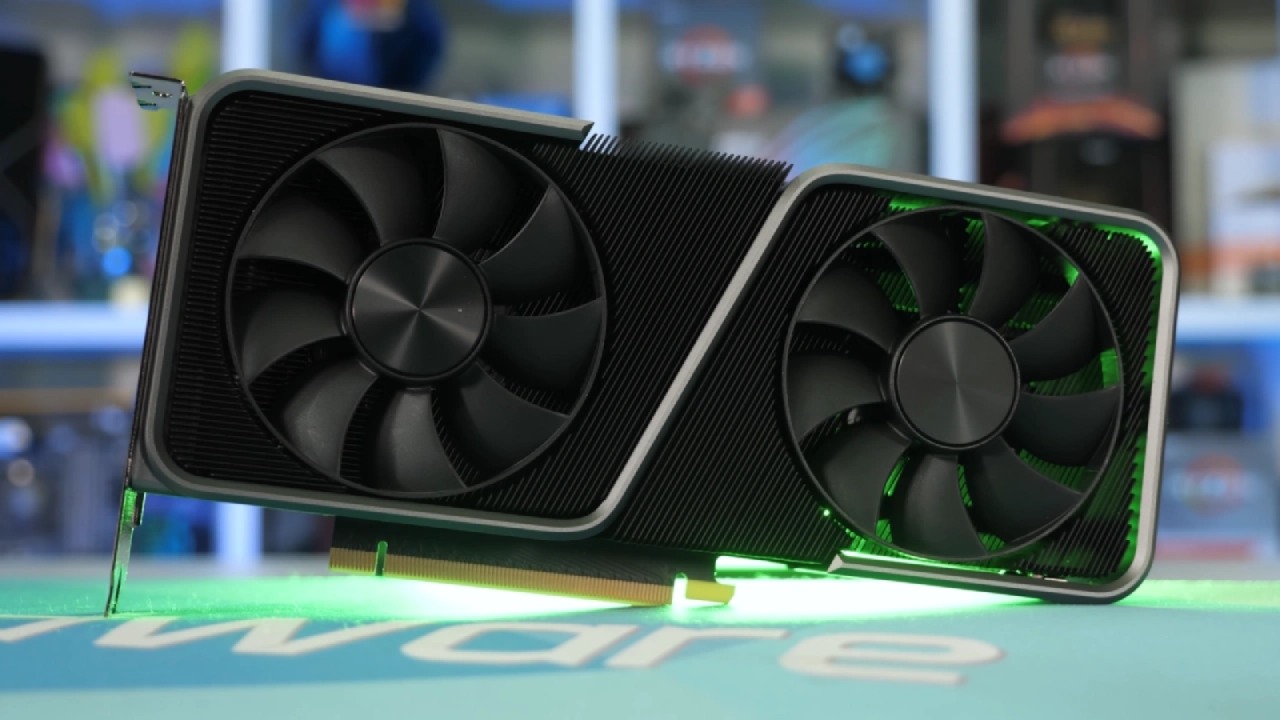
Whether you should buy one depends on pricing and availability. The RTX 5070 can be found for around $500 USD, with most models priced at $550 USD. Competing products, such as the RX 9070, hover around $550–$ 570 USD. The RX 9070 is on average 13% faster at 1440p and features 16GB of VRAM, which we consider the minimum for GPUs above $ 400 USD. However, Nvidia's superior upscaling (DLSS 2/3/4 vs FSR 3/4) and stronger ray tracing performance keep the 5070 competitive.
Both GPUs end up evenly matched. You will need to check pricing and consider your specific use case.
Final Thoughts
The RTX 5070 and all previous RTX 70-series models highlight a trend of compromise. Whether due to VRAM limitations, pricing concerns, or inconsistent generational performance gaps. While the RTX 5070 is not a bad GPU and offers solid performance, it is difficult to ignore that 12GB of memory may age poorly. Increasing VRAM to 16GB would have made it a significantly more exciting and future-proof product.
Also, check our other NVIDIA articles:
- NVIDIA GeForce RTX 5080 Review (2025): Still A 4K Gaming Powerhouse?
- NVIDIA RTX 5070 Review: Mid-Range Muscle or Marketing Hype?
- RTX 5070 Ti Review: Performance, Thermals & Power Efficiency Tested
- ASUS GeForce RTX 5090 LC Liquid Cooled GPU Review: Unmatched Silence & Speed
- MSI GeForce RTX 5090 32GB SUPRIM SOC Review: Power Efficiency, Cooling, and Gaming Performance
- INNO3D RTX 5060 Ti 16 GB X2 Review: Gaming Benchmarks, Temps, and Power Efficiency
- HP Omen 45L Review: RTX 5090 Performance, Thermals, and Value Analysis
- ASUS TUF Gaming GeForce RTX 5060 Ti Review: DLSS 4, Power Efficiency, and Gaming
- ASUS Prime RTX 5060 Ti OC 16GB Review: DLSS 4, Ray Tracing, & Thermals Tested
- NVIDIA GeForce RTX 5060 Review: Specs, Gaming, and Cost per Frame
- MSI GeForce RTX 5090 GAMING TRIO OC Review: A Monster Power GPU
Senior Editor, NoobFeed
Gaming Hardware Updates
No Data.