
Will NVIDIA Shield Return With ARM Gaming And PC Emulation Support
ARM gaming compatibility remains the deciding factor for future Steam devices and NVIDIA Shield hardware evolution.
Hardware by Shinji Okazaki on May 19, 2026
With companies looking for an alternative to traditional x86 hardware, ARM gaming and x86 emulation are taking center stage in the PC gaming space. This now raises the question of whether future games can be developed on ARM processors while still using the current PC game libraries via translation layers. As the industry moves toward more flexible hardware ecosystems, NVIDIA, Valve, and other hardware companies are all part of the discussion.
The quality of x86-to-ARM translation is the primary factor in ARM's gaming success. There is as yet little large-scale testing to determine exactly how successful the translation process can be for PC game workloads.
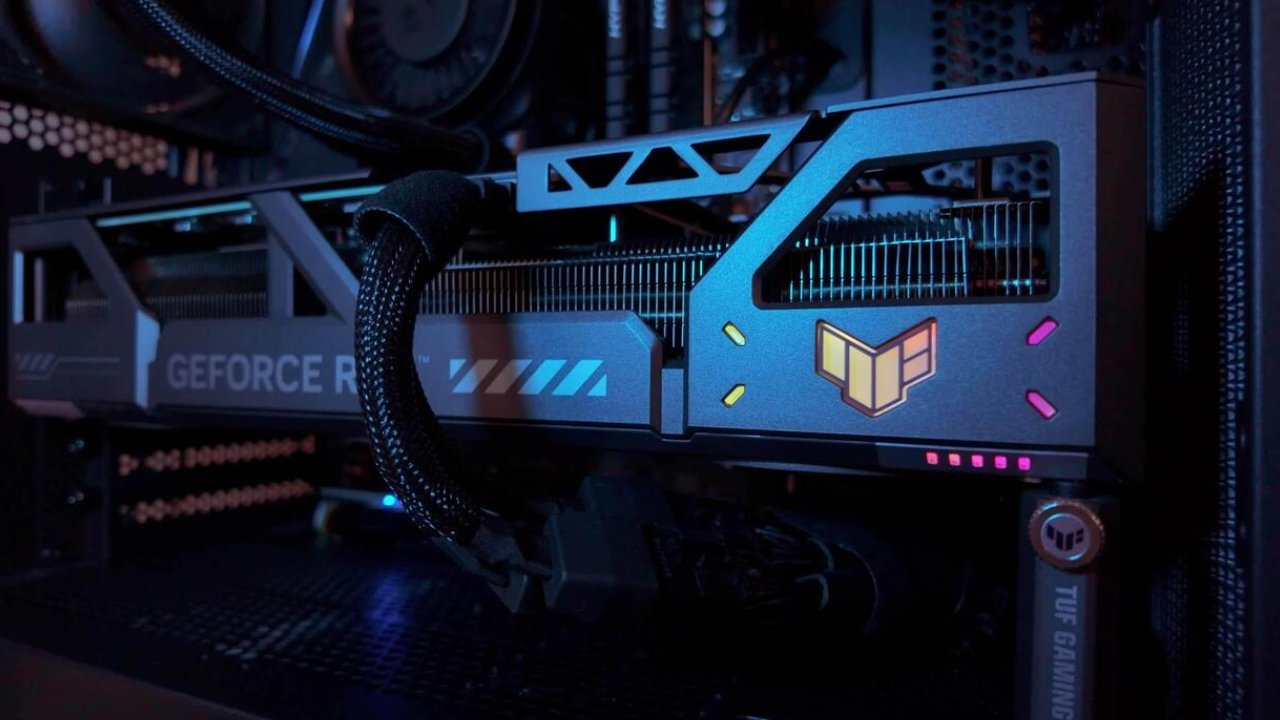
The Future of x86 Translation on ARM
NVIDIA's ARM silicon strategy doesn't seem to be geared towards smaller TV devices, so a new, improved NVIDIA Shield is an interesting idea, but not one that seems to be on the cards just yet. Rather, the company appears to be more focused on ARM-based systems with more powerful GPUs and scalable memory architectures for laptops or all-in-one systems.
Nevertheless, there is still a prospect of a small Shield-style unit. With a little luck, over time, a small NVIDIA-powered device with the new N1 or N1X processors may yet bring a new kind of living room gaming system to the market.
Valve’s Interest in ARM Gaming
Valve seems to be really getting into ARM gaming for the long haul. With the inclusion of Steam Frame and Flex, there is growing interest in Steam's overall hardware flexibility. ARM support could lessen reliance on a single x86 SOC provider. So far, the primary partner of handheld Steam gaming hardware has been the dear old AMD.
Generally, the industry is moving away from reliance on x86 architecture, and ARM hardware is now a more viable option for future gaming equipment. That's a bigger conversation, and part of it is MAC gaming. The ARM platform is no longer focused solely on mobile devices, and developers are beginning to consider how to port their PC game libraries to different architectures.
It makes sense that Valve would want to expand ARM gaming even more in the future, and maybe even more so than Microsoft with gaming. When translation layers are close to native execution, Steam devices powered by ARM hardware can be made more realistic. This isn't always an ARM Steam Machine, per se. Instead, Valve might create a new platform for Steam games that leverages ARM and flexible gaming translation systems.
NVIDIA Shield And ARM Gaming Hardware
NVIDIA N1 and N1X chips may be used in the future in smaller gaming systems. If thermal constraints are addressed correctly, a Shield-style micro console attached to a TV could be a reality. There are several restrictions on Android gaming devices at this time. Most phones and tablets have low thermal mass, are fanless, and were not designed for sustained use in high-end games.
Hardware restrictions are a primary challenge, even with PC games translated via translation layers. There are a number of examples at the moment of PC games running on Android, but with high levels of stress, such as frame generation and base frame rates of around 20fps. This poses problems for playability and long-term stability. However, it is rarely only the translation layer that is limiting; the hardware itself is often the limiting factor.
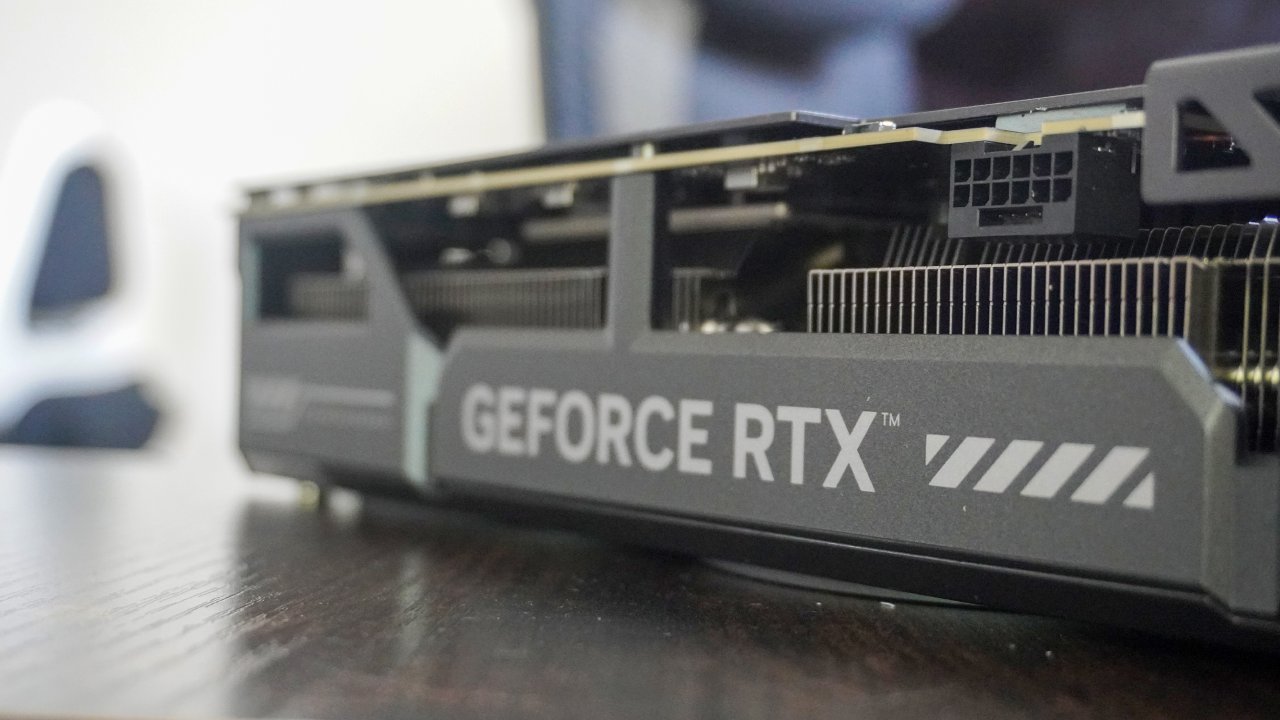
Even with software compatibility enhancements, it's tough to run games designed for a system like the PS5 on a phone. Better hardware will also be required in order to assess the performance of ARM gaming hardware. Larger thermal envelope devices might better illustrate just how effective x86-to-ARM gaming translation can be.
The complex world of ARM and its future for Steam.
The complicated terrain of ARM and Steam's future. It seems like ARM is a significant long-term objective for Steam and the entire PC gaming industry. In the future, combined processors that boast both Intel CPUs and Nvidia GPUs can develop more gaming-centric ARM processors.
For the time being, a lot will rely on Nvidia's N1 and N1X chips when they're fully available in consumer devices. ARM gaming devices may or may not exit the experimental phase, depending on their gaming capabilities, compatibility, thermal efficiency, and translation performance.
We're still in the early days of ARM PC gaming libraries, but the industry's trajectory suggests companies are preparing for a future where gaming hardware is no longer limited to the traditional x86 platform.
Editor, NoobFeed
Gaming Hardware Updates
No Data.