
Older AMD GPUs See Major Performance Gains Amid Rapid PC Hardware Market Shifts
Rapid shifts in hardware pricing and supply chains are reshaping how consumers and system builders approach PC upgrades
Hardware by Tasnim Yoshi on Dec 27, 2025
At a time when hardware prices are becoming increasingly unpredictable, older AMD GPUs have just received a significant performance boost. GPU and memory prices are rising, and some older games no longer run properly on newer hardware.
NVIDIA has brought back some support for 32-bit PhysX, but it is not complete and could be taken away again in the future. Long-term support for older hardware is becoming increasingly important amid this uncertainty.
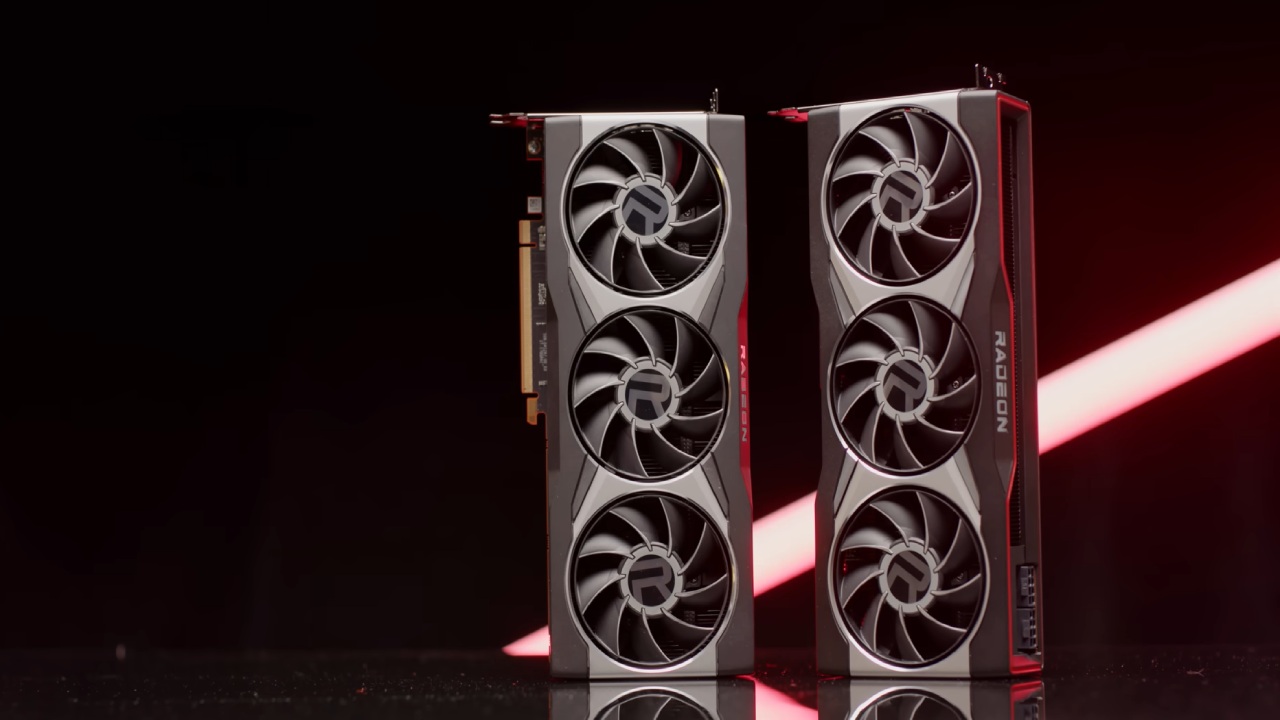
The Linux kernel has changed a lot recently, and this has made a big difference for older AMD GPUs. The GCN 1.0 and GCN 1.1 architectures now support the modern AMD GPU driver. This includes cards from the Radeon HD 7000 and HD 8000 series.
These GPUs were released before the Radeon 200 series, and they are now more than 13 years old. These cards used the old Radeon DRM driver for years. The AMD GPU driver could be used, but it didn't work completely.
The audio didn't work most of the time, the analog output had problems, and the overall performance was bad. Valve's open-source driver team and key developers have enabled these GPUs to fully use the AMD GPU driver.
You get Vulkan support right away with full driver support, and your performance will be noticeably better. The driver update alone could boost performance by up to 30%, according to tests. Linux is becoming an increasingly useful choice if you want your hardware to last longer in a PC market that isn't very stable.
Things Are Changing Fast in the PC Market
The market for PC hardware has changed quickly. Prices for DDR5 memory were at all-time lows earlier this year. Prices have gone up so much that many users can't afford them anymore. Some custom PC builders are now selling systems without memory because things have gotten so bad.
This model gives you a fully assembled PC without the RAM, so you can buy memory separately if you can find a better deal. From a business perspective, this is a smart way to deal with very high prices.
It seems the price of a 32GB RAM kit has increased by almost 394%, and the price of a 64GB kit has increased by about 344%. Even people who have been in the business for a long time say this is an unprecedented situation that could last for years instead of months.
Some vendors have also temporarily stopped taking new orders due to concerns about demand and the instability of part prices. As the year comes to a close, things are still very uncertain, and they don't seem to be getting better any time soon.
.jpg)
Get up to 85% Faster SSD Performance
You can now get a big boost in storage performance for free. A new native NVMe driver has been added to replace an older driver from 2006, before NVMe SSDs were even available. This new driver is now available for Windows Server 2025, but people have already figured out how to get it to work on Windows 11 systems.
The performance improvements depend on the SSD and the system configuration. For example, when a notebook had a 1TB PCIe 4.0 SSD, sequential read speeds increased by 23% and write speeds by 30%.
In another case with a PCIe 5.0 SSD in a handheld system, random read speeds increased by 12% and random write speeds by an amazing 85%.
To manually enable this driver, you have to modify the registry, which is risky. Before making any changes, it is highly recommended that you back up your entire system. Waiting for the official release of Windows 11 is the safest option if you want to stay safe.
Ryzen 10000X3D and Intel’s Next-Gen CPUs Look Insane
Rumors say that next Ryzen 10000X3D processors, based on the Zen 6 architecture, could bring significant improvements. Sources say that single-CCD X3D chips may have an impressive 144 MB of L3 cache. Dual-CCD versions could have up to 288MB of L3 cache.
The 9800X3D has a 144MB cache, which is 50% more than it has now. Another important thing to know is that Zen 6 is expected to support up to 12 cores per CCD, allowing 24-core setups overall. This is very important for gaming CPUs.
You get better scalability and longer-term relevance if a single-CCD gaming chip has 12 cores instead of the usual 8. Data doesn't have to cross multiple CCXs, so cores can communicate more easily.
.jpg)
This could lead to big performance gains in the real world, especially when combined with a 50% increase in the L3 cache. Intel is also getting ready to fight back hard. Rumors about its next-generation architecture point to a high-end processor with up to 52 cores and 288MB of last-level cache.
This design resembles a large, unified cache pool, similar to AMD's X3D architecture. The specs alone show that there will be a lot of competition in the future, but how well they work in the real world is still to be seen.
If these leaks are true, the next generation of hardware will be one of the most competitive and technically ambitious in years.
Also, check our other AMD articles below:
- AMD Ryzen 9 9950X3D Review: Setting The Standard For 2025 Gaming CPU
- AMD Ryzen 7 9800X3D Review: 3D V-Cache Goes God Mode with Stunning Gaming Performance
- AMD RX 9070 Performance Review: Thermals, Clocks, and Real-World FPS
- AMD Ryzen 5 7600 Review: Best Budget Gaming CPU of 2025?
- AMD Radeon RX 7800 XT Review: RDNA 3 Power For Midrange Gaming
- Sapphire NITRO+ AMD Radeon RX 9070 XT Review: The Ultimate 4K Gaming GPU
- AMD Ryzen 7 7800X3D: Delivers Gaming Performance Far Beyond Expectations
- AMD Ryzen 9 7900X Review: Powering the AM5 Era with DDR5 & PCIe 5.0
- Intel Core i9‑14900K vs. AMD Ryzen 7 7800X3D: Power Profiles & Gaming Benchmarks
Subscriber, NoobFeed
Gaming Hardware Updates
No Data.