
PC Hardware Shortage Intensifies in 2026 Amid Rising AI Data Center Demand
Consumer PC hardware market continues to deteriorate as AI-driven data center demand overwhelms global component supply chains.
Hardware by Tanvir Kabbo on Jan 27, 2026
The Consumer PC Hardware Market is still facing problems that have never happened before, since tech manufacturing and AI businesses control the supply of memory and components.
People typically ignore warnings about AI's effects because the situation seems figuratively dire, with important parties prioritizing data center needs over consumer interests. People in charge often downplay the effects of market chaos, even when they can see them.
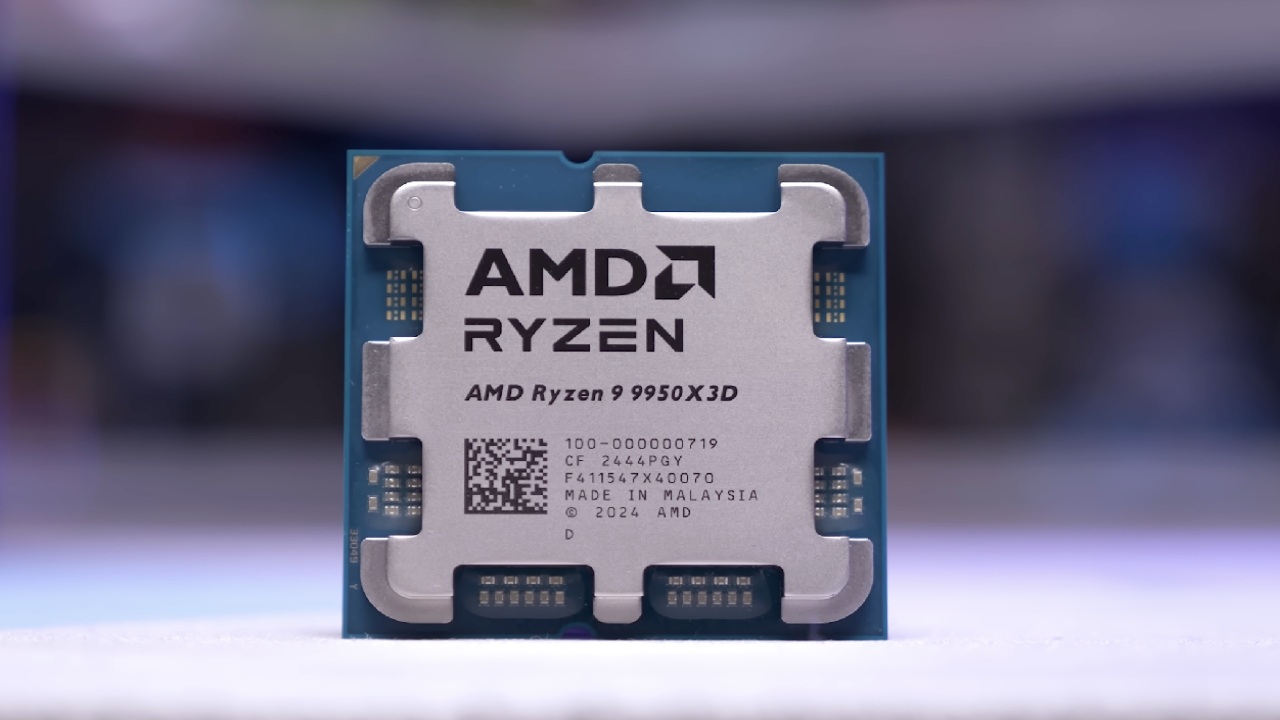
Some traditional tech improvements remain largely untouched, even as this pressure continues to mount. For instance, AMD's 9850X3D launch promises better gaming performance, even with slower DDR5 4800 memory. This could be a way to address rising memory prices.
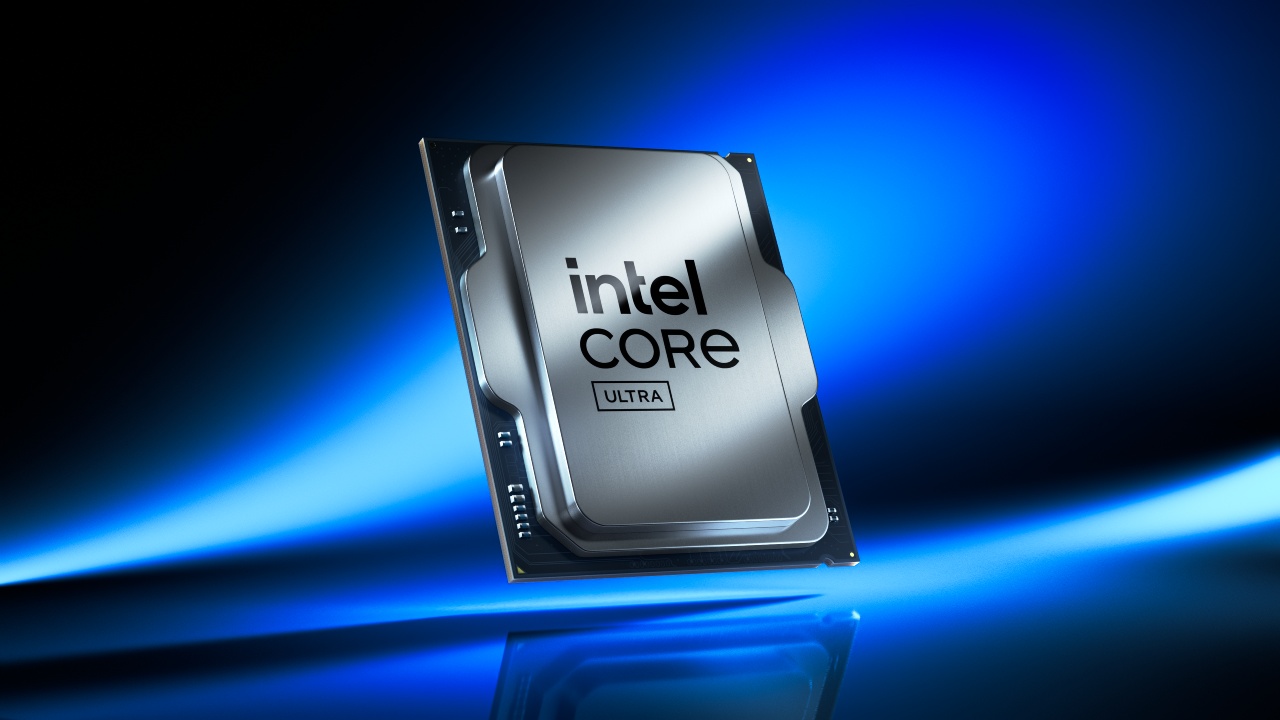
Intel's confirmation of the Core Ultra 400 Nova Lake is likewise mostly unaffected by AI, giving us at least one piece of "AI-free" news in an otherwise convoluted world.
Thermaltake View 600 TG Chassis Spotlight
The Thermaltake View 600 TG full tower chassis is the most important piece of hardware nowadays. It has four tempered glass panels that let you see your PC clearly, and it can hold huge 420mm radiators for AIO or custom cooling.
Chassis comes in five colors, including Future Dusk. It also supports concealed connectors and EATX motherboards. The GPU bracket is anti-SAG, the PCIe slots can be rotated, the ventilation panels can be removed, there is ample space for cable management, and there is space for additional storage. There is also an optional 6-inch LCD add-on.
Memory and PC Hardware Shortage Worsens
There is a growing lack of hardware for building and fixing PCs. In early 2026, memory shortages are starting to impair storage devices like SSDs and hard drives. Even video cards are getting more expensive. Higher-end gear is hit the hardest, with DRAM, VRAM, NAND storage capacity, and larger GPU dies all costing a lot more.
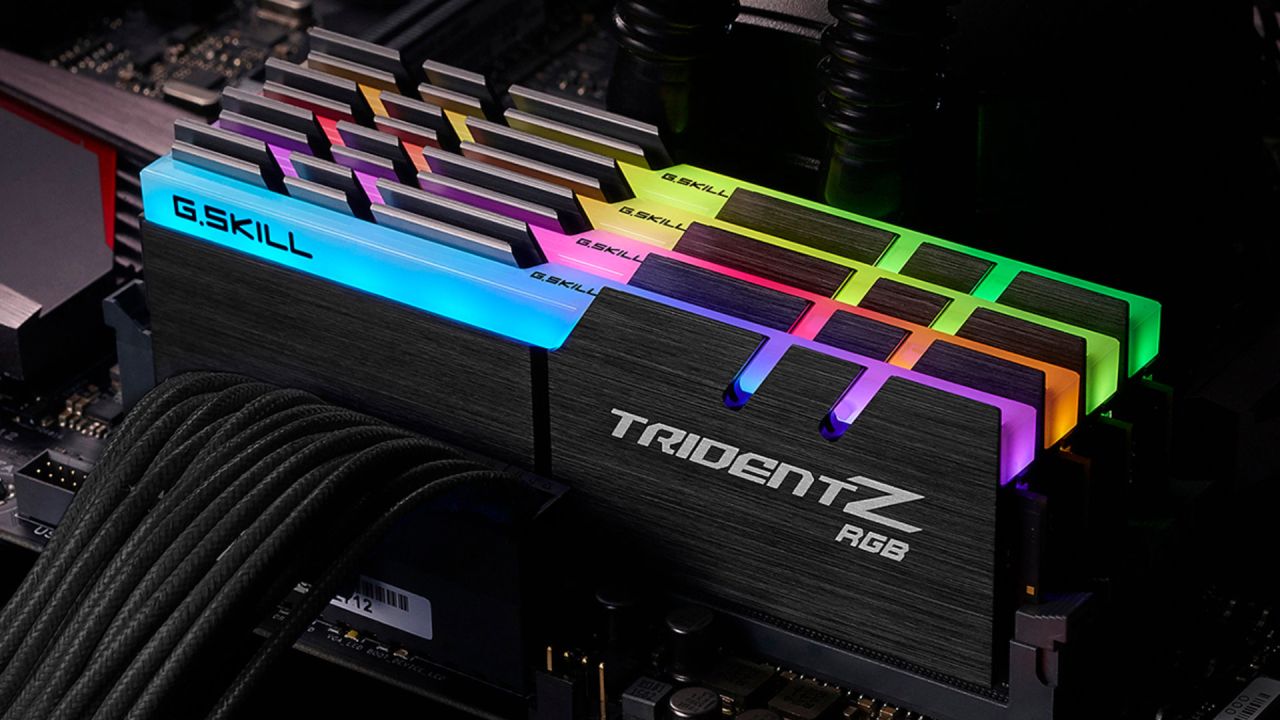
Lack of memory is mostly due to supply and demand, as AI data centers are using up more and more of it. According to reports, data centers may use up to 70% of memory chips made in 2026, while production for 2027 and 2028 is already booked.
This lack of DRAM will probably affect other devices that need it, including smartphones and cars. This could make people feel worse about AI. Some relief has come from aborted data center projects since people in the area didn't want them. This could lower demand and keep costs stable.
On the supply side, it takes at least two years to create new DDR5 fabs, and big memory makers don't want to increase capacity because high pricing is good for business. Micron, on the other hand, is making progress with a $1.8 billion deal with Taiwanese company Power Chip, which includes getting an existing DRAM fab clean room. Even with this lead start, we won't see any real results until the second half of 2027.
AMD Ryzen 7 9850X3D Launch
The official release date for AMD's Ryzen 7 9850X3D is January 29, and it will cost $499. Benchmarks show that the 1080 gaming card is 3–8% faster than the 9800X3D, while the MSRP is only $20 higher. This launch is happening in an unusual setting, with few other desktop hardware releases and GPU prices, like the RTX 5090, getting close to $4,000.
AMD says that the 9850X3D works within 1% of its best, even with DDR5 4800 memory. This means that gamers can use slower RAM. This is especially important because DDR5 6000 kits are still way too pricey.
Intel CPU Developments
Intel's 13th and 14th-generation CPUs have had problems, and the Core 200 series isn't very good. But there is potential for a resurgence in late 2026, when the Core 300 family of AeroLake CPUs launches. These CPUs will work with LGA1851 motherboards that are already out there.
With its new LGA1954 socket and sophisticated 18A technology, Nova Lake has a novel architecture that could compete with AMD's 3D V-Cache CPUs. Nova Lake is likely to have a new iGPU and a bigger last-level cache (LLC). These chips are made by Intel, not TSMC, like the ones in the last few generations.
NVIDIA Faces AI Training Controversy
People have recently criticized Nvidia for allegedly using the shadow library portal Anna's Archive to train AI models, raising legal and moral issues. Reports say that Nvidia offered to pay for fast access, even though there may have been copyright problems.
The episode has become a public embarrassment, even though it makes sense that people were in a hurry to get information. It also raises more questions about how AI is trained.
New cooling technologies
New ways to cool things are always coming out, especially in data centers. The Danish Technological Institute and Heatflow Company produced a 3D-printed liquid cooler that doesn't have a fan or a pump. It uses a two-phase thermosiphon to remove more than 600W of heat.
This technology was made for data centers, but it shows that high-performance cooling could work in consumer PCs if it were made more widely available.
How Companies Use AI
A Price Waterhouse Coopers poll of 4,454 executives found that 55% of them didn't see any real benefits from AI technologies. About a third of them, on the other hand, said they got no return on investment from using AI in their job.
This shows that even firms that are actively employing AI don't always see benefits, and adding more AI doesn't mean that they will see benefits right away.
Corsair PR Mistakes: In the middle of a RAM shortage
When a 48GB DDR5 kit was inadvertently posted for $240, Corsair had a PR problem. There were thousands of orders, but there was no stock, and the kit was no longer being made. Corsair tried to fix the problem by sending out coupons.
The first one had the wrong expiration date, and then they sent out a second one for 40% off. Even with apologies, many consumers remained upset with the experience, underscoring the instability of the hardware supply amid ongoing scarcity.
AI-driven demand, supply chain issues, and new but restricted product launches will remain the key factors affecting the tech hardware market in 2026. There are opportunities for growth and new ideas. Still, customers and tech fans have to deal with high prices, limited resources, and rapid technological change.
Also, check our other NVIDIA articles below:
- NVIDIA GeForce RTX 5080 Review (2025): Still A 4K Gaming Powerhouse?
- NVIDIA RTX 5070 Review: Mid-Range Muscle or Marketing Hype?
- RTX 5070 Ti Review: Performance, Thermals & Power Efficiency Tested
- ASUS GeForce RTX 5090 LC Liquid Cooled GPU Review: Unmatched Silence & Speed
- MSI GeForce RTX 5090 32GB SUPRIM SOC Review: Power Efficiency, Cooling, and Gaming Performance
- INNO3D RTX 5060 Ti 16 GB X2 Review: Gaming Benchmarks, Temps, and Power Efficiency
- HP Omen 45L Review: RTX 5090 Performance, Thermals, and Value Analysis
- ASUS TUF Gaming GeForce RTX 5060 Ti Review: DLSS 4, Power Efficiency, and Gaming
- ASUS Prime RTX 5060 Ti OC 16GB Review: DLSS 4, Ray Tracing, & Thermals Tested
- NVIDIA GeForce RTX 5060 Review: Specs, Gaming, and Cost per Frame
- MSI GeForce RTX 5090 GAMING TRIO OC Review: A Monster Power GPU
Senior Editor, NoobFeed
Gaming Hardware Updates
No Data.