
Project Helix Could Be Microsoft’s Most Powerful Xbox With Hybrid Console and PC Design
The upcoming Xbox platform aims to deliver leading performance while merging console simplicity with the power of PC gaming ecosystems.
Hardware by Tanvir Kabbo on Mar 11, 2026
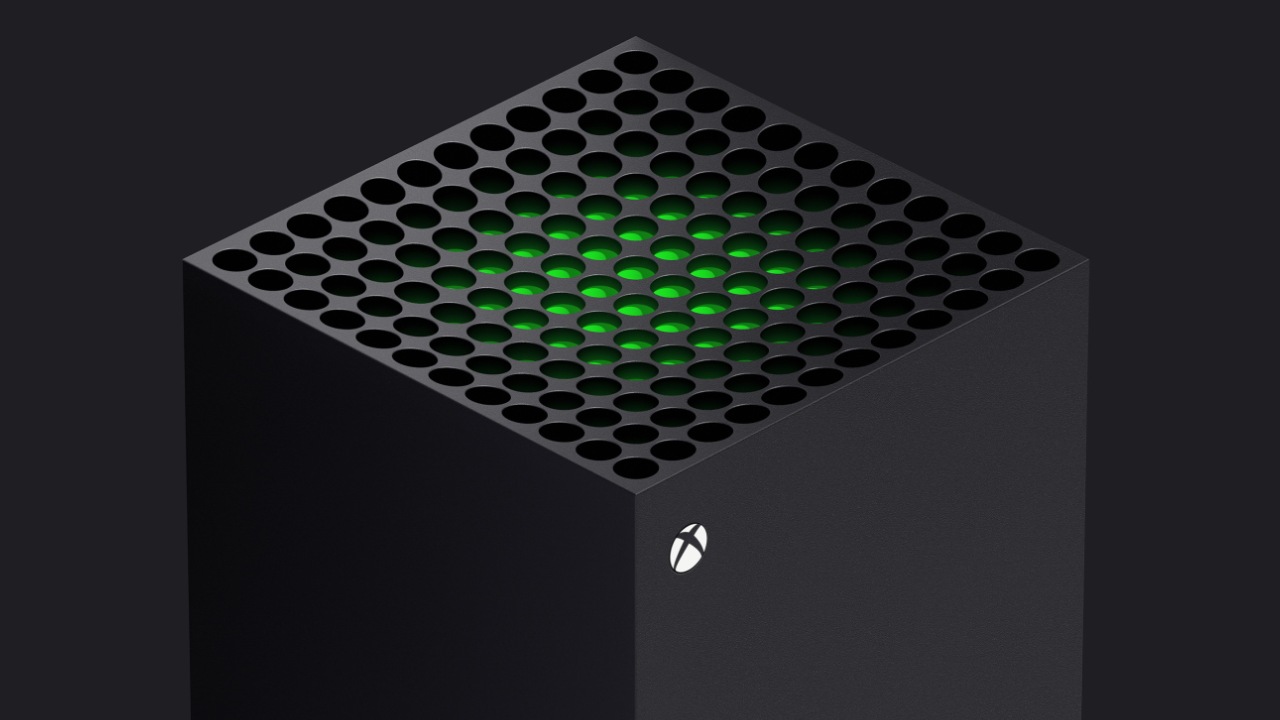
A big change has happened in the gaming world: Asha Sharma, the new CEO of Microsoft, has officially announced the next generation of Xbox hardware. The company's plan to bring the Xbox ecosystem back to life and give it a new look is centered around the project, which is called Project Helix.
According to the announcement, the next Xbox will lead in performance while supporting both Xbox and PC games, effectively confirming long-standing discussions about a hybrid console-PC approach.

The Announcement Strategy and Early Reactions
We find it interesting that Microsoft chose to announce the device in this way. Instead of being a big spectacle, the reveal was only a short teaser with little information. The Game Awards initially showed off the Xbox Series X, and over time, it built up excitement. Because of it, we question if a bigger, vision-driven presentation, like how Apple or Nintendo show off their plans, would have worked better.
The declaration, nevertheless, shows that they are serious. Microsoft is basically declaring that the corporation is going ahead with Project Helix hardware, no matter what problems the industry is having right now, by revealing it now.
We know that the demand for AI data centers has driven up the prices of memory and storage, which makes it hard to determine when next-generation technology will be available.
In that context, confirming a new console indicates Microsoft is planting a flag and committing to the future of Xbox.
A Shift Toward a PC-Style Console
One of the most significant statements from the announcement is that the device will play both Xbox and PC games. That suggests the next Xbox may no longer function as a traditional isolated console with its own dedicated development environment.
Instead, the platform could resemble a PC-style system. Developers might target it similarly to how they develop for Windows platforms, which could reduce the extra work required to build for a separate console architecture.
From our perspective, that approach could make Xbox development far easier for studios. Rather than creating unique console builds, developers could focus on a unified ecosystem that works across both PC and Xbox hardware.
The "Helix" Concept and Dual System Design
A possible interpretation of the Helix codename is a dual-system design. One section of the device's storage could be dedicated specifically to the Xbox environment. At the same time, another portion runs a standard desktop operating system such as Windows 11.
In that scenario, we would essentially get two modes:
A secure Xbox gaming environment designed for console-style experiences
A Windows desktop environment capable of running PC applications and games
We think this structure makes sense. The Xbox environment would maintain the security and stability expected from a console. At the same time, the Windows side would provide the flexibility of a PC.
You could imagine switching between the two modes depending on what you want to do.
Similarities to the Steam Deck Model
The idea resembles the design used by the Steam Deck, which runs SteamOS. On that device, users primarily interact with the gaming interface but can switch into a Linux desktop environment when needed.
However, the next Xbox could take this concept further. The console side might remain more tightly secured than the open environment found on the Steam Deck. That would allow Microsoft to maintain its curated Xbox ecosystem while still offering a broader PC experience.
If implemented well, you could potentially link PC games and applications into the Xbox-style interface so that everything appears in a single library. That would solve a long-standing issue with home theater PCs, where managing games from the couch often feels clumsy.
Developer and Platform Challenges
Despite the exciting possibilities, several technical questions remain. Developers might need to support multiple versions of the same game. A title could run on existing Xbox hardware while also offering enhancements for the new platform's more powerful architecture.
Since the next Xbox will essentially function as a PC, developers could theoretically run their PC versions directly on it. However, adapting those versions for the Xbox environment may still require additional work depending on how Microsoft designs the development tools.
Another challenge involves platform scale. If the next Xbox initially sells in smaller numbers, Microsoft may find it difficult to convince developers to create multiple optimized versions of their games.
Market Confidence and Platform Momentum
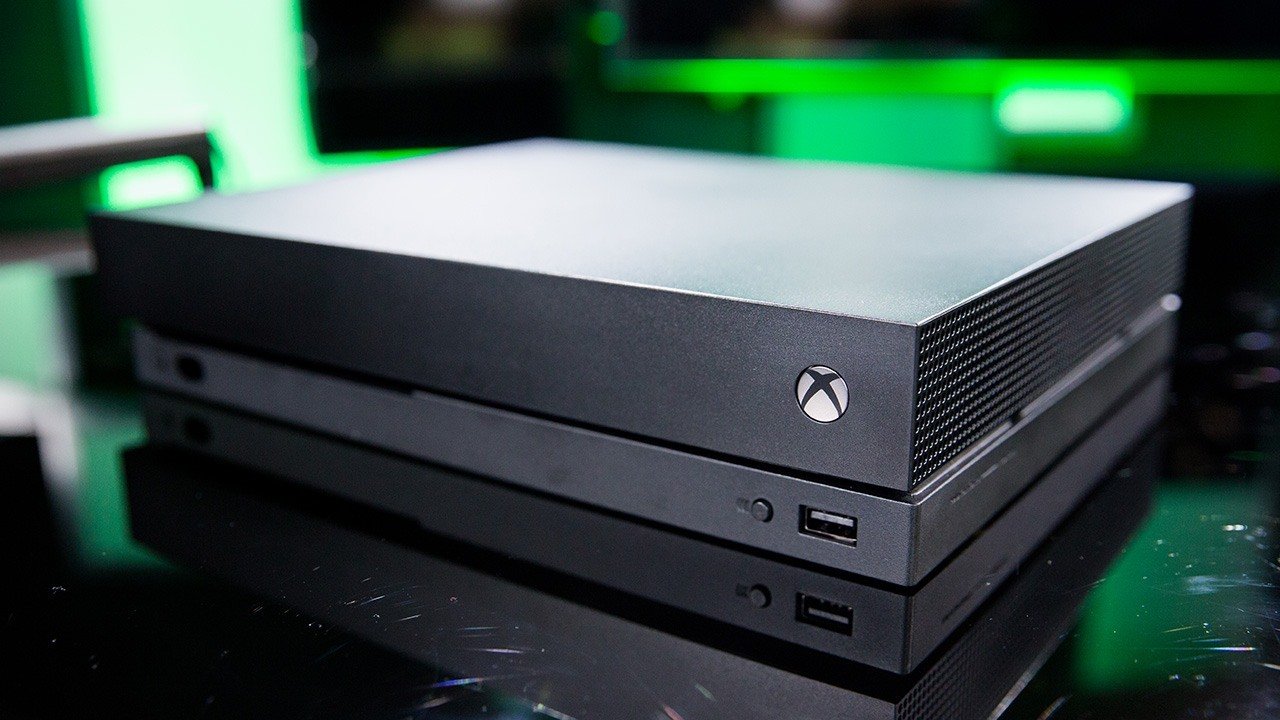
Microsoft also faces a perception problem with its current console generation. The Xbox Series S and Xbox Series X remain powerful machines. Still, their market performance has lagged behind competing platforms such as the PlayStation 5.
For example, some recent game sales data indicates far stronger engagement on other platforms. A recent estimate suggested that Resident Evil Requiem sold around 2.3 million copies on Steam, roughly 1.6 million on PlayStation 5, and about 300,000 on Xbox.
These numbers suggest that players within the Xbox ecosystem may currently have less confidence in the platform's future. Microsoft likely hopes that Project Helix will rebuild that confidence.
Security and System Separation
Security is another major factor influencing the device's architecture. A fully open Windows environment can expose systems to malware, viruses, and other vulnerabilities.
Because of that, Microsoft will likely keep the Xbox operating environment isolated from the Windows system. Maintaining that separation ensures the console ecosystem remains secure and difficult to hack while still offering PC-style flexibility.
You may see a structure in which the Xbox interface operates independently. At the same time, the Windows environment functions more as an optional secondary mode.
Pricing and Business Model Possibilities
Pricing is one of the biggest unknowns. If the device truly functions as a high-performance PC-console hybrid, the cost could be significantly higher than traditional consoles.
A price near $1000 would be extremely high for a console but relatively reasonable for a powerful gaming PC. That raises an interesting marketing challenge: what exactly should Microsoft call this device?
Alternative business models are also being discussed. One idea is a Game Pass-focused console that might cost less upfront, perhaps around $700. Still, it requires an Xbox Game Pass Ultimate subscription to access most features.
Under that model, players could run PC games on the system but would still need an active Game Pass subscription to access them.
However, that concept conflicts with the open nature traditionally associated with PC gaming.
Future Announcements and Industry Expectations
There might be more information soon. At the Game Developers Conference, Jason Ronald, who is in charge of developing the next generation of Xbox games at Microsoft, will talk about where the platform is going.
We expect that presentation to clarify several key questions, including how Xbox and Windows will coexist on the device, how developers will target the system, and what the overall user experience will look like.
According to current rumors, the console could feature a large chiplet-based processor and around 36GB of unified memory. However, those specifications could still change during development.
Looking Ahead to the Next Console Generation
The next Xbox may arrive around late2027 if the current timeline holds. That would align with the typical multi-year development cycle for major gaming hardware.
Even with many details still unknown, one thing is clear. Microsoft is not abandoning the console market. Instead, the company appears determined to reinvent what an Xbox can be.
We believe that a third major player in the console space remains important for the gaming industry. Competition among Xbox, PlayStation, and Nintendo helps drive innovation and keeps the entire ecosystem dynamic.
As Project Helix moves closer to reality, the industry will be watching closely to see whether this hybrid console-PC concept can truly redefine the future of Xbox.
Also, check our other hardware articles:
- AMD Ryzen 9 9950X3D Review: Setting The Standard For 2025 Gaming CPU
- Amazon Luna 2025 Review: Is Prime Gaming's Cloud Service Your Go-To For Casual Fun?
- AMD RX 9070 XT Review: AMD's RDNA 4 Champion for 1440p Gaming
- GeForce Now Ultimate: Ditching Your Gaming PC For Cloud RTX 4080 Power?
- NVIDIA GeForce RTX 5080 Review (2025): Still A 4K Gaming Powerhouse?
- Intel Core Ultra 9 285K Review And Performance Breakdown (2025)
- AMD Ryzen 7 9800X3D Review: 3D V-Cache Goes God Mode with Stunning Gaming Performance
- Intel Core Ultra 9 285K vs AMD Ryzen 7 9800X3D: In-Depth Gaming Performance and Benchmark Comparison
- NVIDIA GeForce RTX 5080 Super Performance In Cyberpunk 2077: Path Tracing & DLSS 4.0 Tested
- AMD Radeon RX 9070 XT In Cyberpunk 2077: Ray Tracing & FSR 4.0 Tested
- Intel Arc B580 Review: The $250 GPU Revolutionizing 1440p Gaming
- Intel Arc B570 Vs. B580: Value, Specs, And Real-World Gaming Performance
- RTX 5090 Laptop Vs. M4 Max MacBook Pro: Ultimate Raw Performance Vs. Battery Endurance
- Intel Arc b580 Vs. RTX 4060: Game Performance And Value Analysis
- RTX5090 Hell Is Us Demo 4K Ultra Benchmark: DLSS Vs. Native Performance Guide
- NVIDIA RTX 5070 Review: Mid-Range Muscle or Marketing Hype?
- Nintendo Switch 2 Review: Handheld Performance, Features & Value Breakdown
- RTX 5070 Ti Review: Performance, Thermals & Power Efficiency Tested
- Samsung Odyssey OLED G81SF Review 2025: Ultimate 32-Inch QD-OLED Gaming Monitor
- AMD RX 9070 Performance Review: Thermals, Clocks, and Real-World FPS
- AMD Ryzen 5 7600 Review: Best Budget Gaming CPU of 2025?
- AMD Radeon RX 7800 XT Review: RDNA 3 Power For Midrange Gaming
- Asus ROG RTX 5090 Astral OC Vs. Founders Edition: The 4K Gaming Benchmark
Senior Editor, NoobFeed
Gaming Hardware Updates
No Data.