
PlayStation Strategy Shift Explained as Steam Machine and Xbox Project Helix Reshape the Console Market
Sony reevaluates PlayStation exclusivity strategy as Steam Machine launch and evolving console competition reshape the living room gaming market.
Hardware by Shinji Okazaki on Mar 09, 2026
After Mike Yabara said Sony might now regard Valve as a major competitor in the living room, there has been more discussion about PlayStation's approach. The main topic of the talk is the possible effects of the Steam Machine's release in early 2026, and whether it played a role in Sony's decision to discontinue porting its most popular single-player games to PC.
Yabara said that Sony sees Xbox as less of a threat now that Valve is becoming a strong rival in the console market. He said that Sony could think that Xbox has hit rock bottom, but the new Steam Machine could be a competitor in the living room market. The allegation claims that Sony might retaliate by making exclusives more valuable, potentially signaling the return of stringent console exclusives.
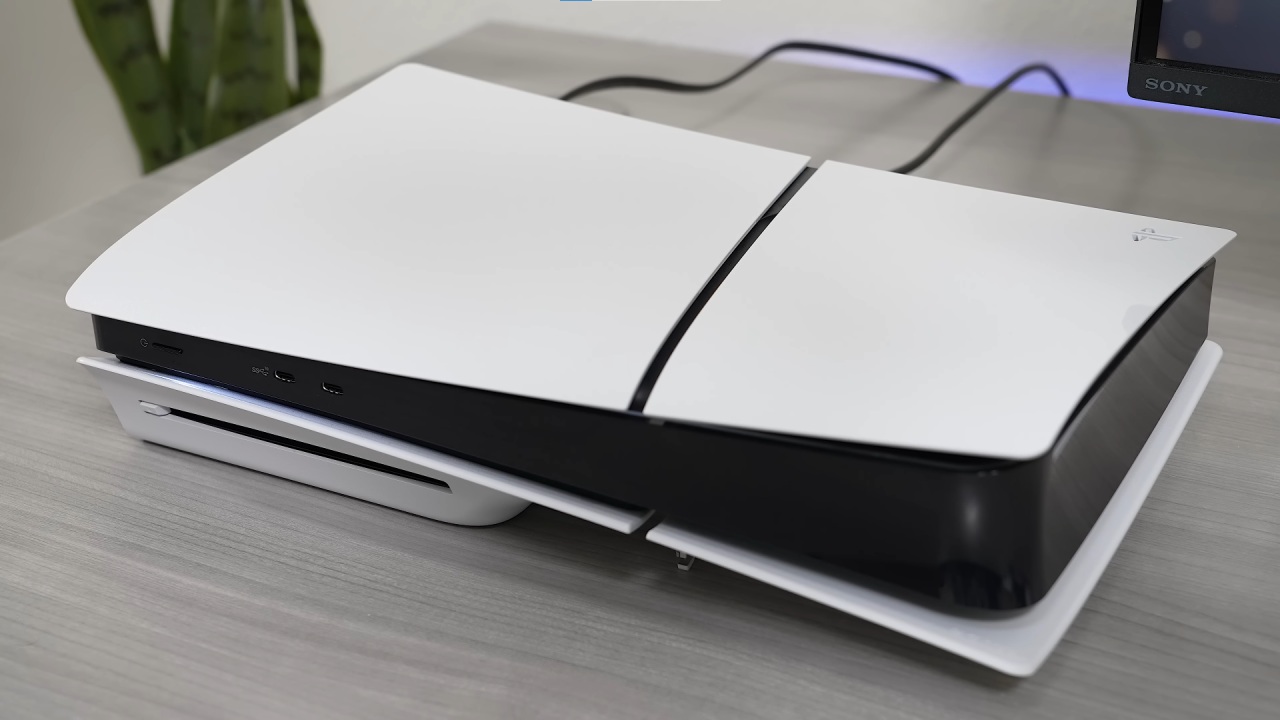
The talk brought up two questions. One question is whether the Steam Machine may become the main competitor in the living room. The second question is whether Valve's move into the console industry is related to Sony's rumored plan to quit making first-party PC games.
Steam Machine as a Competitor in the Living Room
Steam Machine would want to get into the living room market. It doesn't seem crazy to think that Valve might compete directly with traditional systems. But the bigger picture shows that the competition is more complicated than just Sony and Valve.
The reported hardware strategy for Xbox adds another level. The next system, called Project Helix, will likely support PC games and work more like a mix of PC and console. If that happens, there could be three platforms competing for the living room in different ways, instead of just one big conflict.
Even if Valve is successful in the market, it may not immediately become Sony's biggest rival. Instead, each platform may follow its own plan, leading to ecosystems that are similar yet different.
Sony's PC Port Strategy and How the Market Reacted
People have had different reactions to the possibility of removing PlayStation's first-party games from PC. Many gamers were used to Sony games finally coming on PC, so the thought of losing that choice was disappointing.
We don't know why Sony made the choice they did. One way to view the change is as part of Microsoft's broader PC strategy. If Xbox keeps adding PC games to its platform, Sony might see keeping exclusives as a way to defend the PlayStation ecosystem.
Another way to look at it is to ask if Valve's Steam Machine is powerful enough to make such a change. Some people think Sony knows about Valve's ambitions but doesn't expect the device to hurt PlayStation hardware sales much.
What Valve Does in the Gaming Competition
The discussion also examined whether Valve is a bigger competitor to Sony than to Microsoft in the gaming industry as a whole. From one point of view, Valve's place in the PC gaming business gives it a lot of power, maybe even more than Microsoft's in some parts of the gaming ecosystem.
But when you look at living room hardware, particularly, things are different. Valve has a significant impact on PC gaming. Still, it's unclear whether the Steam Machine can sell as many units worldwide as an Xbox system.
Project Helix might sell more units worldwide than the Steam Machine. However, this will depend on the hardware's capabilities, pricing, and ecosystem support.
How well PlayStation PC Ports do Financially
Another factor influencing Sony's choice is how well its PC ports are performing financially. Analysts said that some PlayStation PC releases did not go as well as they had hoped.
There is some disagreement over that conclusion because the PC releases came out at very different times. Live service games that come out at the same time on PC and PlayStation usually do better than single-player games that come out years later.
Live service games are better when players can join right away, and communities can play across multiple platforms. Because of this, they often attract more early adopters on PC when they launch on the same day as console versions.
Differences Between Waves of PC Port Releases
There are various release waves for single-player PlayStation ports, depending on how long it took them to get to PC.
Some of the first games were Horizon Zero Dawn, Days Gone, God of War 2018, and Spider-Man. These games came out on PC years after their PlayStation debut and did quite well.
Spider-Man 2 and God of War Ragnarok were among the latter titles to arrive on PC soon after their console debuts. Even though they were out earlier, these releases are said to have done worse than the first wave.
One perspective posits that timing alone fails to elucidate the discrepancy. The previous releases, on the other hand, profited from being new. When PlayStation games first came to PC, many people bought them right away to show their support for Sony joining the platform.
That newness wore off by the time newer games came out. Some players put off buying, waited for sales, or didn't feel the same need to buy right away.
Strategy for Marketing and Platforms
Another probable reason is marketing. Sony has not done as much advertising for PC releases as it has for PlayStation console launches.
Without much advertising, PC players might only hear about the release through announcements or community debates rather than big marketing efforts. This minimal marketing may have made the debut even less exciting when the novelty of PlayStation games on PC wore off.
Sony may also be worried about maintaining strong PlayStation hardware sales. Players may be less likely to buy PlayStation hardware if they can play PlayStation games on other platforms, such as a PC or a hybrid device that runs PC games.
Cross-platform Hardware is a Competitor
Sony may also make judgments based on worries about competition in hardware. If a future platform lets people play Steam, Xbox, and PC games on one device, it might not be as appealing to buy a separate PlayStation console.
Communication solutions like Discord intertheoperability across platforms make it even easier for ecosystems to work together. If players can connect with pals on any platform, device exclusivity isn't as much of an advantage.
Sony may be enforcing stricter exclusivity rules deliberately to protect the PlayStation platform's identity.
There are many reasons why Sony does what it does.
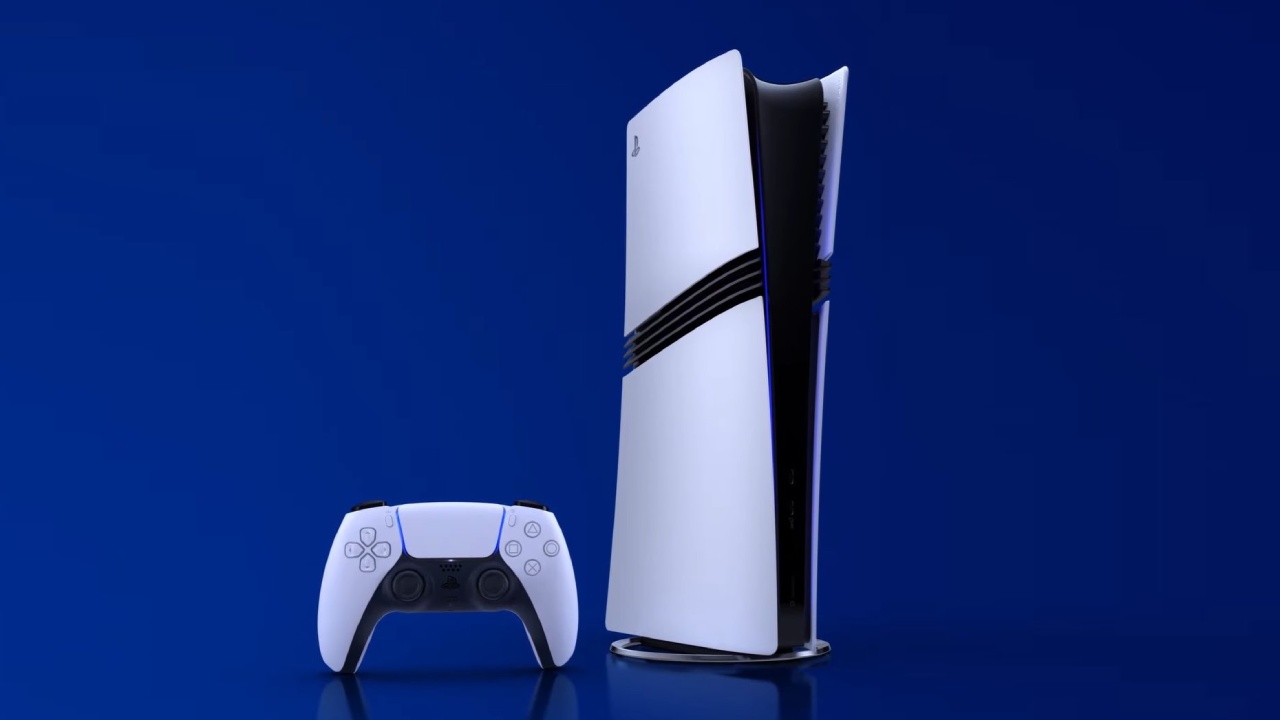
In the end, the conversation reveals that Sony's choices are probably influenced by several related factors. These include the money PC ports generate, the need to keep the brand strong through exclusives, and the changing competition from Xbox and Valve.
Live service games still work well across many platforms. One example that came up during the debate was a live-service game that sold 12 million copies on Steam and 5 million on PlayStation 5. This shows how big PC audiences may get.
Sony should also be careful about times when a PlayStation game sells more copies on another platform than on its own console.
Final Thoughts
Sony may slow or pause its PC strategy for now, but it's unclear what will happen in the long run. Market conditions change frequently, and financial demands can affect how platforms work.
If things change and Sony needs more money, PC releases could come back as part of the company's overall business plan. Right, Nike, figuring out how exclusives, hardware sales, and platform rivalry will affect the future of the PlayStation ecosystem.
Also, check our other hardware articles:
- AMD Ryzen 9 9950X3D Review: Setting The Standard For 2025 Gaming CPU
- Amazon Luna 2025 Review: Is Prime Gaming's Cloud Service Your Go-To For Casual Fun?
- AMD RX 9070 XT Review: AMD's RDNA 4 Champion for 1440p Gaming
- GeForce Now Ultimate: Ditching Your Gaming PC For Cloud RTX 4080 Power?
- NVIDIA GeForce RTX 5080 Review (2025): Still A 4K Gaming Powerhouse?
- Intel Core Ultra 9 285K Review And Performance Breakdown (2025)
- AMD Ryzen 7 9800X3D Review: 3D V-Cache Goes God Mode with Stunning Gaming Performance
- Intel Core Ultra 9 285K vs AMD Ryzen 7 9800X3D: In-Depth Gaming Performance and Benchmark Comparison
- NVIDIA GeForce RTX 5080 Super Performance In Cyberpunk 2077: Path Tracing & DLSS 4.0 Tested
- AMD Radeon RX 9070 XT In Cyberpunk 2077: Ray Tracing & FSR 4.0 Tested
- Intel Arc B580 Review: The $250 GPU Revolutionizing 1440p Gaming
- Intel Arc B570 Vs. B580: Value, Specs, And Real-World Gaming Performance
- RTX 5090 Laptop Vs. M4 Max MacBook Pro: Ultimate Raw Performance Vs. Battery Endurance
- Intel Arc b580 Vs. RTX 4060: Game Performance And Value Analysis
- RTX5090 Hell Is Us Demo 4K Ultra Benchmark: DLSS Vs. Native Performance Guide
- NVIDIA RTX 5070 Review: Mid-Range Muscle or Marketing Hype?
- Nintendo Switch 2 Review: Handheld Performance, Features & Value Breakdown
- RTX 5070 Ti Review: Performance, Thermals & Power Efficiency Tested
- Samsung Odyssey OLED G81SF Review 2025: Ultimate 32-Inch QD-OLED Gaming Monitor
- AMD RX 9070 Performance Review: Thermals, Clocks, and Real-World FPS
- AMD Ryzen 5 7600 Review: Best Budget Gaming CPU of 2025?
- AMD Radeon RX 7800 XT Review: RDNA 3 Power For Midrange Gaming
- Asus ROG RTX 5090 Astral OC Vs. Founders Edition: The 4K Gaming Benchmark
Editor, NoobFeed
Gaming Hardware Updates
No Data.