
PS5 Pro After One Year: Hardware Improvements and Real-World Gaming Results
PSSR upscaling remains inconsistent compared to competing solutions, reducing the overall visual advantage of the Pro model.
Hardware by Nahe Yan on Jan 08, 2026
People expected the PS5 Pro to deliver better performance and more noticeable upgrades over the base console when it launched. Early presentations of the hardware focused on the main advancements: faster machine learning, better ray tracing, and more processing units.
The system did what it was supposed to on paper. After a year of actual use, the experience is more mixed, with some distinct pros and cons.
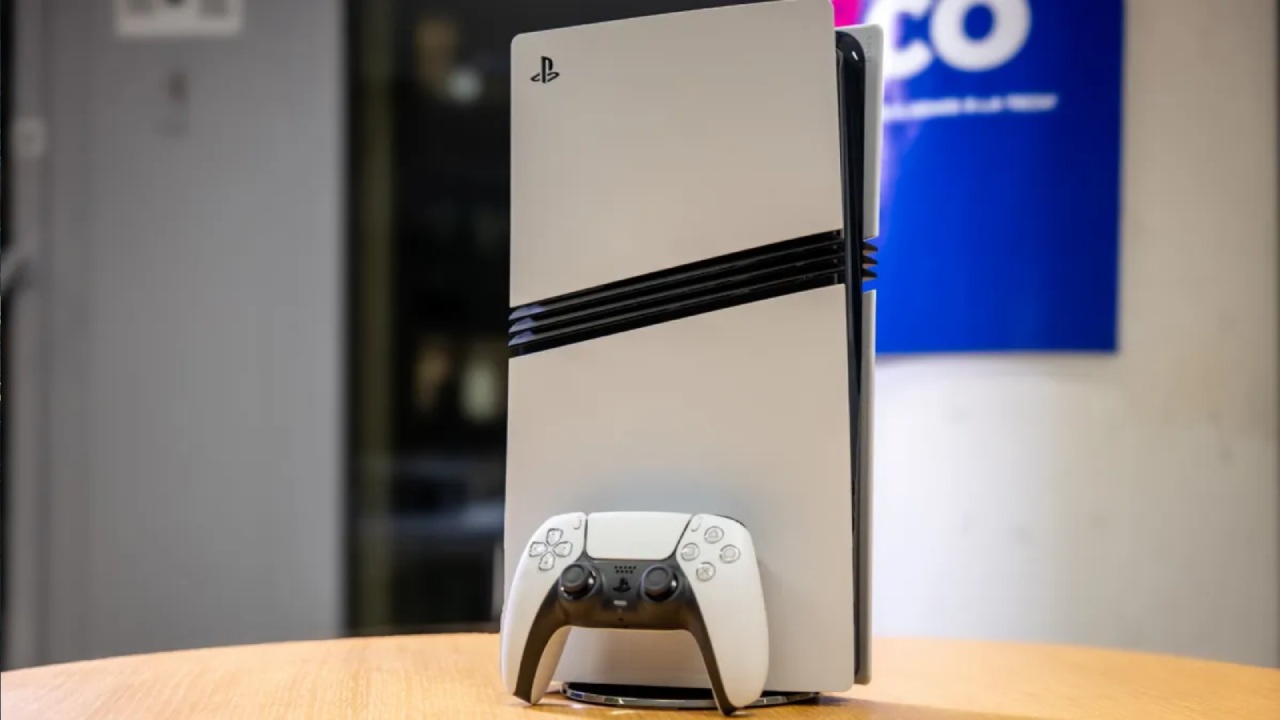
Realities of Hardware Improvements and Performance
In terms of hardware, the PS5 Pro added additional processing units, improved ray tracing, and true ML acceleration. These three changes were said to be the key technological benefits. In real life, raster performance usually improves by about 30% and, in the best circumstances, by up to 45%. But the memory bandwidth increased by only about 28%, suggesting the extra compute units can't be used as effectively as they could be.
The update doesn't feel as big as the jump from PS4 to PS4 Pro. Most games that use dynamic resolution scaling don't look that different. The performance boost is more like moving up a single GPU tier than going from one generation to the next.
How It's Getting Better and How Developers Are Using It
Ray tracing has the greatest potential for improvement. PS5 Pro supports BVH8, offers better stack management, and features architectural improvements similar to those in RDNA4. These modifications really help in some games. For instance, certain games' world-space ray tracing jobs are about 60% faster.
Still, only a limited number of developers are making full use of these functionalities. Some games, like Assassin's Creed Shadows, show the promise, but most do not.
PSSR and Upscaling Problems
The machine learning hardware is good, but the PSSR upscaler isn't as good as options like DLSS, XCSS, or FSR4. Players anticipate that modern ML-based upscaling will deliver better image stability, clarity, and overall consistency.
We can see that PSSR has trouble with standard rendering systems, such as Lumen. It loses some of its charm because developers often have to do extra work to get it to work right. Sony has said that PSSR will get better and that there will be a next-generation version by 2026, but right now, it isn't a big deal.
How Well do Games Work in the Library
First-party games usually do the best. Longer production time and more in-depth optimization help games like Ghost of Tsushima and Gran Turismo 7. Among third-party releases, Assassin's Creed Shadows also stands out.
A lot of other games are in the middle, with improvements that don't feel significant. Some games, like Silent Hill F, don't need fixes. The experience varies widely depending on the game.

Problems with Pricing and the Market
PS5 Pro is a very expensive console, and costs have not gone down over time like they did in earlier generations. The disc drive is supplied separately, which makes the total cost even higher for people who utilize physical media.
About 20% of all PS4 sales were for the PS4 Pro. PS5 Pro, on the other hand, is a smaller part of the PS5 user base. Developers are less likely to focus on Pro-specific features when few people own the console, especially if those features require extra technical work.
The regular PS5 already gives most players a good experience. Pro model is aimed at a smaller number of people who are willing to pay more for better performance.
Value for Both New and Old PS5 Owners
If you already have a base PS5, it may not seem worth it to get a new one. Some games, such as Final Fantasy VII Rebirth, Gran Turismo 7, and Control Ultimate Edition with 60 fps ray tracing, offer clear benefits. But the expense of modernizing is still very high.
The Pro model gives new PS5 buyers who haven't yet purchased a PS5 access to a vast library of enhanced titles right away. In that instance, the value proposition gets better because you don't have to pay for hardware twice.
Possible Solutions at the System Level
Some games that aren't doing well could use a system-level option to go back to the base PS5 performance settings. Like current power-saving settings, this functionality could make games that are having problems more stable without the need for quick developer patches.
This approach ensures the library always works the same way and improves the Pro user experience.
Looking Forward to New Releases
GTA6, Marvel's Wolverine, Halo on PS5, 007 First Light, and Resident Evil Requiem are all big games coming out in the next year. Early reviews of Resident Evil Requiem on PS5 Pro suggest that it runs and looks great, even when compared to PC versions with powerful ray tracing.
The Pro hardware will help these new games more than the old ones, especially as developers get better and PSSR keeps changing.
Design and Build Quality of the Console
PS5 Pro has a more polished and compact look than the original PS5. The system works silently and seems solid. So far, reliability has been good, which is in line with the PS5 generation's great hardware reputation.
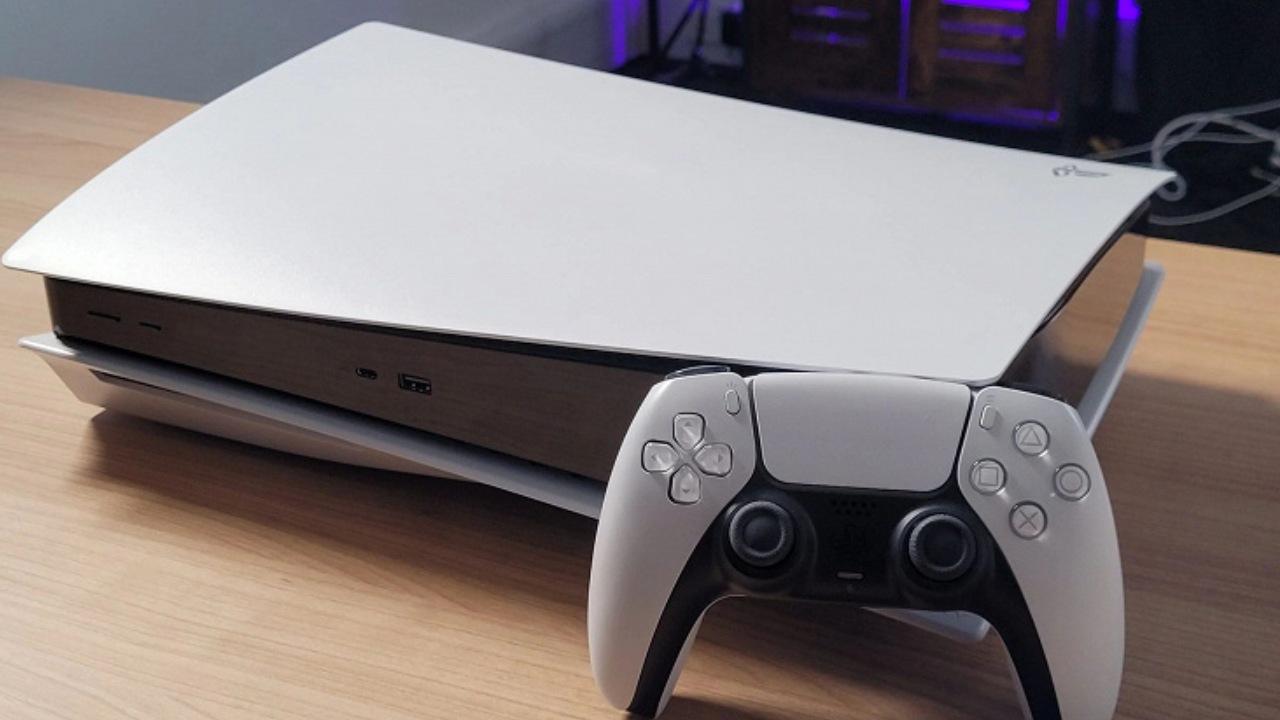
The transition to two USB-C connections on the front is one design flaw. Many accessories still use USB-A, so customers have to connect them to the console's back, which isn't as easy.
Final Thoughts
PS5 Pro improves after a year, though not necessarily by much. There are hardware enhancements, ray tracing performance has increased, and some games look and run better. But the total effect is mitigated by the fact that few developers use it, its poor quality, and its exorbitant price.
Things could improve over the next few years, especially with big releases and improvements to the upscaler. For now, the PS5 Pro is just for players who care more about getting small performance boosts than saving money.
Also, check our other Console articles:
- PS5 Pro vs. PS5 Slim: Frame‑Rate, Graphics & Performance
- PS5 Pro vs. Radeon RX 9060 XT vs RTX 5060 Ti: Ultimate $700 Gaming Showdown
- ASUS ROG Ally PS5 Remote Play | How to do Remote play on PS5 Using Sony's Official Remote Play App
- Stream PS5 Games on Steam Deck OLED: Step-by-Step Installation and Configuration
- AI Upscaling on PS5 Pro: Can PSSR Finally Match DLSS?
- PS5 Pro vs. PS5 Slim vs. PS5 — Design, Storage, Specs, and Gaming
- PS5 Pro vs. Xbox Series X: Specs, Price, Storage, Customization, and Gaming
- PS5 Pro vs. PC Gaming: Comparison of Graphics, Frame Rates, and Price
Editor, NoobFeed
Gaming Hardware Updates
No Data.