
PS6 Next-Gen Features: Expanded Memory, RDNA5 Architecture, and Gaming Performance
Leaked specifications reveal a 30GB memory upgrade paired with a narrower 160bit bus design.
Hardware by Masaru Hoshino on Feb 11, 2026
PlayStation 6 and the next-generation handheld from Sony are going to have big improvements in memory and speed. Early rumors say the PS6 will have 30GB of memory, almost twice the 16GB in the PS5. The portable is also reported to have 24GB of memory.
What’s particularly interesting is how this memory increase is achieved, given that the bus width is narrower than the PS5's and the memory bandwidth is not dramatically higher.

Clamshell Memory Design Explained
The new systems use a clamshell memory design that essentially doubles memory capacity without increasing bandwidth. In this setup, multiple memory chips share the same channel. For instance, the PS6 is expected to use 10 memory chips. Still, the bandwidth remains similar to that of a configuration using only five. This approach provides a cost-efficient solution while expanding memory size.
The reported memory configuration is 160-bit, running at 32 Gbps, delivering 640 GB/s of bandwidth. By comparison, the PS5 Pro features 576GB/s. The increase is modest, but advancements in GPU efficiency and memory management allow Sony to maximize performance without needing a major bandwidth boost.
How the CPU and GPU Are Configured
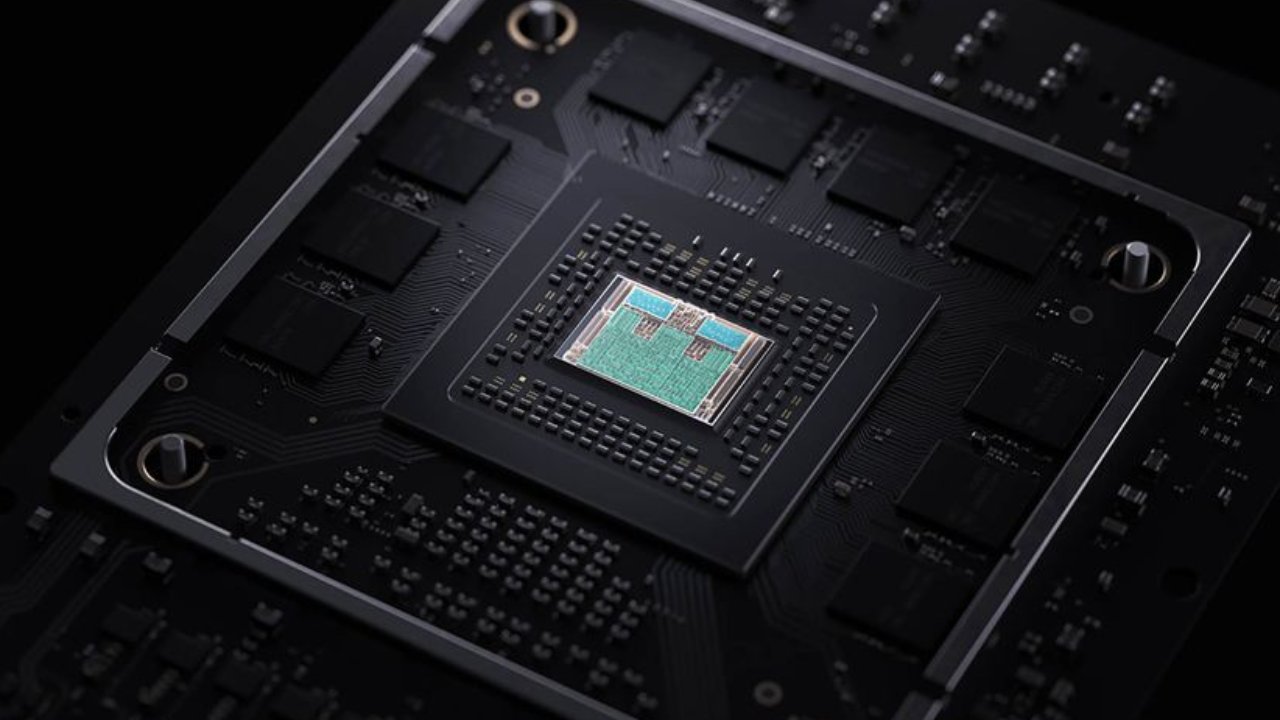
The PS6 APU is expected to be 280 mm² and have a 160W TDP. It will include 54 RDNA5 compute units, with two potentially disabled, and 8 Zen6C cores, with 1 disabled. Additionally, low-power Zen 6 LP cores will handle OS functions, allowing up to 7 cores to focus on game processing. This separation improves efficiency for developers and reduces CPU overhead on game performance.
The GPU improvements are equally notable. RDNA5 architecture brings universal memory compression, reducing memory bandwidth usage by compressing all available GPU data. Neural arrays and radiance cores make the system even more efficient, so it can work faster without needing wider memory buses.
Efficiency vs. Raw Bandwidth
Memory bandwidth alone doesn't reveal the whole story. For example, the AMD RDNA-based 7900XTX has 24GB of RAM on a 384bit interface with 960GB/s bandwidth, while the RDNA4-based 9070 XT has 16GB on a 256bit interface with 640GB/s.
Even if the raw bandwidth is different, performance stays about the same because of advances in architectural efficiency. The PS6 uses the same ideas; the narrower bus and somewhat higher bandwidth work very well.
Expected Benefits for Gaming and the System
These enhancements will not only let game worlds be bigger and textures be sharper, but they will also make frame rates steadier and make it easier to do more than one thing at once for both system software and game operations.
Dedicated low-power cores for OS functions make sure that developers can use the main cores to their full potential for gaming. Improvements to cache design and memory management will further enhance performance.
Potential Launch and Supply Considerations
While leaks give an insight into the PS6, specifications could change as Sony finalizes the design. Depending on production costs, supply issues, or performance tests, clock rates, RAM configurations, or GPU chip architectures may be changed. Reports say that Sony has enough memory for production, which could help avoid delays.
The PS6 will be a big step forward from the PS5 and PS5 Pro since it has more memory, a better GPU design, and smarter CPU allocation. Gamers may look forward to better performance, better multitasking, and better utilization of next-generation gaming technology.
Also, check our other PS5 Pro articles:
- PS5 Pro vs. PS5 Slim: Frame‑Rate, Graphics & Performance
- PS5 Pro vs. Radeon RX 9060 XT vs RTX 5060 Ti: Ultimate $700 Gaming Showdown
- ASUS ROG Ally PS5 Remote Play | How to do Remote play on PS5 Using Sony's Official Remote Play App
- Stream PS5 Games on Steam Deck OLED: Step-by-Step Installation and Configuration
- AI Upscaling on PS5 Pro: Can PSSR Finally Match DLSS?
- PS5 Pro vs. PS5 Slim vs. PS5 — Design, Storage, Specs, and Gaming
- PS5 Pro vs. Xbox Series X: Specs, Price, Storage, Customization, and Gaming
- PS5 Pro vs. PC Gaming: Comparison of Graphics, Frame Rates, and Price
Editor, NoobFeed
Gaming Hardware Updates
No Data.