
QD-OLED vs. W-OLED: Which Monitor Technology Should You Choose?
QD-OLED technology delivers vibrant color accuracy and strong viewing angles while maintaining consistent performance across varied content and environments.
Hardware by Tanvir Kabbo on Dec 21, 2025
OLED monitors have come a long way, giving customers sharper images, brighter screens, and better overall performance. QD-OLED and W-OLED are the two most popular OLED technologies.
Each has its own pros and cons, and the choice between them depends heavily on how they are used, where they are situated, and which features are most important to the user.
QD-OLED Pros
Excellent Color
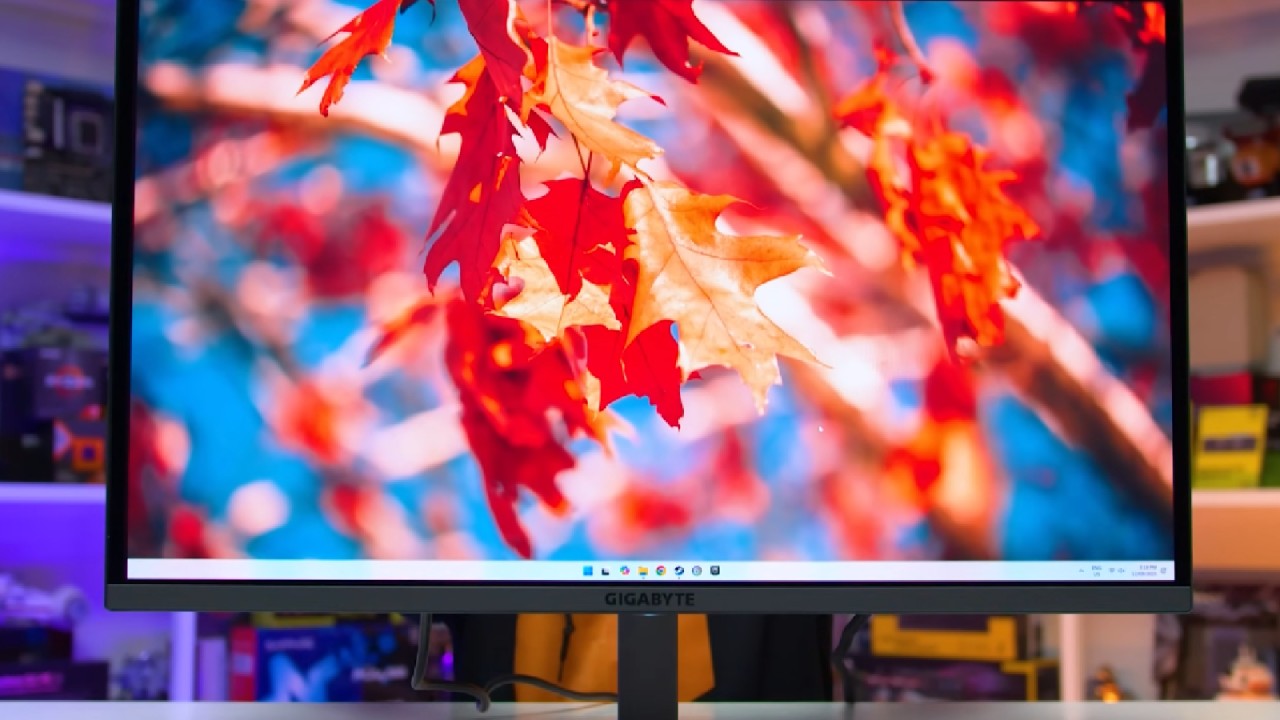
We typically see QD-OLED deliver excellent color performance that generally surpasses earlier LG W-OLED generations. Color looks rich, vibrant, and very clean.
Strong Viewing Angles
Viewing angles remain excellent. While this may matter more on TVs, we still appreciate it on monitors, particularly for wide-desk setups.
Better Panel Cleanliness
We often see fewer problems with a near-black handle and banding. Overall, the panel's consistency usually appears to be more in line.
Ideal Contrast in Dark Rooms
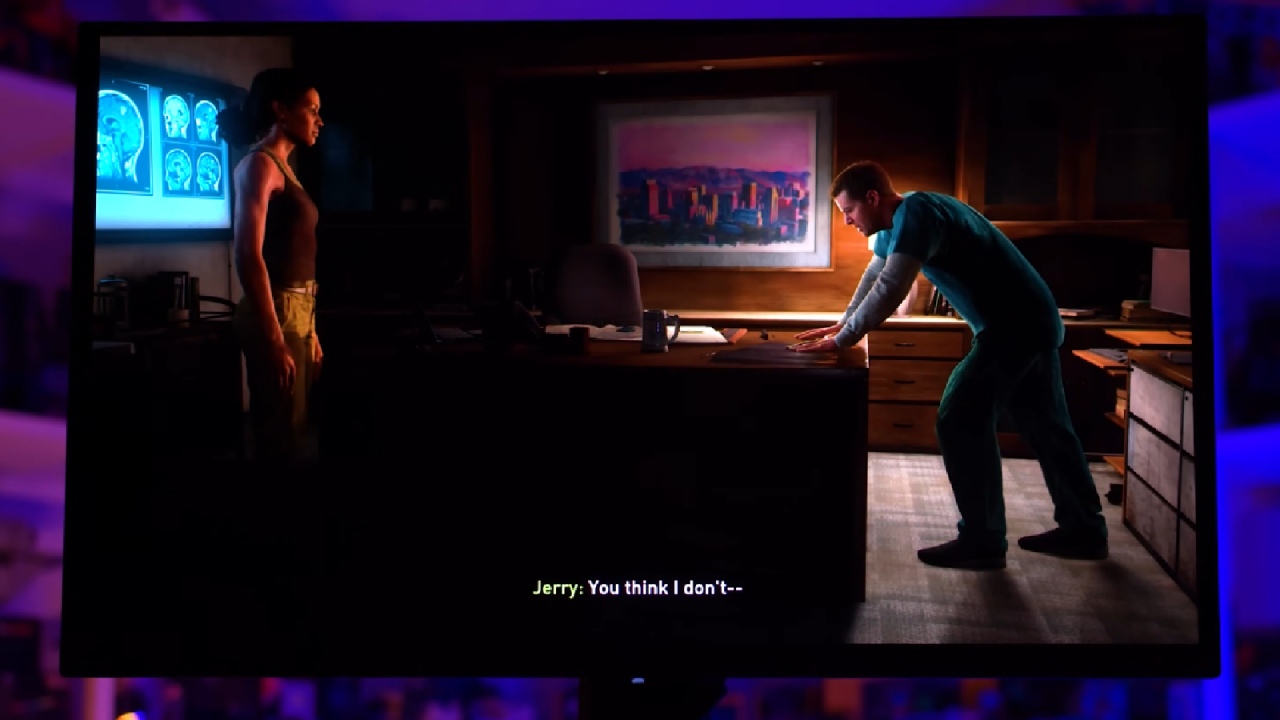
In dark settings, QD-OLED keeps contrast at its highest, making blacks look very dark and highlights very bright. When you add OLED's natural speed to the mix, the effects are very smooth.
Availability in 4K 27-Inch
QD-OLED offers a 27-inch 4K option, providing a clear, compact, high-resolution monitor that W-OLED still can't match at this size.
QD-OLED Cons
Poor Ambient Light Handling
One big problem is that it doesn't work well in bright rooms. Strong lighting, like from a camera or a window right next to the screen, can make the picture look less clear and give it a purple tint. The lack of a traditional polarizer contributes to reflections and reduced contrast.
More Noticeable Text Fringing
All OLED monitors exhibit some text fringing, but we generally find QD-OLED's fringing slightly more visible than the latest W-OLED subpixel arrangements.
Lower Brightness
While no OLED monitor is truly bright, QD-OLED models tend to sit behind W-OLED in overall luminance.
.jpg)
W-OLED Pros
Excellent Ambient Light Handling
W-OLED works great when it's bright out. The newest fourth-generation models handle reflections much better than QD-OLED and older W-OLED models. This is a significant benefit for well-lit work areas.
Higher Brightness
W-OLED generally gets brighter than QD-OLED, making things easier to see and increasing contrast in well-lit rooms.
Improved Color
With the newest four-layer W-OLED panels, color performance is much closer to QD-OLED than before. In many side-by-side comparisons, we can barely see a difference.
Unique 4K Ultrawide Option
LG offers a 45-inch 5120x2160 true 4K ultrawide, a format currently unavailable on QD-OLED.
W-OLED Cons
Near-Black Grain
Near-black scenes can appear grainier than on QD-OLED. This is one of the disadvantages that stands out the most.
Banding
W-OLED still has more banding on gray screens than QD-OLED.
Brightness is still limited
W-OLED is brighter than QD-OLED, however it still doesn't reach the brightness levels that certain customers want.
Remaining Text Fringing
Even though things have gotten better and the RGB subpixel structure is newer, lettering isn't always clear. There are still some fringes that can be seen.
Choosing Between QD-OLED and W-OLED
Neither piece of technology is perfect, and the best one to use relies on how and where the monitor will be used. QD-OLED might offer the best overall picture for people who work or play games in dark rooms.
People who use W-OLED in bright places will notice a considerable difference because it can handle natural light.
Personal Preference
Most of the time, we like 32-inch 4K monitors. At that size, W-OLED is the best choice because it works much better in bright settings. W-OLED's benefits are clear because studio lighting is often a part of our environment.
We also enjoy W-OLED enough to use a 55-inch model with the latest four-layer design, which has been impressive.
Right now, though, the absence of a four-layer 32-inch 4K W-OLED panel is a drawback. We suggest waiting for these panels to show up if you want that exact size and clarity, especially if you work in a bright room.
Final Thoughts
Both QD-OLED and W-OLED have evolved over time, making the difference between them much smaller. The greatest choice depends on how much space you have, how much light there is, and how big you want it to be.
We like W-OLED for rooms with lots of light. QD-OLED is still a great choice for settings that are darker or when you need 4K at 27 inches.
Also, check our other Monitor articles:
- ASUS ROG Strix XG27AQWMG Review: 280Hz 1440p OLED Gaming Performance
- Samsung Odyssey OLED G81SF Review 2025: Ultimate 32-Inch QD-OLED Gaming Monitor
- Adaptive Sync Explained: FreeSync vs. G-Sync for Modern Gaming Monitors
- Gigabyte MO27Q2 QD OLED Review: Performance, HDR, and Gaming Experience
- ASUS ROG Swift PG27UCDM Review: Blazing Fast 240hz 4K OLED Performance
Senior Editor, NoobFeed
Gaming Hardware Updates
No Data.