
Why RAM Prices Are Exploding: Micron, AI Data Centers, and the Consumer Fallout
Micron’s data center revenue surged dramatically, redefining memory priorities and pushing consumer hardware to the sidelines.
Hardware by Tanisha Aria on Dec 29, 2025
Micron's data center memory segment has seen the most growth ever, with a 257% rise compared to last year's numbers. With that growth, profits have gotten a lot bigger, and those higher margins are now reaching the consumer market.
Customers are paying more and more for memory that is really not available after data centers take in the main supply. At the same time, it looks like the availability of supplies for business customers who make memory products for consumers is shrinking as more production is shifted to data center needs.
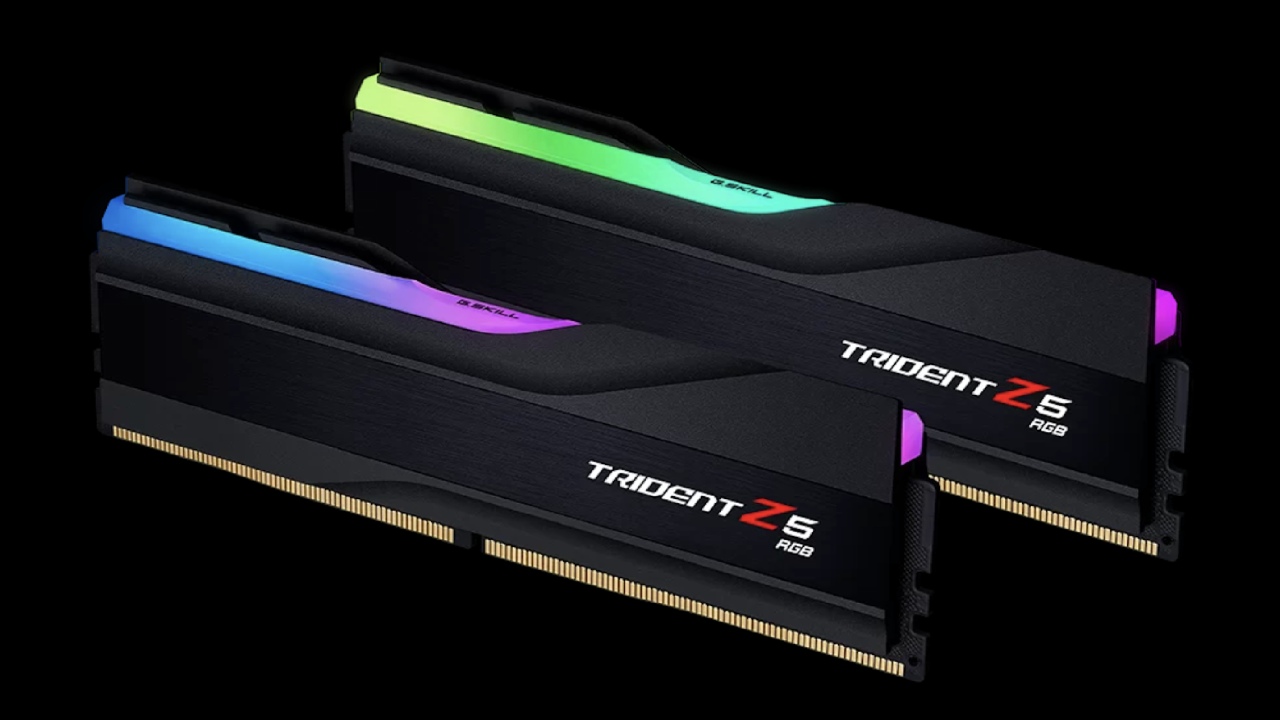
New reports on the finances and the industry as a whole provide more information on how this change is affecting the PC market. IDC memory supply data centers 8% higher PC prices in 2026. No matter how much you pay for a computer today, you should expect to pay at least 8% more next year. For fans who need more memory, the rise is probably going to be even worse.
Shrinking Supply and Rising System Prices
The same IDC study predicts that PC sales will drop by 4.9% to 8.9%. Some people who build systems are already responding. A custom PC builder announced to the public that it would start selling computers without RAM. This way, people who already have suitable memory can bring their own. This move, though strange, shows how memory prices have become so out of whack.
Analyst firms have also opposed the idea that this is a memory spike that occurs only occasionally. Instead of prices dropping in 2026 or 2027, recent estimates suggest high prices might persist for a long time. That long-term pressure is why Micron could bring out new DDR5 consumer memory and then do away with the name altogether just a few weeks later.
The Crucial Commitment That Lasted 43 Days
Micron released new DDR5 Pro overclocking 6400CL32 memory under the Crucial brand on October 21. They said several times that the release demonstrated their commitment to gamers and the importance of Crucial to the enthusiast market. The company was basically killed 43 days later. That sequence gives off a strong vibe that the choice had already been made before the public announcement.
We don't think this was an accident or a matter of bad timing. Someone made a conscious decision to support a brand that was about to be shut down in the long run. That choice tricked customers, especially those who thought Crucial would still be around as a trusted first-party memory option.
How AI Revenue Reshaped Micron's Priorities
At the end of the year, Micron's market capitalization had risen to over $300 billion, driven by AI and data center demand. Memory pricing is getting worse everywhere, affecting anyone who buys new electronics. People who build high-end PCs are hit the hardest. 32GB kit prices rely on the specs and are usually between $400 and $500, while 64GB kits are between $800 and $1,000.
Based on previous price levels, system builders have said that RAM prices have gone up by as much as 500% and SSD prices by about 100%. Memory is being bought in bulk by major OEMs, making it harder to access the open market and raising costs. Even memory brands that focus on consumers have told buyers to be careful and have openly said that the prices right now are bad.
Shrinkflation Across Devices
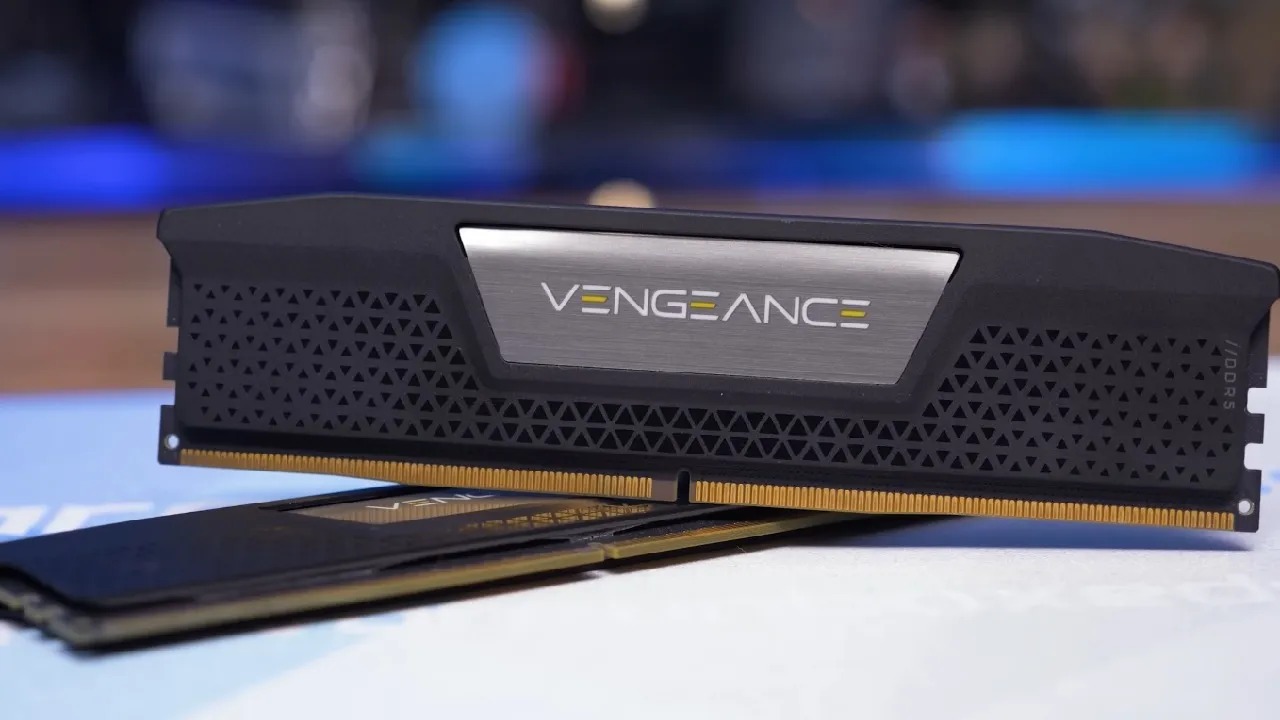
Shrinkflation Across Devices: Market experts now think many devices, such as smartphones, laptops, and game systems, will have less memory than before, while prices will still go up. It is expected that mid-range smartphones will go from 12GB to 8GB, and entry-level devices will go from 8GB to 4GB. Notebooks will increasingly use 8 GB of RAM. As prices rise, performance also declines. This is a clear example of modern shrinkflation.
It is also expected that console demand will drop due to memory shortages, and growth predictions are turning negative for many product types. These changes aren't just happening to game hardware; they're happening across the whole electronics ecosystem.
Global DRAM Supply and Industry Concentration
Micron, Samsung, and SK Hynix are the three biggest companies in the DRAM market. Even though new manufacturers are starting up, they aren't having a big enough effect on the global supply chain to make a difference. Because of this focus, production goals for all kinds of consumer goods can change quickly.
In the past, Micron helped keep consumer memory prices steady by selling first-party Crucial products straight to the market. The force that held things together is gone now.
Micron's Financials Reveal the Incentives
Consumer memory became unnecessary due to Micron's annual earnings. Micron's revenue for fiscal year 2025 was $37.4 billion, 49% higher than the previous year's revenue. 76% of that income came from DRAM. Just the cloud memory part of the business grew 257% in a single year, bringing in $13.5 billion, up from $3.8 billion.
On the other hand, Micron's mobile and client segment, which included Crucial, only grew 2%. Operating margins give more information about the choice. The profit margins for different types of goods were as follows: cloud memory 48%, mobile products 29%, and client products 29%. Consumer memory became a lot less appealing from a purely financial point of view.
Pricing Explosion of Newly Released Memory
The last Crucial DDR5 Pro 32GB 6400CL32 kit launched for about $175, but the price rose to over $320 in just a few weeks. Soon after, prices tested $350 and even hit $440 at some stores. This was a 2.5x increase in less than 2 months. Not many consumer goods, other than speculative investments, rise in value that quickly.
When Micron said it was shutting down Crucial, it called the move a business transformation in line with long-term profitable growth. Basically, it was a way for people to forget about it.
More Records, No Relief in Sight
In its latest quarterly earnings report, Micron said it posted $13.6 billion in revenue, a 57% year-over-year increase. It confirmed that demand for both DRAM and NAND memory is well above supply. The business said it was more than sold out and that even small increases in supply will not seriously affect demand.
It is expected that capital spending will rise to $20 billion, mostly to make high-bandwidth memory for AI accelerators rather than for consumer electronics. New money records are expected in the next fiscal year, meaning current priorities will not change.
Looking Ahead
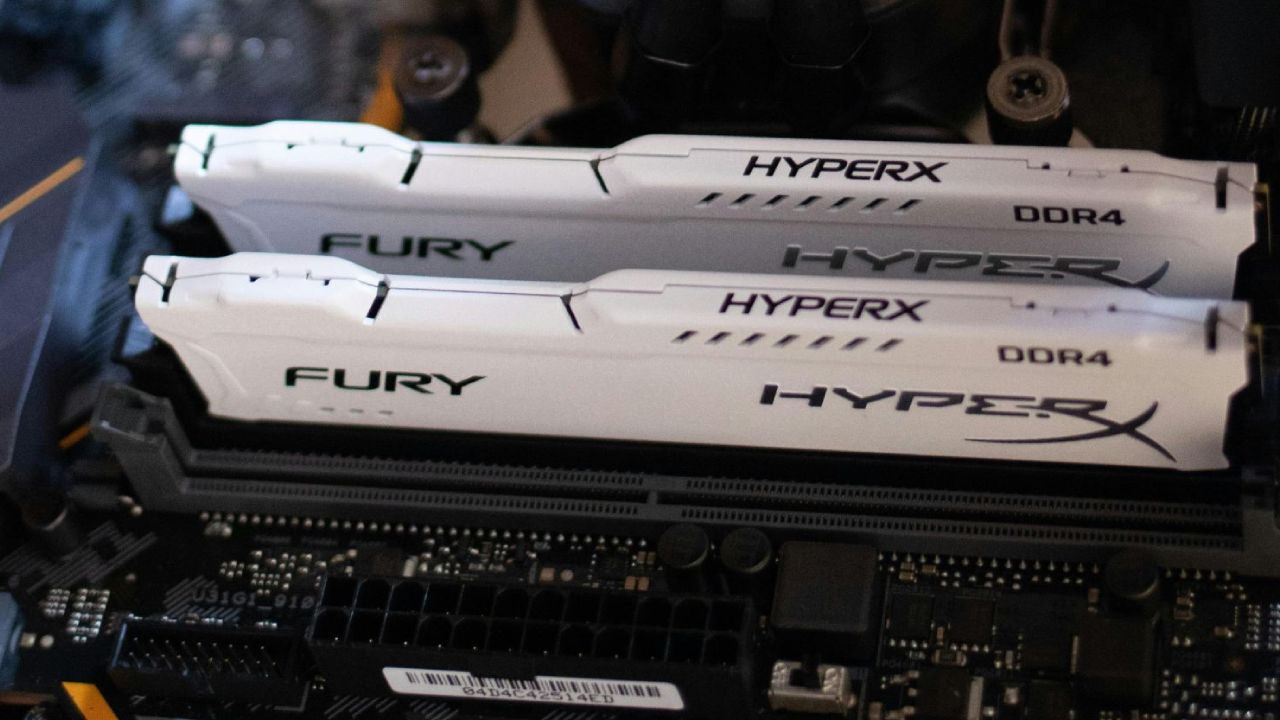
Less supply usually means higher prices. The way the market is acting now, it looks like producers don't care about lower customer demand. If you don't buy, the stock will just go somewhere else. Because of this, system builders have started to offer options that let you bring your own memory, and prebuilt systems with less RAM are already being shipped.
If you're updating or building soon, we think prices will get worse, not better. Some designs, such as CPUs with large on-die caches, may help offset performance losses from slower or higher-latency memory. But they don't do anything to meet capacity needs.
The memory market has long been compared to a cartel, and recent actions support that view. With AI demand closely tied to data center growth and GPU production, memory choices are increasingly driven by a single factor: growth. Right now, the AI tax is only being paid by everyone else.
Also, check our other hardware articles:
- AMD Ryzen 9 9950X3D Review: Setting The Standard For 2025 Gaming CPU
- Amazon Luna 2025 Review: Is Prime Gaming's Cloud Service Your Go-To For Casual Fun?
- AMD RX 9070 XT Review: AMD's RDNA 4 Champion for 1440p Gaming
- GeForce Now Ultimate: Ditching Your Gaming PC For Cloud RTX 4080 Power?
- NVIDIA GeForce RTX 5080 Review (2025): Still A 4K Gaming Powerhouse?
- Intel Core Ultra 9 285K Review And Performance Breakdown (2025)
- AMD Ryzen 7 9800X3D Review: 3D V-Cache Goes God Mode with Stunning Gaming Performance
- Intel Core Ultra 9 285K vs AMD Ryzen 7 9800X3D: In-Depth Gaming Performance and Benchmark Comparison
- NVIDIA GeForce RTX 5080 Super Performance In Cyberpunk 2077: Path Tracing & DLSS 4.0 Tested
- AMD Radeon RX 9070 XT In Cyberpunk 2077: Ray Tracing & FSR 4.0 Tested
- Intel Arc B580 Review: The $250 GPU Revolutionizing 1440p Gaming
- Intel Arc B570 Vs. B580: Value, Specs, And Real-World Gaming Performance
- RTX 5090 Laptop Vs. M4 Max MacBook Pro: Ultimate Raw Performance Vs. Battery Endurance
- Intel Arc b580 Vs. RTX 4060: Game Performance And Value Analysis
- RTX5090 Hell Is Us Demo 4K Ultra Benchmark: DLSS Vs. Native Performance Guide
- NVIDIA RTX 5070 Review: Mid-Range Muscle or Marketing Hype?
- Nintendo Switch 2 Review: Handheld Performance, Features & Value Breakdown
- RTX 5070 Ti Review: Performance, Thermals & Power Efficiency Tested
- Samsung Odyssey OLED G81SF Review 2025: Ultimate 32-Inch QD-OLED Gaming Monitor
- AMD RX 9070 Performance Review: Thermals, Clocks, and Real-World FPS
- AMD Ryzen 5 7600 Review: Best Budget Gaming CPU of 2025?
- AMD Radeon RX 7800 XT Review: RDNA 3 Power For Midrange Gaming
- Asus ROG RTX 5090 Astral OC Vs. Founders Edition: The 4K Gaming Benchmark
Contributor, NoobFeed
Gaming Hardware Updates
No Data.