
Ray Tracing on Switch 2: Star Wars Outlaws, Indiana Jones, and Doom Expectations
Advanced optimization methods enable handheld devices to display high-quality visuals while maintaining steady frame rates and delivering gameplay experiences that draw you in.
Hardware by Masaru Hoshino on Sep 22, 2025
Star Wars Outlaws on Switch 2 has sparked a lively discussion about the role of ray tracing in modern gaming. The game demonstrates how essential ray tracing has become to some engines by producing a visually stunning experience on comparatively low-end hardware.
With performance tuned carefully, the game demonstrates how developers can balance compromises and technical creativity to achieve results once thought impossible on portable devices.
.jpg)
Ray Tracing as a Necessity Rather Than a Luxury
The conversation around Star Wars Outlaws highlights that ray tracing is not simply a flashy addition. In fact, for some games like this one, it is the foundation of the entire lighting system. Without it, environments would appear broken or completely unlit, as seen when ray tracing is disabled on other devices.
That reliance proves that developers are building games with RT as a central feature rather than an optional layer.
Compromises and Performance Balancing
When we look hard at the tradeoffs, they become evident. There is a drawback to high-end platforms. The sacrifices are evident when you look more closely. The lighting stability is much worse than on high-end devices, and there are obvious visual flaws in still frames.
What's truly remarkable, though, is that the game runs consistently at 30 fps on the Switch 2, whereas more recent systems can barely keep up at 60 fps.
Developers managed to scale the game down in a smart way, ensuring a balance between visual quality and performance without stripping away the essential design built on RT.
Implications for Future Ports
From a development standpoint, the success of Star Wars Outlaws opens doors for other large-scale games to make the jump to Switch 2. If developers see that they can adapt a heavy RT-based game for this hardware, they may be more willing to bring their own franchises.
You can expect tailored versions of major titles, designed with lower ray counts but still visually coherent experiences. This balance of efficiency and innovation is what makes RT fascinating to watch evolve.
Indiana Jones Expectations
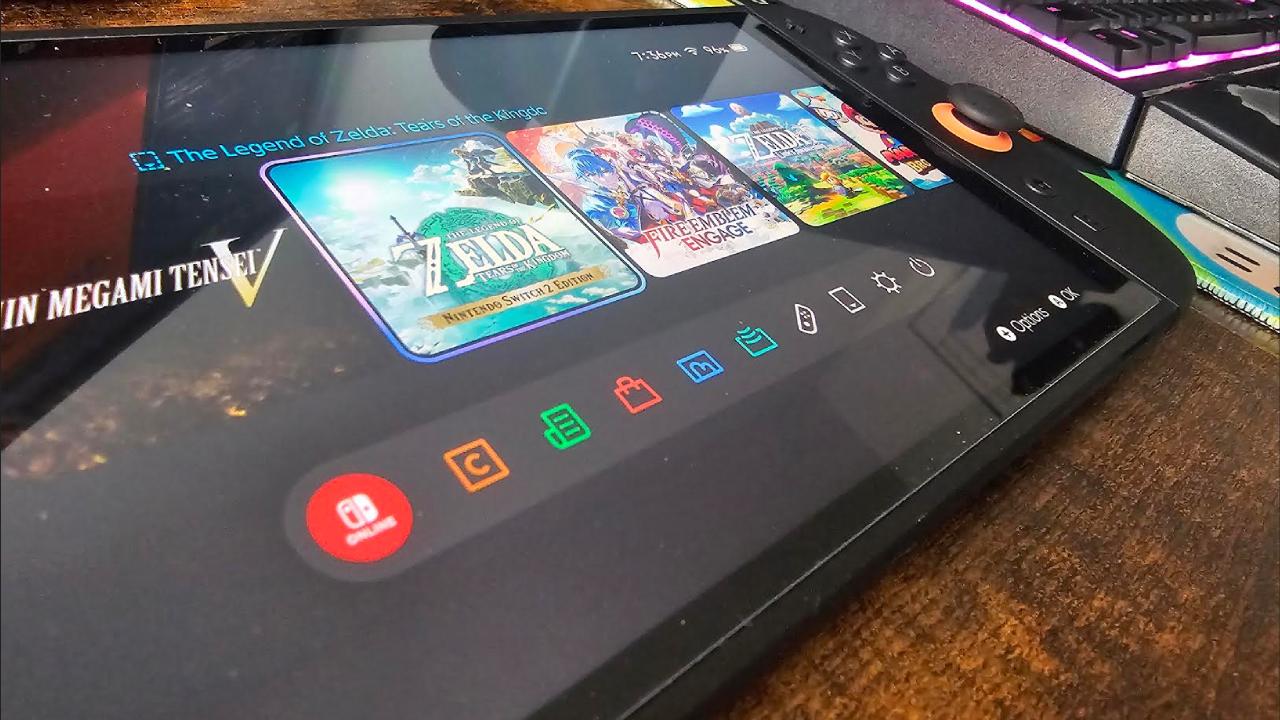
Given the performance of Star Wars Outlaws, questions naturally arise about Indiana Jones. Both games are built on engines requiring RT, meaning Switch 2 is capable of running them without developers needing to create fallback lighting systems.
We think Indiana Jones will likely run at 30fps, particularly in visually demanding areas like Giza, where the CPU will face heavy loads. However, we may see more stable lighting compared to Outlaws, since it seems to avoid some of the more unstable techniques like specular tracing.
Doom the Dark Ages Possibilities
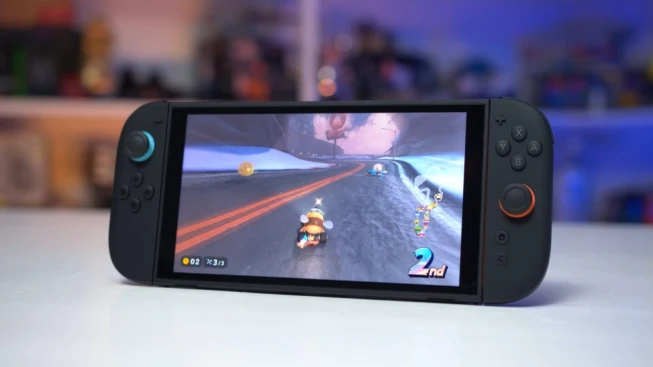
The conversation also touches on Doom: the Dark Ages. We think achieving 60fps might be unrealistic on Switch 2, but the possibility of surprising optimization remains. Developers could target 30fps with careful adjustments, or even aim for 40fps on handheld thanks to Switch 2's 120Hz screen.
That feature enables low frame rate compensation, which Star Wars Outlaws already put to great use, ensuring smoother experiences even when locked to lower frame rates.
Developer Opportunities and Best Practices
What stands out most is how developers approached Star Wars Outlaws with best practices in mind. From choosing the right refresh rate options to fine-tuning RT effects for low ray counts, they demonstrated how to maximize performance without breaking immersion.
We should hope more developers follow this example. For you as a player, it means smoother gameplay and more immersive visuals, even on hardware with limitations. Our analysis of these games demonstrates the advancements in optimization in an RT-driven era.
Final Thoughts
Ray tracing on portable devices was revolutionized by Star Wars Outlaws on the Switch 2. It is exciting for gamers and a relief for developers that the hardware can enable complete RT pathways without fallback solutions.
It guarantees that more Switch 2 multiplatform games can be released without requiring companies to spend time and money on different lighting setups. As RT becomes the norm rather than the exception, the future appears bright.
Check our Other Handheld Articles :
- ASUS ROG Ally X Handheld Review: Double the Battery, Double the Comfort
- Nintendo Switch 2 Vs. Original Switch 1: A Full Comparison
- How To Connect A Camera And Join Voice Chat With Nintendo Switch 2
- Nintendo Switch 2 Review: Handheld Performance, Features & Value Breakdown
- ROG Xbox Ally X Vs. ROG Ally X: Display, Battery & Controls
- ASUS ROG Ally X vs. Steam Deck OLED: Display, Battery & Gaming Benchmarks
- MSI Claw 8 AI+ Review: Display, Controls & Gaming
- Nintendo Switch 2 vs. Steam Deck OLED: Gaming, Performance, Battery, Display and Value
- PlayStation Portal Review: Remote Play, Cloud Streaming & Travel Gaming
- PlayStation Portal vs. Lenovo Legion Go: Best Portable Gameplay
- Lenovo Legion Go S vs. Zotac Zone: In-Depth Experience Comparison
- How AMD Dominates the Handheld Market
Editor, NoobFeed
Gaming Hardware Updates
No Data.