
Rising AI Demand Could Push CPU Prices Higher as Sony Reconsiders PC Game Strategy
Rising demand for server-grade processors may impact consumer CPU availability and potentially drive higher prices across the hardware market.
Hardware by Tanvir Kabbo on Mar 06, 2026
Recent events in the gaming and hardware industries suggest the PC environment could see significant changes in the near future. AMD has said that demand for CPUs is rising due to artificial intelligence.
At the same time, Sony seems to be changing its mind about bringing PlayStation games to PC. These changes could influence hardware pricing, platform competition, and the availability of major game releases.
.jpg)
AMD CEO Highlights Surging CPU Demand
During a discussion at the Morgan Stanley conference, AMD CEO Lisa Su spoke about the company’s rapidly growing processor demand. According to her comments, the CPU portion of AMD’s business has exceeded expectations in terms of demand.
She said that the rise has been stronger than expected, even though the company had expected the processor industry to grow a lot. The rise is intimately linked to the continued development and use of AI technologies.
She also talked about how tight the supply is, which means that when demand goes up, there may not be enough processors available. The revelation comes after earlier reports that key chip makers had already told consumers about possible delays and problems with getting enough chips.
As AI technology expands across industries, the demand for powerful computing hardware continues to grow. Data centers, research institutions, and technology companies are all investing heavily in infrastructure designed to support AI workloads.
The Shift From AI Training to Inference
One of the biggest drivers behind the increasing CPU demand is a major shift occurring within the AI industry. Many organizations are moving away from focusing exclusively on training large AI models and are now expanding into inference workloads.
Inference refers to the process by which an AI system uses the knowledge it has already learned during training to perform real-world tasks. These tasks can include generating responses, analyzing data, or processing user requests.
Unlike AI training, which heavily relies on powerful GPUs, inference workloads depend more on CPUs to efficiently handle large volumes of smaller operations. As more companies deploy AI services and applications, the number of inference tasks grows significantly.
This transition means that CPUs are becoming increasingly important in AI infrastructure. As more businesses adopt AI-powered tools, demand for server-grade processors is expected to rise even further.
Possible Impact on Consumer CPU Supply
Although the majority of AI computing relies on specialized server processors rather than consumer hardware, the effects could still reach the broader PC market.
Server CPUs generate significantly higher revenue compared to consumer chips. Because of this, manufacturers may prioritize production for enterprise processors if demand becomes extremely high.
If supply becomes tight, companies could redirect manufacturing capacity toward these higher-margin products. In that situation, fewer consumer processors might be produced, which could lead to higher prices or reduced availability in the retail market.
The hardware industry has already experienced similar trends with other components. Memory prices increased first as demand surged, followed by rising GPU prices and storage costs. If CPU supply becomes constrained, processors could be the next component affected by price increases.
For PC builders and enthusiasts, this possibility raises concerns about future upgrade costs.
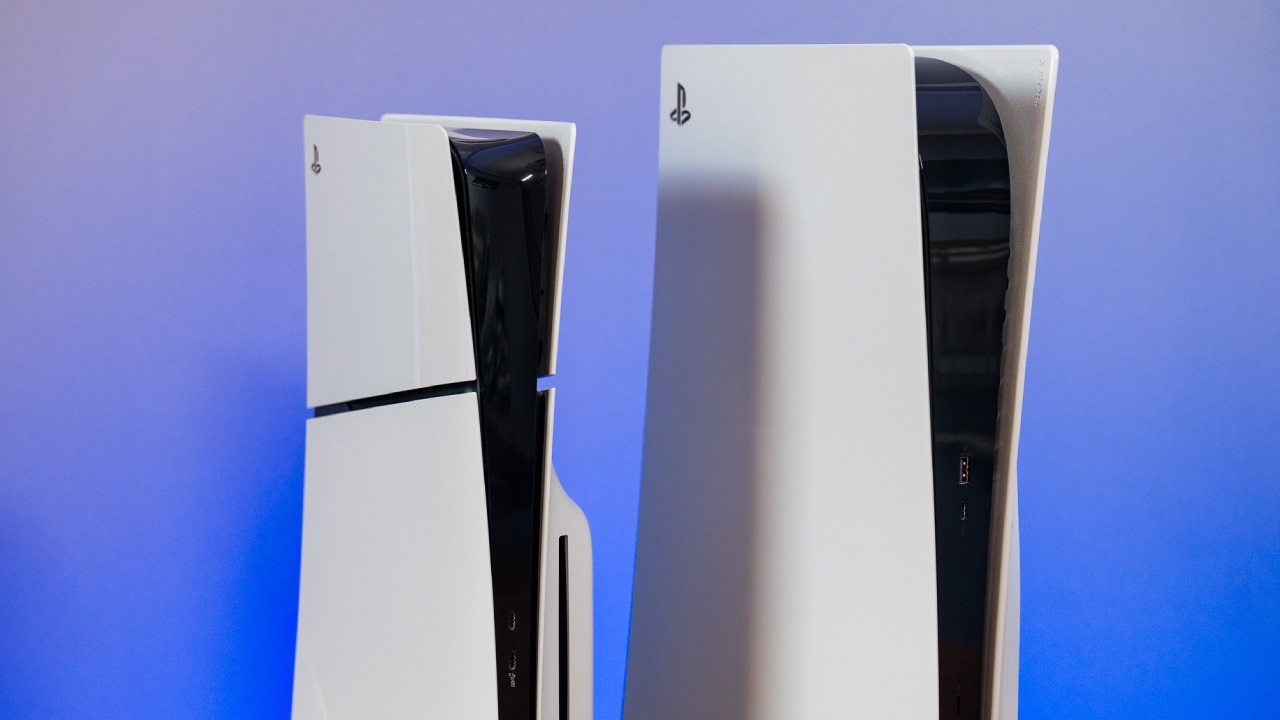
Sony Appears to Be Moving Away From PC Game Releases
At the same time, the gaming industry is also seeing strategic shifts from major console manufacturers. For several years, Sony gradually adopted a strategy of releasing PlayStation exclusives on PC after their console launches.
This approach brought popular titles such as The Last of Us, God of War, and Spider-Man to PC players. The releases expanded Sony’s audience and allowed PC gamers to experience titles that were previously limited to PlayStation consoles.
However, recent reports suggest that the company may now be stepping back from this strategy.
According to Bloomberg, Sony has reportedly canceled plans to bring several internally developed games to PC. Upcoming titles such as Ghost of Yoai and the Saras project were mentioned as part of these canceled PC plans.
Several possible reasons could explain the shift. Some reports point to weaker sales performance for certain PC releases. Others suggest the company may want to protect the exclusivity and identity of the PlayStation platform.
Another potential factor is the changing competitive landscape in the gaming industry. With new hardware strategies and evolving platform ecosystems, companies may be reassessing how they distribute their games across different platforms.
For PC gamers, this development could mean fewer PlayStation titles arriving on PC in the future.
Also, check our other hardware articles:
- AMD Ryzen 9 9950X3D Review: Setting The Standard For 2025 Gaming CPU
- Amazon Luna 2025 Review: Is Prime Gaming's Cloud Service Your Go-To For Casual Fun?
- AMD RX 9070 XT Review: AMD's RDNA 4 Champion for 1440p Gaming
- GeForce Now Ultimate: Ditching Your Gaming PC For Cloud RTX 4080 Power?
- NVIDIA GeForce RTX 5080 Review (2025): Still A 4K Gaming Powerhouse?
- Intel Core Ultra 9 285K Review And Performance Breakdown (2025)
- AMD Ryzen 7 9800X3D Review: 3D V-Cache Goes God Mode with Stunning Gaming Performance
- Intel Core Ultra 9 285K vs AMD Ryzen 7 9800X3D: In-Depth Gaming Performance and Benchmark Comparison
- NVIDIA GeForce RTX 5080 Super Performance In Cyberpunk 2077: Path Tracing & DLSS 4.0 Tested
- AMD Radeon RX 9070 XT In Cyberpunk 2077: Ray Tracing & FSR 4.0 Tested
- Intel Arc B580 Review: The $250 GPU Revolutionizing 1440p Gaming
- Intel Arc B570 Vs. B580: Value, Specs, And Real-World Gaming Performance
- RTX 5090 Laptop Vs. M4 Max MacBook Pro: Ultimate Raw Performance Vs. Battery Endurance
- Intel Arc b580 Vs. RTX 4060: Game Performance And Value Analysis
- RTX5090 Hell Is Us Demo 4K Ultra Benchmark: DLSS Vs. Native Performance Guide
- NVIDIA RTX 5070 Review: Mid-Range Muscle or Marketing Hype?
- Nintendo Switch 2 Review: Handheld Performance, Features & Value Breakdown
- RTX 5070 Ti Review: Performance, Thermals & Power Efficiency Tested
- Samsung Odyssey OLED G81SF Review 2025: Ultimate 32-Inch QD-OLED Gaming Monitor
- AMD RX 9070 Performance Review: Thermals, Clocks, and Real-World FPS
- AMD Ryzen 5 7600 Review: Best Budget Gaming CPU of 2025?
- AMD Radeon RX 7800 XT Review: RDNA 3 Power For Midrange Gaming
- Asus ROG RTX 5090 Astral OC Vs. Founders Edition: The 4K Gaming Benchmark
Senior Editor, NoobFeed
Gaming Hardware Updates
No Data.