
NVIDIA RTX 5070 vs. RX 9070: Real-World 1440p Performance and Upscaling
Both GPUs deliver competitive 1440p gaming performance, showcasing major efficiency improvements and advanced AI-driven upscaling technologies.
Hardware by Tanvir Kabbo on Oct 19, 2025
Two mid-range graphics cards, the Nvidia GeForce RTX 5070 and AMD Radeon RX 9070, are now available at exactly the same price. Both models aim to deliver strong 1440p gaming performance with advanced upscaling technologies like DLSS 4 and FSR 4.
This comparison explores how they perform across 23 modern titles using multiple upscaling modes, revealing how each GPU handles realistic gaming configurations. Performance has been tested at native resolution and using Quality, Balanced, and Performance upscaling modes to show where each GPU shines.
Test Setup and Methodology
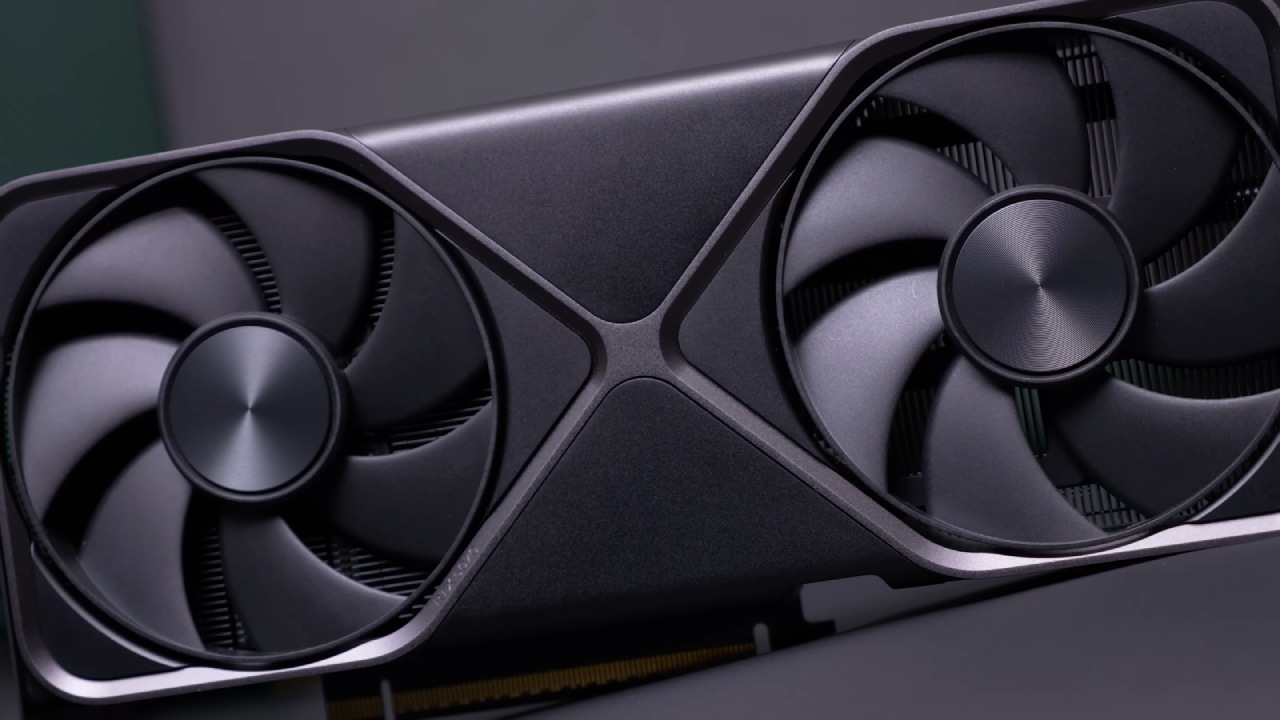
We used the MSI Vanguard SOC version of the RTX 5070 and the ASRock Steel Legend OC version of the RX 9070 for testing. Both GPUs were set to factory clocks to guarantee a fair comparison. All of the models have high-quality cooling systems and run quietly even when they're under a lot of stress.
The system configuration included a Ryzen 7 9800X3D processor, 32GB DDR5 6000 CL30 memory, and the latest Windows and driver updates — Nvidia 581.57 and AMD 25.10.1. Testing was conducted at 1440p resolution across 23 titles that support both DLSS 4 and FSR 4.
Each GPU was benchmarked using native TAA rendering and all three upscaling modes — Quality, Balanced, and Performance. Both the GeForce and Radeon drivers were configured to globally override games to the latest DLSS 4 and FSR 4 versions.
Game Performance Results
Horizon Zero Dawn Remastered showed both GPUs performing well above 100 fps natively. The RX 9070 was 13% faster in native rendering and 14% faster with Quality upscaling.
In Ratchet and Clank: Rift Apart, both GPUs delivered similar native performance. However, the Radeon card scaled slightly better with upscaling, providing a 29% uplift with FSR 4 Quality versus 23% for DLSS 4.
The Last of Us Part One favored the RX 9070 by 16% natively, dropping slightly to 12% with Quality upscaling as DLSS scaled better here. To match the RX 9070's FSR 4 Quality performance, the RTX 5070 required DLSS set to Balanced or Performance mode.
In Spider-Man 2, the RX 9070 started 11% ahead natively but lost its advantage once DLSS 4 Quality was enabled. Both GPUs performed similarly after upscaling, though the RTX 5070 offered smoother 1% lows.
Assassin's Creed Shadows consistently favored the RX 9070, which was 16% faster both with and without upscaling. Even with DLSS 4 Performance mode, the RTX 5070 couldn't match the RX 9070's FSR 4 Quality performance.
The Last of Us Part Two was one of the strongest results for the RX 9070, performing 31% faster natively and 29% faster using FSR 4 Quality. Even DLSS 4 Performance mode couldn't close the gap.
Ghost of Tsushima also leaned toward AMD, where the RX 9070 was 25% faster natively and 23% faster with upscaling. Both GPUs benefited from around a 25% uplift using upscaling.
Stalker 2 delivered nearly identical native performance, but with upscaling, the RX 9070 gained a 7% lead. Despite this, both GPUs struggled to reach a stable 60 fps average.
In Marvel Rivals, the RX 9070 scaled better once again — 10% faster natively and up to 19% faster using Balanced upscaling.
Kingdom Come: Deliverance 2 ran well on both GPUs, but the RX 9070 remained 12% faster natively and 9% faster using Quality upscaling.
Star Wars Outlaws presented a dramatic difference: the RX 9070 extended its lead from 7% to 30% with upscaling. FSR 4 Quality improved performance by 44% on the RX 9070, while DLSS 4 Quality only boosted the RTX 5070 by 18%.
In Hunt: Showdown, AMD resolved prior performance issues, allowing the RX 9070 to outperform the RTX 5070 by 18% natively and 17% with upscaling.
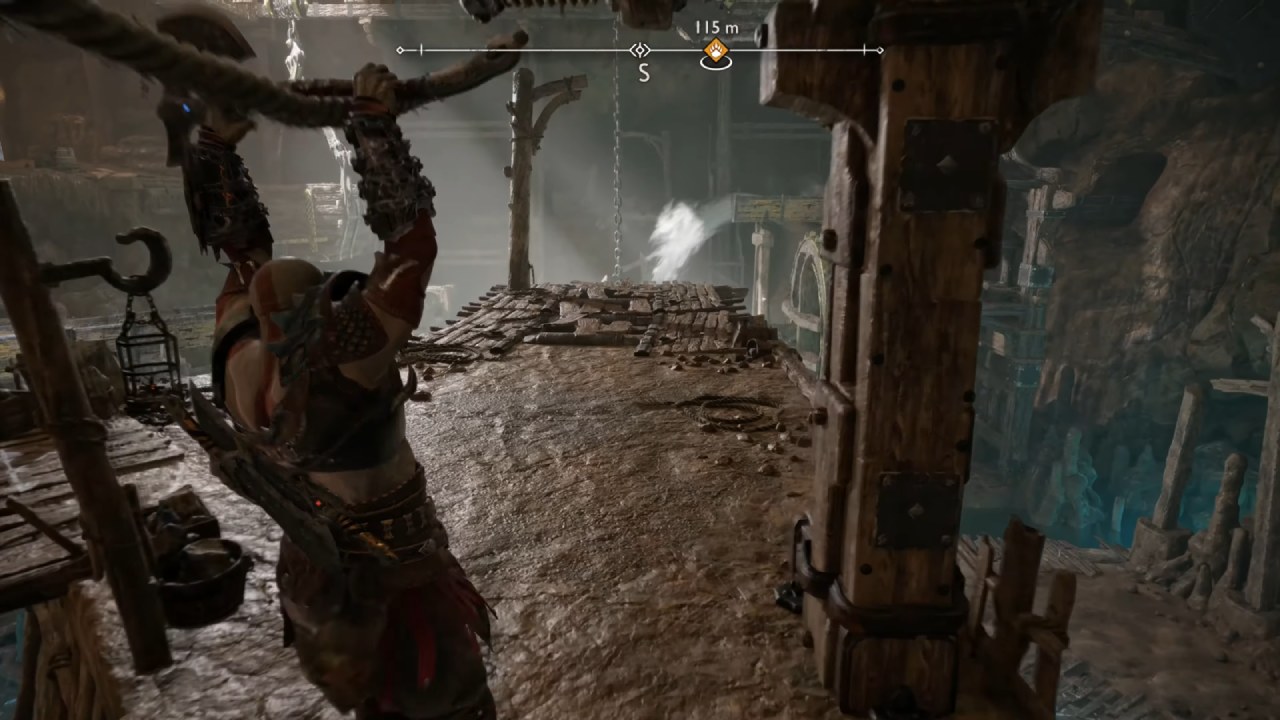
God of War: Ragnarok favored the RX 9070 by 17% natively and 23% with upscaling, as FSR 4 Quality delivered a 35% uplift over native, compared to DLSS 4's 29%.
Stellar Blade was one of the rare exceptions where the RTX 5070 was faster, leading by 6% natively and 2% with upscaling.
F1 25 saw the RX 9070 increase its advantage from 9% natively to 15% with upscaling enabled.
In Cyberpunk 2077, both GPUs ran poorly natively, averaging just 35 fps. With upscaling, both reached over 60 fps, but the RTX 5070 provided smoother frame pacing and better 1% lows.
Hogwarts Legacy showed a 7% advantage for the RX 9070 regardless of upscaling.
Borderlands 4 favored the RX 9070 by 26% natively and 20% with upscaling, though the RTX 5070 scaled slightly better using DLSS 4.
Mafia: The Old Country performed 25% faster on the RX 9070 natively and 30% faster with upscaling.
Monster Hunter Wilds showed a 30% advantage for the RX 9070, with both cards benefiting modestly from upscaling.
Dying Light: The Beast was evenly matched, with the RX 9070 slightly faster in Performance mode upscaling.
The Alters ran 7% faster on the RX 9070 natively and 14% faster with Quality upscaling.
Finally, Battlefield 6 had the RX 9070, 11% faster natively and 7% faster using Quality upscaling. DLSS scaled slightly better here, but both GPUs achieved around 120 fps with Balanced mode enabled.
23-Game Average and Driver Improvements
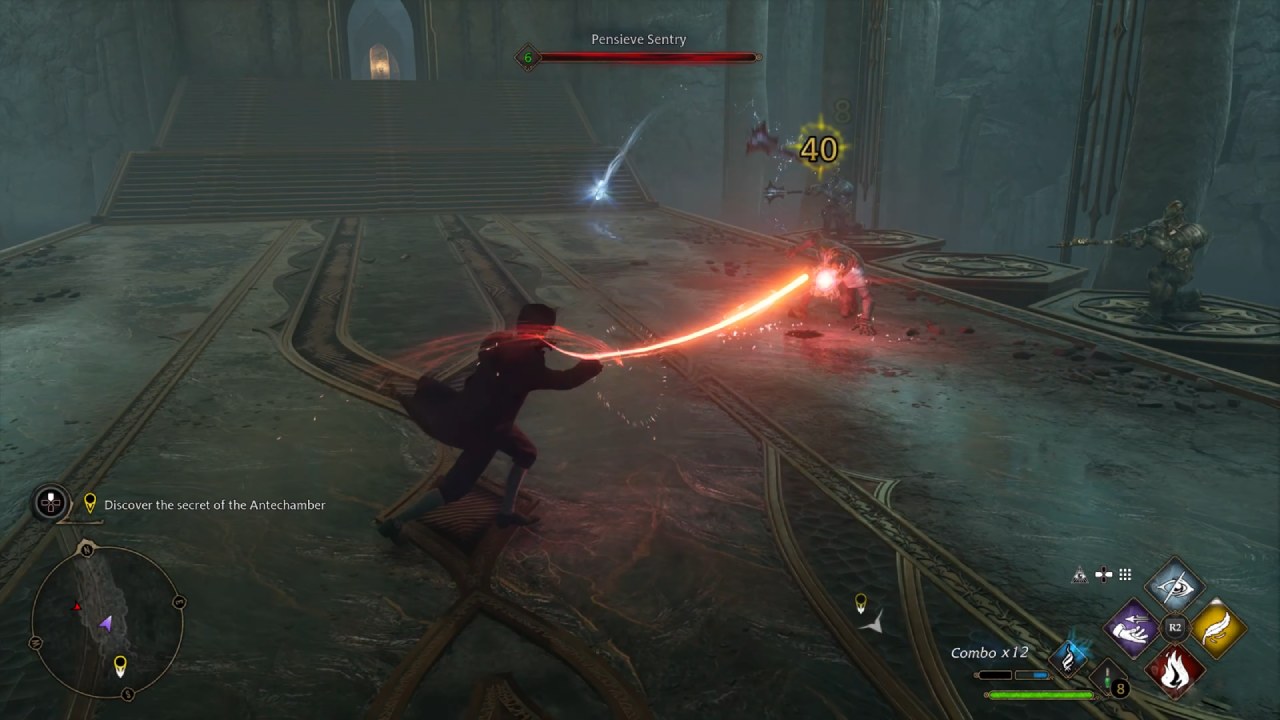
Across all 23 titles, the RX 9070 was 13% faster on average at 1440p using native rendering. This margin held steady at 13% for Quality, Balanced, and Performance upscaling modes. The RX 9070 also delivered 11% higher 1% lows on average.
These results highlight how performance differences between GPUs remain largely consistent whether or not upscaling is used. AMD's latest drivers have improved RDNA 4 performance since launch, widening the RX 9070's lead over the RTX 5070.
Performance Matching and Upscaling Balance
When gaming with Quality upscaling on the RX 9070, you'll need to use Balanced or Performance DLSS settings on the RTX 5070 to achieve similar performance. On average, FSR 4 Quality on the RX 9070 sits between DLSS 4 Balanced and Performance modes on the RTX 5070.
Performance differences vary by title. In roughly half of the tested games, the RX 9070 led by 15%, while in about a third, the gap was 7% or less. The RX 9070 did better in games like Mafia: The Old Country, The Last of Us Part Two, and Borderlands 4, whereas the RTX 5070 did better in games like Stellar Blade and Cyberpunk 2077 because the frame pacing was smoother.
Purchase Recommendation and Value Assessment
With both GPUs priced at $550, the RX 9070 offers a 13% higher average performance and an 11% better cost-per-frame ratio. However, we typically look for a 15% advantage to clearly recommend Radeon over GeForce. Still, the RX 9070 is in a stronger position now than at launch.
The RX 9070's strengths include higher overall performance, a 16GB VRAM buffer versus 12GB on the RTX 5070, and improved driver optimization. The larger memory capacity may prove more valuable in the coming years as games increasingly exceed 12GB VRAM usage at 1440p.
The RTX 5070, however, offers a richer feature set. DLSS 4 enjoys broader support compared to FSR 4, and older titles often support DLSS 2 or DLSS 3, both of which deliver solid image quality. FSR 4 compatibility continues to improve, particularly in new AAA releases like Borderlands 4 and Battlefield 6, reducing the gap over time.
DLSS 4 still provides slightly better image quality overall, and Nvidia's card performs better in heavy ray tracing workloads — though its 12GB memory limits often restrict performance in such scenarios.
Final Thoughts
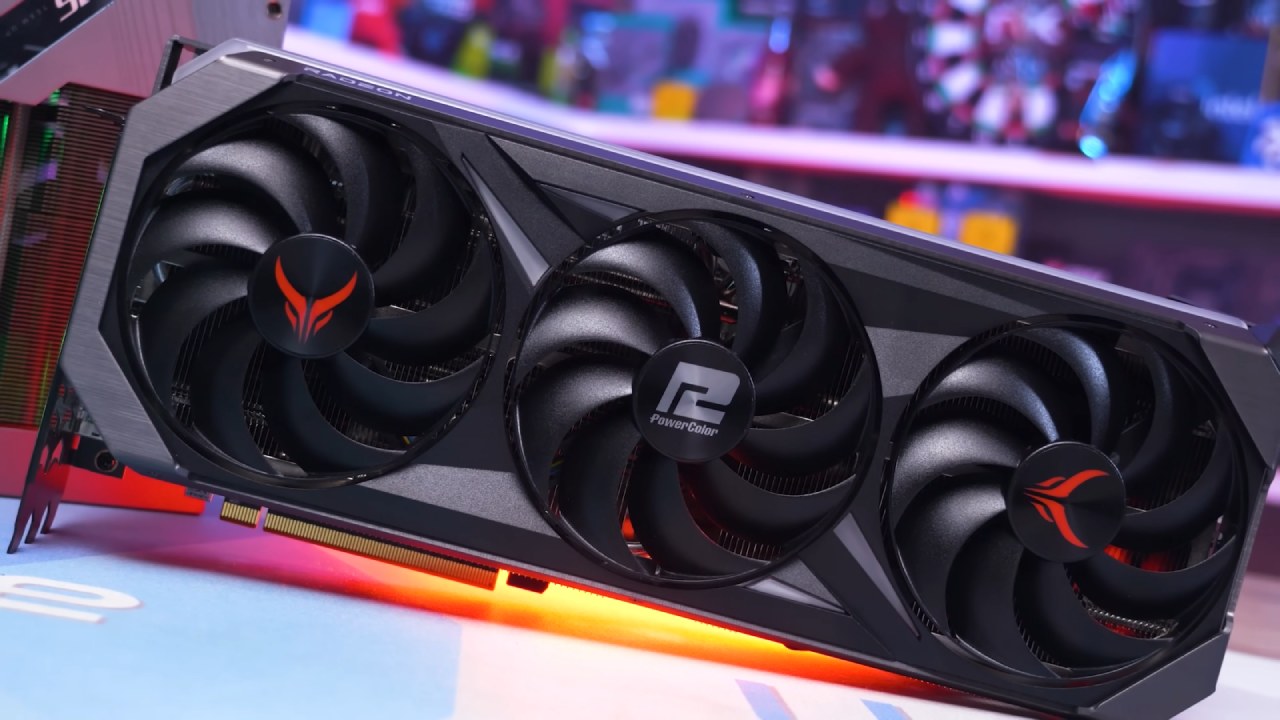
Neither GPU delivers an absolute win, but both have clear strengths. The RX 9070 now offers improved value through higher performance, better memory capacity, and consistent results across both native and upscaled rendering.
The RTX 5070 retains its advantage in feature support and ray tracing. It is still harder to suggest at the same price because it has less VRAM and a little less power.
In the end, the RX 9070 is the better pick for the future if you care more about raw performance and long-term use. The RTX 5070 is still a good choice for people who care most about AI features, DLSS quality, and compatibility with more upscaling options.
Also, Check Our Other Articles:
- GeForce RTX 5090 Unleashed: Is NVIDIA's New Flagship the Ultimate 4K Gaming GPU?
- NVIDIA GeForce RTX 5080 Review (2025): Still A 4K Gaming Powerhouse?
- RTX 5090 Performance Testing In GTA 5 – 1080p, 1440p, and 4K Max Settings Benchmark
- NVIDIA RTX 5070 Review: Mid-Range Muscle or Marketing Hype?
- RTX 5070 Ti Review: Performance, Thermals & Power Efficiency Tested
- ASUS GeForce RTX 5090 LC Liquid Cooled GPU Review: Unmatched Silence & Speed
- MSI GeForce RTX 5090 32GB SUPRIM SOC Review: Power Efficiency, Cooling, and Gaming Performance
- INNO3D RTX 5060 Ti 16 GB X2 Review: Gaming Benchmarks, Temps, and Power Efficiency
- HP Omen 45L Review: RTX 5090 Performance, Thermals, and Value Analysis
- ASUS TUF Gaming GeForce RTX 5060 Ti Review: DLSS 4, Power Efficiency, and Gaming
- ASUS Prime RTX 5060 Ti OC 16GB Review: DLSS 4, Ray Tracing, & Thermals Tested
- NVIDIA GeForce RTX 5060 Review: Specs, Gaming, and Cost per Frame
- MSI GeForce RTX 5090 GAMING TRIO OC Review: A Monster Power GPU
- AMD Ryzen 9 9950X3D Review: Setting The Standard For 2025 Gaming CPU
- AMD Ryzen 7 9800X3D Review: 3D V-Cache Goes God Mode with Stunning Gaming Performance
- AMD RX 9070 Performance Review: Thermals, Clocks, and Real-World FPS
- AMD Ryzen 5 7600 Review: Best Budget Gaming CPU of 2025?
- AMD Radeon RX 7800 XT Review: RDNA 3 Power For Midrange Gaming
- Sapphire NITRO+ AMD Radeon RX 9070 XT Review: The Ultimate 4K Gaming GPU
- AMD Ryzen 7 7800X3D: Delivers Gaming Performance Far Beyond Expectations
- AMD Ryzen 9 7900X Review: Powering the AM5 Era with DDR5 & PCIe 5.0
- ASRock Radeon RX 7800 XT Challenger OC Review: Best Price-to-Performance GPU of 2025
- Intel Core i9‑14900K vs. AMD Ryzen 7 7800X3D: Power Profiles & Gaming Benchmarks
Senior Editor, NoobFeed
Gaming Hardware Updates
No Data.