
Before You Buy an RTX 50 GPU: Key Problems You Should Know
AI-enhanced frame generation in the RTX 50 series inflates performance metrics while noticeably reducing overall image clarity during gameplay.
Hardware by Masaru Hoshino on Jan 04, 2026
RTX 50 series launched nearly a year ago, and by now, many people have already seen countless reviews and discussions surrounding it. Even so, the core issues and realizations behind this GPU generation remain relevant, especially for anyone buying the card today rather than at launch.
Many of the impressions surrounding the series differ from what is publicly repeated, and several of the most important takeaways only become clear once someone actually owns an RTX 50 series GPU.
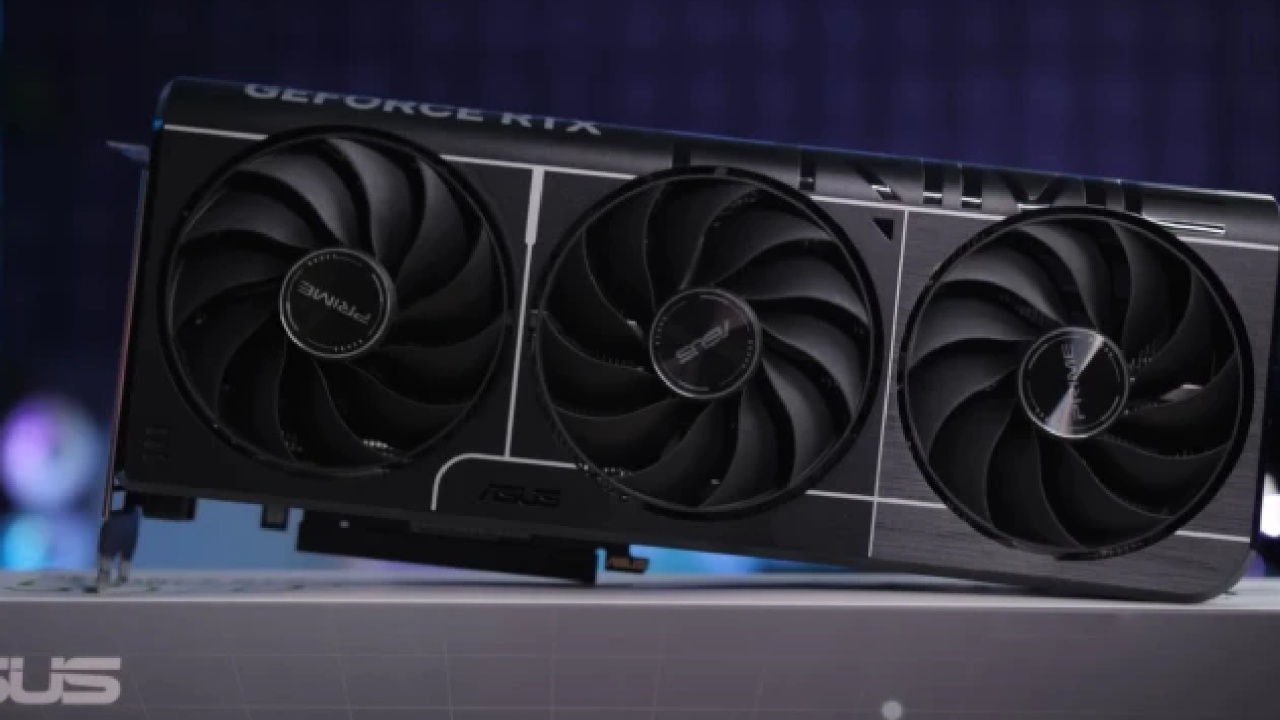
Connector Issues
PCIe5 connector introduced with newer video cards uses a 12-pin cable with four tiny pins clipped on top. In theory, it should be an improvement by offering more power and better cable management. Over the years, the number of power pins kept increasing, eventually reaching 8+8+8 configurations.
As GPUs demanded more power, it became clear that a new solution was needed before the connector size reached that of the 24-pin motherboard connector. NVIDIA and other companies responded by making PCIe 5.0 available with the 40 series.
But the connector had a big problem: it started to melt over time. A lot of people talked about this on Reddit and other sites, and they usually only found out about it after trying to remove the connector and discovering it was stuck or broken. This meant the RTX 40 connector design failed, and it wasn't caused by low-quality PSUs either. Even users running 80+ Gold power supplies experienced the problem.
Naturally, people assumed the issue would be resolved with the next generation. But when the RTX 50 series was released a year later, complaints continued. The problem with melting persisted, which was scary because it directly affects consumer safety. A power hookup shouldn't put your whole project at risk.
Later, while assembling a PC, another problem came up. The connector wasn't making good contact, thus it didn't melt. The PC would turn on at first, but the next day it wouldn't show anything. The first thought was that the RAM was broken, which made sense because there were times when there wasn't enough RAM, and broken items seemed more plausible. After a lot of troubleshooting that wasn't needed, I found out that the GPU connector wasn't making contact at all.
Trying to rejoin the cable, change the PSU, and reseat the connector didn't work. Eventually, using the included adapter with an 8+8 pin PSU cable solved everything instantly. The GPU worked normally afterward. This created a rough first impression of the card, yet the problems didn't end there.
AI Slop
During Nvidia's presentation, one specific claim from Jensen Huang caused an uproar: that the RTX 5070 would outperform the RTX 4090. Naturally, this shocked people, since the RTX 4090 had been the most powerful GPU of the previous generation, and the performance details of the RTX 5080 or RTX 5090 were still unknown at the time.
However, this claim was based not on raw power but on AI-generated FPS boosts through multiframe generation in the latest DLSS. While DLSS has always traded image quality for higher performance, the new version relies heavily on AI and further reduces image fidelity. NVIDIA compared this artificially inflated FPS to the native performance of an RTX 4090, which many users saw as misleading.
The raw power of the RTX 5070 itself doesn't even exceed that of the RTX 4070 Ti. This marketing mistake got a lot of bad press and hurt the RTX50 series' reputation. In hindsight, the doubts voiced by some critics were warranted.
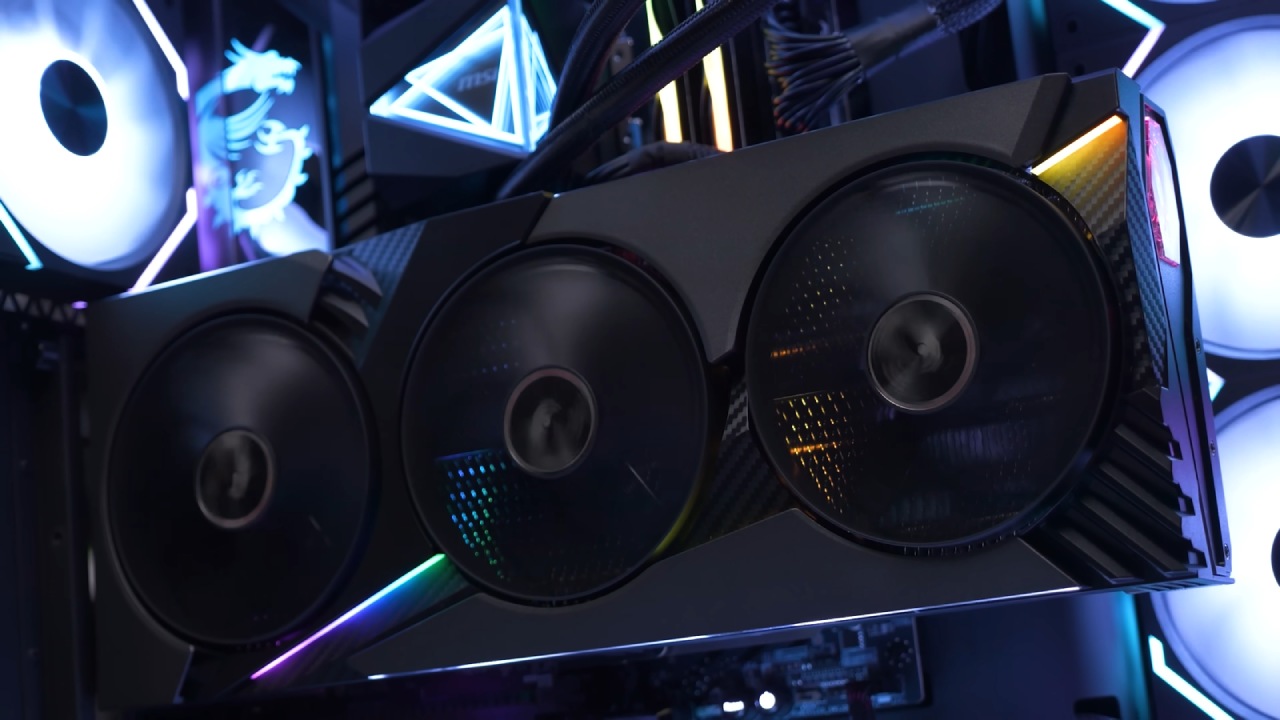
NVIDIA Turning Into Apple
The situation is similar to Apple's yearly cycle of releasing new devices, where the advances between generations have grown very small. This is a pattern that NVIDIA is following more and more. The RTX 20 series introduced ray tracing and the first iteration of DLSS. In contrast, the RTX 30 series added GDDR6X RAM and significant performance boosts. But succeeding generations made fewer modifications that mattered to gamers.
The RTX 40 series introduced PCIe5 support, improved ray tracing, and added more CUDA cores. However, these changes are largely useful for editors and 3D designers. With the RTX 50 series, there are even fewer new features that jump out. This generation relies heavily on AI, faster DLSS, and greater raw computing power. Still, it doesn't add much to ordinary gaming.
This is similar to the iPhone era that began with the iPhone 12, when each new model is technically superior. Still, the differences aren't clear or significant. It looks like Nvidia is doing the same thing, announcing a new generation every two years without really changing anything.
Price Scam
NVIDIA stressed lower prices at the introduction of the RTX 50 series. The RTX 5070 launched at $549, $50 less than the RTX 4070. The RTX 5080 launched at $999, while the RTX 4080 launched at $1,199. This looked like a good change on paper.
After a short time, though, Nvidia shifted its focus to AI-centered production, reducing the number of products available to regular consumers. This led dealers to charge prices far above what they should have been, sometimes nearly doubling the initial MSRP. This was much more than the usual 20% increase after the introduction that happened in prior generations.
Even if the market was inflated, some people had to buy a new GPU because older models like the RTX 40 or RTX 30 were either too expensive or unavailable. The RTX 5070Ti had better performance, but the extra cost and the difficulty of finding builds with specified looks, such as white-themed ones, affected the ultimate pick.
When it comes to AMD, its GPUs are still great for gaming, but Nvidia CUDA cores are used by a lot of editing apps, so AMD is not as good for GPU-accelerated productivity.
Final Thoughts
In the end, the RTX 50 series does improve some things. But it also shows that there are still issues, such as power ports that don't work with each other, marketing claims driven by AI, and worries about the prices. If you're thinking about getting a GPU today, it would be better to know about these real-world experiences than just the hoopla that comes with the launch or theoretical benchmarks.
Also, check our other NVIDIA articles below:
- NVIDIA GeForce RTX 5080 Review (2025): Still A 4K Gaming Powerhouse?
- NVIDIA RTX 5070 Review: Mid-Range Muscle or Marketing Hype?
- RTX 5070 Ti Review: Performance, Thermals & Power Efficiency Tested
- ASUS GeForce RTX 5090 LC Liquid Cooled GPU Review: Unmatched Silence & Speed
- MSI GeForce RTX 5090 32GB SUPRIM SOC Review: Power Efficiency, Cooling, and Gaming Performance
- INNO3D RTX 5060 Ti 16 GB X2 Review: Gaming Benchmarks, Temps, and Power Efficiency
- HP Omen 45L Review: RTX 5090 Performance, Thermals, and Value Analysis
- ASUS TUF Gaming GeForce RTX 5060 Ti Review: DLSS 4, Power Efficiency, and Gaming
- ASUS Prime RTX 5060 Ti OC 16GB Review: DLSS 4, Ray Tracing, & Thermals Tested
- NVIDIA GeForce RTX 5060 Review: Specs, Gaming, and Cost per Frame
- MSI GeForce RTX 5090 GAMING TRIO OC Review: A Monster Power GPU
Editor, NoobFeed
Gaming Hardware Updates
No Data.